


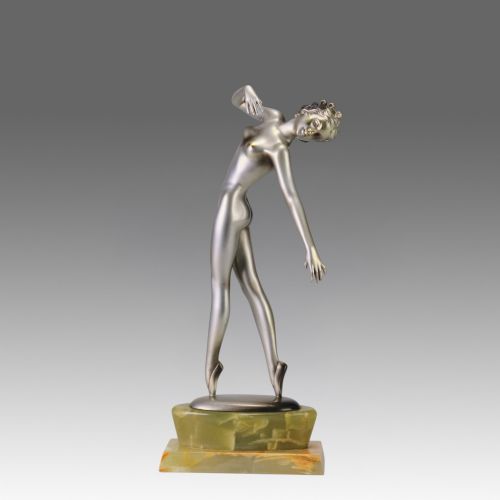
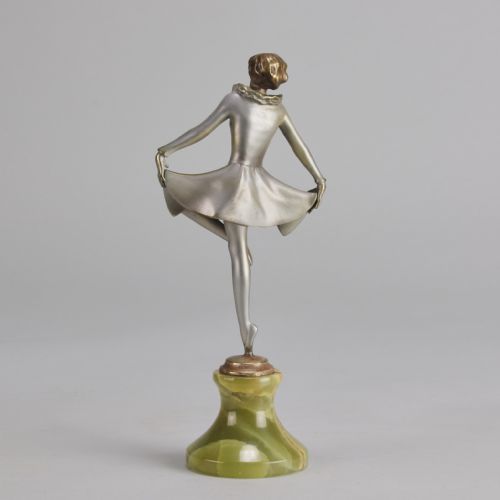
Vintage Art Deco Statue
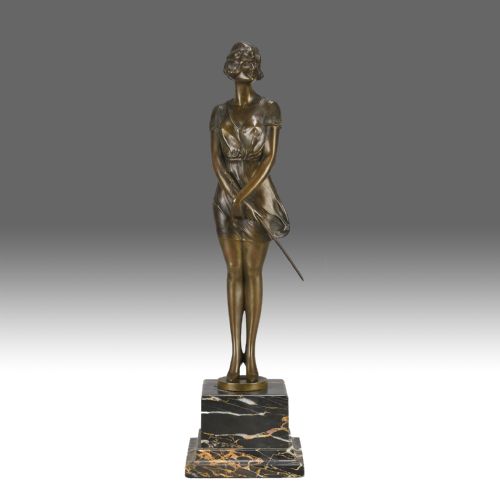
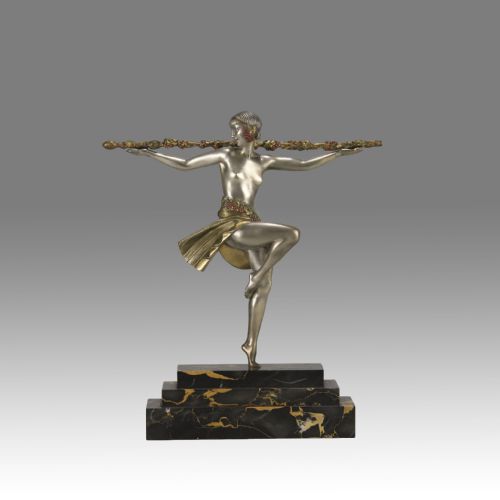
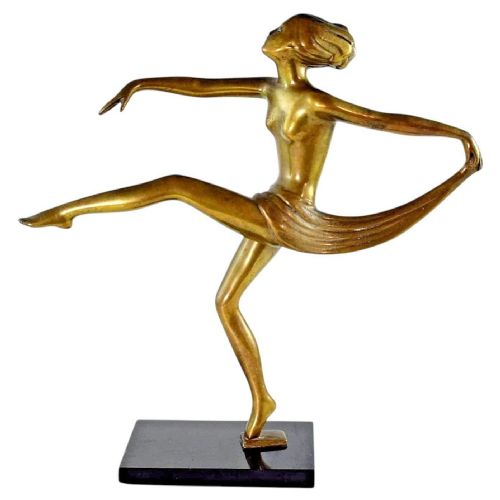
A vintage art deco statue brings the sharp geometry, kinetic dance and sleek animalism of the inter-war years straight onto a mantelpiece.
Vintage Art Deco Statue
A vintage art deco statue captures the dynamic spirit of the early twentieth century through figurative works, animal studies and decorative figures. The pieces listed span sculptures, figurines, bookends and table lamps originating primarily from the nineteen-twenties and nineteen-thirties.
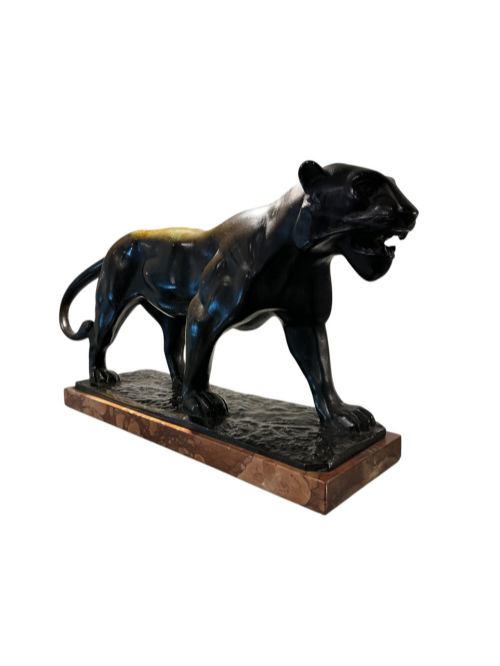
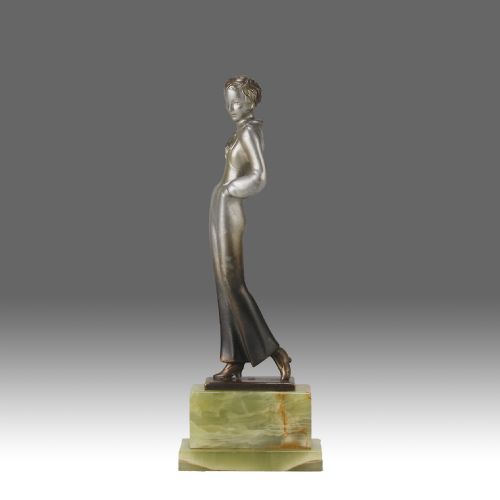
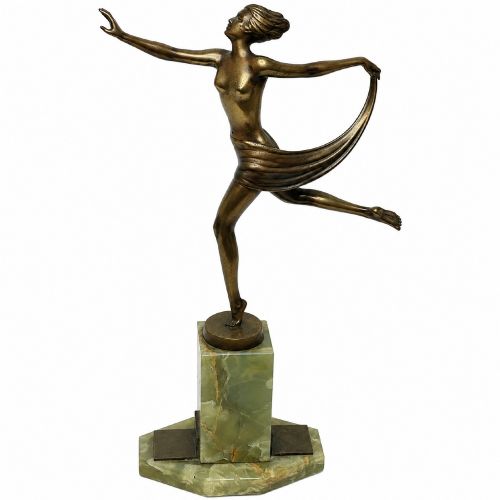
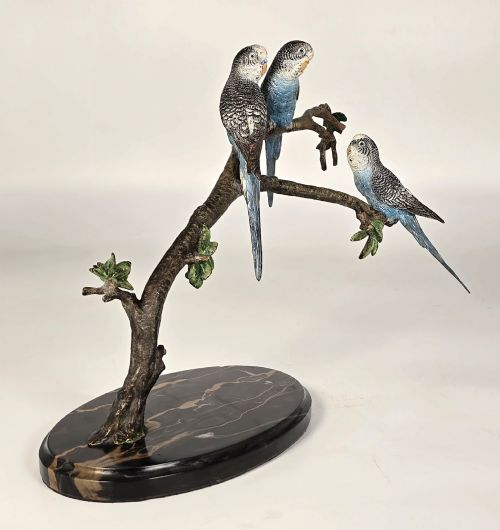
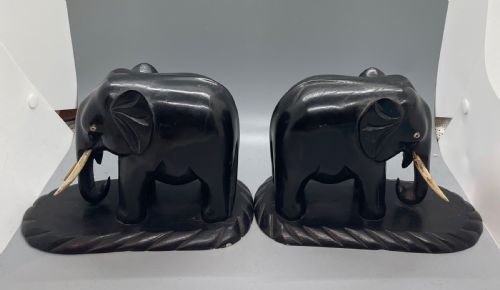
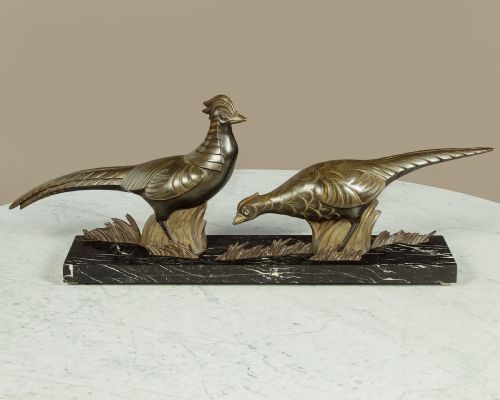
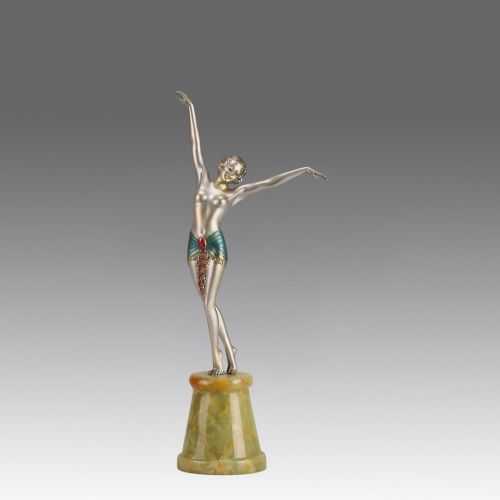
Buyers will frequently encounter depictions of female dancers, athletes and wildlife such as panthers, birds and elephants. These works adopt distinct modernist postures, often paired with heavy geometric bases in marble or onyx.
While the majority of items belong to the Art Deco style, related pieces reflect Art Nouveau origins or Balinese Art Deco influences. Forms range from monumental male athletic figures to small glazed porcelain figurines and cold-painted studies.
Materials and technique
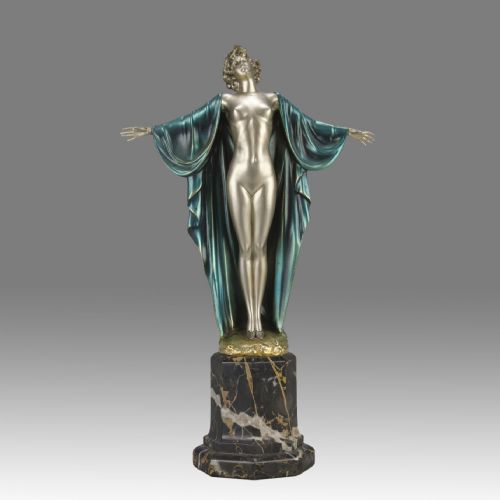
Foundry casting in bronze provides the weight and definition for many primary sculptures, frequently enhanced by cold-painting or gilt finishes applied to the metal. Spelter serves as a more accessible alternative metal, often carrying patinated or painted surfaces that mimic bronze.
Statues rely heavily on substantial stone plinths, utilising marble and onyx to anchor slender metal figures and balance dynamic poses. Wood and brass combinations also appear alongside glazed porcelain and studio pottery forms.
Listings feature items dated across the nineteenth century, nineteen-twenty, nineteen-thirty and nineteen-forty.
Judging the work
Quality rests upon the crispness of the casting and the sensitivity of the hand-applied cold-painting, where fine brushwork defines facial expressions and garments. Superior pieces demonstrate anatomical precision and confident posture, avoiding the rigidity seen in lesser workshop output.
The choice and integration of the base material separates standard items from exceptional ones, with deeply veined or multi-coloured marble and onyx plinths adding architectural presence. Signed editions and recognised studio marks anchor the piece within a clear artistic lineage.
Bruno Zach·Pierre le Faguays·Ferdinand Preiss·Josef Lorenzl·Alexandre Ouline·Charles Vyse·Berthe Savigny
The Vintage Art Deco Statue Glossary
- Cold-painted bronze
- Metal sculpture painted with non-heat-set pigments after casting, requiring careful handling to preserve the original surface detail.
- Spelter
- A zinc-based alloy utilised as an economical substitute for bronze during the period, typically finished with a bronze-like patina.
- Onyx
- A banded variety of chalcedony frequently carved into heavy, polished geometric bases for sculptural figures.
- Glaze
- A vitreous layer fused to ceramic or porcelain bodies through firing, producing smooth, protective coloured surfaces.
- Balinese Art Deco
- A stylistic crossover integrating traditional Indonesian motifs and tropical figures into the modernist European design vocabulary.
Vintage Art Deco Statue: Frequently Asked Questions
What materials make up these statues?
The pieces utilise a range of mediums, with cast bronze and spelter forming the primary body for human and animal figures. These metals are frequently mounted on heavy bases of carved marble or onyx.
Additional materials include glazed porcelain, studio pottery, wood, brass, nickel bronze and glass. Cold-painted pigments and gilt finishes provide the surface colour.
How do I identify a nineteen-twenties piece?
Nineteen-twenties items often lean towards slender, elongated silhouettes, kinetic dancer poses and sharp geometric lines that reflect early modernist movements. Signatures or attributions to prominent sculptors of the era frequently appear on the metal work or stone base.
Materials such as cold-painted bronze and patinated spelter dominate this decade, accompanied by rich marble plinths. The overall aesthetic prioritises speed, motion and sleek industrial grace.
Where should I place a heavy marble-based figure?
These statues require stable, level surfaces such as sturdy sideboards, mantelpieces or dedicated display cabinets that can easily support the substantial weight of stone bases. Positioning them away from direct sunlight protects cold-painted finishes and delicate patinas from fading.
Because many pieces feature outstretched limbs or slender figures, placement should avoid areas prone to heavy vibrations or foot traffic.
Are animal subjects common in this style?
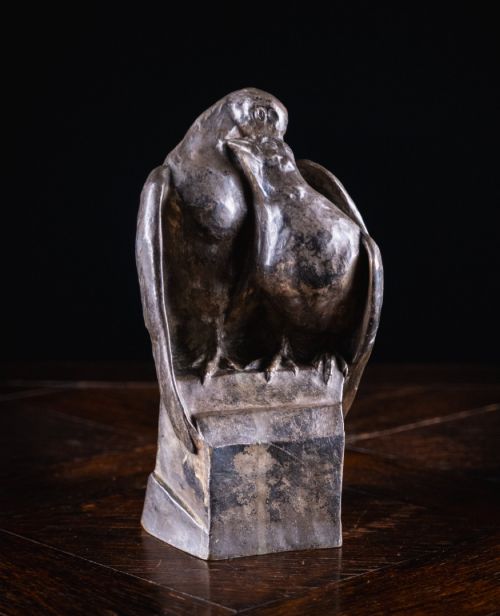
Animals form a major category within these listings, ranging from prowling panthers and elephants to albatrosses, seagulls and budgerigars. Sculptors captured wildlife with stylised simplicity, emphasising muscular tension or sleek contours.
These creature studies frequently share the same bronze or spelter construction and marble plinth mounting as human figurative works.