


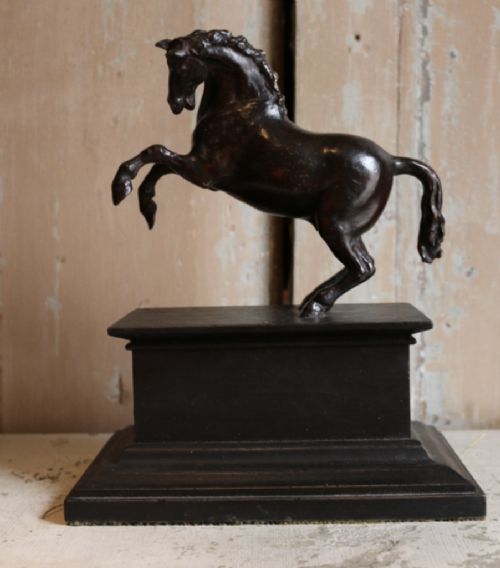

Antique Metal Animal Figurine
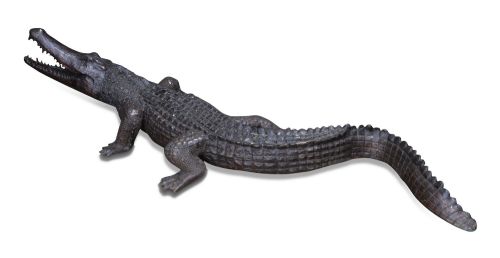
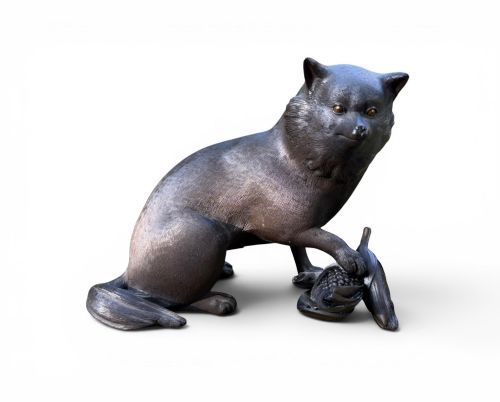
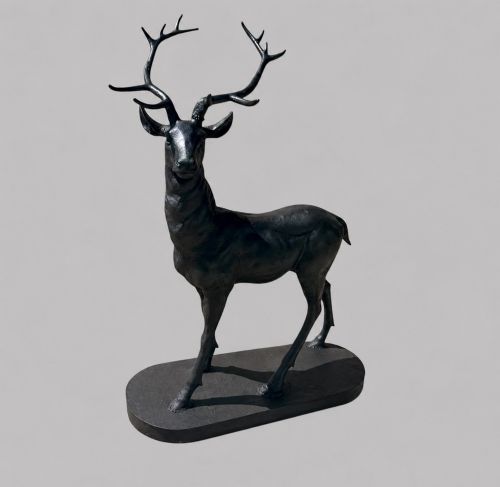
An antique metal animal figurine brings the character of a domestic pet or a wild beast directly onto a desk or mantelpiece.
Antique Metal Animal Figurine
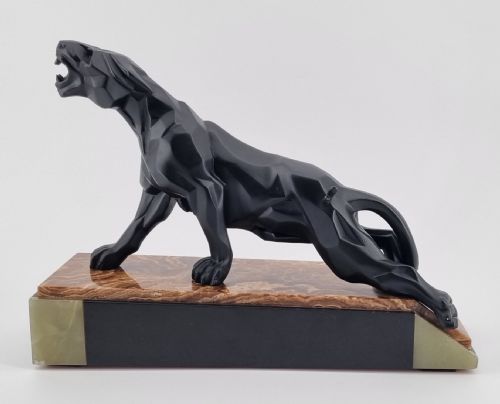
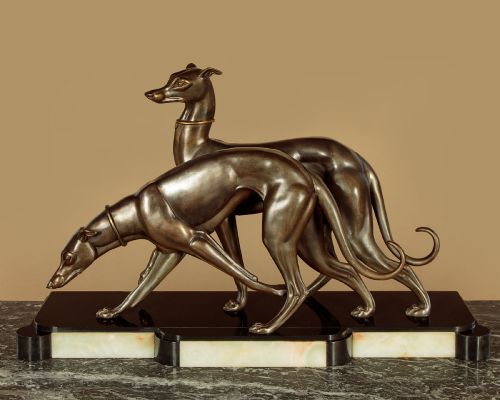
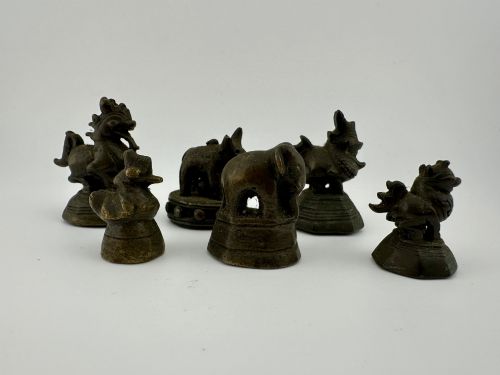
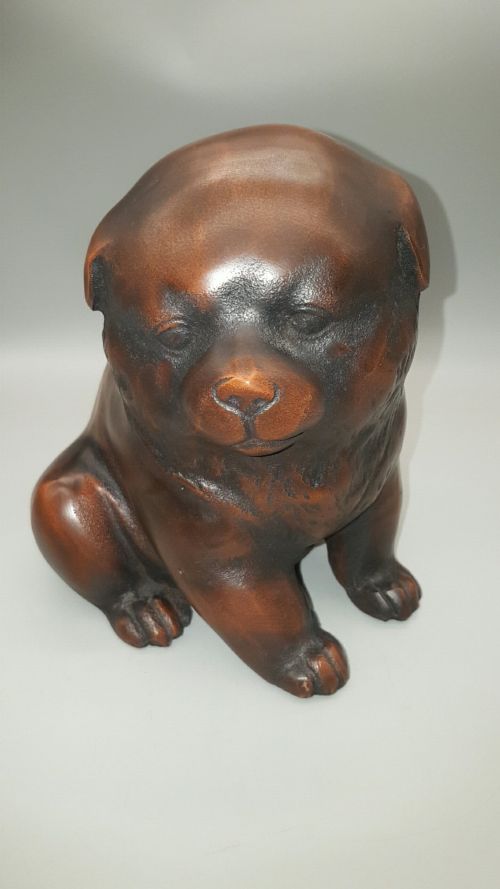
An antique metal animal figurine encompasses a diverse array of sculptural forms, ranging from practical desk accessories and pepperettes to standalone cabinet bronzes and fireplace ornaments. You will frequently encounter domestic dogs, big cats, and birds rendered in various metals across this collection.
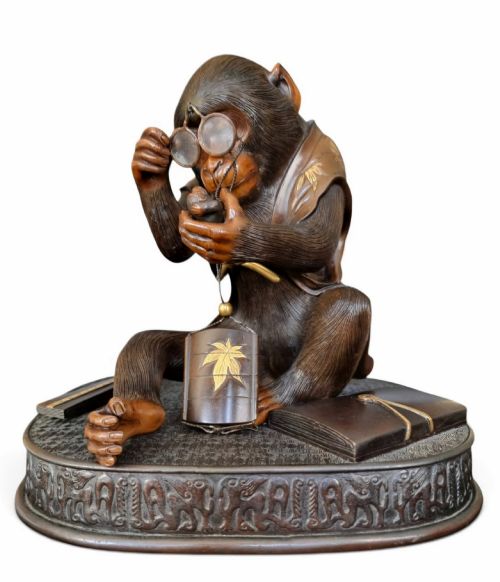
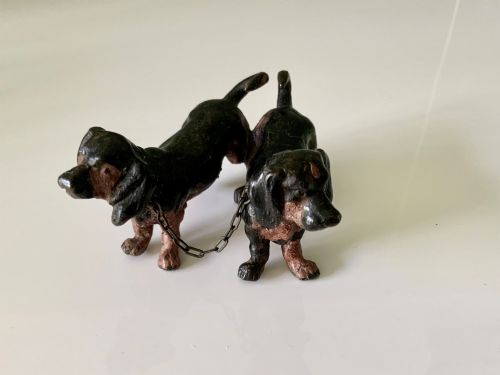
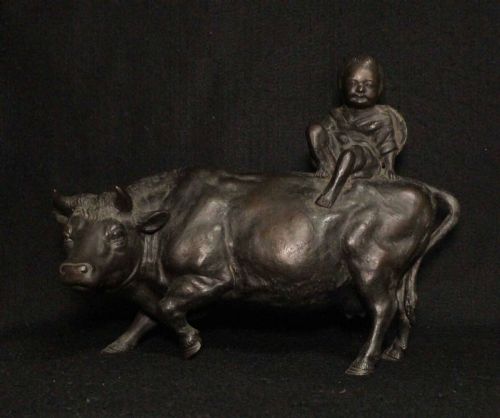
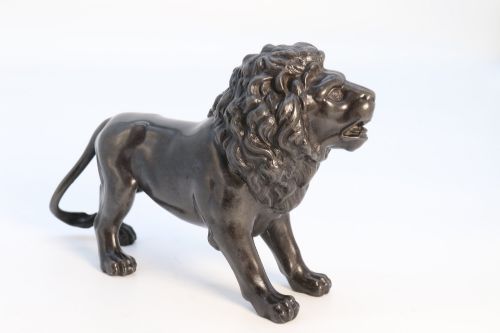
The objects span multiple centuries and international traditions, including Austrian cold-painted foundry work, Meiji period Japanese okimono, and French Animalier school sculptures. These pieces reflect both the utilitarian decorative arts of the nineteenth century and the sleek stylisation of the Art Deco era.
Makers and workshops across Europe and Asia produced these small sculptures in bronze, spelter, pewter, and cast iron. Some rest upon integral metal bases, while others are mounted on contrasting plinths of black marble or onyx.
How they were made
Foundries primarily utilised the lost-wax technique to cast bronze figures, allowing artisans to capture intricate muscle structures, fur textures, and feather details before applying patination or cold-painting by hand. Spelter, a cheaper zinc alloy, served as a common alternative for larger Art Deco figures that required substantial volume without the weight of solid metal.
Many Austrian and Viennese small bronzes received polychrome cold-painting over a metallic ground, a delicate surface treatment that relied on multiple layers of pigment. Pewter and cast iron pieces were cast in moulds and finished with filing, patination, or silver plating to achieve their final appearance.
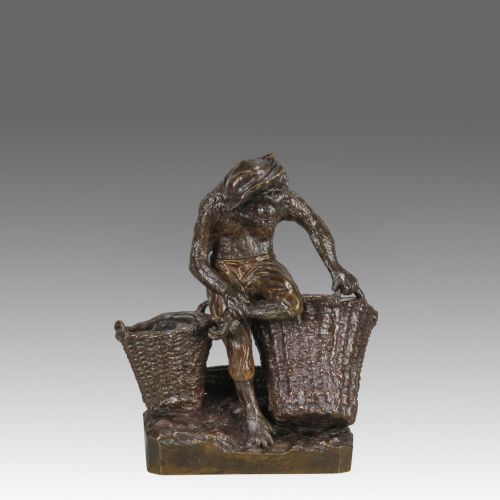
Nodding dogs in spelter and cold-painted frogs prove that antique metal sculptors possessed a thoroughly playful sense of humour.
What varies in quality
The sharpness of the casting distinguishes superior work from routine commercial production, as finer pieces retain crisp anatomical definition and delicate surface chasing rather than soft edges. Master founders achieved depth through subtle chemical patination or meticulous hand-painting, whereas inferior examples rely on flat, uniform surface coats.
Signatures, foundry marks, and registration stamps such as Geschützt indicate workshop provenance and elevate the standing of a piece. The quality of the mounting also matters, seen in how cleanly a bronze figure integrates with its marble or onyx base.
Franz Bergman·Christophe Fratin·Louis Riche·Michel Decoux·P.de Soete
The Antique Metal Animal Figurine Glossary
- Animalier
- A nineteenth-century artistic movement dedicated to the realistic portrayal of animals, particularly predators and domestic beasts. Sculptors in this tradition studied anatomy closely at menageries.
- Cold-painted bronze
- A method where polychrome paint is applied to a bronze surface without subsequent firing in a kiln. This technique was particularly prevalent in late nineteenth and early twentieth-century Austrian workshops.
- Okimono
- A Japanese term for a decorative object traditionally displayed on a shelf or in a tokonoma alcove. These miniature carvings and metal sculptures often depict animals with great naturalism or personality.
- Spelter
- A zinc alloy used as a low-cost substitute for bronze, especially during the Art Deco period. It takes patination well but is softer and more brittle than genuine bronze.
- Geschützt
- An Austro-Hungarian legal protection mark meaning patented or registered. It frequently appears on small metal goods and cold-painted bronzes from Vienna.
Antique Metal Animal Figurine: Frequently Asked Questions
What is an antique metal animal figurine used for?
These metal figures served primarily as decorative ornaments for desks, mantelpieces, and display cabinets during the nineteenth and twentieth centuries. Some specific forms, such as pin cushions, pepperettes, and doorstops, also fulfilled daily household functions.
Over time, collectors shifted these items into purely display roles, appreciating them as miniature works of sculpture rather than functional objects.
How do I clean a cold-painted bronze?
Cold-painted surfaces are delicate because the paint sits on top of the metal without a high-temperature kiln firing. You should dust them gently with a soft, dry brush and avoid all liquids and chemical solvents.
Applying moisture or rubbing the surface can easily remove the original polychrome pigments and ruin the finish.
What is the difference between bronze and spelter?
Bronze is a durable copper and tin alloy that takes fine detail and patination exceptionally well. Spelter is a softer zinc-based metal that was frequently used to produce larger decorative figures more cheaply.
Underneath a dark patination, spelter is lighter in weight and more brittle than genuine bronze if scratched or dropped.
How can I tell the period of a metal animal?
Dating relies on stylistic clues like the naturalism of the nineteenth-century Animalier school versus the geometric stylisation of 1930s Art Deco. Materials, mounting bases, and foundry marks or artist signatures also provide clear chronological markers.
Japanese Meiji period pieces often carry traditional signatures or reflect specific late nineteenth-century craft revivals.