



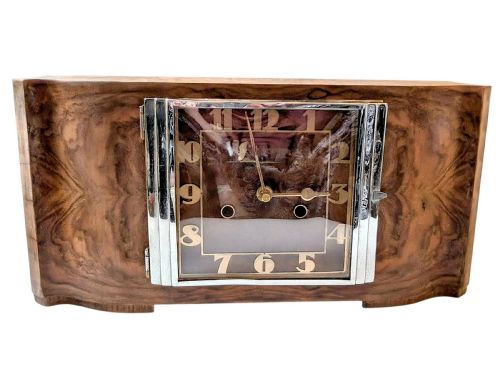
Vintage Art Deco Clock
These vintage art deco clock pieces span mantel, wall, and desk formats, offering geometric styling and period movements for interior placement.
Vintage Art Deco Clock
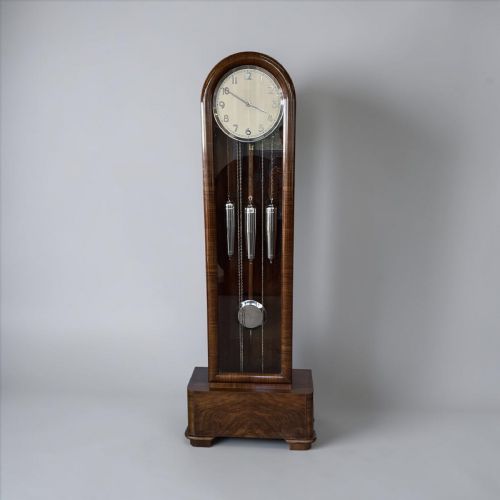
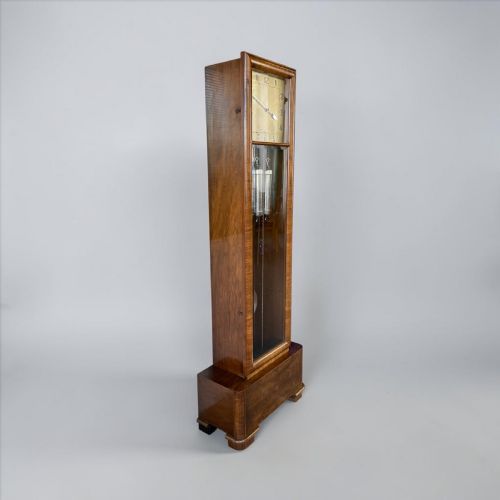
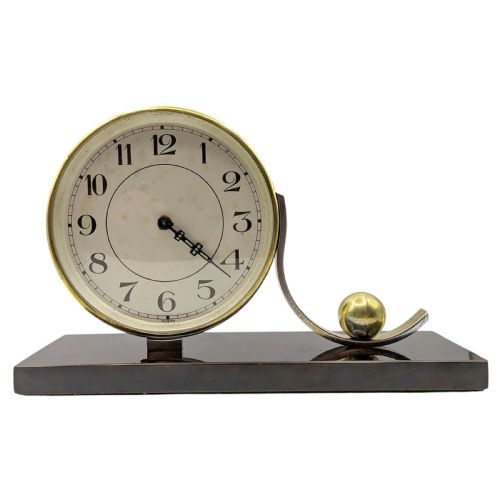
A vintage art deco clock encompasses mantel clocks, wall clocks, and desk clocks alongside larger grandfather and longcase formats. These objects emerge primarily from the 1920s and 1930s, reflecting the dominant design ethos of those decades.
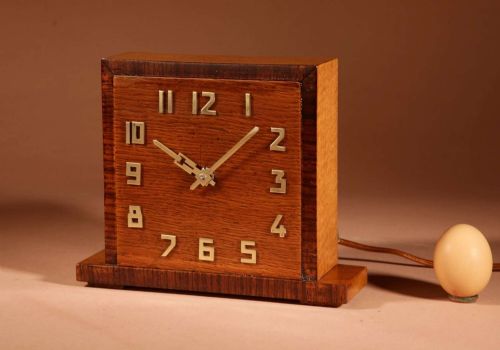
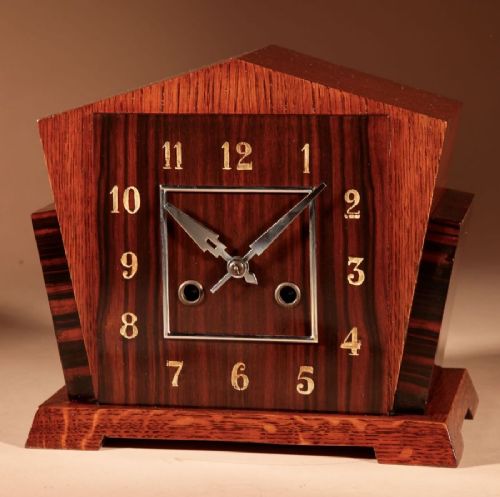
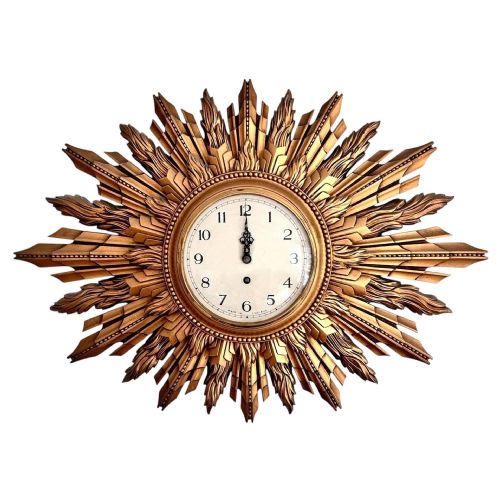
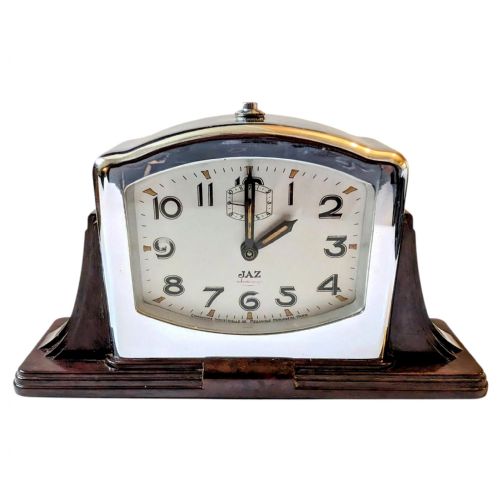
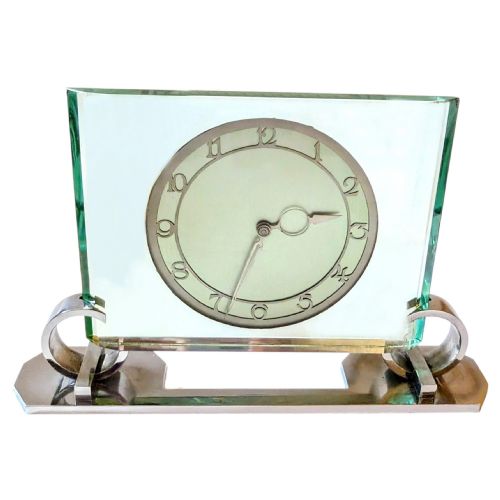
Mantel and wall variations dominate the selection, often taking geometric or starburst configurations. Buyers frequently encounter oak, walnut, and chrome housings alongside glass and bakelite constructions.
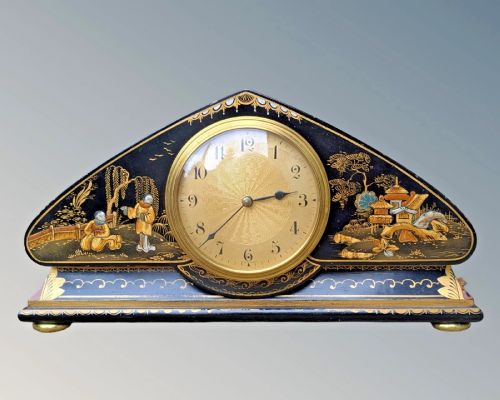
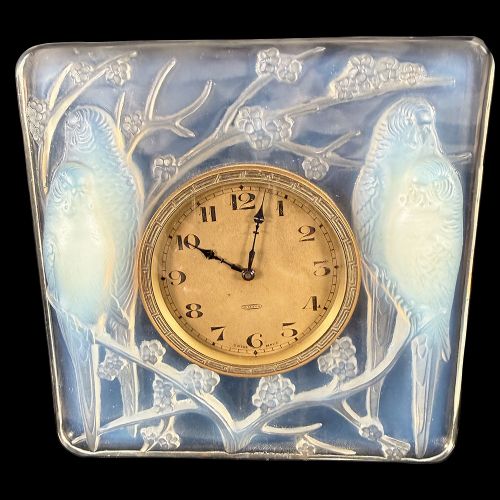
Origins stretch across Britain, France, Germany, and Switzerland, yielding diverse regional interpretations of the style. Certain pieces incorporate figural elements such as birds or human characters integrated directly into the clock body.
Materials and Construction
Cases combine timbers like oak and walnut with contrasting veneers such as macassar ebony or rosewood. Metal elements utilise chrome, brass, and copper, whilst synthetic components rely on early plastics like bakelite.
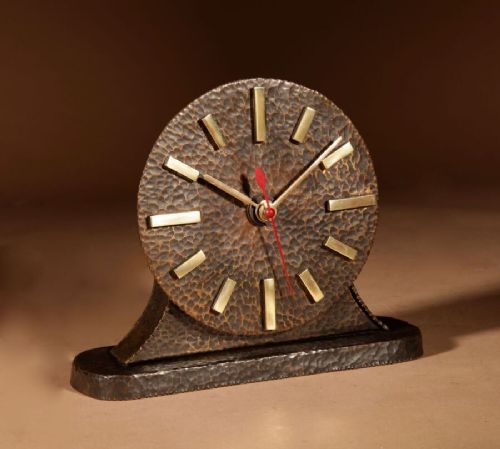
Specialised techniques include hammered patinated brass and moulded opalescent glass. Mechanical and early electrical movements power the dials, incorporating mechanisms from makers across Europe and Britain.
Certain models feature lovesick birds gazing eternally across an opalescent glass dial.
Distinctions in Standard
Quality separates through the integrity of the cabinet work and the sophistication of the housing materials. Solid hardwoods and carefully matched veneers demonstrate superior craftsmanship compared to plain surfaces.
The integration of decorative details, from figural bronzing to champlevé enamel or cast brass elements, elevates specific pieces. Original movements and signed dials further distinguish higher grade examples.
R Lalique·Smiths Clockmakers·Zenith·Elliott
The Vintage Art Deco Clock Glossary
- Mantel Clock
- A clock designed to sit on a shelf or mantelpiece above a fireplace. These domestic timepieces often feature wooden or marble cases.
- Bakelite
- An early form of synthetic plastic utilised for clock housings during the period. It allowed for moulded geometric and streamline profiles.
- Garniture
- A set consisting of a central clock flanked by matching decorative objects such as urns or vases. They were designed to sit symmetrically on a mantelpiece.
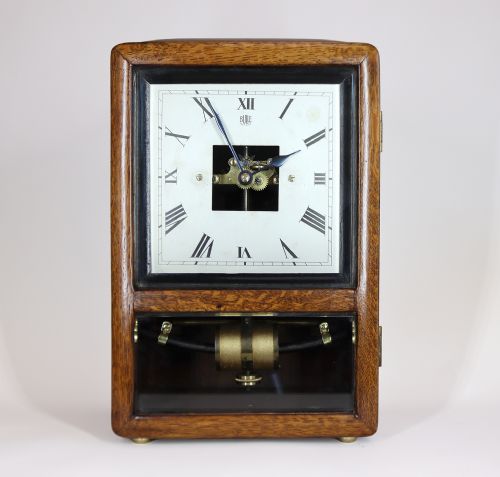
- Bulle Clock
- An electromechanical clock driven by a pendulum interacting with an electromagnetic coil. They represent early electric timekeeping technology.
- Champlevé Enamel
- A technique where troughs are dug into a metal surface and filled with enamel before firing. It creates patterned coloured designs on clock faces and cases.
Vintage Art Deco Clock: Frequently Asked Questions
How do I wind a mechanical vintage art deco clock?
Mechanical versions typically utilise a key inserted into holes on the dial to tension the mainsprings. Care must be taken not to overwind the mechanism.
Different trains control the timekeeping and the striking functions, requiring separate winding points on chiming models.
What is an early electrical clock?
Early electrical examples use batteries or low voltage currents rather than traditional weights or manually wound springs. Systems like Bulle utilised electromagnetic impulses to maintain pendulum motion.
These pieces represent transitional technology bridging traditional horology and modern electrical engineering.
How do I clean a bakelite clock case?
Bakelite requires gentle cleaning with a soft, damp cloth to remove dust without damaging the surface sheen. Avoid abrasive cleaners and harsh chemical solvents.
Polishing compounds formulated for early plastics can help restore lustre to dull surfaces.
Where should I place a wall clock?
Wall clocks function best on sturdy interior walls away from direct sunlight and damp conditions. Proper mounting ensures the movement remains level for accurate timekeeping.
Large models with striking mechanisms need secure fixings to support their weight and acoustic resonance.