





Vintage Architectural Glass
Vintage architectural glass encompasses stained glass windows, leaded panels and shop signs shaped by Victorian, Edwardian and Art Deco hands for striking interiors.
Vintage Architectural Glass
Vintage architectural glass comprises decorative windows, shop panels, door inserts and structural signage salvaged from period buildings. Buyers searching for vintage architectural glass typically encounter leaded windows, etched shop panels and stained glass panels originating from the Victorian, Edwardian and 1900 periods.
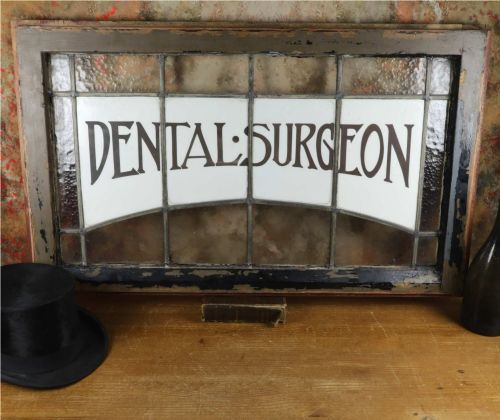
The surviving forms range from hand-painted countryside scene windows and etched pub windows to dental surgeon glass signs and confectionary shop window panels. These pieces served functional roles in commercial premises, domestic hallways and street-facing windows before entering the salvage market.
The selection on this page centres heavily on leaded and painted glass windows depicting birds, landscapes and floral motifs from the turn of the twentieth century. Alongside these panels sit etched glass signs and doors spanning the nineteenth and early twentieth centuries.
How they were made
Maker workshops constructed leaded glass windows by binding individual hand-cut pieces of glass together with flexible lead cames, soldering the joints to form secure geometric or pictorial designs. Artisans frequently applied hand-painted details, firing the pigments onto the glass surface to depict landscapes, figures, flowers and birds.
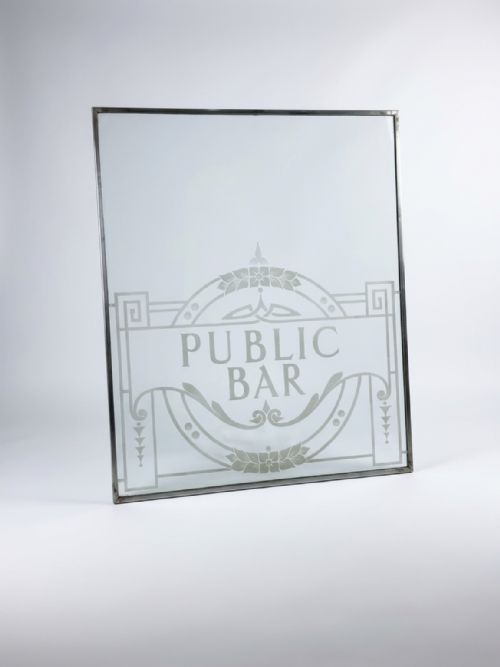
Commercial signage and pub windows relied on acid-etching and reverse-cutting techniques on heavy plate glass, biting designs into the material to create opaque and clear contrasts. Carpenters and metalworkers framed these glass components in timber, copper, brass, oak and giltwood structures tailored for doors, transoms and wall mounts.
Listings feature periods from the 19th Century and Regency through to Victorian, Edwardian, Art Nouveau and Art Deco.
What varies in quality
The standard of a piece rests upon the complexity and artistic execution of the painted or etched imagery within the glass. Hand-painted scenes showing intricate shading, detailed avian or botanical subjects and robust firing demonstrate superior workshop capability compared to simple geometric leads.
Material integrity and framing determine the durability of salvaged architectural pieces. Original lead cames retaining structural rigidity, uncompromised timber surrounds and undamaged hand-cut glass panes represent the higher tier of surviving examples.
The Vintage Architectural Glass Glossary
- Came
- A slender, grooved strip of lead used to hold individual pieces of glass together in a window panel. These flexible channels form the structural grid of leaded glass designs.
- Etched glass
- Glass treated with acid or abrasives to eat away the surface and create frosted, opaque patterns. This technique was widely utilised for commercial signage and privacy windows.
- Vitriolite
- An opaque, pigmented structural glass popular in the early twentieth century for hygienic wall cladding and signage. It provides a glossy, durable surface found on period street and shop signs.
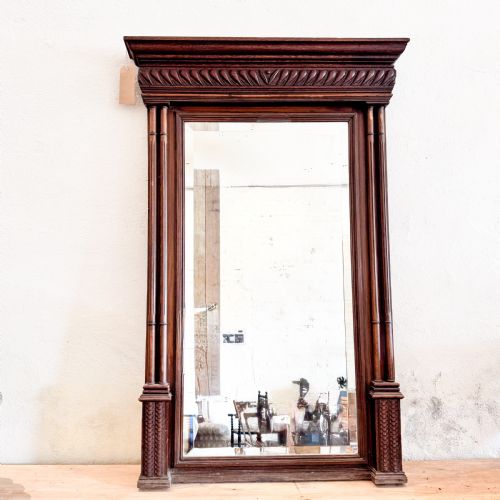
- Pier mirror
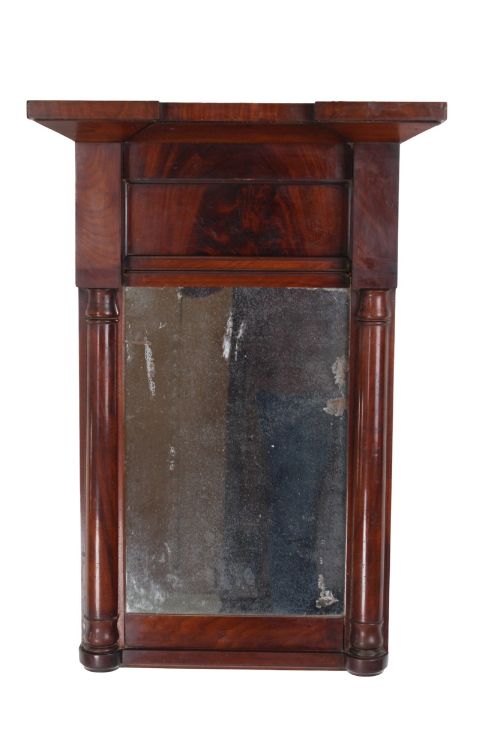
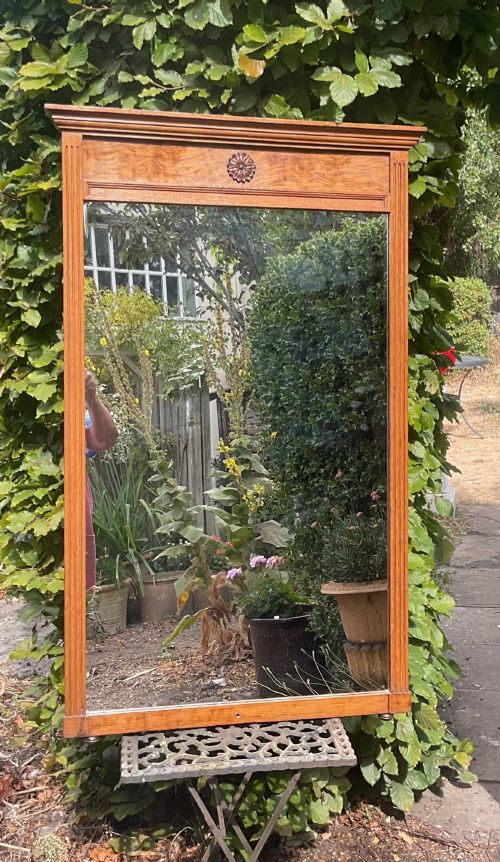
- A tall, narrow mirror designed to hang on the wall space between windows. These mirrors often incorporate carved wood, gesso and gilt finishes from the Regency and Victorian eras.
Vintage Architectural Glass: Frequently Asked Questions
How do I hang heavy stained glass panels safely?
Support stained glass panels by their structural lead or metal frames rather than the glass itself, utilising weight-rated chain or hooks secured directly into wall studs.
For window installations, fit the panel securely within a rebated wooden frame or hanging bracket that evenly distributes the total weight.
Were these glass panels meant for interior or exterior use?
Many surviving pieces functioned as exterior windows, shopfront panels, or entrance doors exposed to the elements.
Others served as internal partition windows, transoms, or decorative mirrors designed specifically for protected indoor environments.
How do I clean antique leaded glass without damage?
Clean leaded glass gently using a soft cloth and mild, pH-neutral soapy water, avoiding harsh chemical cleaners that can degrade aged lead and paint.
Keep moisture away from soldered joints and dried putty to prevent corrosion and loosening of the individual glass segments.