



Multicoloured Glass Panel
A multicoloured glass panel brings striking colour and architectural presence into a room through hand-painted scenes and leaded segments.
Multicoloured Glass Panel
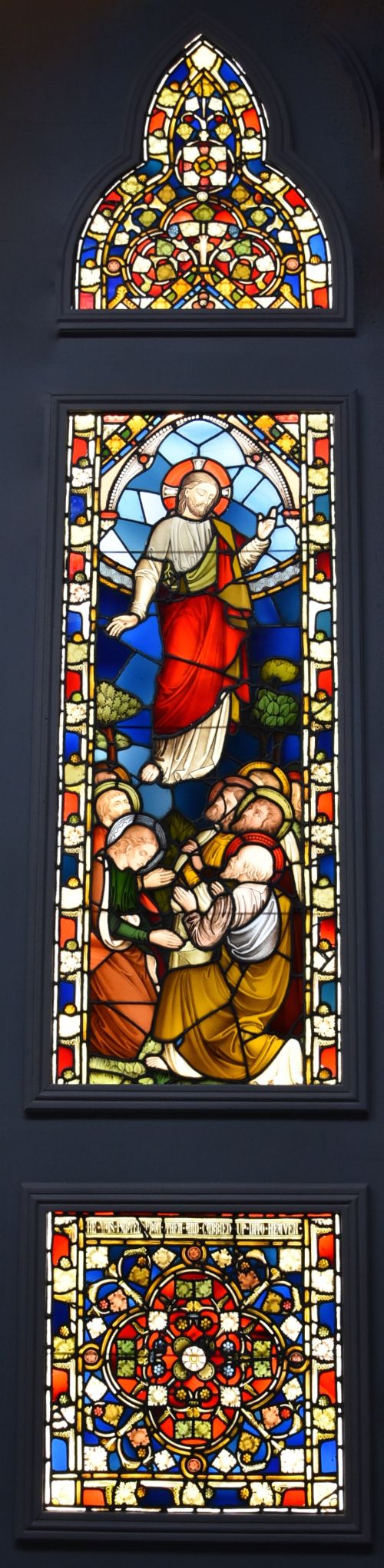
When you search for a multicoloured glass panel, you encounter striking architectural salvage and decorative fragments designed to capture and filter natural light. These pieces span from the mid-nineteenth century through the early twentieth century, taking the form of leaded windows, triptychs, and architectural glass segments.
The versions you are most likely to meet on this page include nineteenth-century stained glass windows featuring hand-painted countryside scenes, knights in armour, and avian motifs. Alongside these architectural works, the selection encompasses domestic panels from nineteen-twenty and ecclesiastical designs rooted in the Gothic Revival tradition.
The materials and styles reflect significant periods of design history, including Victorian, Edwardian, and Arts and Crafts movements. Whether integrated into an interior wall or hung as a standalone artwork, each multicoloured glass panel relies on daylight to reveal its full chromatic range.
Materials and construction
The primary construction of these panels relies on shaped pieces of glass held together by lead cames, forming robust geometric or pictorial matrices. Artisans applied hand-painted details directly onto the glass surface before firing, allowing pigments to bond permanently with the material.
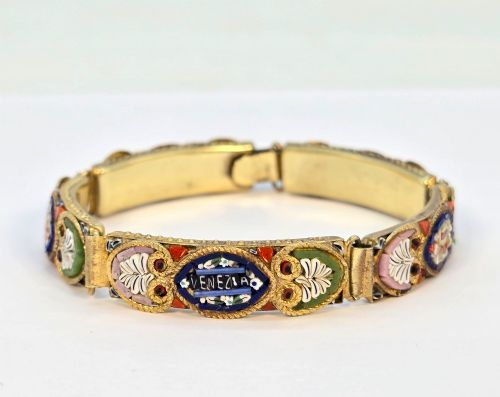
Support structures often incorporate timber frames, such as pine wood, alongside gilt metal elements found in related decorative objects like micro mosaic bracelets. The combination of lead, glass, and timber provides both the structural rigidity and the aesthetic framework required for large architectural installations.
Multicoloured Glass Panel Retail Price Guide 2026
Typical asking prices for multicoloured glass panel among the pieces listed under this phrase on Sellingantiques today, from the lower quarter to the upper quarter. They describe what is for sale here now, not the wider market.
Design styles represented across the inventory include Gothic Revival, Arts and Crafts, and Victorian Grand Tour.
Evaluating quality and execution
The distinction between ordinary and exceptional examples rests in the ambition of the hand-painted imagery and the complexity of the glass selection. Panels featuring intricate figurative work, such as historical figures or detailed pastoral scenes, demand a higher level of draughtsmanship than purely geometric leaded designs.
The integrity of the lead network and the preservation of the original painted surface determine the structural and visual success of the panel. Superior pieces maintain their original leading without extensive modern intervention, allowing the interplay of coloured glass tesserae and painted tones to function as the maker originally intended.
The Multicoloured Glass Panel Glossary
- Stained glass
- Glass that has been coloured by the addition of metallic salts during its manufacture, or painted and fired in a kiln. This material forms the primary medium for architectural panels and pictorial windows.
- Lead came
- A slender rod of cast lead with a grooved channel on either side, used to hold individual pieces of glass together in a window. The flexible nature of lead allows makers to construct complex linear patterns.
- Glass tesserae
- Small individual cubes or pieces of coloured glass used in mosaic work. They create intricate surface patterns when set into a solid bed.
- Gothic Revival
- An architectural and decorative style spanning the nineteenth century that drew inspiration from medieval forms. It heavily influenced ecclesiastical and domestic stained glass design.
Multicoloured Glass Panel: Frequently Asked Questions
How do I hang a heavy glass panel?
Large architectural panels require substantial structural support rather than standard picture hooks. Secure steel brackets or hanging chains fixed directly into wall studs provide the necessary load-bearing capacity.
Positioning the panel in front of a natural light source or a backlit lightbox ensures the colours and painted details remain visible indoors.
Are these windows suitable for exterior installation?
Most antique panels were originally built for specific interior or architectural settings and may lack modern weatherproofing. Re-leading or protective secondary glazing is often necessary if exposure to the elements is intended.
Consulting a professional glazier helps determine whether a specific panel can withstand external wind pressure and temperature fluctuations.
How should I clean a painted glass panel?
Dust the surface gently with a soft, dry cloth to remove loose debris without disturbing fragile painted details. Avoid harsh chemical cleaners or abrasive scouring pads that can damage historic pigments and lead cames.
If moisture is required, use a damp microfibre cloth with mild soap, drying the lead and glass thoroughly afterwards.
How do I date a stained glass window?
Dating relies on stylistic clues, including the costume of depicted figures, the lettering style, and the manufacturing characteristics of the glass and lead. Victorian and Edwardian examples often display distinct aesthetic traits associated with the Arts and Crafts movement or Gothic Revival.
Comparing the leading techniques and paint application with documented examples from the nineteenth and early twentieth centuries clarifies the period of origin.