


Antique Stained Glass Light
An antique stained glass light brings rich colour and historic illumination into a room, making it a focal point for any interior scheme.
Antique Stained Glass Light
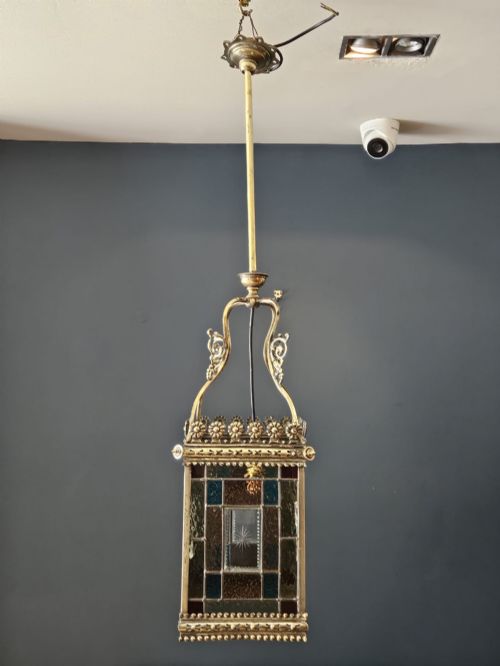
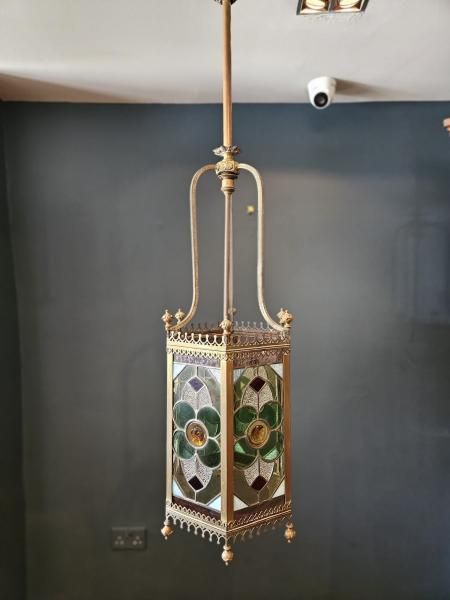
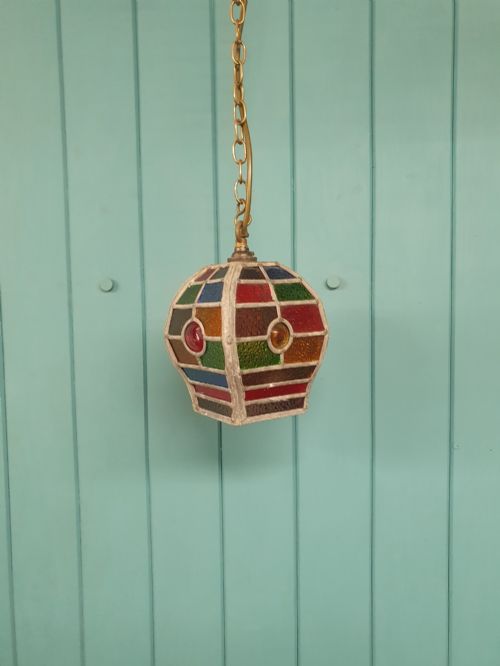
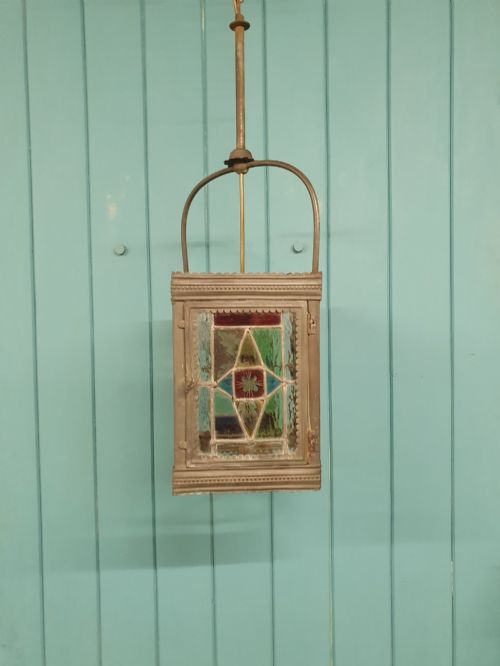
When you search for an antique stained glass light, you encounter a selection of hanging lanterns, pendant lamps, table lamps and ceiling lights dating from the nineteenth and early twentieth centuries. These pieces combine functional illumination with decorative glass panels set in lead, brass or timber frameworks.
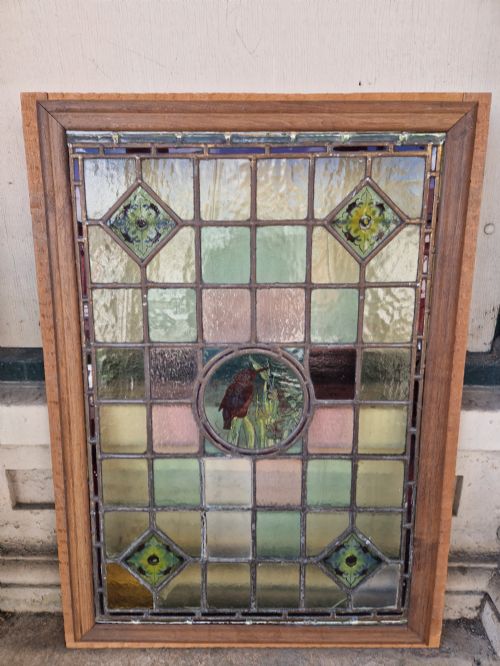
The assortment on this page draws heavily from Victorian, Edwardian, Arts and Crafts and Art Nouveau periods, alongside Gothic Revival influences. Many examples incorporate architectural panels or transformed windows adapted for ceiling or table suspension.
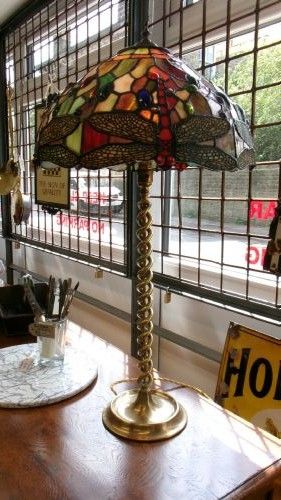
You also find specialised fixtures such as tall brass open twist table lamps paired with coloured shades, alongside bracketed lanterns designed for halls and porches.
Materials and construction methods
The primary structural elements rely on lead came, brass framing and turned timber, such as oak, which securely hold individual pieces of coloured or hand-painted glass. Artisans soldered the lead joints meticulously to form rigid geometric or pictorial patterns, accommodating motifs like birds, flowers and pastoral scenes.
Shades and panels often incorporate specialised techniques including hand painting, etching and the integration of amber bullseyes. Metals like bronze and brass undergo casting and twisting to form the structural bodies and hanging mounts of lamps and lanterns.
Keep an eye out for hand-painted ducks and farmyard scenes peering out from the glass.
What determines quality
Quality rests upon the complexity of the glasswork, the precision of the lead caming, and the integrity of the metal or wooden framework. Hand-painted pictorial details, such as countryside scenes or birds in flight, indicate a higher level of artisan skill compared to plain coloured panes.
The robustness of the mounting hardware and the retention of original patination on brass, bronze and oak components further distinguish finer examples. Cohesion between the period style - whether Art Nouveau, Gothic Revival or Arts and Crafts - and the execution of the shade defines the standing of each piece.
Tiffany Studios NYC
The Antique Stained Glass Light Glossary
- Lead came
- The grooved lead strips used to hold pieces of glass together in a window or light shade. These flexible channels are soldered at the joints to create a stable network.
- Bullseye
- A small, circular centre piece of glass formed during the glassblowing process. They often appear as raised discs within panels to add texture and catch the light.
- Art Nouveau
- A stylistic movement prevalent around the turn of the twentieth century. It is characterised by fluid, organic lines and motifs inspired by nature.
- Arts and Crafts
- A design philosophy emphasising traditional craftsmanship and simple forms. Pieces from this movement often display honest construction and hand-worked materials.
- Gothic Revival
- An architectural and decorative style drawing on medieval ecclesiastical designs. It frequently manifests in pointed arches, heavy leadwork and religious motifs.
Antique Stained Glass Light: Frequently Asked Questions
How do I hang a heavy leaded glass pendant?
Hanging a heavy leaded glass pendant requires securing the mounting bracket directly into ceiling joists or using heavy-duty toggle bolts. The weight of the lead and glass demands robust hardware rather than standard plaster fixings.
Consult a qualified electrician to ensure the wiring can support the fixture safely while matching the drop height to your ceiling proportions.
Can I use modern bulbs in these lamps?
Modern low-wattage LED bulbs work well inside antique glass shades because they emit minimal heat. This protects old solder joints and fragile hand-painted surfaces from thermal damage.
Check the lamp holder for compatibility and ensure the wattage does not exceed the historic rating of the fitting.
How do I clean stained glass safely?
Clean stained glass gently using a soft, lint-free cloth dampened with warm water and a mild, pH-neutral soap. Avoid harsh chemical cleaners or abrasive pads that can damage painted details and corrode old lead work.
Dry the metal framework thoroughly afterwards to prevent moisture retention and oxidation.
What period do most of these lights belong to?
The pieces span the late nineteenth century through to the early twentieth century, taking in the Victorian, Edwardian and Art Nouveau eras. Stylistic clues such as brass twist columns or Gothic arches help narrow down the specific decade of manufacture.
Architectural salvage items often date from this same window when stained glass was prevalent in domestic and public buildings.