
Vintage Animal Sculpture
These vintage animal sculpture pieces bring the natural world indoors through metals, woods, and ceramics shaped across the nineteenth and twentieth centuries.

Vintage Animal Sculpture
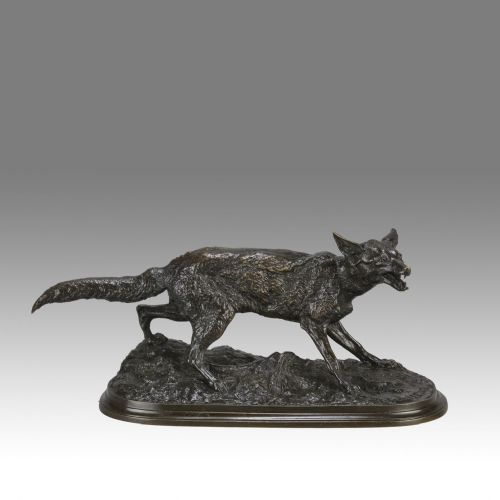
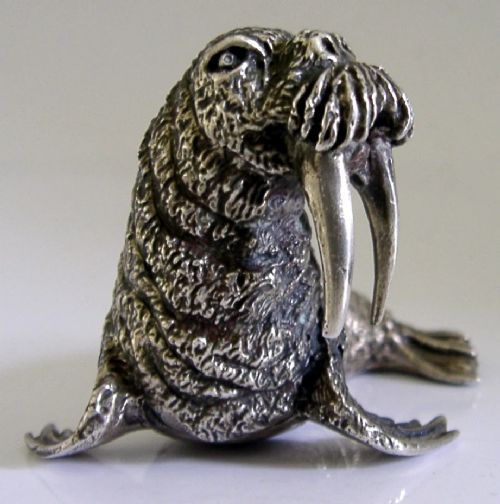
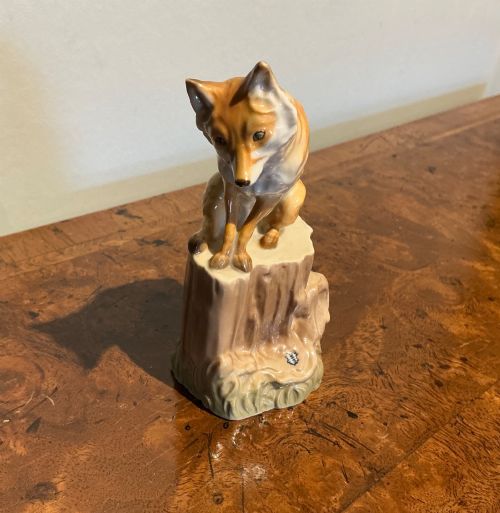
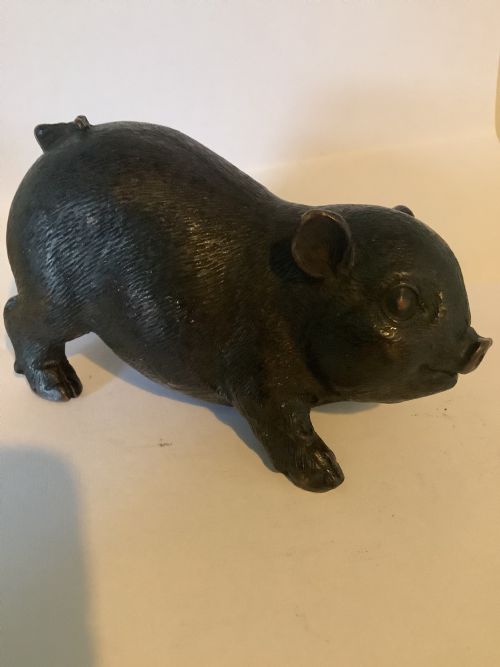
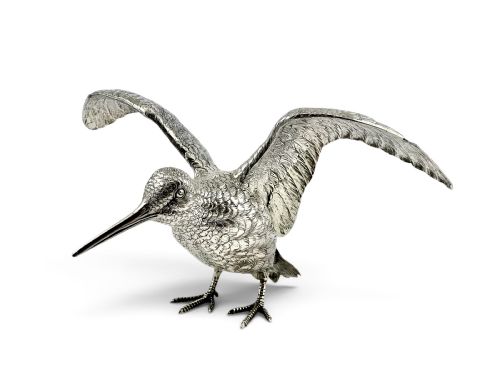
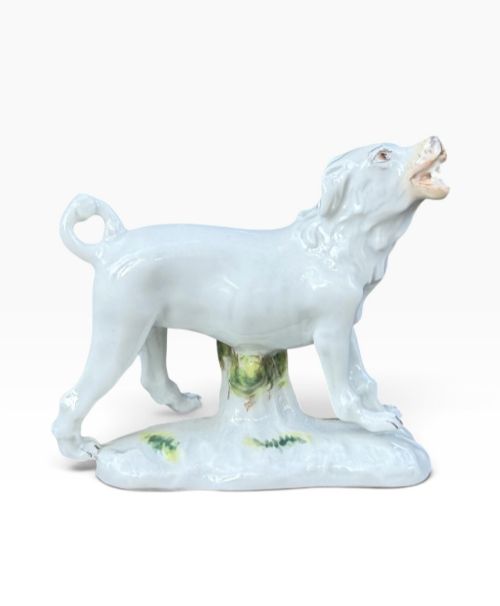
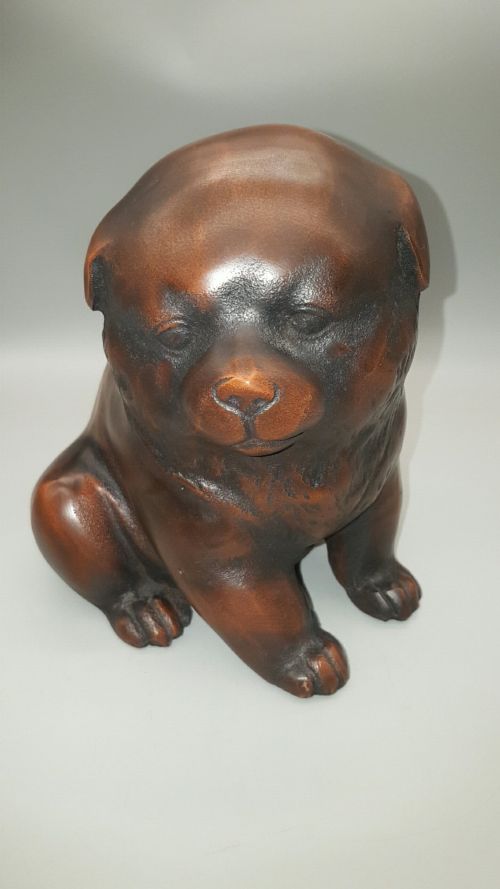
When you search for vintage animal sculpture, you encounter figures ranging from nineteenth-century bronze predators to mid-century silver birds and carved wooden bears. These works capture creatures with varied detail, from functional bookends to monumental tabletop ornaments.
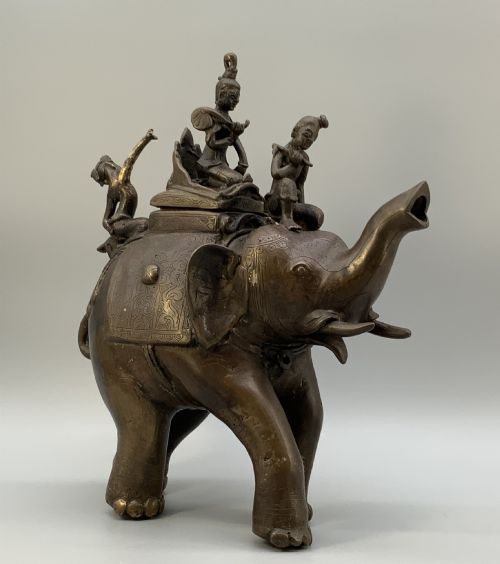
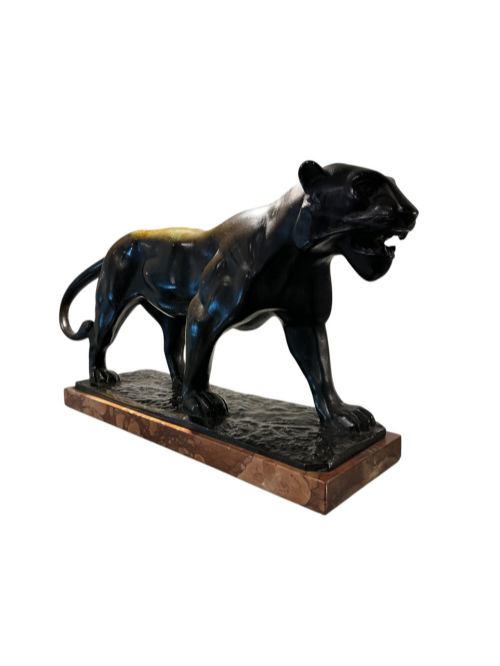
You meet realistic studies of stags, elephants, and dogs alongside stylised Art Deco panthers mounted on marble plinths. The selections span diverse origins, including European workshops, Japanese carvers, and English silver foundries.
Domestic species and wild fauna appear in equal measure, cast in metal or carved from linden wood and stone. Each piece reflects the aesthetic of its period, whether Victorian naturalism or mid-century restraint.
How they were made
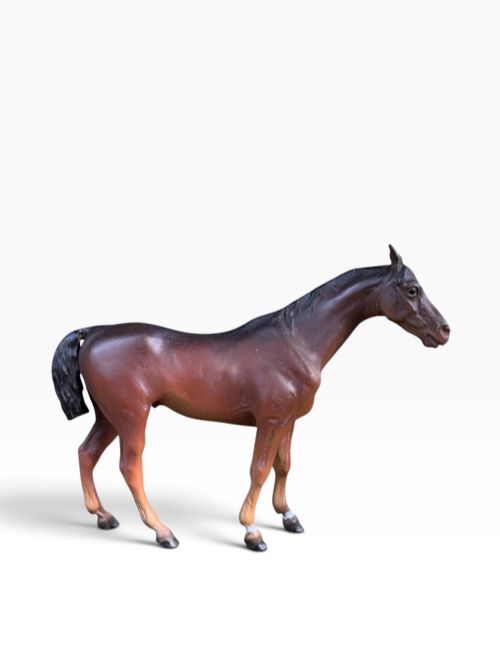
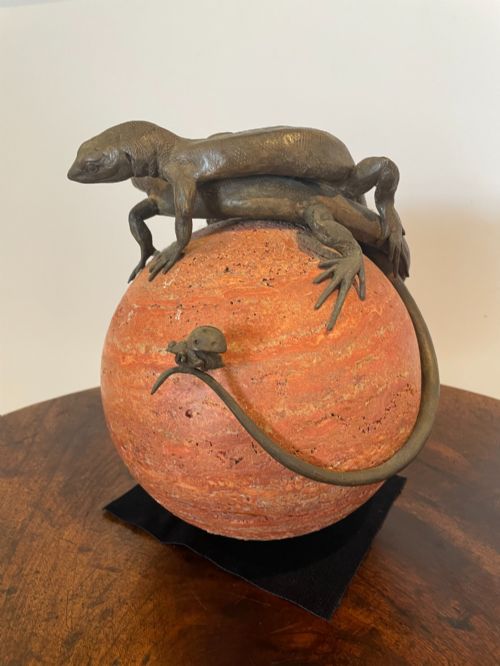
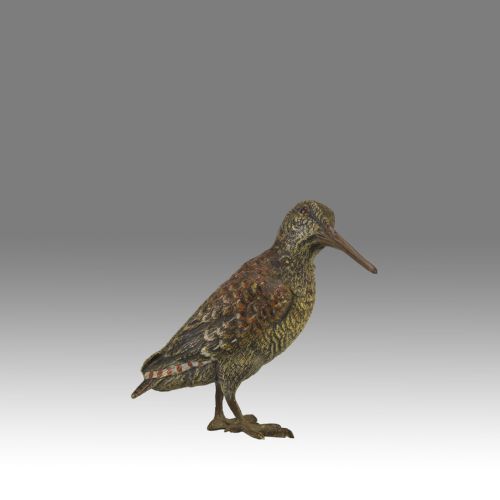
Foundries produced bronze and silver figures using casting methods that captured musculature and feather texture before applying hand-finishing or cold-painted pigments. Metal works frequently sit upon integrated bases of marble or onyx.
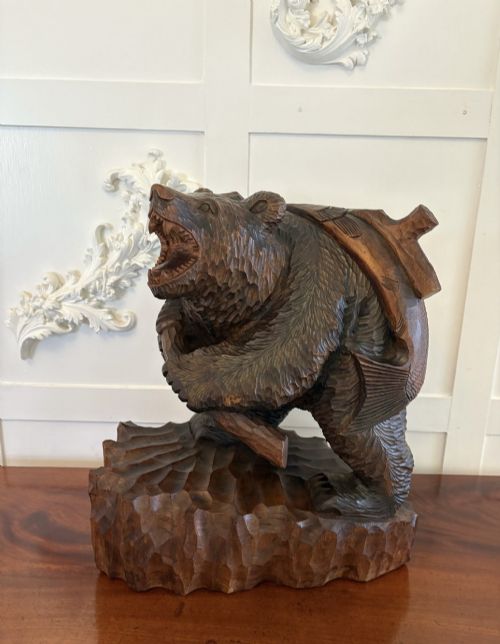
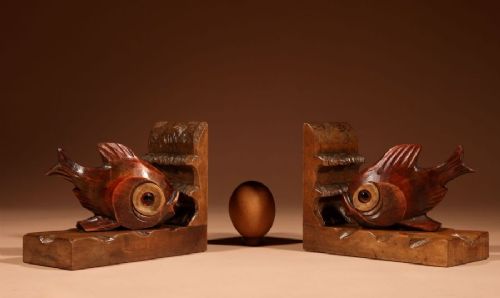
Carvers utilised linden wood and other timbers to create detailed bears and bookends, often employing traditional regional techniques. Terracotta and porcelain models relied on skilled moulding, glazing, and firing processes to fix form and surface colour.
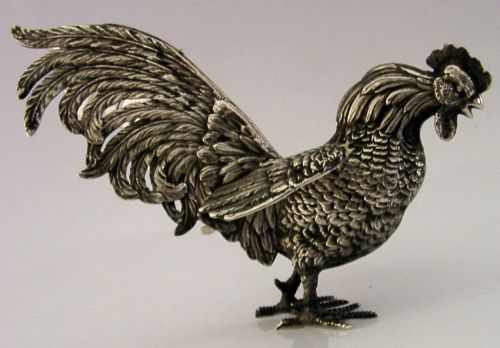
Solid silver chickens and linden wood bears stand ready to guard bookshelves and tabletops.
What varies in quality
Anatomical conviction and surface chasing separate superior metal casts from repetitive commercial production, particularly in Animalier works where musculature and movement require precise observation. The crispness of cold-painted colour or the depth of hand-carved wood grain dictates the distinction between standard items and masterworks.
The integration of materials also defines the tier of a piece, such as a bronze figure secured properly to a heavy marble plinth or a silver animal bearing clear hallmarks. Original patination intact on bronze or wood preserves the integrity valued by collectors.
P J Mêne·Franz Bergman·Christophe Fratin·Antoine Louis Barye·Alexandre Ouline·Kunio Itô·Tsunemitsu
The Vintage Animal Sculpture Glossary
- Animalier
- A nineteenth-century artistic movement focused on the realistic depiction of animals, particularly predators and domestic beasts. Practitioners rendered these subjects with close attention to anatomy and motion.
- Cold-painted bronze
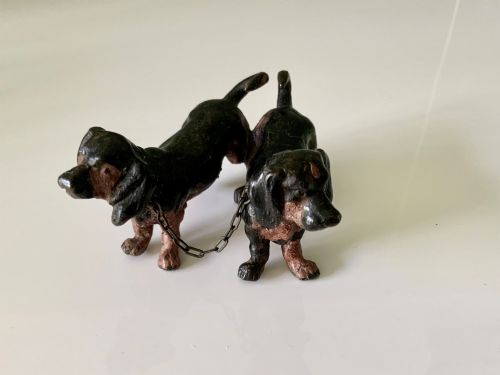
- A technique where bronze figures receive paint layers that are not subjected to high-temperature firing. This method was widely used in Austrian workshops to create vivid bird and mammal models.
- Vienna Bronze
- Small, highly detailed bronze sculptures produced in Austrian workshops during the late nineteenth and early twentieth centuries. These figures often depicted wildlife, domestic pets, and human figures in humorous scenarios.
- Black Forest wood carving
- Carved wooden objects, notably bears and botanical bookends, produced in the Swiss and German mountain regions. These pieces utilised local linden wood and deep surface staining.
- Patina
- The surface sheen or colour alteration acquired by bronze, wood, or silver through age and handling. This layer indicates the natural ageing process of the material.
Vintage Animal Sculpture: Frequently Asked Questions
What is an Animalier sculpture?
An Animalier sculpture is a nineteenth-century work focused specifically on the lifelike portrayal of animals in action or repose. These pieces highlight the natural behaviour and physical power of wildlife.
Artists in this tradition studied anatomy closely, ensuring that muscle tension and bone structure appeared accurate in bronze.
How do I care for bronze animals?
Bronze animal sculptures require minimal maintenance, needing only gentle dusting with a soft cloth to protect the surface patina. Avoid liquid cleaners or polishes that strip the historic finish.
Keep the pieces away from damp environments and direct sunlight to preserve the original colour and condition of the metal.
What are Vienna bronzes?
Vienna bronzes are small, intricately cast metal figures produced in Austrian workshops during the Victorian and Edwardian eras. They are known for their cold-painted surfaces and realistic detailing.
Many of these figures depict birds, dogs, and wildlife, often serving as decorative ornaments or practical desk accessories.