






Gold Brass Statue
These gold brass statue pieces bring sculptural presence to a room, combining rich metallic lustre with enduring historical form.
Gold Brass Statue
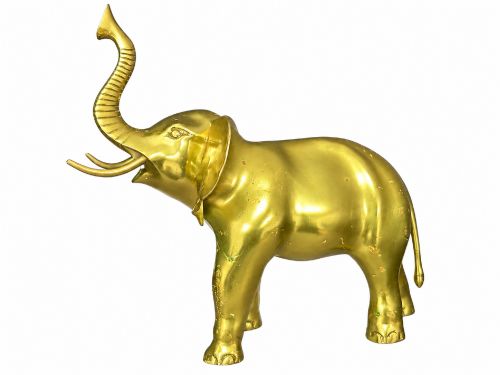
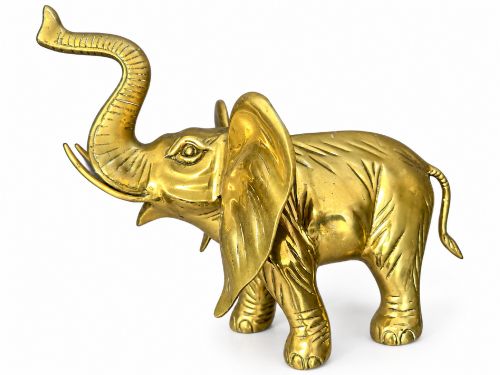
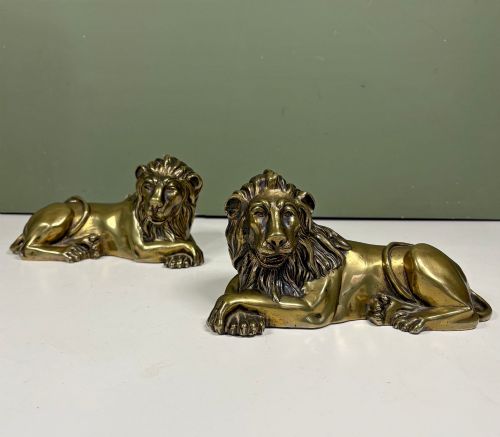
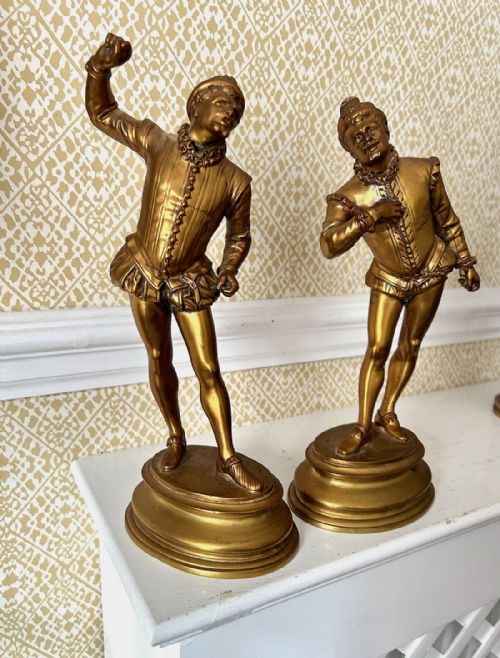
A gold brass statue encompasses a wide array of figural works, ranging from animal sculptures and classical figures to religious deities and decorative ornaments. When exploring this selection, buyers frequently encounter pieces originating from various traditions, including Indian elephant sculptures, Chinese bronze figures, and European grand tour souvenirs.
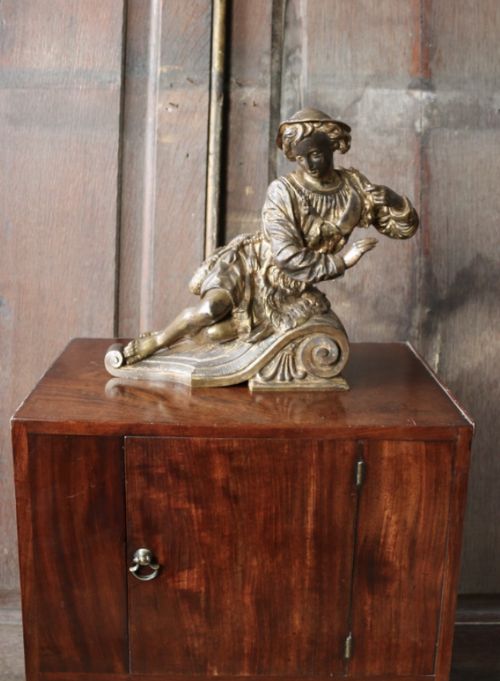
The objects span multiple eras, extending from eighteenth-century statuettes and nineteenth-century animal figures to Art Deco dancers and mid-century designs. Formats vary from substantial chimney ornaments and table lamps to smaller scroll weights and inkstands, reflecting diverse domestic and decorative functions across centuries.
Materials and construction
Makers utilised metals such as brass, cast brass, bronze, and spelter, often applying gilding or gilt finishes to achieve a golden surface appearance. Many items incorporate supportive elements of marble, wood, or stone plinths to ground the metal figures.
Gold Brass Statue Retail Price Guide 2026
Typical asking prices for gold brass statue among the pieces listed under this phrase on Sellingantiques today, from the lower quarter to the upper quarter. They describe what is for sale here now, not the wider market.
A golden toad sits ready to guard imaginary wealth, while bronze ducks and monkeys patiently hold down your papers.
Assessing craftsmanship and execution
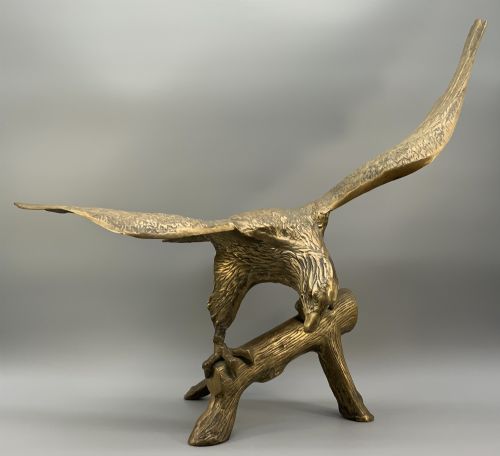
The distinction between tiers rests upon the crispness of the casting and the sensitivity of the finishing work. Superior examples display clean lines, well-defined musculature or feather texture, and careful smoothing of seams.
The application of gilding and the weight of the metal further differentiate standard production from finer works. Heavier castings and deeply bonded gold finishes retain their visual impact over time.
Josef Lorenzl·Emile-Coriolan Guillemin
The Gold Brass Statue Glossary
- Gilt bronze
- Metal alloy coated with a thin layer of gold or gold-coloured wash. This technique provides the rich appearance seen in many nineteenth-century French and Asian decorative figures.
- Spelter
- A zinc-based alloy frequently used as a cost-effective alternative to bronze during the nineteenth and early twentieth centuries. It often received a bronze-like or gilt coating to mimic more expensive metalwork.
- Grand tour
- A cultural journey undertaken by wealthy Europeans in the eighteenth and nineteenth centuries, producing demand for small classical statues and souvenirs modelled after ancient antiquities.
- Chimney ornament
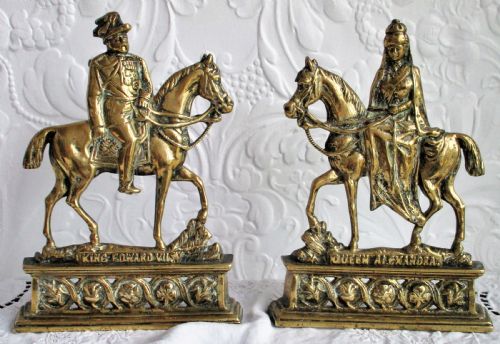
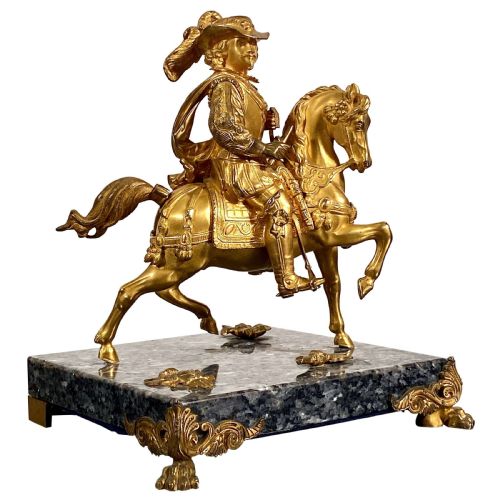
- A decorative object designed to sit on a mantelpiece or shelf. These figures often commemorated contemporary political figures or displayed popular animal subjects.
- Ormolu
- Finely ground high-carat gold applied to a bronze base using a mercury amalgamation process. The method creates a distinctive deep golden lustre characteristic of luxury European decorative arts.
Gold Brass Statue: Frequently Asked Questions
How do I clean a gold brass statue?
Dust the surface gently with a soft, dry brush to prevent accumulation in crevices. Avoid harsh chemical cleaners or abrasive cloths that can strip away the delicate gilt or bronze surface layers.
For heavier maintenance, consult a professional conservator rather than attempting aggressive polishing. Many older surfaces rely on their natural patination for historical depth.
Are these statues solid brass or plated?
The pieces utilise a mixture of solid cast metals, including brass, bronze, and spelter, alongside various applied surface treatments. Plating and gilding techniques were common practice to impart a rich golden finish without requiring solid gold construction.
Weight often serves as a helpful indicator of density, distinguishing heavier bronze and cast brass items from lighter spelter alternatives.
How do I identify the period of a statue?
Stylistic clues such as Art Deco geometric lines, Victorian ornamentation, or neoclassical drapery provide the initial timeframe. Examining the casting technique, base materials, and any inherent wear patterns helps narrow down the production era.
Signatures, stamps, or specific regional iconographies also offer direct evidence regarding the origin and date of creation.
Where should I display these statues at home?
Place figures on sturdy surfaces like mantelpieces, sideboards, or dedicated display cabinets where they receive balanced ambient light. Ensure the location avoids direct, prolonged sunlight or excessive moisture to protect any marble bases and delicate finishes.
Pairing metal sculptures with contrasting textures like wood or fabric helps them stand out visually within a room.