
Vintage Anglo Indian Table
A vintage anglo indian table brings dense hand-carved detail and rich hardwoods into a room, offering both history and utility.

Vintage Anglo Indian Table
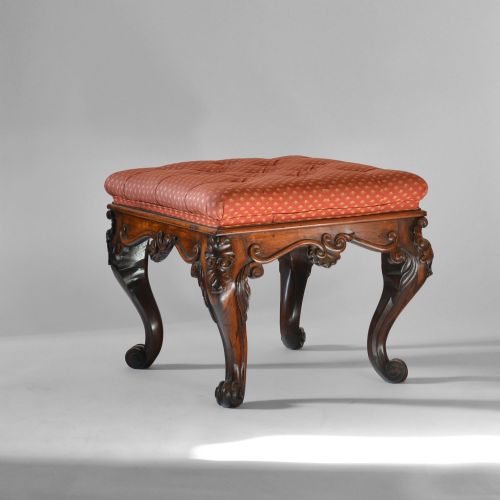
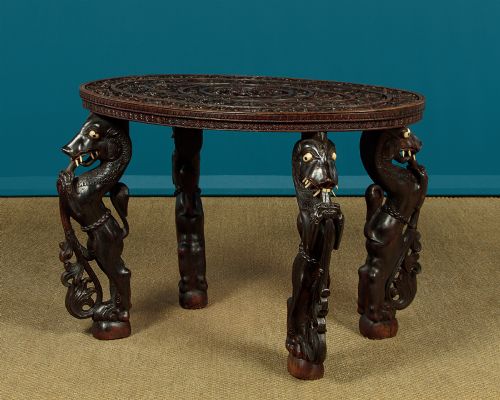
A vintage anglo indian table encompasses occasional tables, coffee tables, and side pieces originating from the colonial period, typically spanning the nineteenth and early twentieth centuries. These forms reflect a blend of traditional eastern craftsmanship and British domestic furniture requirements.
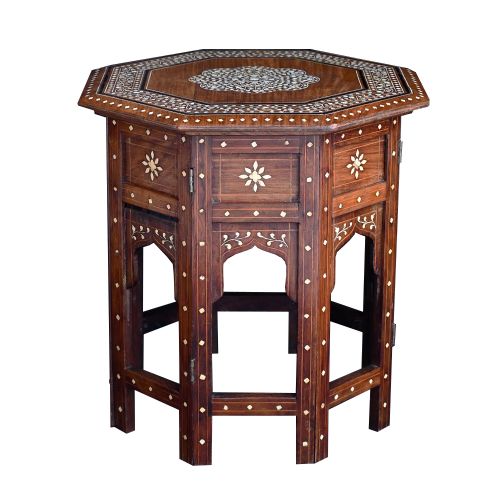
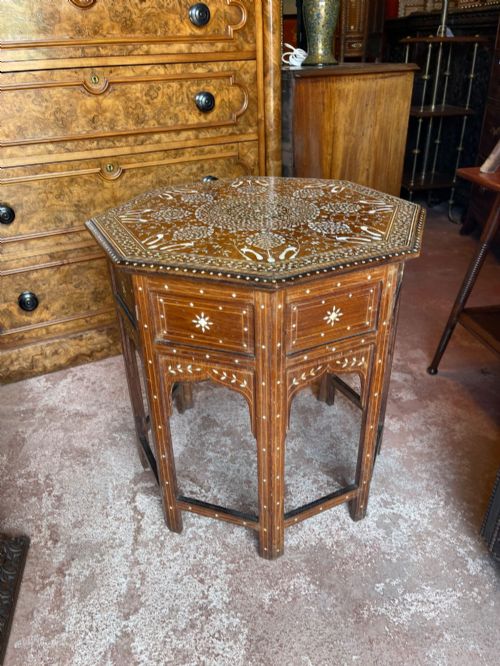
The selections on this page frequently include intricate occasional tables and folding designs originating from centres such as Hoshiarpur, alongside carved teak and rosewood surfaces. Buyers regularly encounter pieces featuring regional specialisms like Kashmiri painted motifs or Burmese carving alongside classic Anglo-Indian colonial styles.

Materials and construction
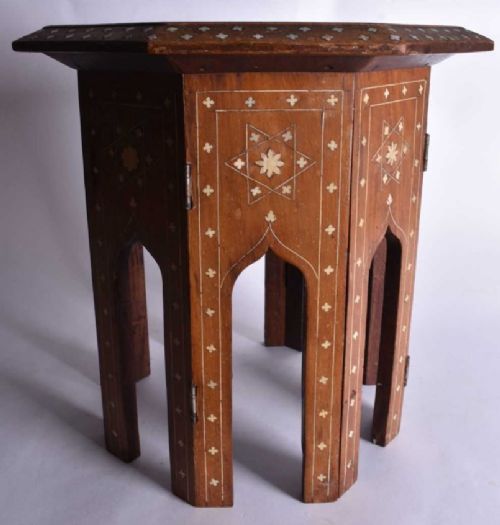
Construction relies heavily on dense timbers including teak, rosewood, padauk, and walnut, providing a robust foundation for intricate hand-carved decoration. Artisans shaped these heavy woods using traditional joinery combined with folding mechanisms on octagonal and Damascus tables.
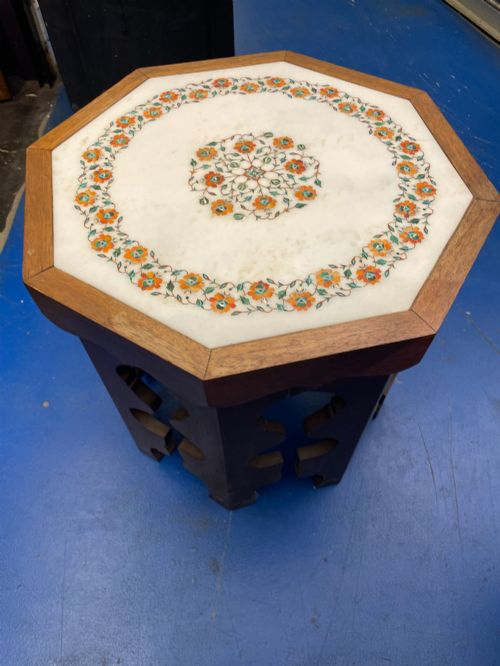
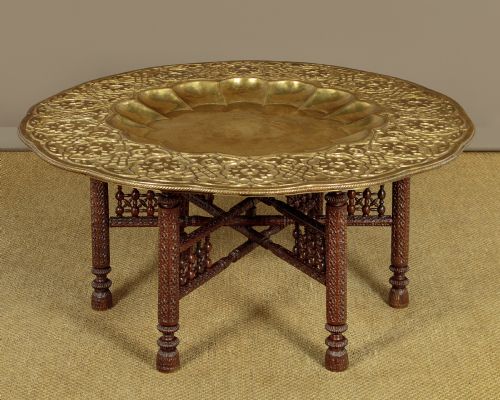
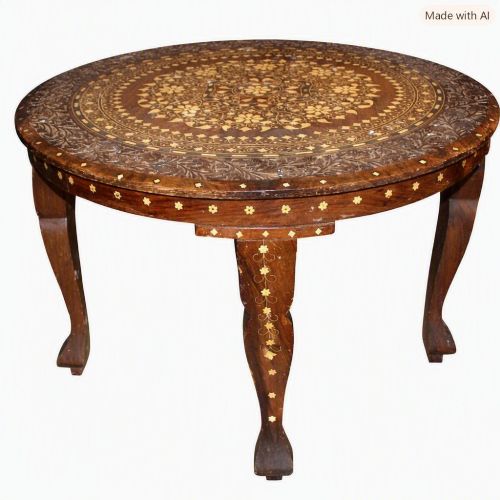
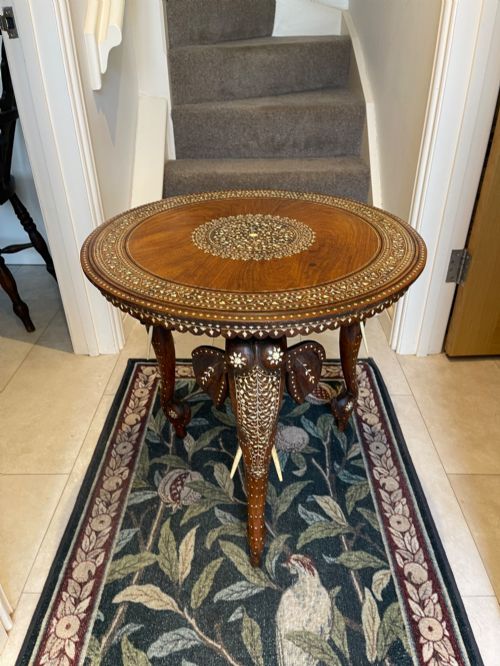
Surface ornamentation distinguishes the group through detailed bone inlay, mother-of-pearl work, and hand-painted lacquer techniques. Brass and marble elements appear frequently, integrating metalwork and stone tops with carved wooden bases.
Vintage Anglo Indian Table Retail Price Guide 2026
Typical asking prices for vintage anglo indian table among the pieces listed under this phrase on Sellingantiques today, from the lower quarter to the upper quarter. They describe what is for sale here now, not the wider market.
The listings show diverse materials including solid teak, rosewood, padauk, brass, and bone inlay across periods spanning the Victorian era to the 1930s.
Assessing craftsmanship and condition
Quality rests upon the depth and crispness of the hand-carving across the wooden surfaces, where sharper detail indicates superior artisan work. The precision of bone or mother-of-pearl inlay work also separates standard items from exceptional examples.
Structural integrity of folding frames and the preservation of original surface finishes dictate desirability. Pieces retaining unblemished inlay work and stable joints command greater appreciation among collectors.
Liberty and Co
The Vintage Anglo Indian Table Glossary
- Hoshiarpur
- A style of woodwork originating from Punjab, defined by dense geometric carvings and intricate bone inlay across folding and occasional tables.
- Padauk
- A heavy, durable reddish-brown tropical timber frequently utilised in nineteenth-century colonial furniture production.
- Octagonal top
- An eight-sided table surface commonly found on folding Damascus and Hoshiarpur occasional tables designed for easy storage.
- Campaign table
- Portable nineteenth-century furniture featuring folding or removable elements originally constructed for colonial travel.
- Inlay
- A decorative technique where contrasting materials such as bone, brass, or mother-of-pearl are embedded flush into the wooden surface.
Vintage Anglo Indian Table: Frequently Asked Questions
What is a vintage anglo indian table?
These items are decorative occasional, side, and coffee tables produced during the colonial era, blending traditional Indian carving techniques with British furniture forms. They utilise dense regional hardwoods and feature distinctive surface decoration.
Craftsmen in regions such as Hoshiarpur and Kashmir produced these pieces using local materials like teak, rosewood, and walnut. They serve as functional display surfaces with significant historical character.
How do I care for inlaid wood?
Maintenance requires keeping wooden surfaces away from direct heat sources and drastic humidity changes to protect delicate bone or mother-of-pearl inlay work. Regular dusting with a soft dry cloth preserves the finish.
Avoid commercial polishes containing harsh chemicals that might dislodge small inlay sections or damage the lacquer. Conditioning the timber occasionally helps maintain the health of the wood.
Are these tables sturdy enough for daily use?
Most examples are constructed from solid hardwoods like teak and padauk, making them robust enough for standard placement as occasional or side tables. Folding variants require careful handling of their hinges and joints.
Placing items gently on the surface prevents scratching the carved details or inlaid panels. Assessing the stability of the base ensures safe integration into a modern interior.
How do I identify a Hoshiarpur table?
Hoshiarpur tables are identified by their densely carved geometric and floral patterns covering every available surface of the timber. They frequently incorporate intricate bone inlay and often feature collapsible octagonal frames. Nativa workshops in this region perfected the folding mechanism to allow easy transport. The combination of overall carving and contrasting inlay marks the distinct style.