
Vintage Amethyst Jewellery
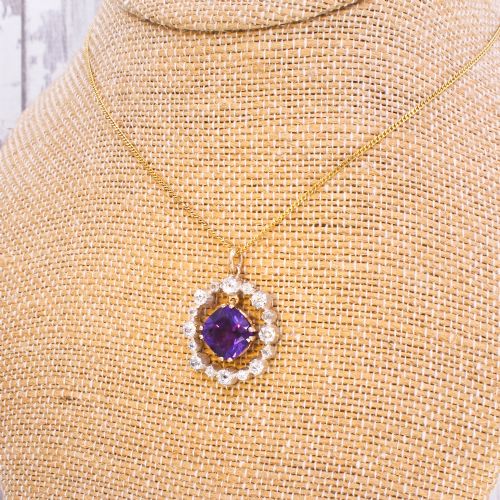
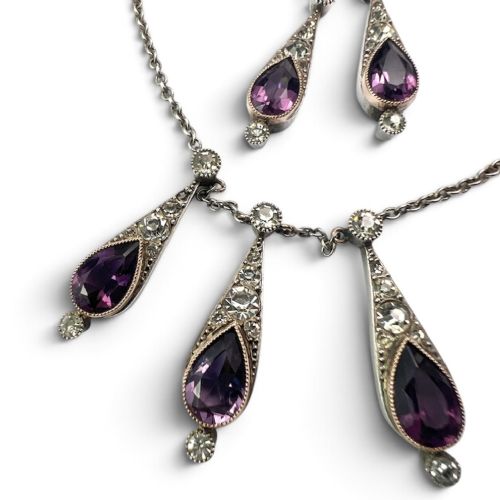
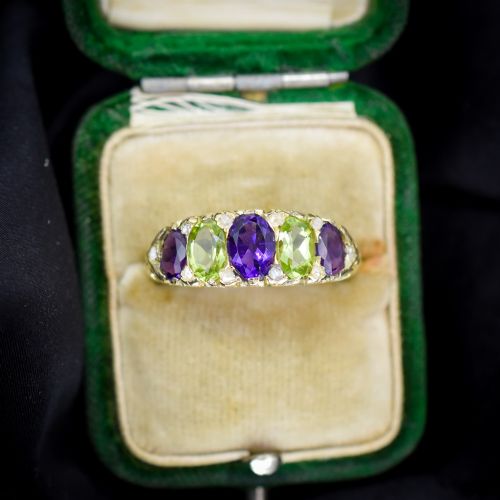
When you search for vintage amethyst jewellery, you enter a world of purple quartz set in gold and silver spanning the Edwardian era to the mid-century.

Vintage Amethyst Jewellery
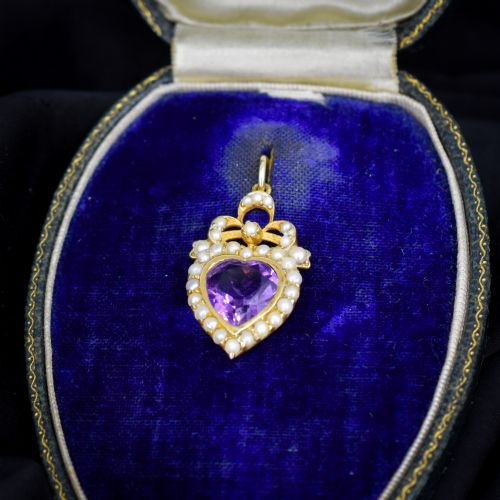
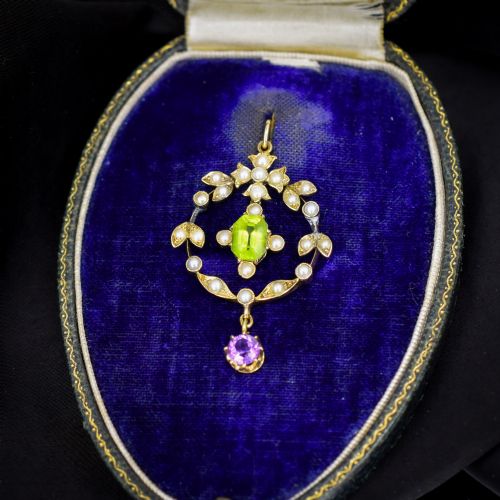
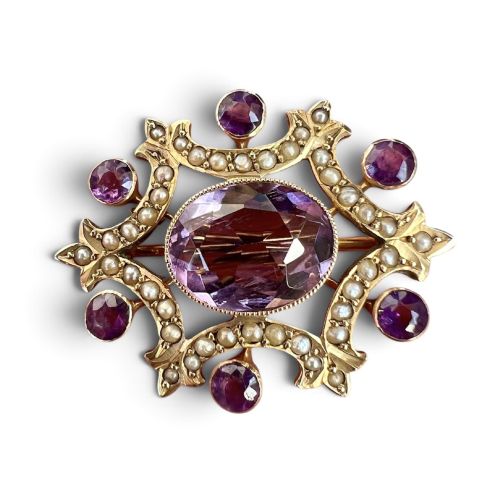
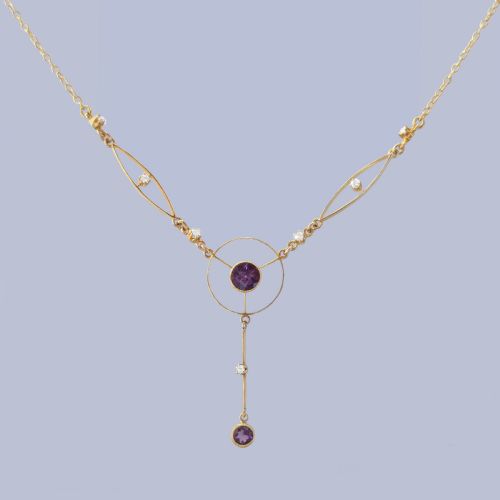
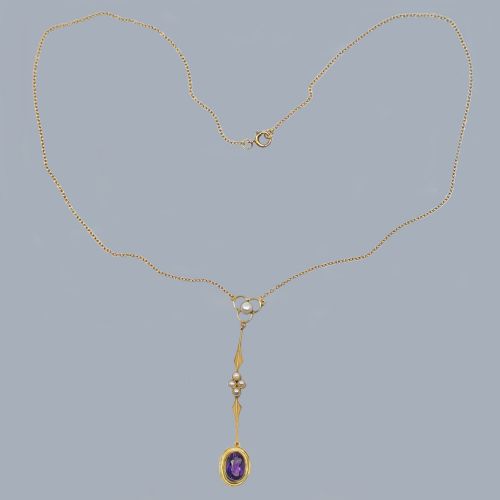
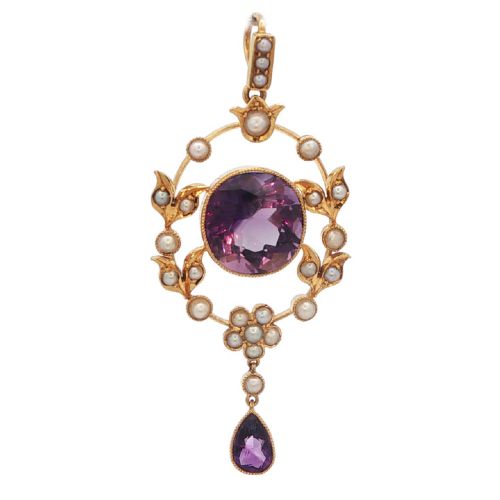
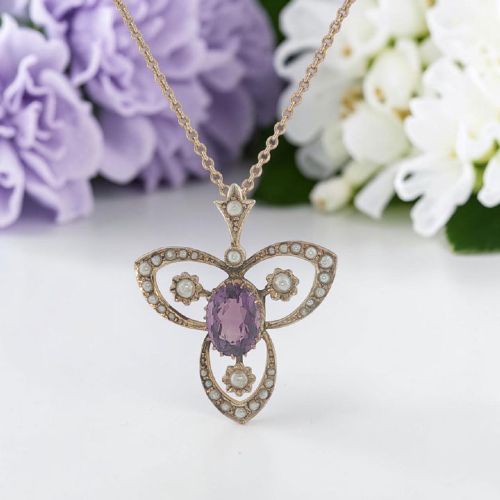
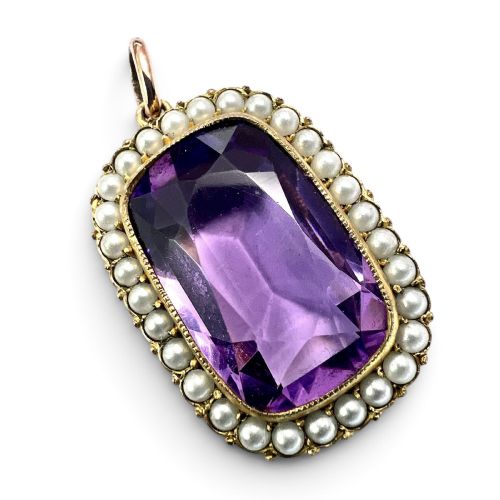
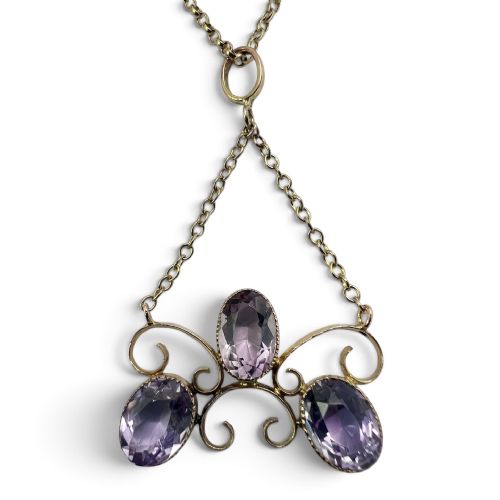
You will frequently encounter Edwardian lavaliers and pendants pairing purple stones with seed pearls in nine-carat or fifteen-carat yellow gold. Rings range from single-stone cocktail styles and clusters to three-stone arrangements set in gold or platinum.
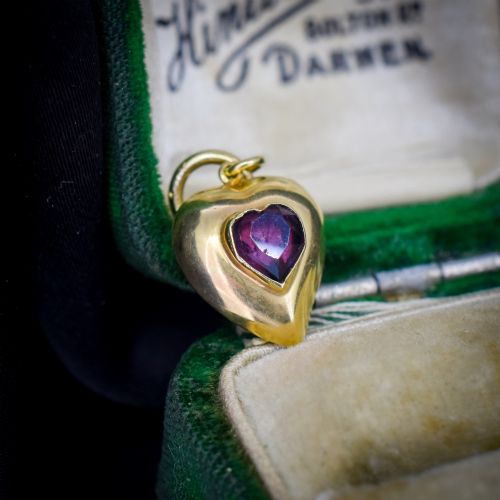
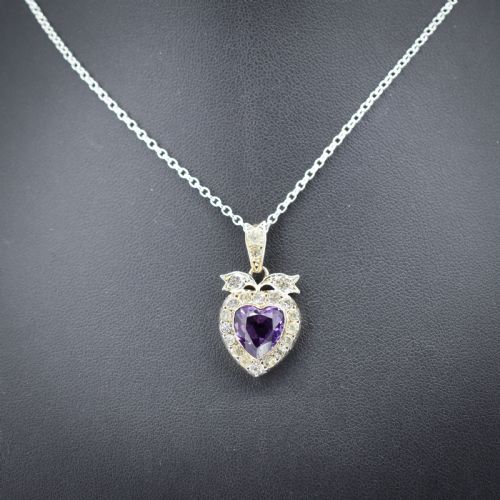
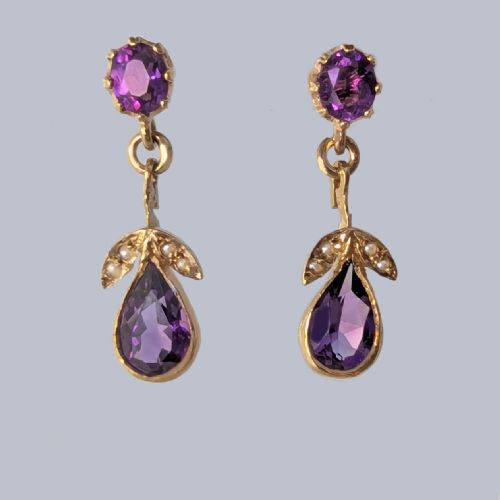
The assortment also includes silver and gold paste combinations, charm pendants, and drop earrings from various periods. These items reflect changing aesthetic movements, from organic Art Nouveau lines to geometric Art Deco shapes.
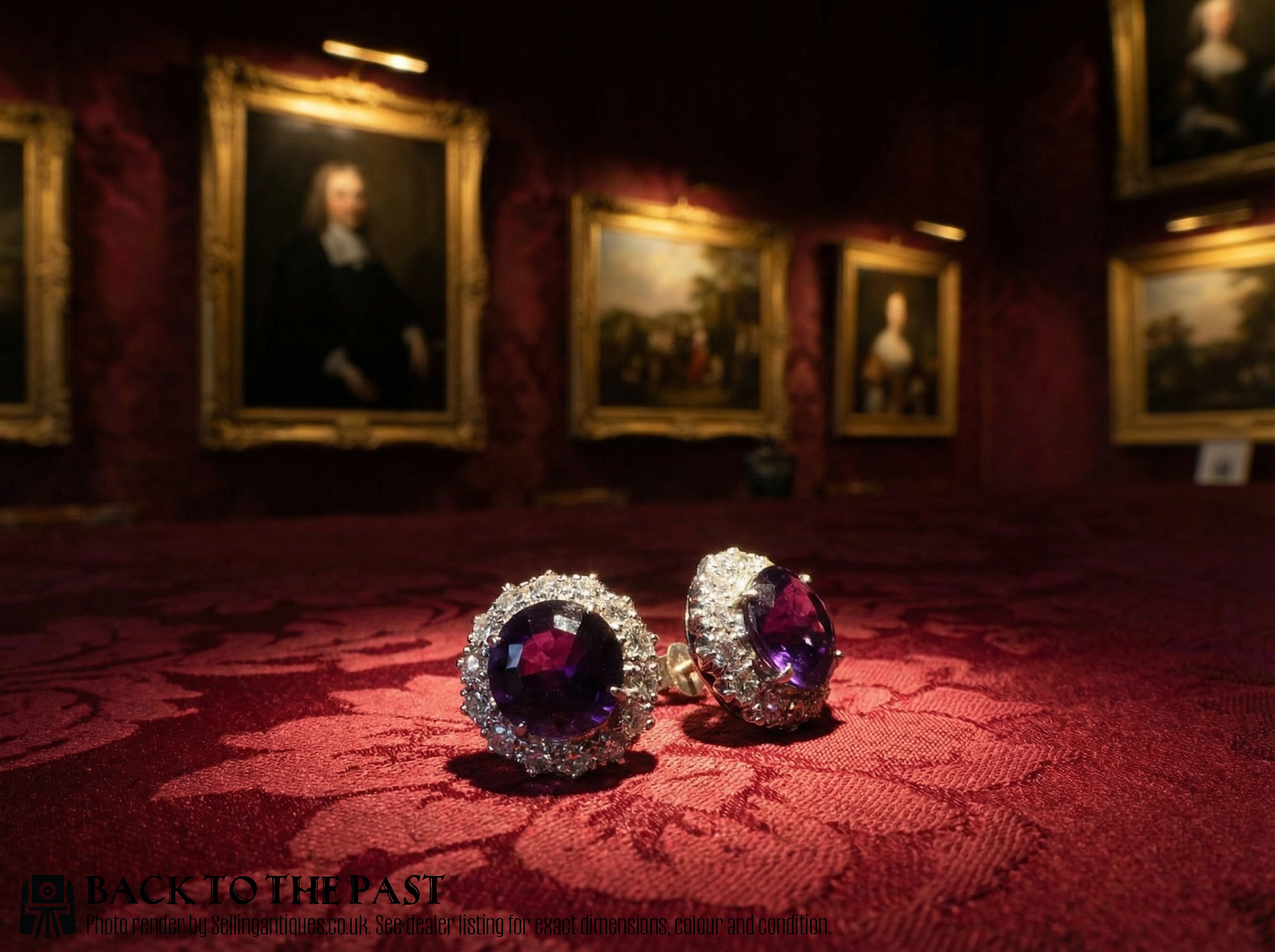
How they were made
Makers utilised gold alloys of nine, fifteen, and eighteen carats alongside silver, platinum, and occasionally gold on silver. Stones were hand-cut into facets, cabochons, pear shapes, or square profiles and secured in collet or claw settings.
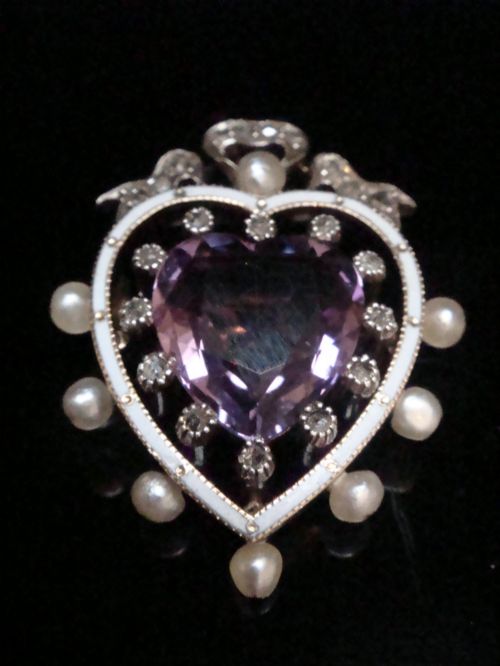
Seed pearls and diamonds frequently accompanied the central quartz crystals, especially in Edwardian and Victorian creations. Detail work included guilloche enamel, intricate wirework, and hollow or solid cast mounts.
Metal components often bear hallmarks indicating assay offices like Birmingham and Sheffield, alongside maker marks such as those for S. Blanckensee & Son.
Vintage Amethyst Jewellery Retail Price Guide 2026
Typical asking prices for vintage amethyst jewellery among the pieces listed under this phrase on Sellingantiques today, from the lower quarter to the upper quarter. They describe what is for sale here now, not the wider market.
An inquisitive insect fly charm pendant brings a touch of tiny winged wildlife to the purple quartz mix.
What varies in quality
The depth of purple saturation within the quartz and the clarity of the stone determine the visual impact of each piece. Heavier gold weights, such as substantial fifteen-carat or eighteen-carat mounts, indicate superior substance compared to lighter nine-carat settings.
Finishing techniques also separate standard items from finer works, visible in the precision of the claw settings and the uniformity of accompanying seed pearls or old-cut diamonds. Intricate detailing like guilloche enamel or hand-engraved scrollwork elevates the craftsmanship of individual jewels.
S. Blanckensee & Son
The Vintage Amethyst Jewellery Glossary
- Lavalier
- A pendant featuring a suspended drop stone, popular during the Edwardian period. These pieces often hang from fine gold chains.
- Seed pearl
- A very small, natural or cultured pearl used as an accent stone. They commonly border central amethyst stones in cluster designs.
- Guilloche enamel
- A decorative technique where precise patterns are machined into metal before translucent enamel is applied. This method appears on select Edwardian heart pendants.
- Paste
- Hand-cut glass or lead crystal used as a gemstone substitute. Antique paste jewellery replicates the sparkle of diamonds or coloured stones.
- Cabochon
- A gemstone shaped and polished with a smooth, convex surface rather than faceted. This cut highlights the inner depth of the quartz.
Vintage Amethyst Jewellery: Frequently Asked Questions
What periods are represented?
The selections span from the Georgian era through Victorian, Edwardian, Art Deco, and retro mid-century decades. Pieces range from the early nineteenth century up to the nineteen-seventies.
Most items cluster around the Edwardian period and the mid-century twentieth century. This timeline offers a wide spectrum of aesthetic shifts in how purple quartz was mounted.
How do I style these items?
Pendants and lavaliers work well suspended from fine chains against simple necklines. Rings can be worn alone as statement cocktail pieces or stacked with plain bands.
Matching sets of earrings and necklaces offer a coordinated look. Mixing gold tones and historical eras adds a personal touch to daily wear.
Are the pearls natural?
Edwardian and Victorian pieces frequently incorporate natural seed pearls alongside amethyst stones. These tiny pearls provide a soft, creamy contrast to the bright purple quartz.
Examination of the settings often reveals delicate bead-stringing or secure peg-settings holding each pearl in place.
What metals were used?
Makers most commonly worked with nine-carat, fifteen-carat, and eighteen-carat yellow gold. Silver, platinum, and gold-on-silver combinations also appear across various decades.
Heavier rings and substantial pendants often feature hallmark stamps confirming the metal purity and assay office origin.