
Yellow Gold Bangle
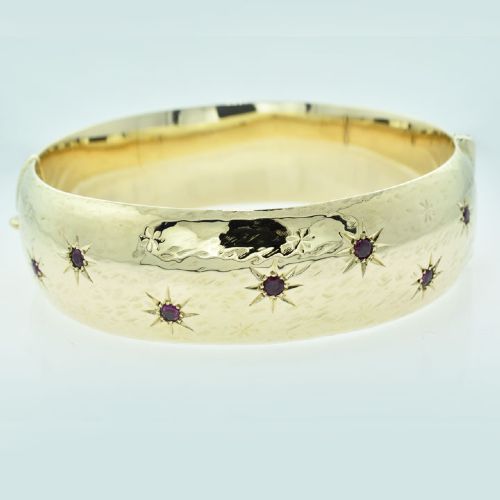
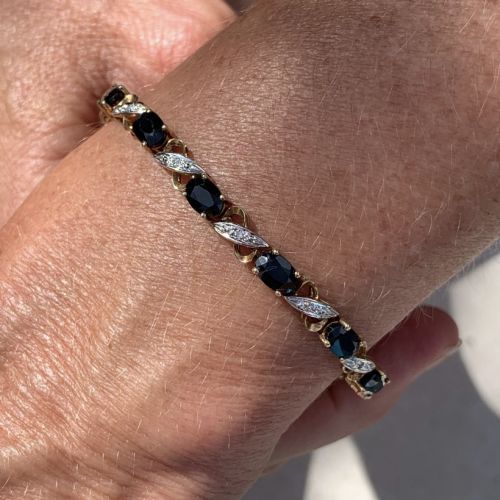
A yellow gold bangle delivers substantial weight and enduring warmth to the wrist, spanning Victorian opulence to mid-century modern lines.
Yellow Gold Bangle
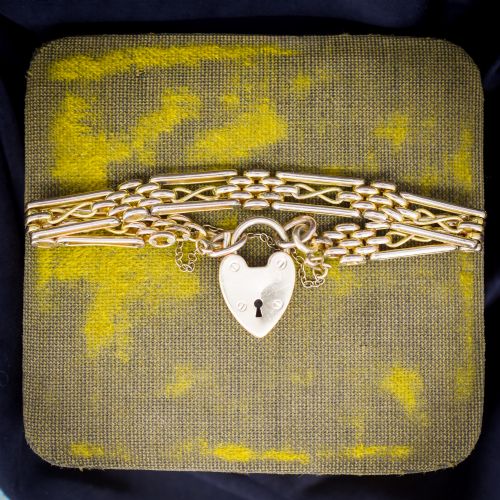
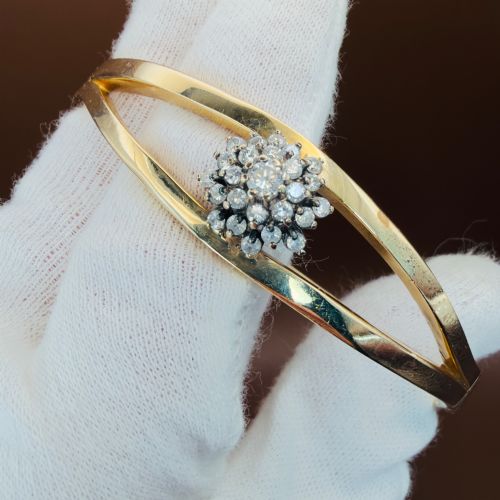
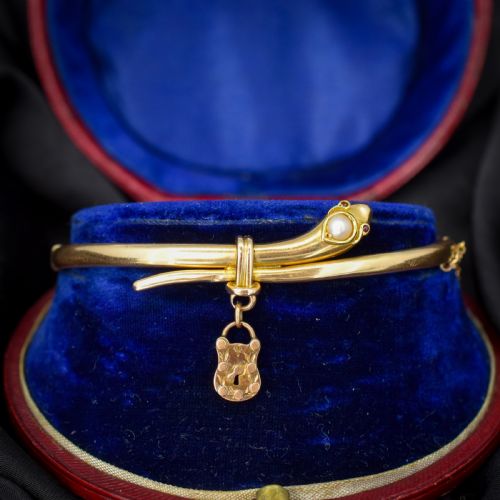
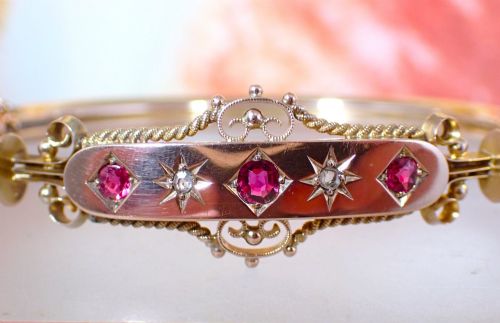
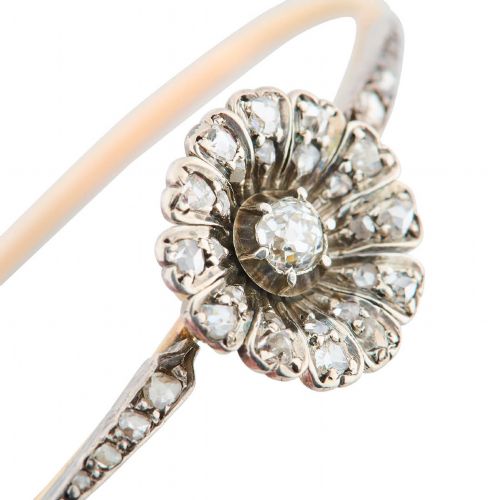
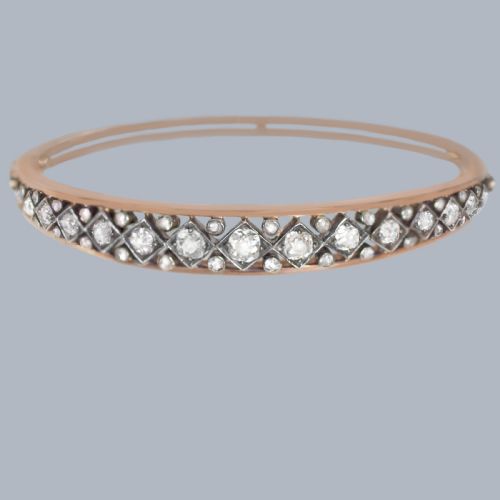
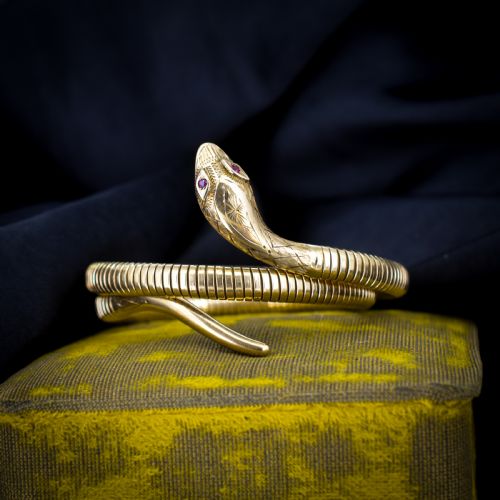
Victorian and Edwardian examples appear frequently alongside mid-century and vintage British items. Early pieces often utilise 15ct or 9ct gold, sometimes featuring intricate serpent motifs or cluster settings.
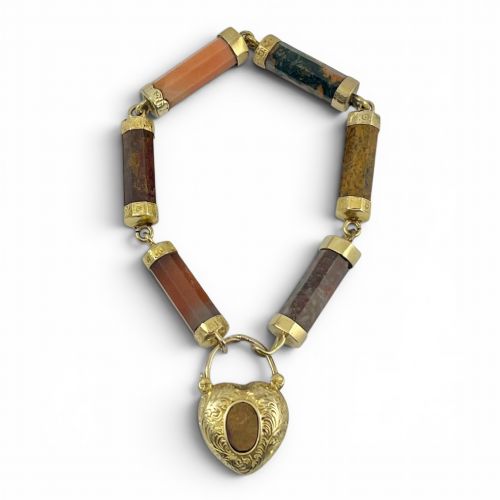
Buyers also encounter gate link bracelets and padlock fasteners from the late nineteenth century alongside cleaner lines from the Art Deco and 1950s eras.
Materials and construction
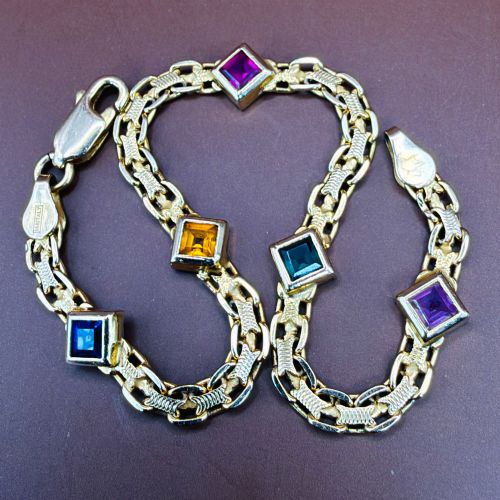
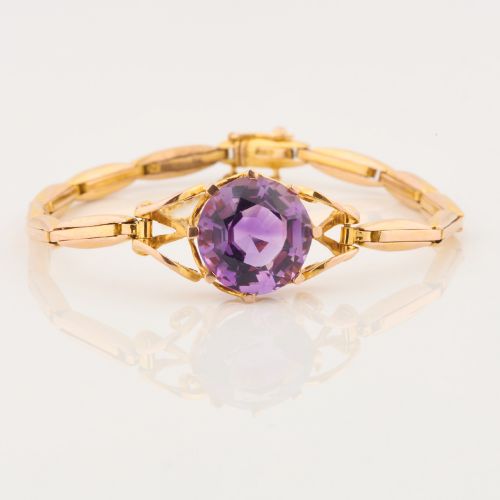
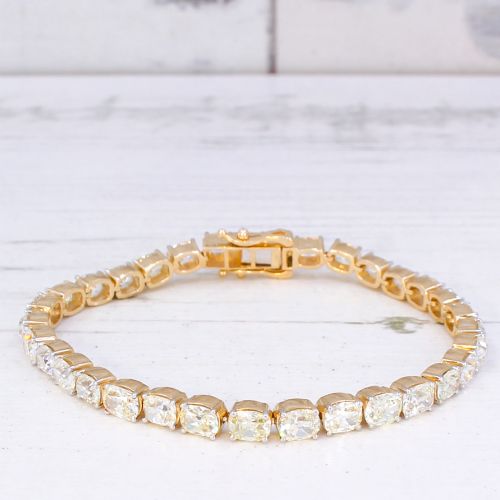
Goldsmiths worked primarily in 9ct, 15ct, and 18ct yellow gold, occasionally combining rose gold or silver accents to enhance gemstone settings. Stones such as old mine cut diamonds, amethysts, rubies, and seed pearls were hand-set into bezels or claw mounts.
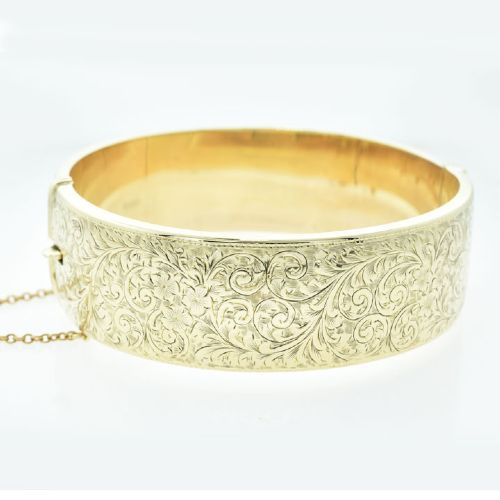
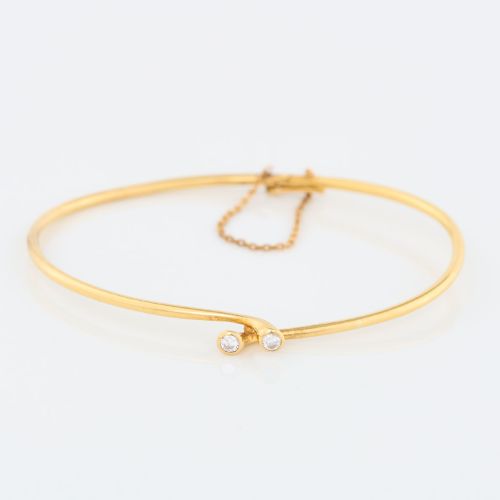
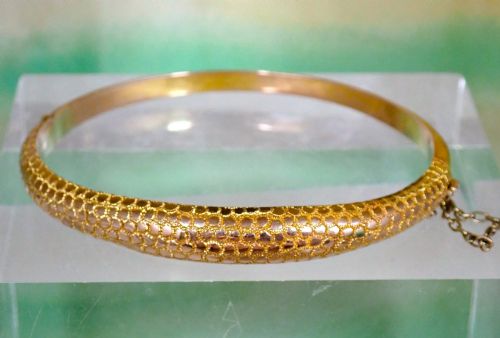
Hinged constructions relied on internal springs or secure pin joints, often accompanied by safety chains for added security during wear. Engraving, chasing, and repoussé work added surface texture to solid and hollow gold bodies alike.
Yellow Gold Bangle Retail Price Guide 2026
Typical asking prices for yellow gold bangle among the pieces listed under this phrase on Sellingantiques today, from the lower quarter to the upper quarter. They describe what is for sale here now, not the wider market.
Certain Victorian snake bangles were designed with ruby eyes, symbolising eternal love and wisdom while neatly wrapping around the wearer's wrist.
Quality indicators
Construction weight and the integrity of the hinge or clasp dictate the longevity of a yellow gold bangle. Thicker gauge gold resists denting and maintains structural rigidity better than hollow alternatives.
The precision of stone setting and the matching of natural gems such as sapphires, turquoise, or old cut diamonds separate standard production from superior workshop output. Original hallmarks and makers' marks contribute significantly to historical provenance.
Smith and Pepper·Baraka·Burle Marx
The Yellow Gold Bangle Glossary
- Bangle
- A rigid bracelet that slips over the hand or opens via a hinge to encircle the wrist.
- Old Mine Cut
- An early diamond cut characterised by a cushion shape, high crown, and large culet facet.
- Hallmark
- An official stamp applied to precious metals indicating purity, origin, and assay office.
- Repoussé
- A metalworking technique where the design is hammered into relief from the reverse side.
- Curb Link
- A chain pattern composed of interlocking uniform links that lie flat against the skin.
Yellow Gold Bangle: Frequently Asked Questions
Can I wear a vintage gold bangle daily?
Solid gold bangles from the Victorian or mid-century periods withstand regular wear if handled with reasonable care. Hollow or stone-set pieces require greater caution to protect fragile settings and thin metal.
Remove jewellery during strenuous activities, gardening, or swimming to avoid knocks and chemical exposure.
What does 15ct gold mean?
Fifteen-carat gold denotes an alloy containing sixty-two point five percent pure gold by weight. This specific standard was common in British jewellery manufacture during the Victorian and Edwardian eras.
British assay offices phased out this purity standard in the early twentieth century, making it a reliable period indicator.
How do I identify the age of a bangle?
Assay office hallmarks, style characteristics, and gemstone cuts provide the primary clues for dating historical jewellery. Victorian pieces often display floral engraving or heavy yellow gold work, while later decades favour geometric lines or distinct clasp designs.
Consulting registered hallmarks against historical assay records confirms the exact year and city of manufacture.