


1970s Gold Ring
A 1970s gold ring captures the bold, experimental spirit of the decade through rich metals and striking gemstones.
1970s Gold Ring
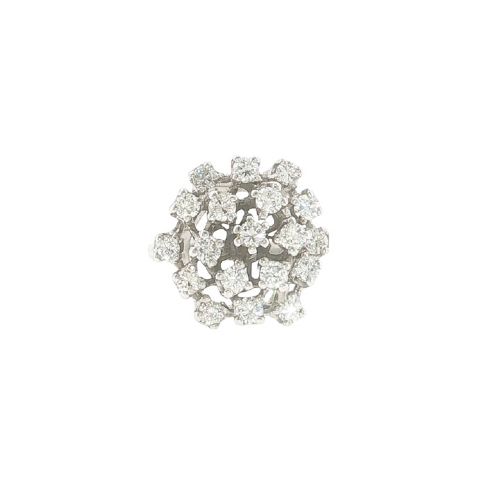
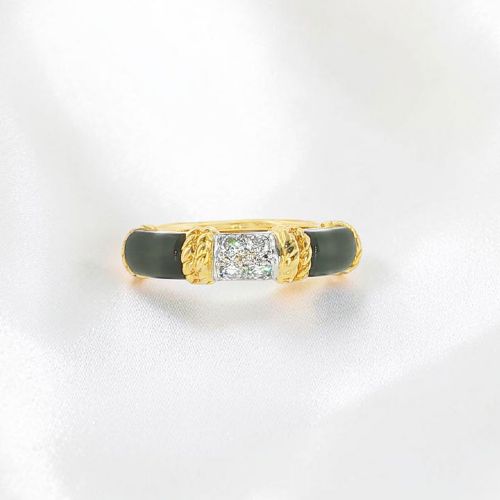
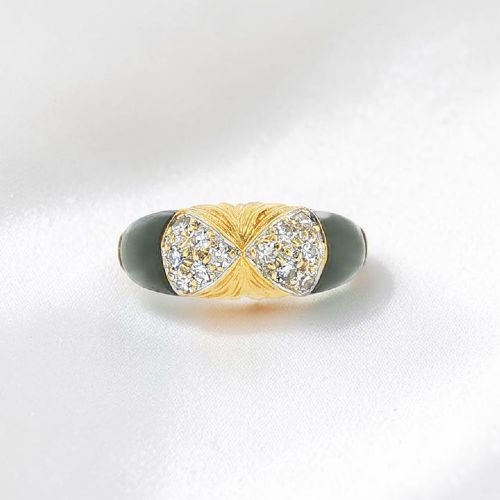
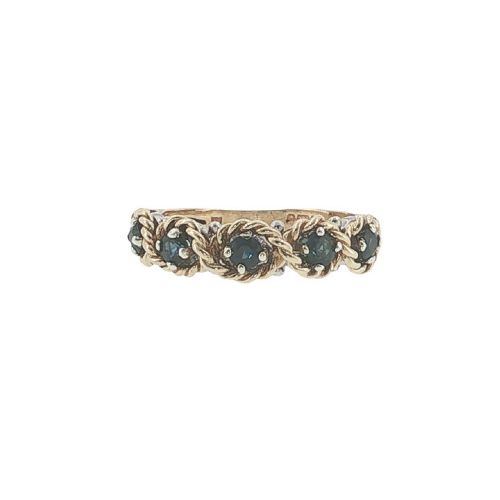
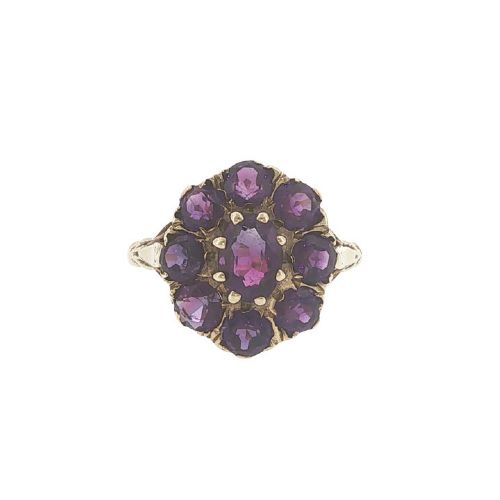
A 1970s gold ring represents a distinct period of bold jewellery design spanning the 1960s, Edwardian eras, and the 1970s itself. The pieces found here take the form of cocktail rings, cluster rings, five-stone band rings, solitaire rings, and interchangeable ball rings.
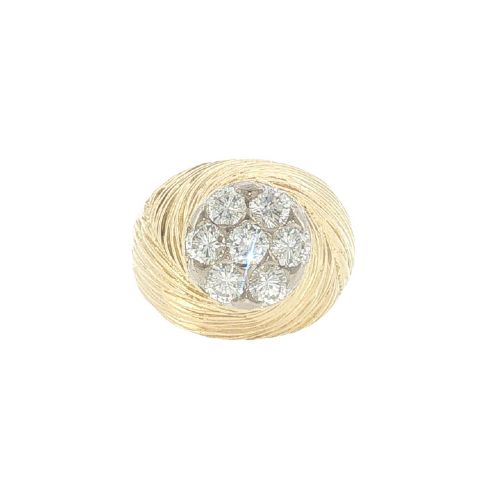
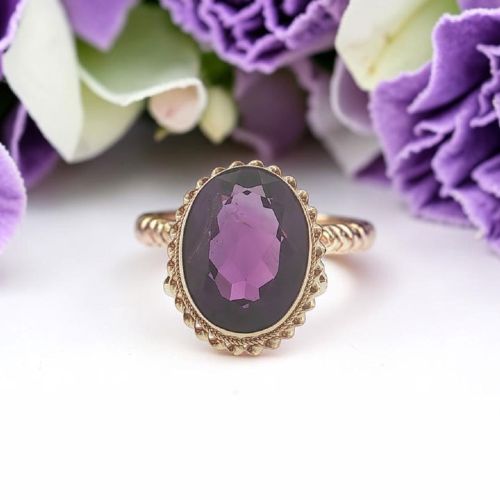
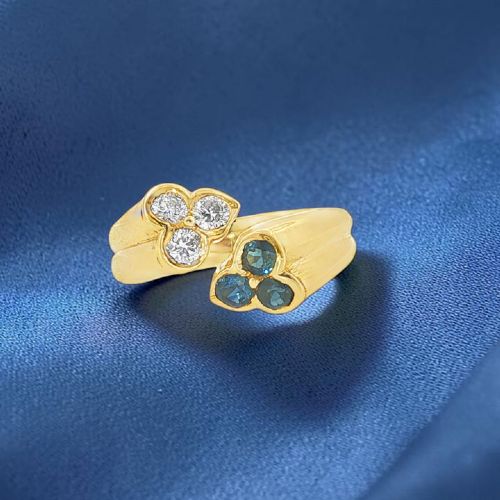
Yellow gold and white gold dominate the metal choices, frequently paired with diamonds, amethysts, sapphires, and black onyx. These items reflect the distinctive modernist and brutalist styles of the decade.
Most examples date firmly within the 1970s, though occasional pieces draw on Edwardian influences or slightly earlier mid-century aesthetics. Buyers encounter rings bearing assay office marks from London and Birmingham alongside unmarked or maker-stamped creations.
What separates the best examples
The distinction between standard commercial production and exceptional studio work lies in the ambition of the design and the weight of the gold. Heavy, sculptural 18ct gold settings command attention through their physical presence and inventive use of texture.
The selection and grading of gemstones further define the upper tier, particularly in diamond and sapphire cluster rings where stone match and brilliance elevate the piece. Maker attribution, such as signed pieces by notable houses, adds a layer of design integrity.
Some 1970s rings feature interchangeable components, allowing the wearer to swap out colourful balls to match their daily wardrobe.
Kutchinsky·Gilbert Albert
The 1970s Gold Ring Glossary
- Brutalist
- A style of jewellery design characterised by heavily textured, rough-hewn metal surfaces that mimic industrial concrete architecture. It gained prominence during the mid-century and 1970s.
- Cocktail ring
- A large, attention-grabbing ring featuring prominent gemstones designed to be noticed during evening social events. They often incorporate sizeable amethysts or multi-stone diamond clusters.
- Cluster ring
- A setting style where a central gemstone is surrounded by a tight group of smaller stones, usually diamonds. This arrangement maximises visual impact and light reflection.
- Solitaire
- A ring featuring a single, prominent gemstone set alone on the band. In this period, diamonds are the most common stones given this treatment.
- Hallmark
- An official stamp applied to precious metals indicating purity, the assay office of origin, and the year of testing. London and Birmingham offices feature frequently in this period.
1970s Gold Ring: Frequently Asked Questions
How do I style a 1970s gold ring?
These pieces possess a strong visual weight that allows them to stand alone on the hand without competing jewellery. Wear a cocktail or cluster ring on its own to let the sculptural gold and gemstones become the focal point of an outfit.
For everyday wear, simpler band or solitaire styles pair easily with modern attire while retaining their distinct period character.
Are these rings made of solid gold?
The pieces listed utilise solid 9ct gold, 18ct yellow gold, and 18ct white gold throughout their construction. Hallmarks stamped by assay offices like London and Birmingham verify the precious metal content.
This solid construction provides the durability required to support large gemstones and heavy, sculptural designs.
How can I tell the exact year of my ring?
British rings from this era typically rely on a series of hallmarks stamped inside the band, including a date letter that corresponds to the year of assay. Assay offices in London and Birmingham recorded these testing years meticulously.
When hallmarks are absent, stylistic clues such as modernist forms, brutalist textures, and stone-cutting techniques help narrow the period down to the 1970s.