


Retro Gold Cluster Ring
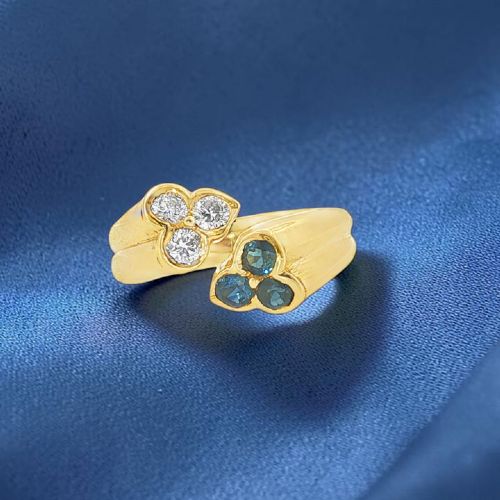
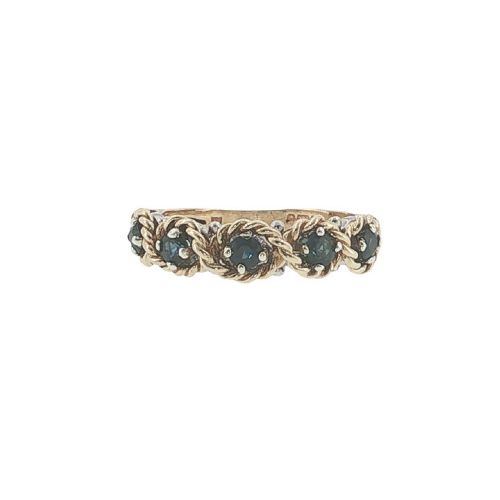
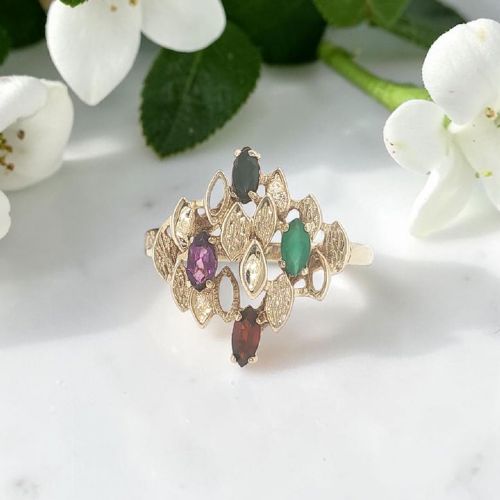
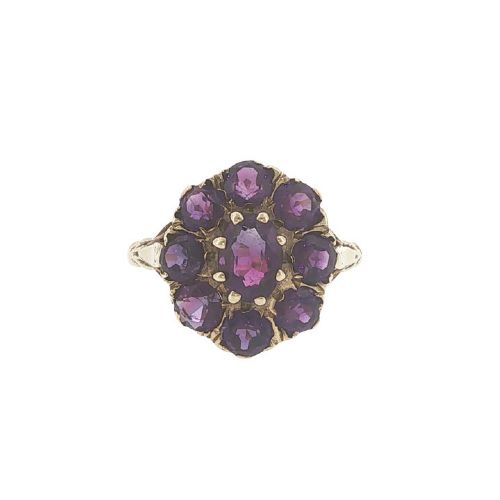
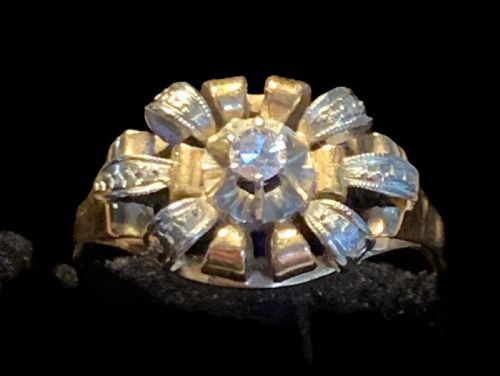
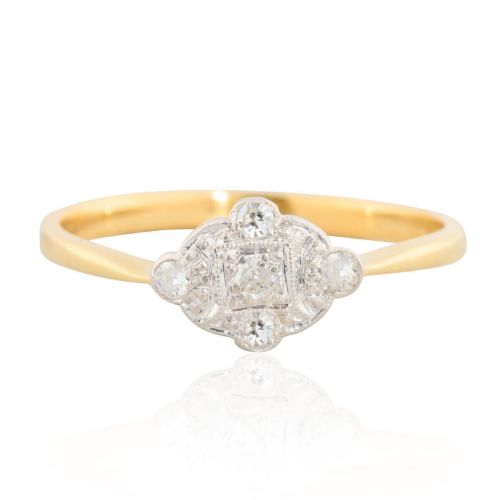
A retro gold cluster ring brings together vibrant coloured gemstones and sparkling diamonds in bold mid-century and vintage designs.
Retro Gold Cluster Ring
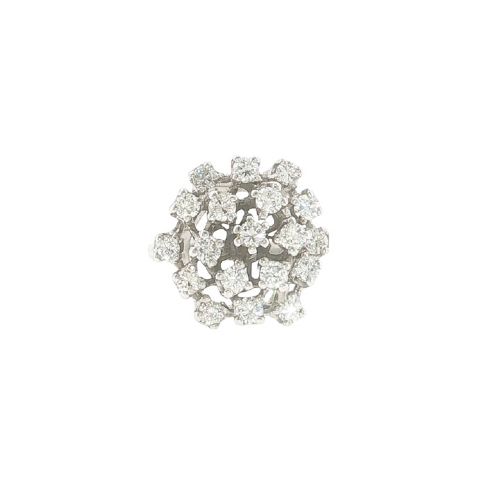
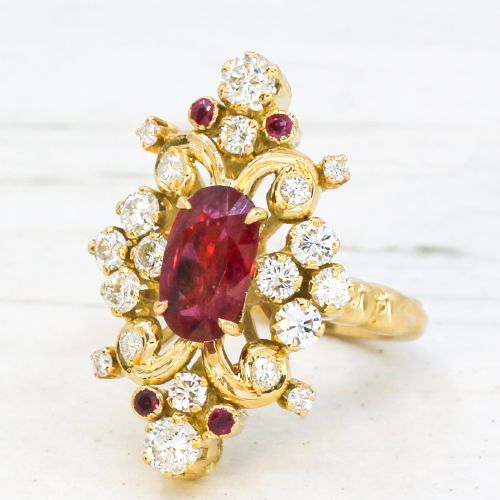
A retro gold cluster ring centres on a prominent arrangement of gemstones, most frequently pairing a vivid central sapphire, ruby, or emerald with surrounding diamonds. These statement pieces emerge predominantly from the mid-twentieth century, spanning the 1940s, 1950s, and 1960s, alongside earlier Edwardian and Art Deco antecedents.
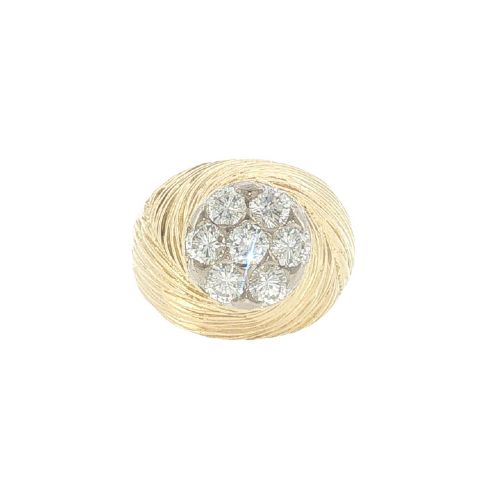
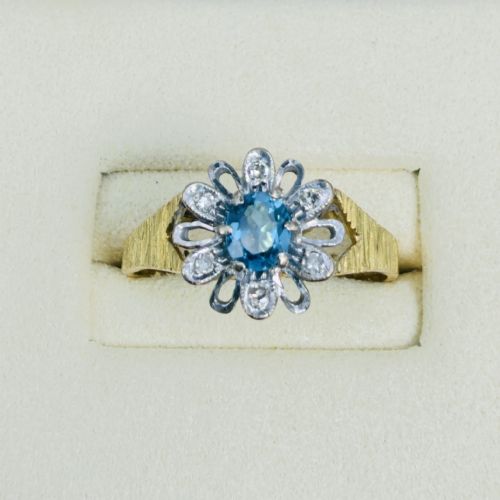
Buyers encounter distinct forms ranging from floral daisy clusters and target motifs to sculptural bombé and spiral designs. The construction frequently utilises warm 18ct yellow gold, bright white gold, or platinum settings that lift the stones to create considerable dimension on the finger.
The selection on this page leans heavily into vintage cocktail and dress rings shaped by mid-century modern aesthetics. Alongside traditional precious stones, variants incorporate aquamarine, amethyst, garnet, turquoise, and opal within substantial gold mountings.
Materials and construction methods
Goldsmiths constructed these rings primarily using 18ct yellow and white gold, alongside platinum and occasional 14ct or 22ct variants. Precious stones including diamonds, sapphires, rubies, and emeralds were hand-set into clustered formations designed to maximise light return and visual impact.
Techniques from the period combined traditional claw settings with tightly paved cluster arrangements and intricate scroll panels. Master jewellers utilised heavy metal casting alongside meticulous hand-finishing to achieve the sculptural contours characteristic of mid-century and retro design.
Some mid-century floral rings hide tiny carved petals beneath the main stones, ensuring they charm from every possible angle.
Assessing quality and craftsmanship
Quality rests significantly on the calibre, origin, and match of the central gemstones, with unheated rubies or high-clarity sapphires elevating a piece considerably. The weight, colour, and cut of surrounding diamonds further distinguish standard production from exceptional jeweller output.
Structural integrity and the precision of the metalwork dictate the standard of execution. Superior examples display robust, substantial gold or platinum mountings where stone settings remain entirely secure and the underlying scrollwork or gallery shows crisp definition without wear.
Kutchinsky
The Retro Gold Cluster Ring Glossary
- Cluster ring
- A ring featuring a central stone encircled by a group of smaller gems. This configuration maximises overall sparkle and visual presence.
- Bombé ring
- A rounded, dome-shaped ring style popular in mid-century jewellery. The curved profile accommodates dense pavé or multi-tiered stone arrangements.
- Cocktail ring
- A large, bold ring designed for evening wear and social gatherings. These pieces deliberately draw the eye through substantial scale and colourful gems.
- Target ring
- A geometric ring design featuring concentric circles of contrasting gemstones around a central stone. This concentric arrangement is heavily associated with Art Deco aesthetics.
Retro Gold Cluster Ring: Frequently Asked Questions
How should I care for vintage cluster rings?
Vintage rings require gentle handling due to their age and intricate claw or bezel settings. Regular professional inspection ensures the small accent stones remain firmly anchored in their clusters.
Clean them carefully using warm soapy water and a soft brush, avoiding harsh chemical dips that might harm softer organic gems like opals or pearls.
How can I tell the period of a ring?
Dating relies on a combination of gemstone cuts, metal types, hallmarks, and overall stylistic motifs. Art Deco pieces display geometric symmetry, whereas 1950s and 1960s examples often incorporate sweeping scroll panels or bombé domes.
Assay office marks and date letters stamped inside the band provide the most precise chronological indicator when visible.
Can these rings be worn daily?
Many mid-century cluster rings were built robustly with thick 18ct gold bands designed for regular wear. Harder stones like diamonds, sapphires, and rubies withstand daily life well.
Pieces incorporating softer gems such as opals or pearls demand greater caution and are better suited to occasional evening wear.