


Edwardian Drop Earrings
Edwardian drop earrings bring graceful movement and refined sparkle, spanning delicate milgrain-set diamonds to glowing coloured stones.

Edwardian Drop Earrings
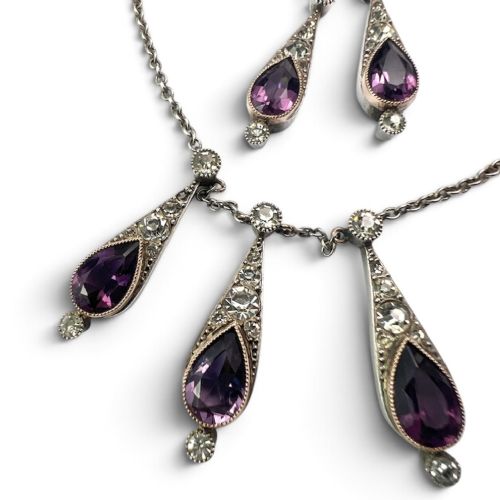
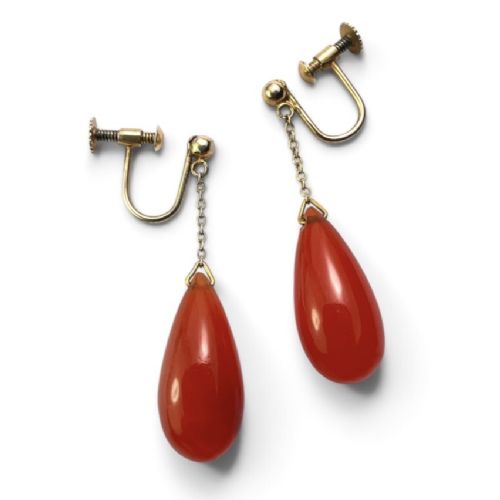
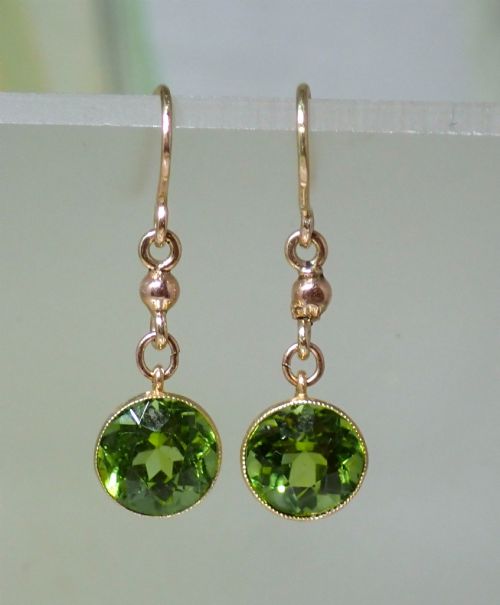
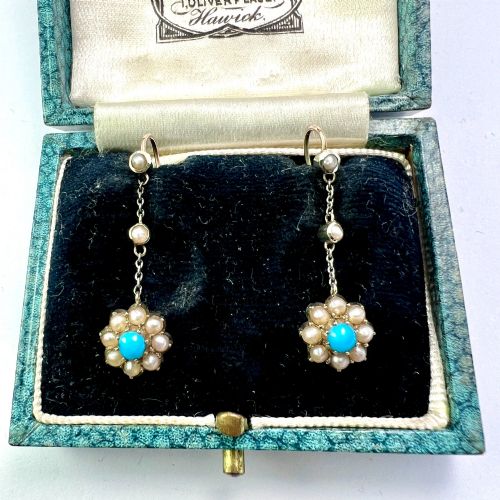
Edwardian drop earrings capture the lighter, airier aesthetic that succeeded heavy Victorian designs, centring on delicate stone-set pendants that sway with the wearer.
While true Edwardian pieces date from the reign of King Edward VII and the immediate pre-war years, buyers often encounter pieces spanning from the late nineteenth century through the Art Deco era.
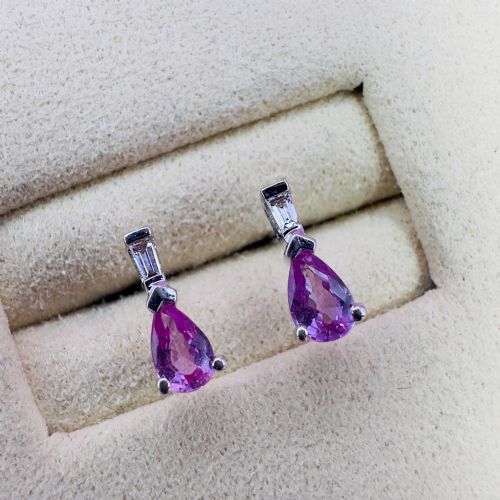
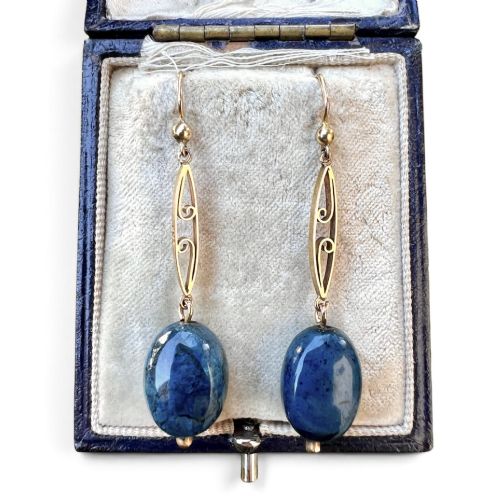
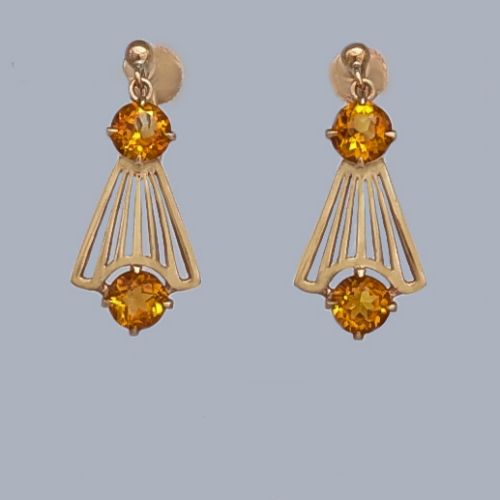
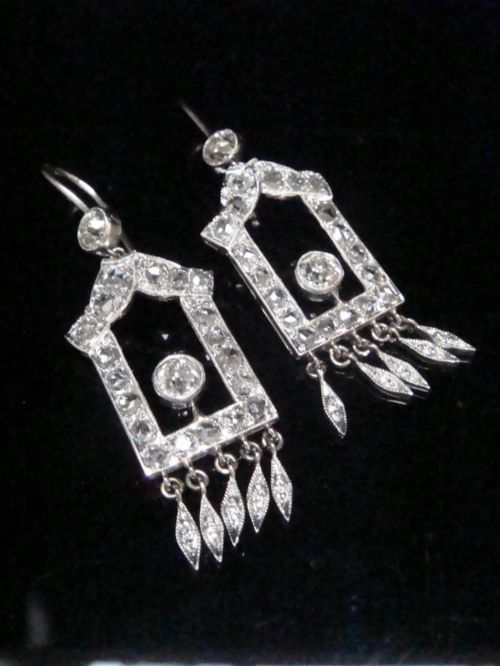
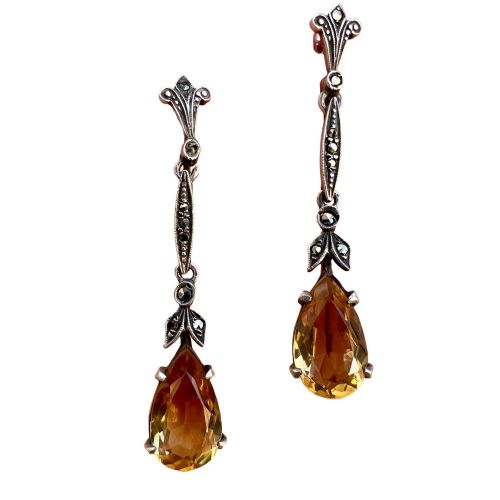
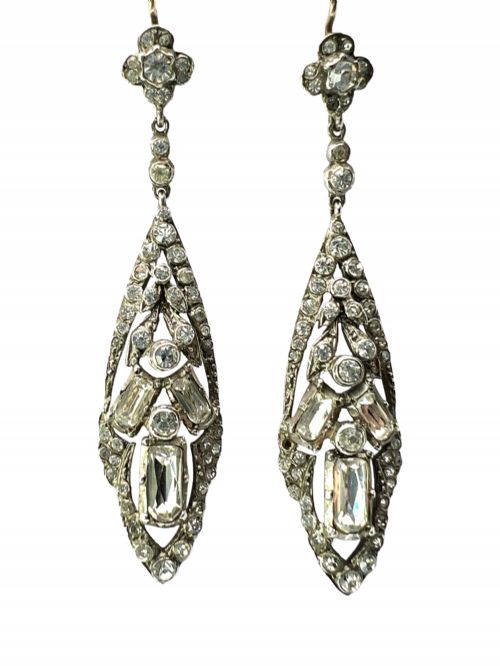
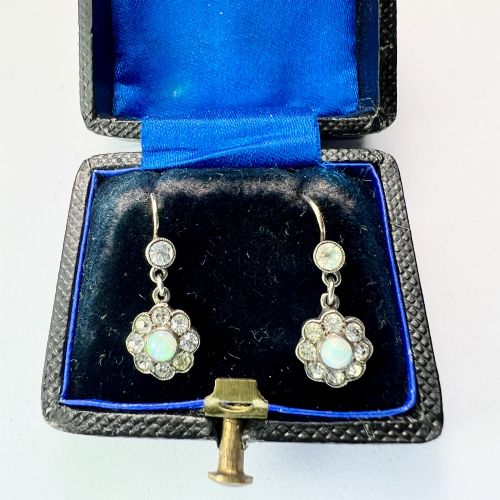
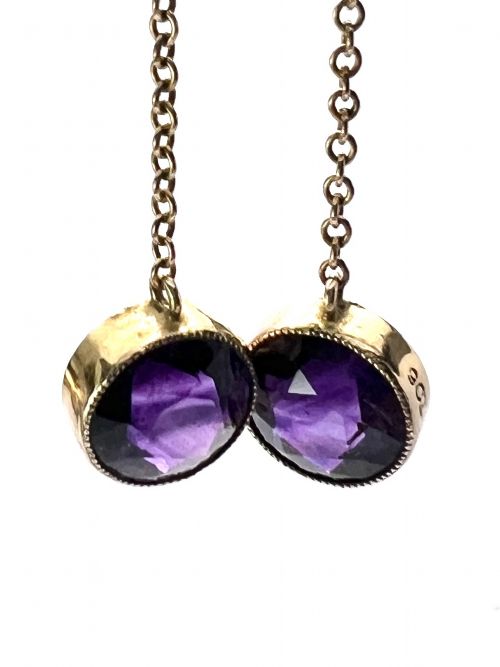
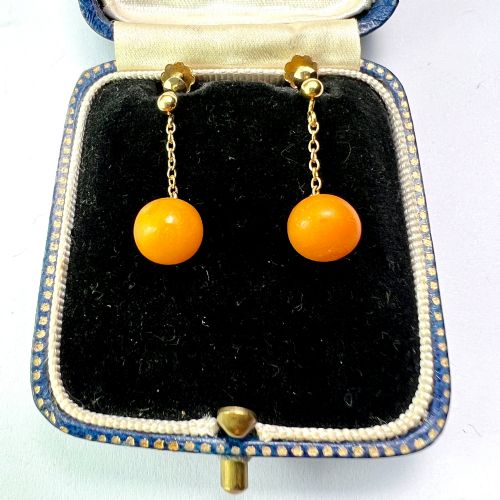
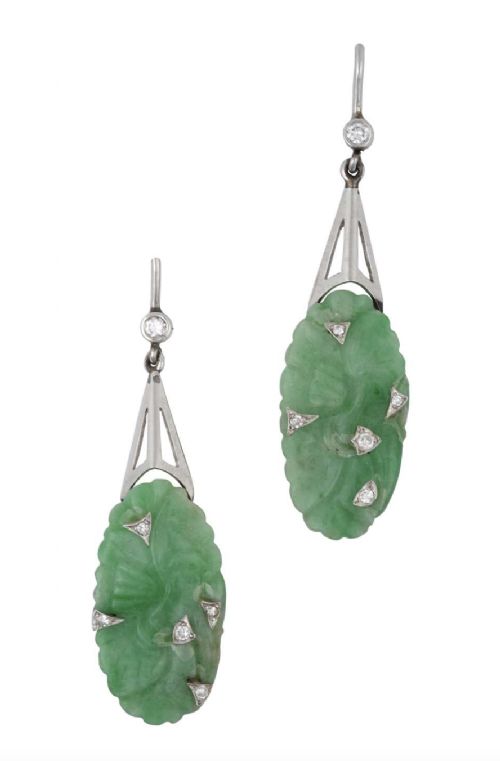
The selection frequently showcases articulated drops featuring aquamarines, pearls, amethysts, and old-cut diamonds suspended from gold, silver, or platinum mounts.
Materials and construction
Craftsmen utilised combinations of yellow gold, rose gold, and emerging white metals like platinum and 18ct white gold to reflect contemporary tastes in fine jewellery.
Gems such as peridots, turquoise, opals, and diamonds were frequently hand-cut into old cuts, rose cuts, or teardrop shapes, then secured in detailed foliate or geometric mounts.
Edwardian Drop Earrings Retail Price Guide 2026
Typical asking prices for edwardian drop earrings among the pieces listed under this phrase on Sellingantiques today, from the lower quarter to the upper quarter. They describe what is for sale here now, not the wider market.
Some Edwardian makers incorporated tiny beetle wings into colourful drop earrings, combining Victorian natural history fascination with fine goldwork.
Quality and craftsmanship
Superior examples demonstrate meticulous articulation in the drop mechanism, ensuring the pendant swings freely without stiffness or weak hinge points.
The choice of materials and the fineness of the metalwork, such as delicate wirework or precise stone matching in multi-gem clusters, distinguish finer workshop output from standard production.
Knoll and Pregizer
The Edwardian Drop Earrings Glossary
- Old-cut diamond
- A hand-faceted diamond cut before modern brilliant standards, featuring a smaller table and higher crown that creates a softer candlelit sparkle.
- Articulated drop
- A pendant earring designed with hinged sections that allow the lower portion to dangle and move independently.
- Milgrain
- A decorative border of tiny raised metal beads along the edge of a setting, characteristic of Edwardian and Art Deco platinum work.
- Paste
- Hand-cut and polished lead glass used historically as a brilliant gemstone simulant in antique jewellery settings.
- Parure
- A matched set of jewellery, typically comprising earrings, a necklace, and a ring or brooch, designed to be worn together.
Edwardian Drop Earrings: Frequently Asked Questions
How do I care for antique drop earrings?
Store them individually in soft pouches to prevent scratching the delicate stones and fragile metal links. Clean them gently with a soft cloth, avoiding harsh chemical dips that can damage pearls, turquoise, or foil-backed pastes.
Check the closures and wire hooks periodically to ensure the security of the hinge or screwback mechanisms. Professional inspection helps maintain the integrity of historic settings.
What defines Edwardian jewellery design?
The aesthetic relies on lightness and grace, moving away from dark Victorian bulk by favouring lacy platinum frameworks and bright diamond accents. Natural pearls and vibrant coloured gemstones like aquamarine, peridot, and amethyst are prominent.
Motifs often incorporate garlands, ribbons, and botanical scrolls executed with meticulous attention to detail. This visual delicacy remains the primary hallmark of the period.
How can I tell Edwardian from Art Deco?
Edwardian pieces generally lean towards organic curves, floral motifs, lace-like platinum settings, and softer pastel or clear gemstones. The overall impression is romantic and light.
Art Deco design introduces rigid symmetry, bold geometric lines, and stark contrasts using calibrated stones and strong colours. Transitional pieces often blend elements of both movements.