
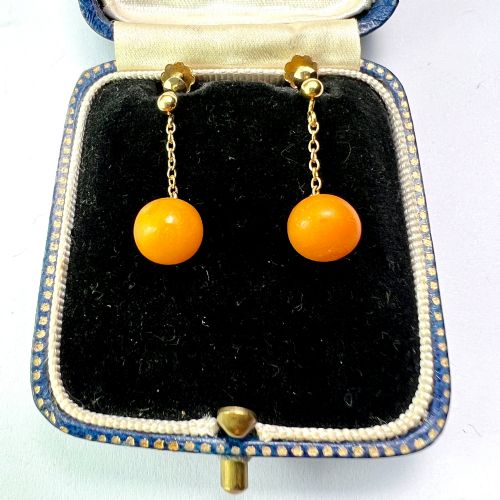


Edwardian Gold Earrings
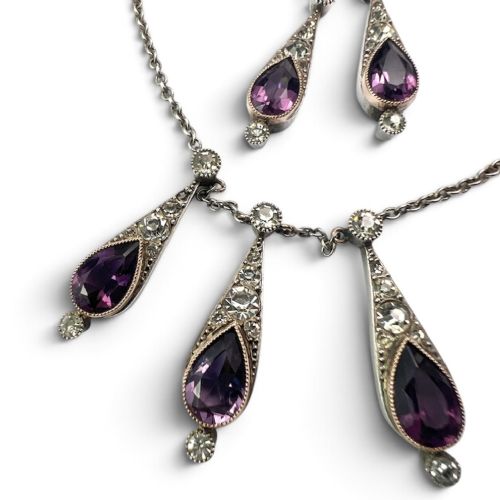
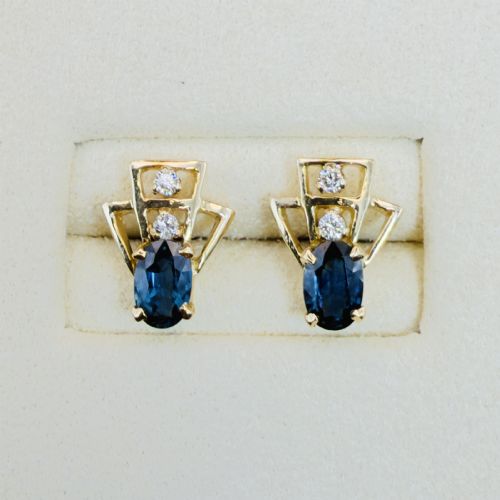
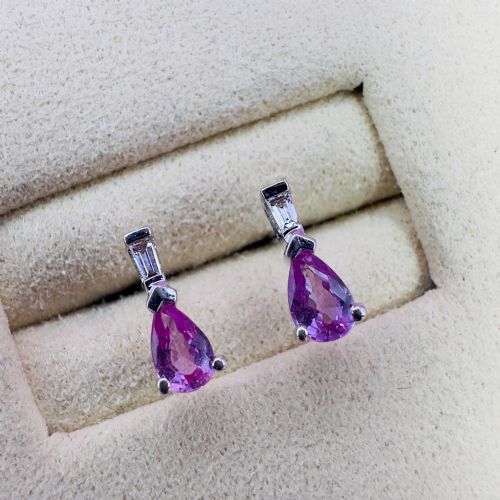
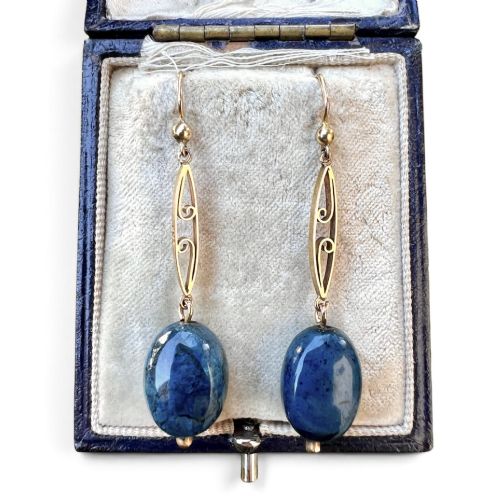
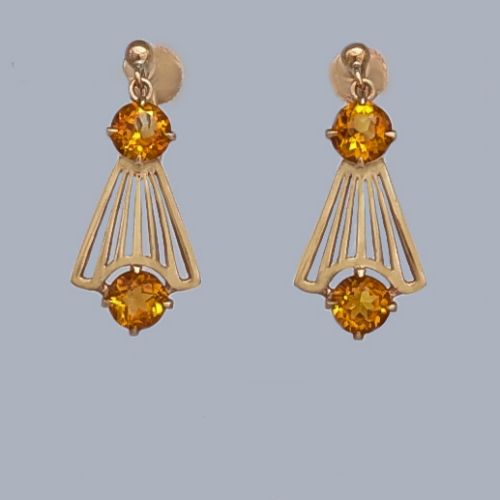
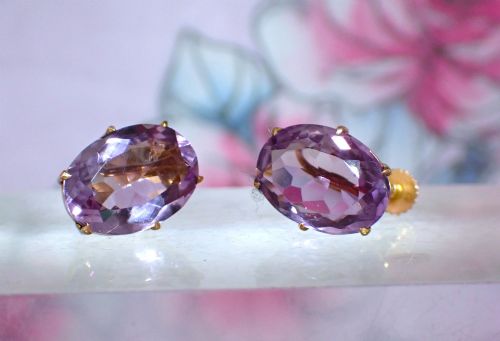
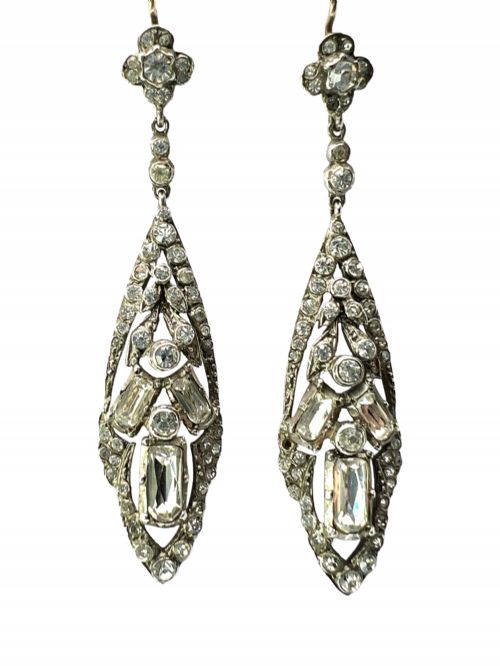
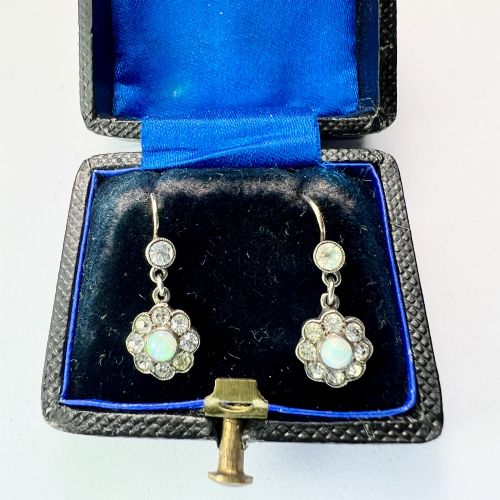
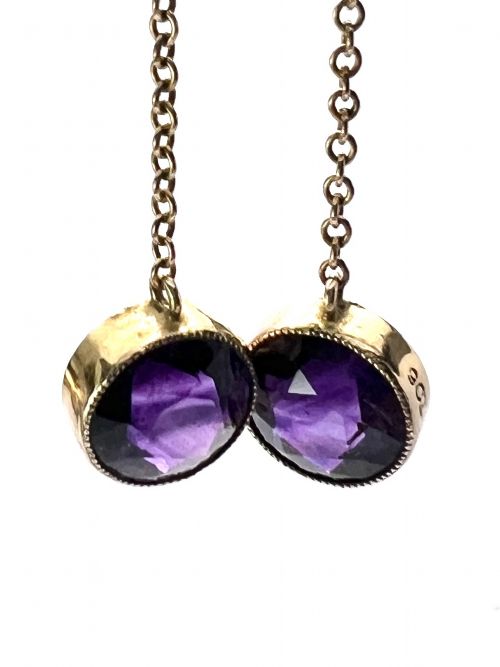
These edwardian gold earrings bring delicate floral motifs, vibrant coloured gems and fine old cut diamonds together for everyday wear.
Edwardian Gold Earrings
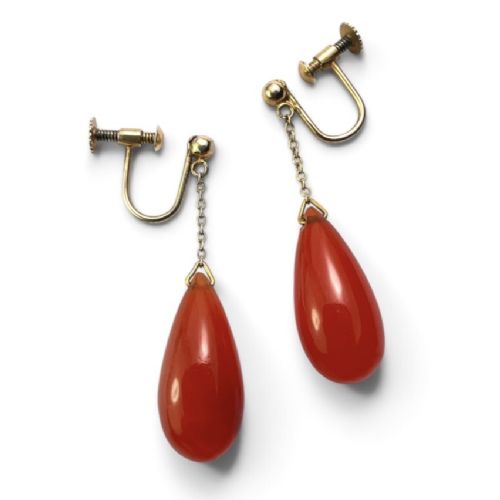
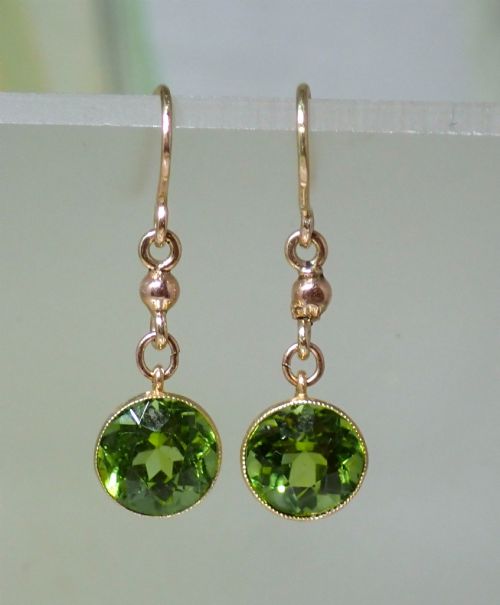
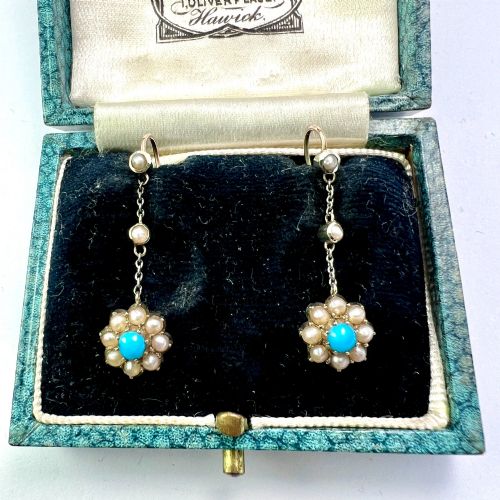
When browsing edwardian gold earrings, expect a mix of airy drop designs, articulated chains and secure screwback or pierced studs. The selections combine foundational metals with gemstones such as peridot, aquamarine, turquoise and amethyst.
Originating predominantly from the early twentieth century alongside adjacent Victorian and Art Deco crossover pieces, these jewels frequently feature botanical motifs like flower drops and leaf shapes. Pearls and diamonds regularly accent the central coloured stones to frame the face with light.
Buyers encounter everything from simple 9ct gold wire drops to elaborate 15ct and 18ct white or yellow gold cluster configurations. The prevailing forms remain lightweight and movement-focused, designed to sway with the wearer.
Materials and Construction
Makers shaped these jewels using 9ct, 15ct and 18ct yellow and white gold, often backing silver settings with gold to enhance the brilliance of old cut diamonds. This dual-metal technique stems from earlier traditions, maximising light reflection behind fragile stones.
Gemstones such as opals, garnets, jadeite and sapphires were securely claw-set or bezel-set into delicate openwork mounts. Articulation was achieved through small chain links and hinged fittings, allowing individual drops to move independently.
Edwardian Gold Earrings Retail Price Guide 2026
Typical asking prices for edwardian gold earrings among the pieces listed under this phrase on Sellingantiques today, from the lower quarter to the upper quarter. They describe what is for sale here now, not the wider market.
Listings feature 9ct, 15ct, and 18ct gold alongside silver-topped mounts set with diamonds, amethysts, opals, and pearls across the Edwardian and Art Deco eras.
Distinctions in Standard
The upper tier of the range is distinguished by higher gold purities like 15ct and 18ct, paired with natural untreated gemstones and finely matched pearls. Workmanship shows in the crispness of foliate engraving and the precision of silver-topped gold mounting.
Simpler 9ct variants and pieces utilising paste stones or faux pearls represent a more accessible tier of period production. Quality rests on the integrity of original conversions, screw fittings and the absence of heavy repair work to the delicate wirework.
Knoll and Pregizer
The Edwardian Gold Earrings Glossary
- Old cut diamond
- A precursor to the modern brilliant cut, featuring a smaller table, higher crown and open culet designed to catch candlelight.
- Screwback
- A mechanical earring finding utilising a threaded post and small nut to secure non-pierced lobes comfortably.
- Negligee necklace
- A matching pendant style often found paired with drop earrings in period jewellery suites.
- Paste
- Hand-cut glass or lead crystal used historically as a gemstone substitute in high-status paste jewellery.
- Chandelier earrings
- Multi-tiered drop earrings that cascade in a branched silhouette reminiscent of hanging lighting fixtures.
Edwardian Gold Earrings: Frequently Asked Questions
Are these earrings suitable for pierced ears?
Many examples are designed for pierced ears, while others utilise original screwback or screw-on findings intended for non-pierced lobes. Conversion work by modern jewellers is also common among period finds.
Buyers should inspect the listing details regarding posts and screw fittings to ensure compatibility with individual preference.
How do I care for antique gold earrings?
Gentle cleaning with a soft cloth preserves the delicate gold work, silver mounts and softer organic gems like pearls and opals. Harsh chemical dips risk damaging both the stones and the historical metal alloys.
Store pairs individually in soft pouches to prevent scratching between the diamond facets and softer coloured gemstones.
What defines the Edwardian style?
The aesthetic relies on light, airy filigree work, platinum-topped gold, garlands, ribbons and floral motifs. Jewellers favoured diamonds and luminous pearls alongside pale pastel gems.
Transition pieces often blur the lines into early Art Deco geometry or retain late Victorian heft, yet retain an overall grace.
How can I tell genuine antique drops from modern reproductions?
Examine the construction of the fixings, the hand-cut facets of the diamonds and the casting irregularities typical of early twentieth-century workbench production. Closed-back settings, natural gemstone inclusions and genuine wear patterns indicate period manufacture.
Consulting the specific gold carat marks and fastener types helps confirm authenticity against known historical standards.