


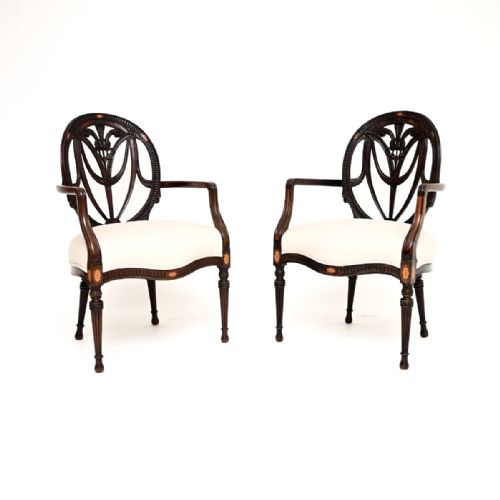
Vintage Accent Armchair
A vintage accent armchair brings character and practical seating to a room, drawing on decades of diverse historical design.
Vintage Accent Armchair
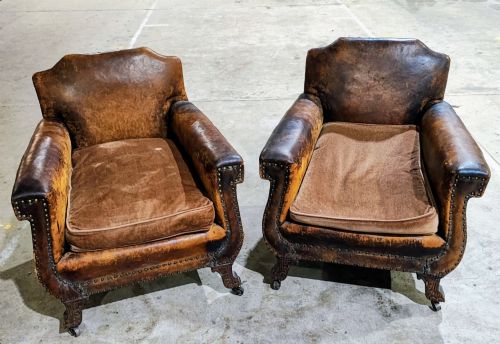
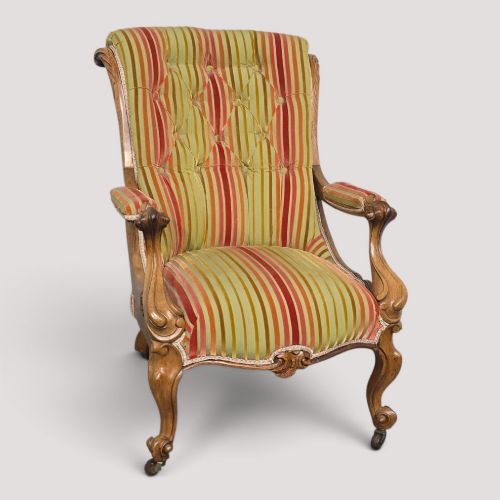
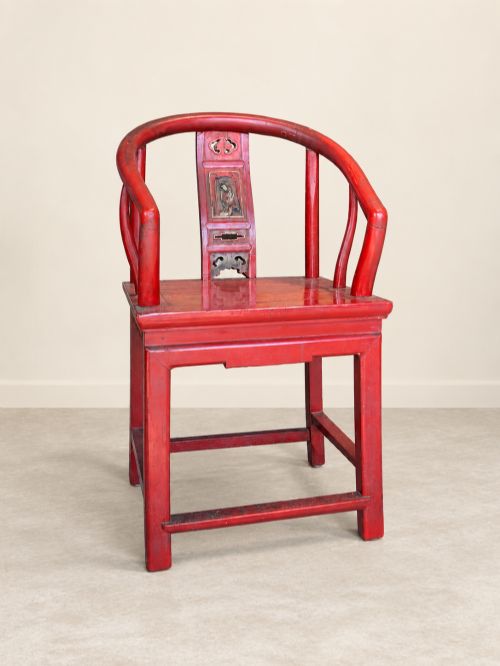
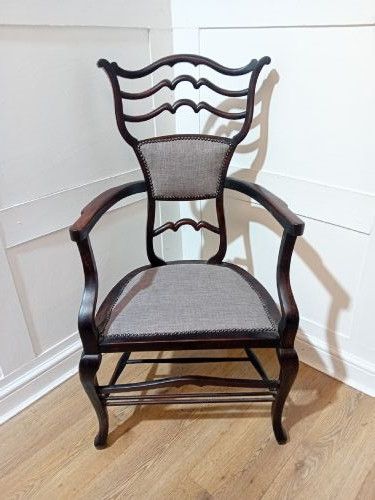
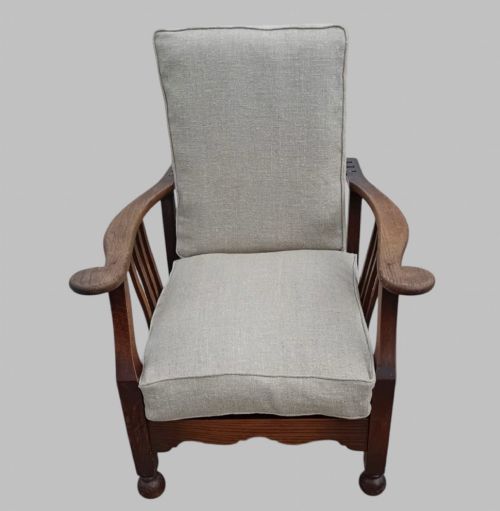
A vintage accent armchair serves as a standalone seat that combines decorative appeal with functional comfort. Buyers searching for a vintage accent armchair encounter a wide array of forms, including library armchairs, club chairs, bergere armchairs, and rocking chairs.
The selections span multiple eras, with pieces originating from the eighteenth, nineteenth, and early twentieth centuries. Makers from these periods utilised styles ranging from Arts and Crafts and Art Deco to Victorian, Edwardian, and Regency.
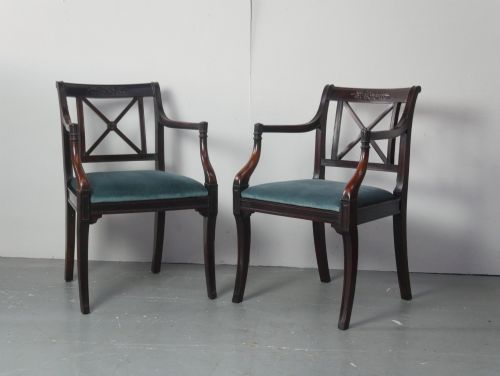
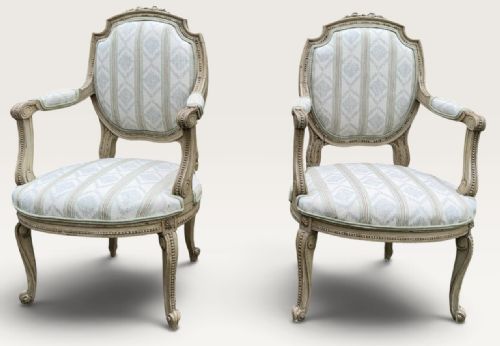
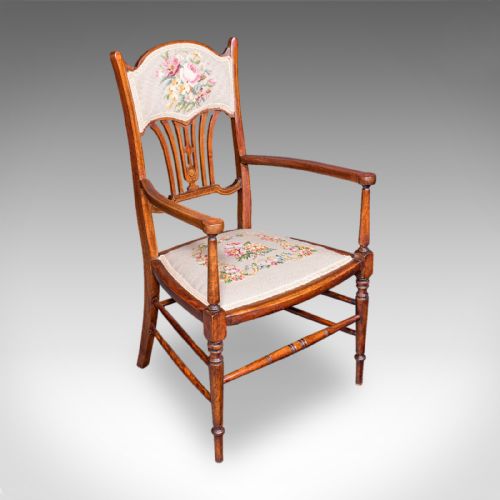
Wooden frames in oak, mahogany, walnut, yew, and beech appear frequently alongside upholstered finishes in leather, velvet, and tapestry. Buyers often find matching pairs alongside single statement seats suited to drawing rooms, bedrooms, and studies.
Materials and construction
Makers constructed frames from durable timbers such as mahogany, oak, walnut, and beech, often employing turned supports, carved detailing, or painted surfaces. Traditional joinery methods secured the structural integrity of these wooden frames over centuries of use.
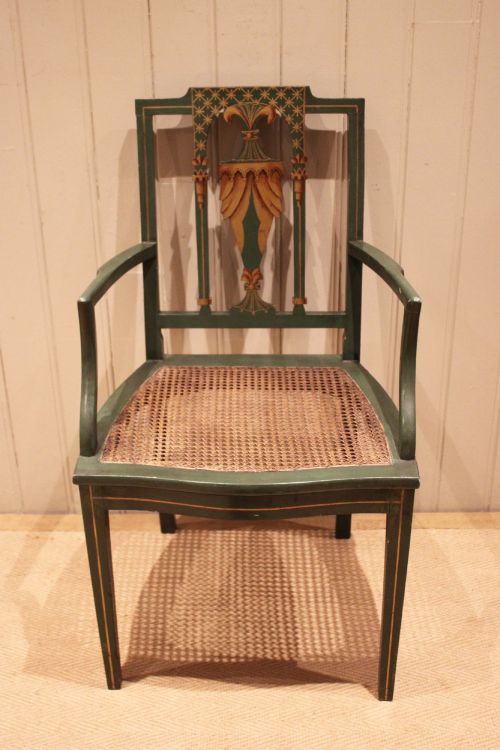
Upholstered variants rely on materials like leather, velvet, rush, cane, and tapestry to provide padding and surface texture. Craftspeople integrated split cane panels, brass accents, and parcel gilt highlights to define the aesthetic of specific periods like Art Deco and the Regency era.
Vintage Accent Armchair Retail Price Guide 2026
Typical asking prices for vintage accent armchair among the pieces listed under this phrase on Sellingantiques today, from the lower quarter to the upper quarter. They describe what is for sale here now, not the wider market.
Period styles span Art Deco, Arts and Crafts, Regency, Victorian, and Edwardian designs.
Variations in quality
The grade of timber and the complexity of the frame carving set finer examples apart from simpler utilitarian seating. Master cabinetmakers deployed superior joinery techniques and selected dense hardwoods like mahogany and walnut for high-status commissions.
Original upholstery finishes, untouched paintwork, and retained period textiles elevate the standing of a chair. Pieces that maintain their authentic structural elements and period materials demonstrate superior craftsmanship.
Liberty Morris And Co·Jacob And Josef Kohn
The Vintage Accent Armchair Glossary
- Bergere
- An enclosed upholstered armchair with wooden framing exposed around the sides and back, frequently fitted with cane panels. This form originated in France and gained popularity during various nineteenth and twentieth-century revivals.
- Carver
- An armchair designed to match a set of dining chairs, traditionally featuring elbow rests and a taller stature. These chairs stood at the heads of dining tables or served as occasional seating in reception rooms.
- Gainsborough chair
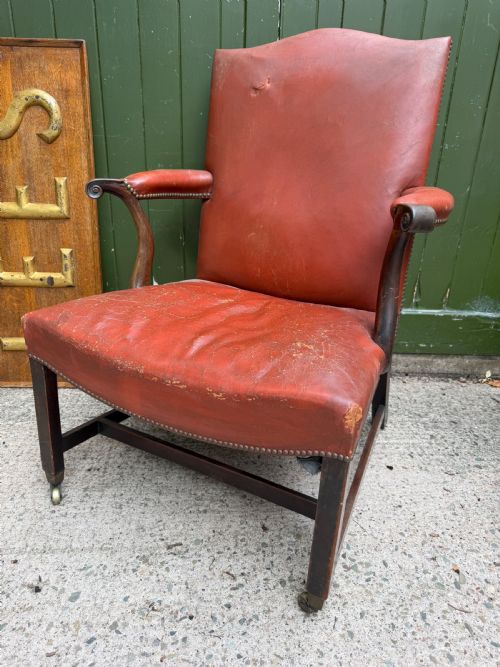
- A wide, open-framed mahogany armchair with upholstered seat and armrests, dating originally from the mid-eighteenth century. These seats often appeared in libraries and studies.
- Bentwood
- Wood softened by steam and bent into curved structural forms, famously utilised by makers such as Jacob and Josef Kohn. This technique created light, resilient frames for rocking chairs and armchairs.
Vintage Accent Armchair: Frequently Asked Questions
What defines a vintage accent armchair?
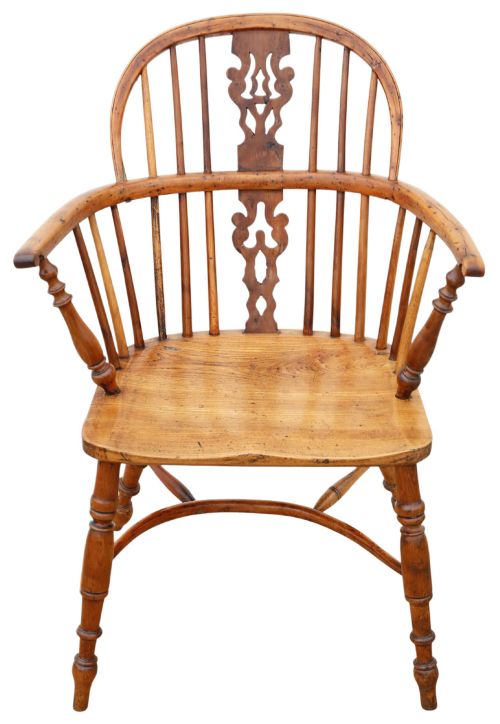
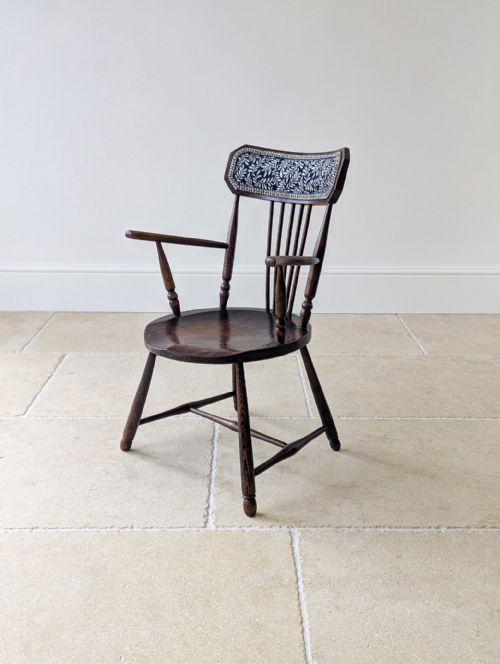
A vintage accent armchair is a standalone seating piece chosen to add distinct period style and colour to an interior space. These chairs span forms like club chairs, bergere seats, and Windsor armchairs.
Originating across the nineteenth and twentieth centuries, they utilise materials such as leather, mahogany, oak, and velvet. Each piece reflects the dominant craft traditions and aesthetic movements of its specific decade.
How do I identify the period of a chair?
Dating relies on examining the timber species, upholstery materials, and stylistic motifs present in the frame. Pieces from the Victorian and Edwardian eras often display revivalist detailing, while early twentieth-century examples lean towards Art Deco or Arts and Crafts simplicity.
Looking at construction techniques and hardware like brass accents helps narrow down the decade of manufacture. Comparing the form to documented historical styles confirms the era.
Where should I place an accent armchair?
These armchairs suit living rooms, libraries, bedrooms, and studies where they function as focal points or reading seats. Low armchairs and bedroom chairs fit comfortably into corners or beside dressing areas.
Larger club chairs and library armchairs require more open space to showcase their frames and leather or tapestry upholstery. Pairs of armchairs work well placed opposite a fireplace or flanking a central table.
How do I care for wooden and leather frames?
Wooden frames benefit from regular dusting and occasional treatment with appropriate beeswax or furniture polish to nourish the grain. Oak, mahogany, and walnut require protection from direct sunlight and extreme temperature fluctuations.
Leather upholstery needs conditioning to maintain suppleness and prevent drying over time. Keeping antique textiles and painted finishes away from moisture preserves their original condition.