
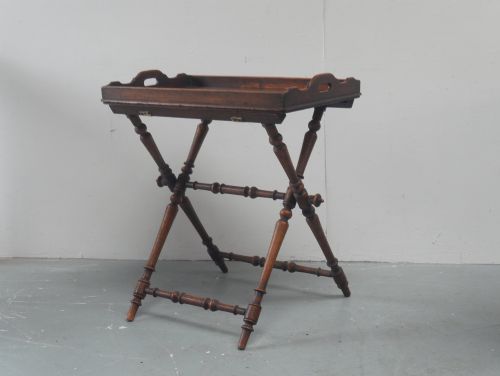
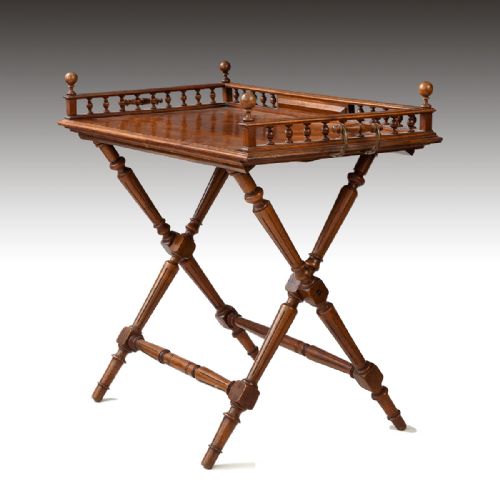
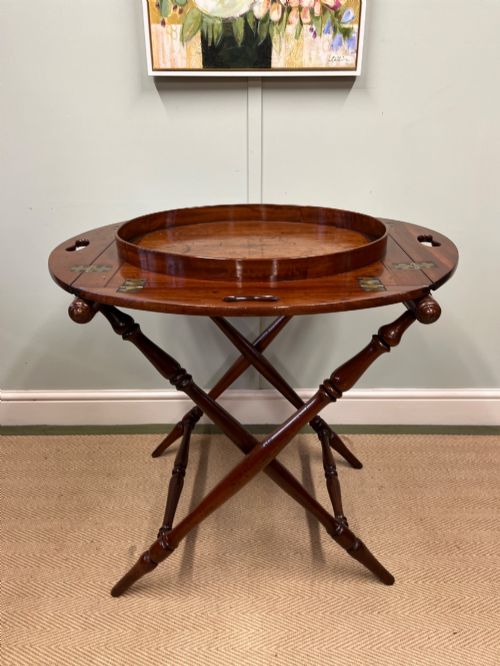



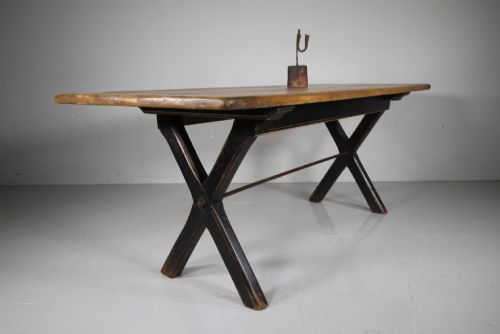
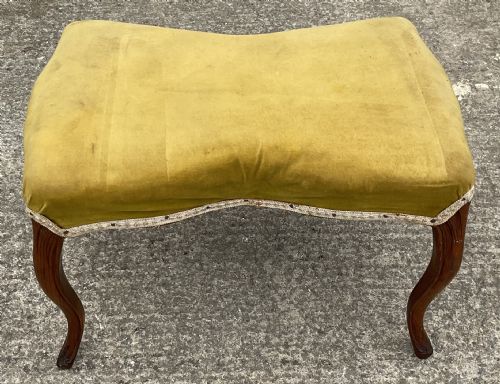

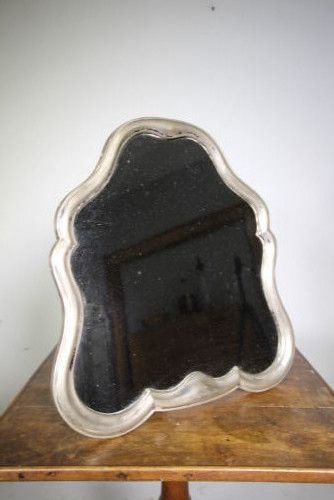
Victorian X Frame Table
These Victorian x frame table pieces offer portable folding surfaces built from sturdy timber during the nineteenth century.
Victorian X Frame Table
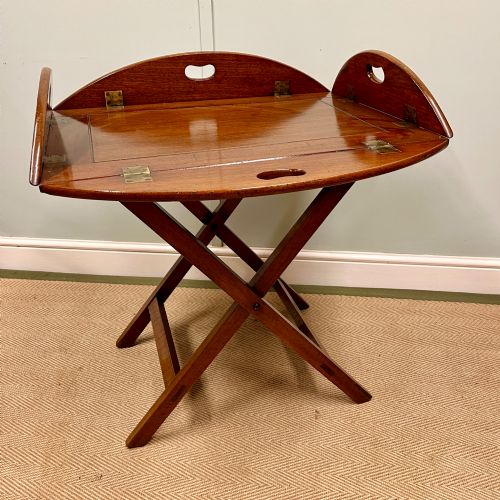
A victorian x frame table functions as a portable folding stand designed for domestic utility and occasional service. These pieces typically take the form of folding coaching tables constructed with crossing supports that collapse flat for storage.
The material record shows timber examples produced across the nineteenth century, aligning with related folding furniture and serving tables from the period. Buyers find these items useful for flexible living spaces where traditional fixed furniture proves too cumbersome.
What varies in quality
The refinement of the timber selection and the precision of the pivot mechanism determine the upper tier of execution. Superior examples display carefully chosen grain patterns and tight joints that operate smoothly without excessive lateral play.
Lesser pieces often reveal utilitarian construction with coarser timber grades and simpler iron hardware rather than refined brass components. The integrity of the folding action and the straightness of the crossing legs dictate the lasting stability of the piece.
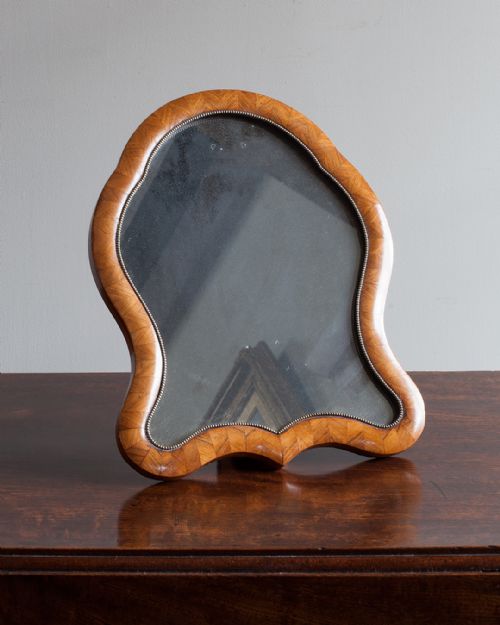
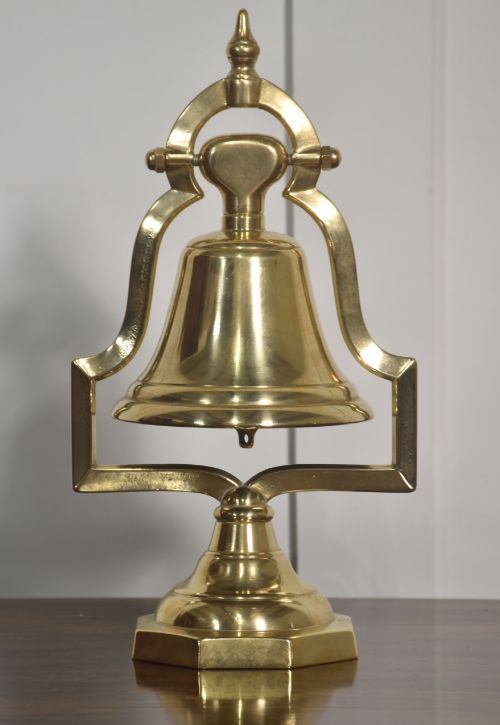
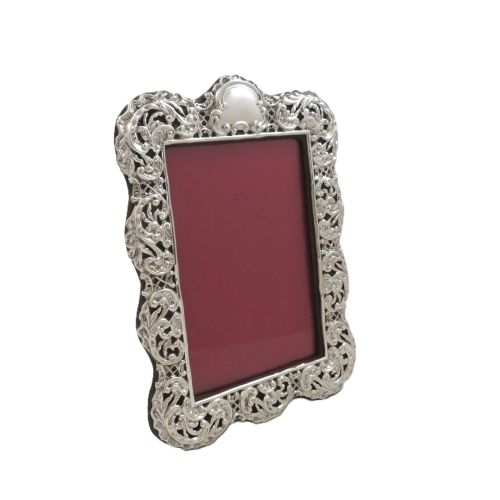
Current listings feature Victorian folding tables alongside diverse items including brass table bells, silver photo frames, and skeleton clocks.
William Comyns·Henry Matthews·Mappin Brothers·Frank Moss Bennett·Alexander Rosell
The Victorian X Frame Table Glossary
- X frame
- A structural support design formed by two diagonal members crossing in the centre to resemble the letter X. This configuration provides inherent stability while permitting the object to fold flat.
- Coaching table
- A portable folding table originally transported in carriages for dining or writing on journeys. These tables utilise folding bases beneath removable tray tops.
- Mahogany
- A durable tropical hardwood prized by nineteenth century makers for its rich reddish brown tone and resistance to warping. It offers exceptional strength for folding furniture frames.
- Oak
- A hard native timber utilised for sturdy utilitarian furniture throughout the Victorian era. Its prominent grain pattern provides robust durability for daily domestic service.
Victorian X Frame Table: Frequently Asked Questions
How do you fold a victorian x frame table?
The crossing wooden legs pivot on a central axis pin, allowing the frame to draw together into a flat assembly. Many versions feature a removable top that lifts off before the base collapses.
Users simply guide the two opposing sides inward once the surface is cleared. This mechanism was originally designed for rapid packing during travel or storage in compact quarters.
What rooms suit a victorian x frame table?
These versatile folding stands work well in living rooms as occasional side surfaces or in studies for extra desk space. Their compact footprint accommodates smaller interiors where permanent tables crowd the floor.
Historical examples also function effectively as decorative plant stands or hallway display surfaces. Owners appreciate the ability to move and store them easily as room layouts change.
How do I identify a nineteenth century folding table?
Examine the timber species, joinery methods, and hardware for period characteristics consistent with nineteenth century workshop practices. Hand cut joints and patinated mahogany or oak surfaces typically indicate genuine Victorian production.
The absence of modern particle boards and the presence of forged iron or early brass pivots confirm traditional manufacturing methods. Comparing the framing style to recorded coaching tables helps verify the era.
Did these tables always have removable tops?
Many coaching style examples pair a folding X shaped base with a separate tray top that lifts off the frame. This dual construction maximised portability by allowing the components to travel flat.
Other variations incorporated hinged surfaces, but the loose tray top remains common among surviving nineteenth century specimens. This design let servants carry items directly from the kitchen on the tray before mounting it onto the stand.