

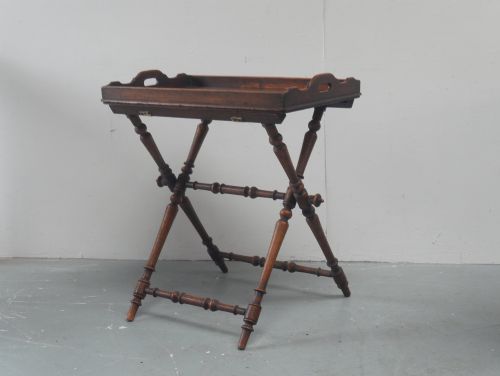




Carved X Frame Table
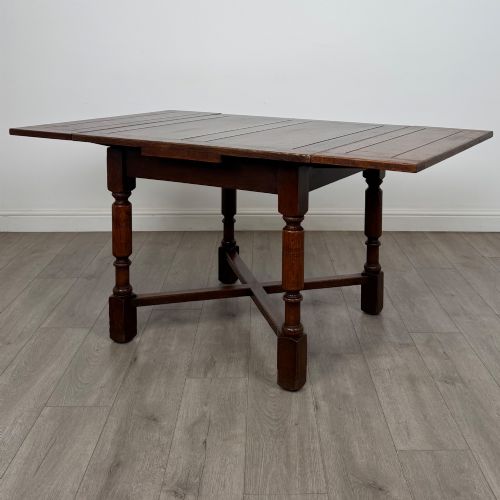
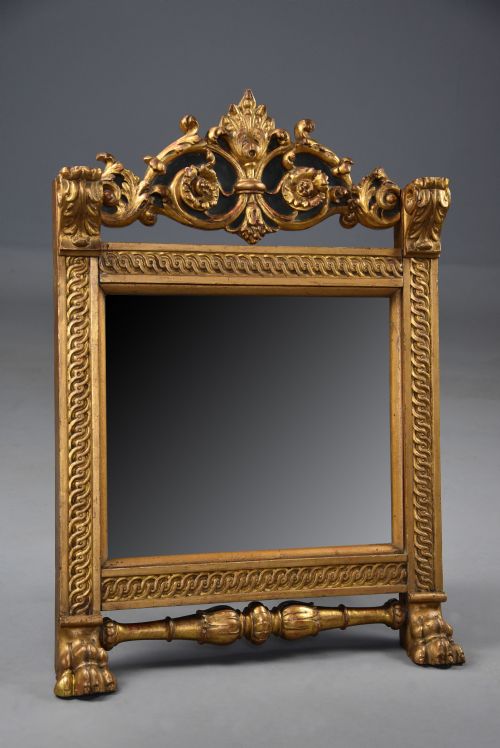
These carved x frame table selections bring together diverse period designs in wood, brass, and giltwood.
Carved X Frame Table
A carved x frame table connects to a lineage of intersecting stretcher supports found across centuries of furniture design. When looking for a carved x frame table, expect variations that range from sturdy oak and mahogany occasional pieces to ornate walnut and giltwood forms.
The materials and styles span periods from the eighteenth century through the Edwardian era, incorporating influences such as Victorian, Regency, and French Rococo. Many examples manifest as stools, occasional tables, or folding stands rather than standard four-legged dining furniture.
These items originate from workshops and makers across Britain and continental Europe, utilising timbers like oak, walnut, and mahogany alongside decorative metals and glass.
How they were made
Craftsmen shaped these pieces using dense hardwoods such as oak, mahogany, and walnut, often employing mortise and tenon joinery for stability in folding or stationary frames. Carving was executed by hand directly into the timber, defining the characteristic intersecting x-shaped supports.
Surface treatments included wax polishing for exposed grain, giltwood applications over gesso, and occasional painted finishes on regional furniture. Brass fittings, leather upholstery, and copper insets frequently complemented the structural woodwork.
What varies in quality
The distinction between tiers rests upon the crispness of the hand-carved details and the selection of timber figures, such as dense Cuban mahogany or figured walnut. Finer items demonstrate deliberate joinery execution where the x-frame intersections meet, ensuring structural integrity without clumsy bracing.
Proportion and execution define the hierarchy, where balanced proportions in the frame and refined surface patination elevate an object above standard utilitarian production.
Gillows·P & MA Nicholson·R Pernice·Purvis of London
The Carved X Frame Table Glossary
- X-frame
- A furniture support structure formed by two intersecting diagonal members resembling the letter X. This configuration provides both structural load-bearing strength and decorative visual rhythm.
- Giltwood
- Timber that has been coated with a thin layer of gold leaf or powder over a prepared gesso ground. It appears frequently on decorative mirrors and frames from the eighteenth and nineteenth centuries.
- Mahogany
- A durable tropical hardwood prized for its deep reddish-brown tone and stable grain. It served as a primary material for high-grade furniture during the Georgian and Victorian periods.
- Occasional table
- A small, movable table designed for specific, intermittent use within a room. These formats include side tables, tray stands, and lamp tables.
Carved X Frame Table: Frequently Asked Questions
What is a carved x frame table?
A carved x frame table is a piece of furniture defined by its intersecting diagonal leg or stretcher supports, often enhanced with hand-carved details. These pieces appear in various historic timber types and decorative styles.
They function as versatile display surfaces or accent pieces within traditional and eclectic interiors.
How do I identify the period?
Period identification relies on observing the combination of timber species, carving motifs, and construction methods. For instance, heavier oak framing often points toward earlier vernacular traditions, while refined mahogany reflects Georgian or Victorian sensibilities.
Examining secondary woods and hardware fasteners provides further chronological context.
Where were these tables used?
These tables served primarily as occasional furniture in formal drawing rooms, libraries, and parlours. Their portable nature allowed them to be moved easily for serving drinks or displaying decorative objects.
Folding versions were particularly convenient for temporary use in various rooms.
How do I care for historic wood?
Historic timber surfaces benefit from regular dusting with a dry, soft cloth and occasional applications of traditional beeswax to nourish the grain. Direct sunlight and sudden humidity changes should be avoided to prevent wood splitting.
Keeping giltwood and brass components clean preserves their historical surface patination.