


Victorian Wooden Ottoman
A victorian wooden ottoman brings warmth and practical storage to a room through solid timber construction and upholstered comfort.
Victorian Wooden Ottoman
A victorian wooden ottoman typically takes the form of a low storage box, trunk, or upholstered footstool built during the nineteenth century. These pieces serve both to sit upon and to store household items inside.
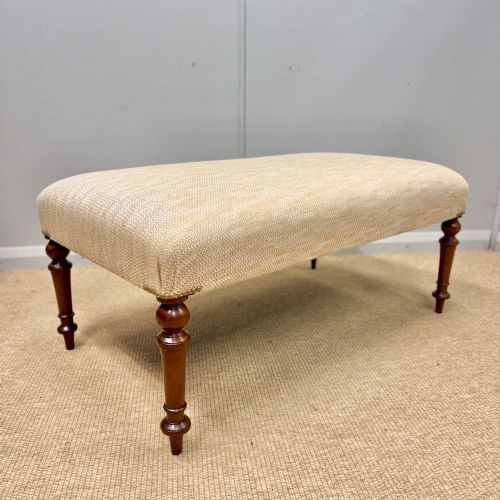
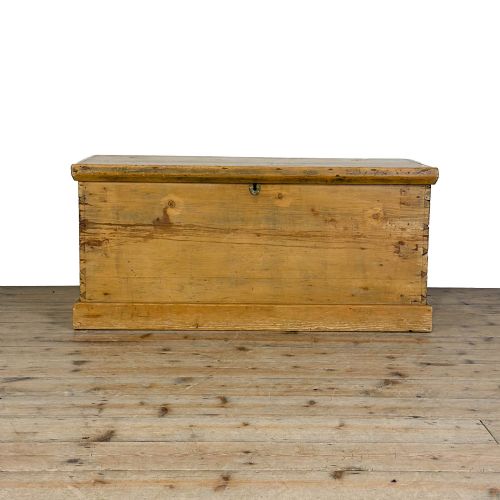
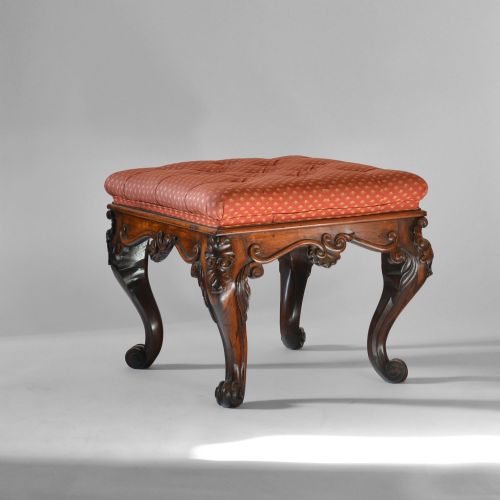
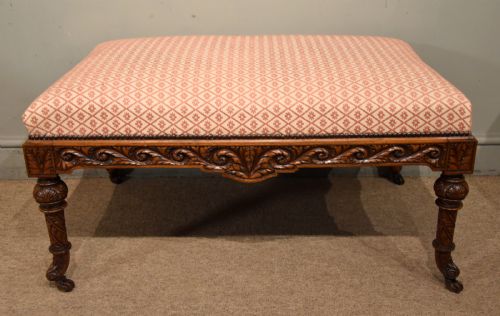
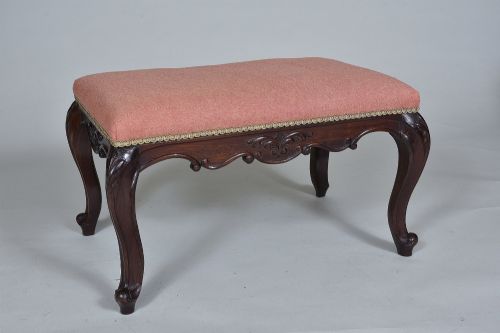
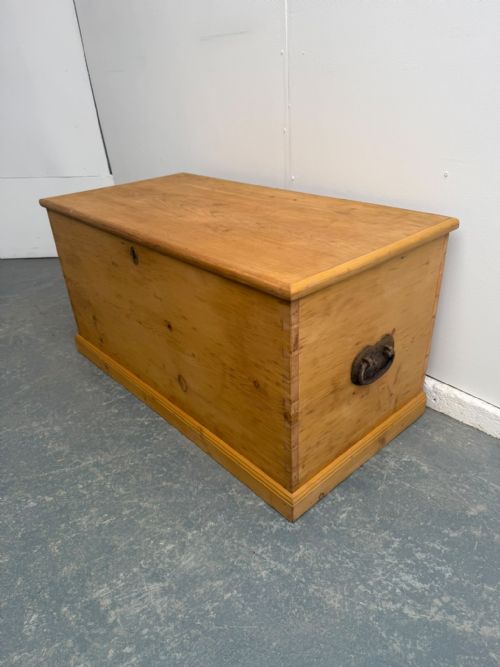
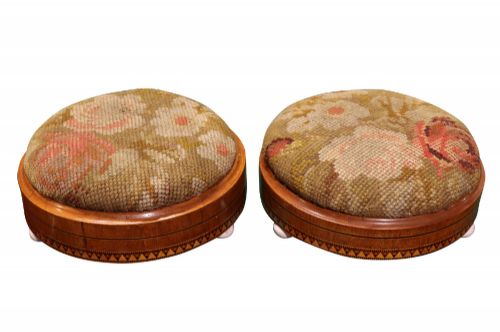
The selections available here range from stripped pine blanket boxes and mule chests to carved rosewood dressing stools and walnut window seats. Buyers most frequently encounter sturdy pine storage boxes alongside mahogany and walnut footstools.
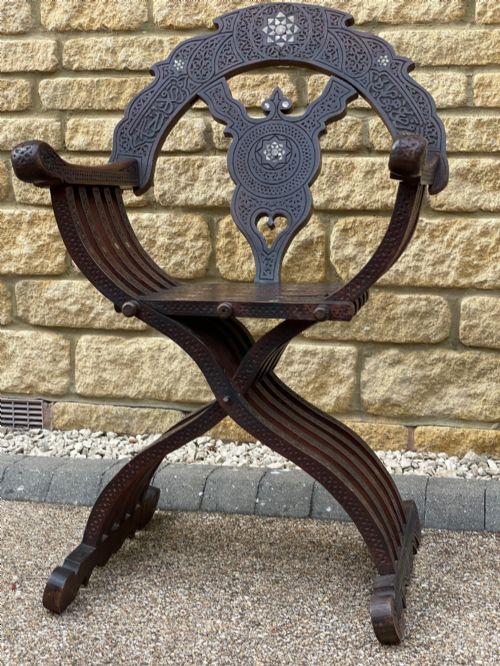
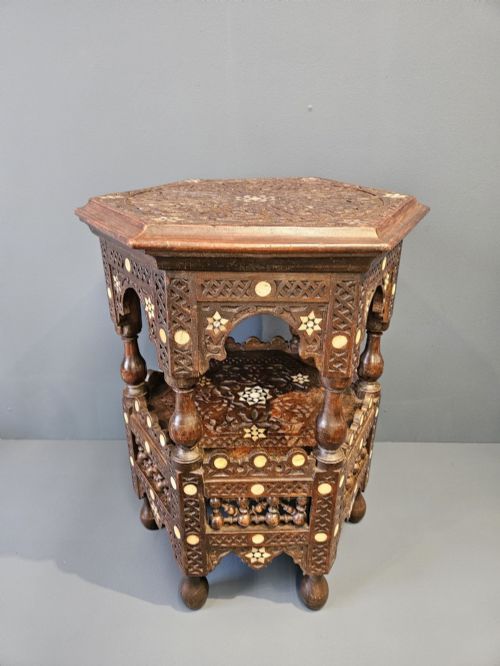
Origins stretch across English country house styles, Moorish revival pieces, and Anglo-Indian designs, reflecting the varied tastes of the period. Each item combines a wooden frame or box structure with functional utility for daily living.
Materials and construction methods
Carpenters and cabinet makers utilised native and exotic timbers including mahogany, walnut, rosewood, and pine for the main structures. Solid wood construction forms the core of these items, often joined with traditional corner joints in storage chests.
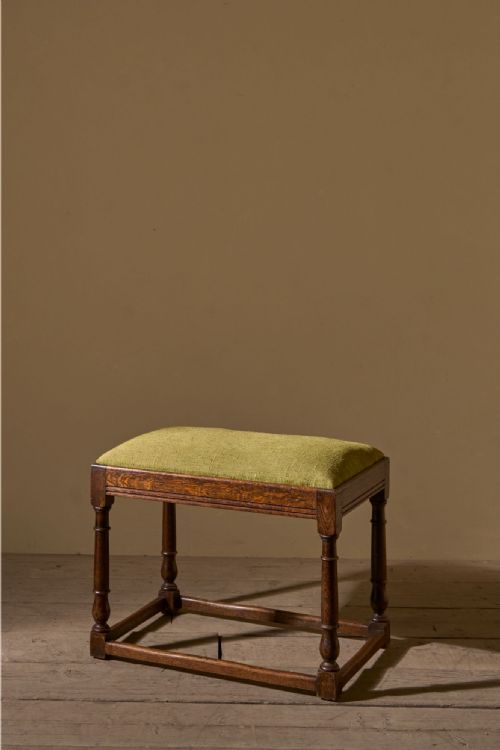
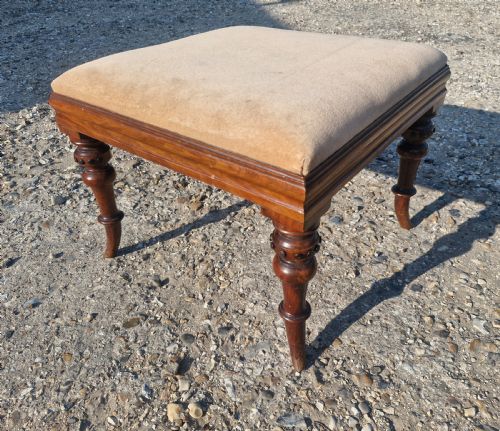
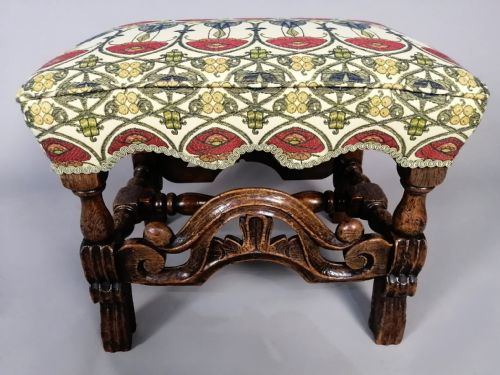
Upholstery techniques applied textiles such as velvet, heavy linen, tapestry, and woven rattan over padded seats or hinged lids. Decorative flourishes involved hand carving, mother of pearl inlay, and turned legs.
Surface treatments range from wax finishes on pine boxes to polished mahogany and rosewood on refined parlour seating. Brass hardware frequently appears on trunks and cabinets for hinges and carrying handles.
The inventory spans the nineteenth century, including Georgian survivals and early twentieth-century Moorish revival examples.
Evaluating craftsmanship and condition
The distinction between ordinary utility pieces and superior items lies in the selection of timber and the ambition of the carving. Finely figured walnut and rosewood paired with intricate hand-carved details elevate a piece above utilitarian pine storage.
Construction integrity dictates longevity, particularly in the joints of stools and the heavy lids of blanket boxes. Original upholstery textiles and secondary additions of fresh linen or velvet change the character of the seating surface.
Proportion and decorative style separate standard regional work from high-status examples influenced by Moorish, Gothic, or Rococo revivals. The crispness of carved mouldings and the retention of original hardware complete the assessment.
The Victorian Wooden Ottoman Glossary
- Mule chest
- A storage chest featuring one or more drawers beneath the main lifting compartment. This form bridges the gap between a traditional blanket box and a low chest of drawers.
- Gout stool
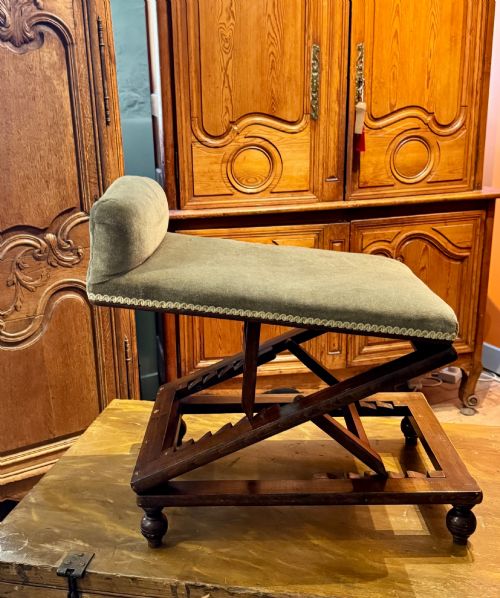
- An adjustable footstool designed to elevate the foot or leg at a comfortable angle. These often include mechanical adjustments for height and tilt.
- Window seat
- An elongated stool or bench scaled to sit comfortably beneath a window frame. They frequently feature upholstered tops and carved wooden legs.
- Moorish revival
- A decorative style inspired by Islamic architecture and craft. Pieces often incorporate geometric lattice work and intricate mother of pearl inlay.
- Cabriole leg
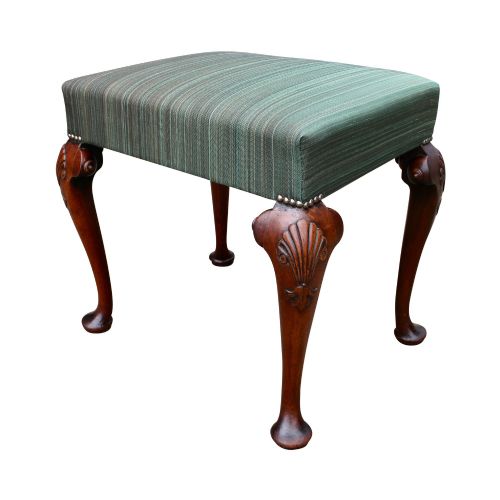
- A furniture leg that curves outward in a convex arc and then bends inward in a concave arc, ending in a pad or scroll foot.
Victorian Wooden Ottoman: Frequently Asked Questions
How were these ottomans used originally?
Households utilised these wooden chests and stools for storing blankets, linens, and garments in bedrooms and living spaces. Footstools provided comfort beside firesides while larger boxes doubled as benches.
Many designs served dual purposes, concealing possessions inside while offering a padded surface for seating or resting feet during long evenings.
Where should I place an ottoman in my home?
These pieces fit naturally at the foot of a bed, beneath a window as a low seat, or beside a sofa as a coffee table substitute. Their low profile prevents them from blocking views or light.
Storage variants work well in hallways for shoes and accessories, while upholstered footstools anchor a seating arrangement in a living room.
How do I clean and maintain antique wood?
Regular dusting with a dry, soft cloth prevents particulate buildup on carved surfaces and polished timber. Applying a quality beeswax periodically nourishes dry wood without leaving heavy residues.
Keep wooden items away from direct heat sources and strong sunlight to prevent the timber from warping or splitting over time.
How can I tell a Victorian piece from older styles?
Victorian furniture frequently exhibits a blend of historical revival styles, combining Gothic, Rococo, and exotic influences within a single piece. Machine-sawn timber marks and standardised hardware often accompany later nineteenth-century manufacture.
Examining the underside and interior surfaces reveals tool marks and construction methods consistent with industrial-era workshop practices.