

Victorian Walnut Ottoman
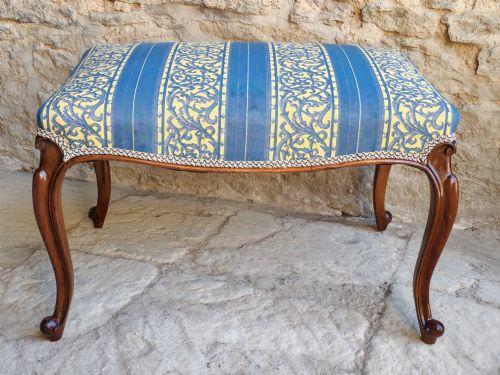
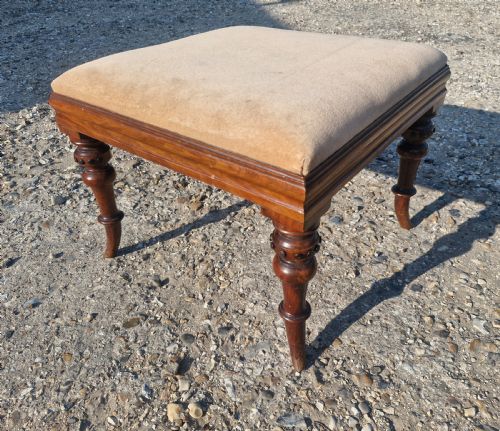
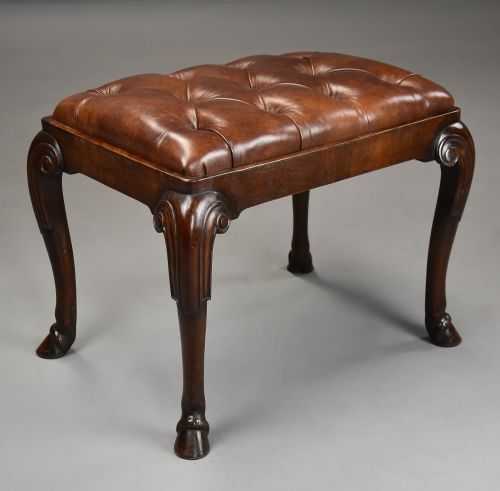
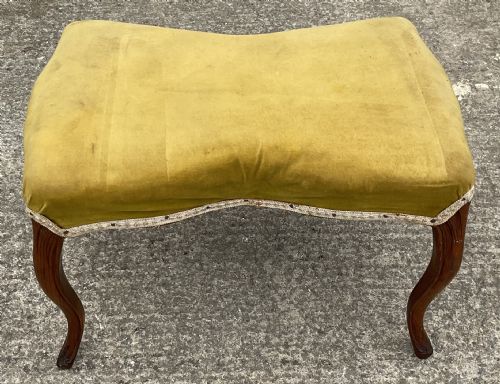
These Victorian walnut ottomans bring a sturdy nineteenth-century framework and rich upholstery into a room.
Victorian Walnut Ottoman
A Victorian walnut ottoman is a low upholstered seat or stool built during the nineteenth century, often doubling as a storage box or window seat. These pieces appear frequently alongside footstools, fender stools, and centre stools originating from the Regency period through to 1900.
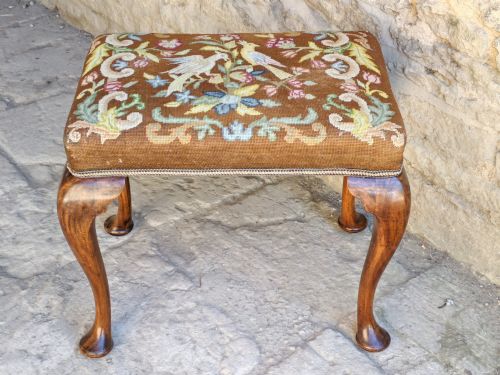
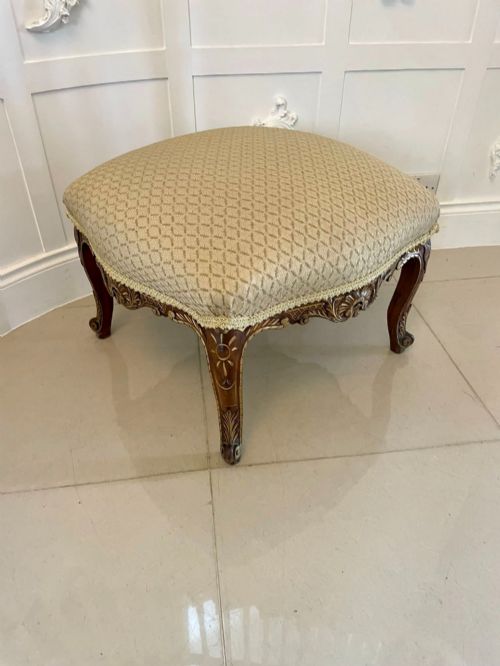
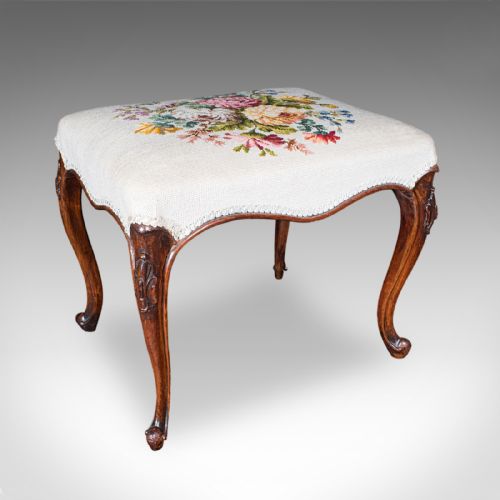
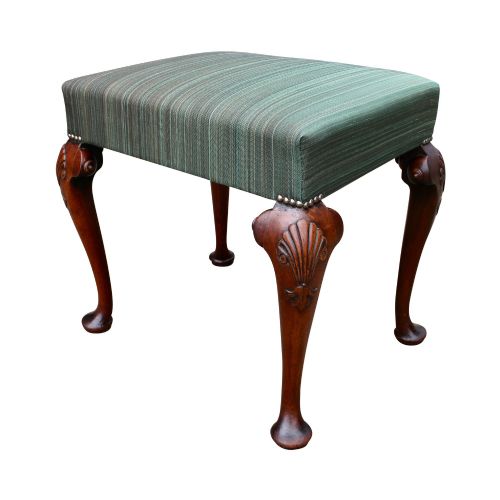
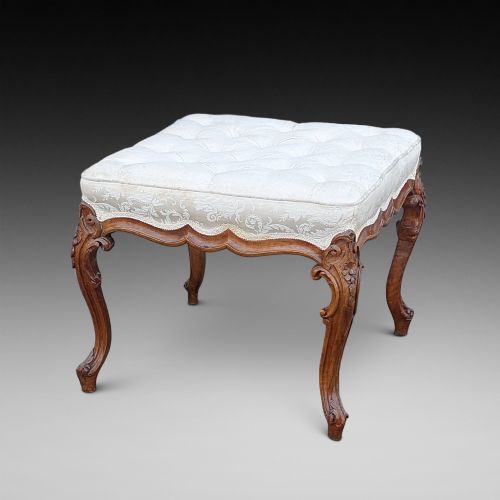
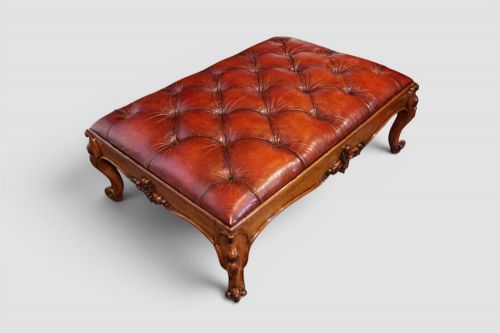
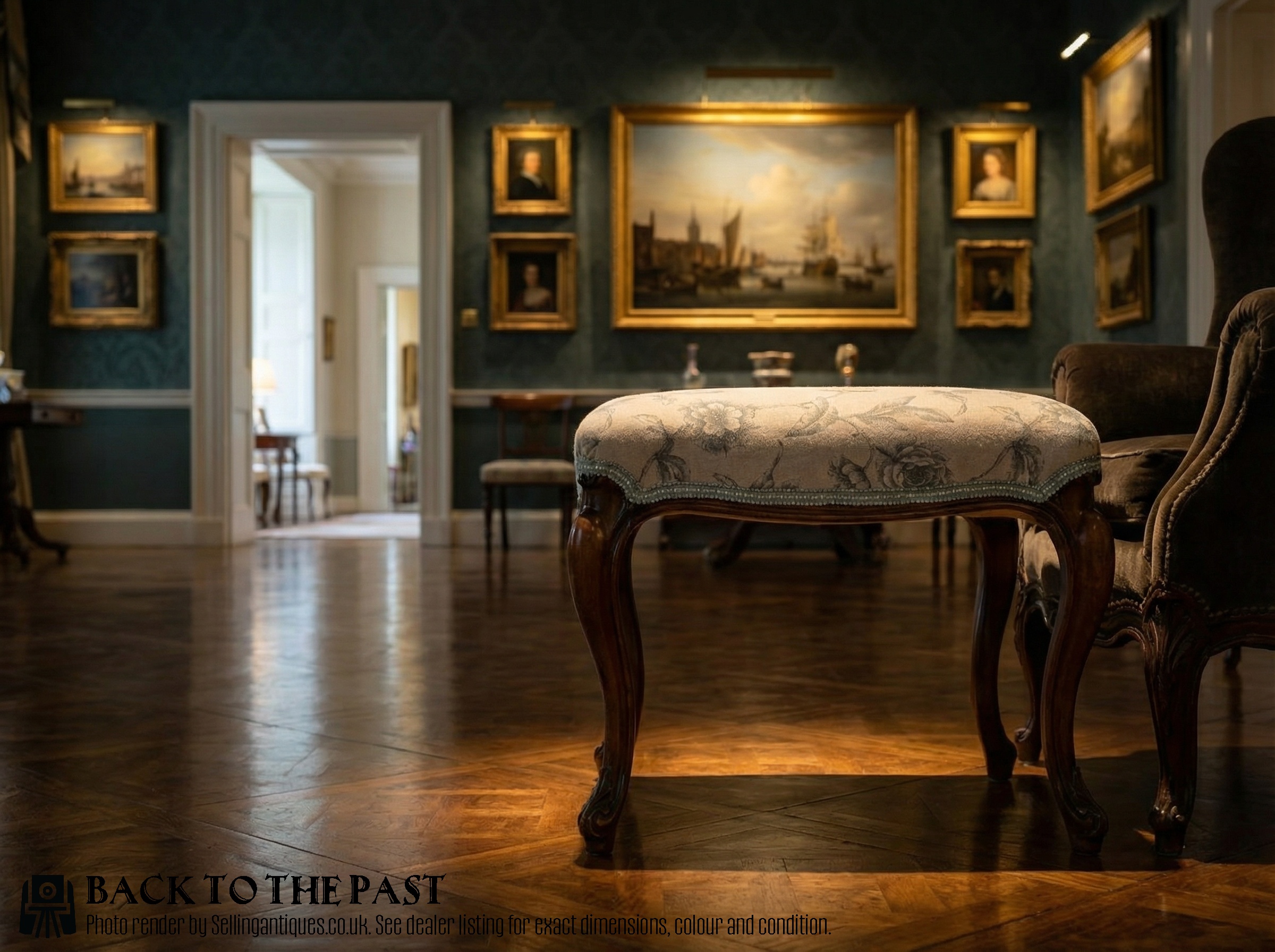
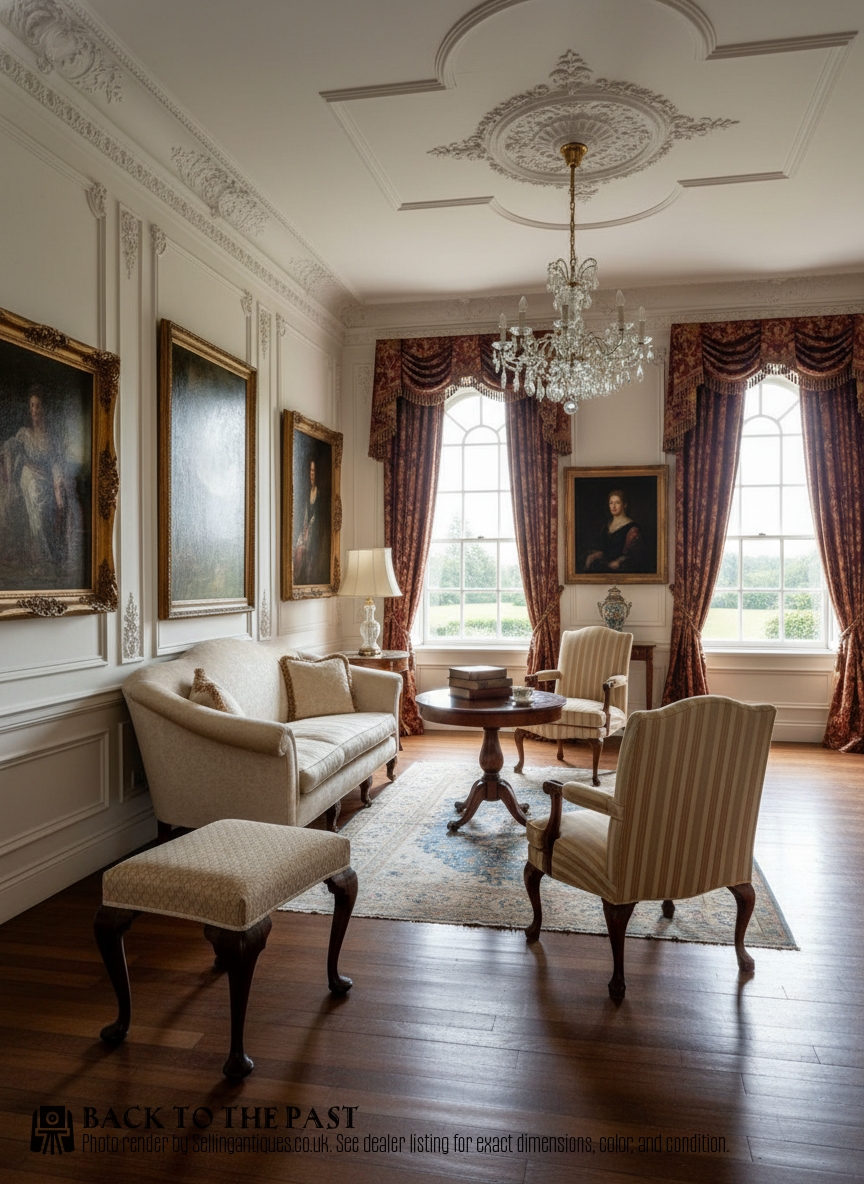
The versions most commonly met on this page feature solid walnut or burr walnut frames with cabriole legs, occasionally styled with Queen Anne revival details or carved Victorian woodwork. They serve as fireside companions, library window seats, or low coffee tables when topped with leather or textile upholstery.
How they were made
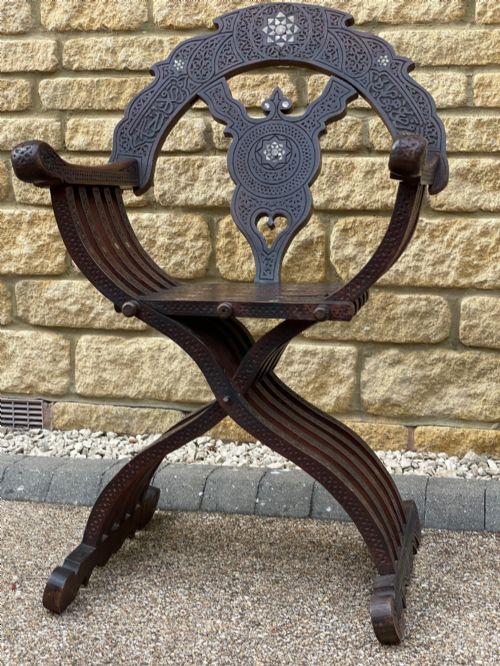
Makers fashioned the structural frames from walnut and burr walnut, employing hand-carving techniques for cabriole legs, scrollwork, and decorative flourishes. Some pieces incorporate brass fittings, mother-of-pearl inlay, or ebonised accents alongside the exposed timber frames.
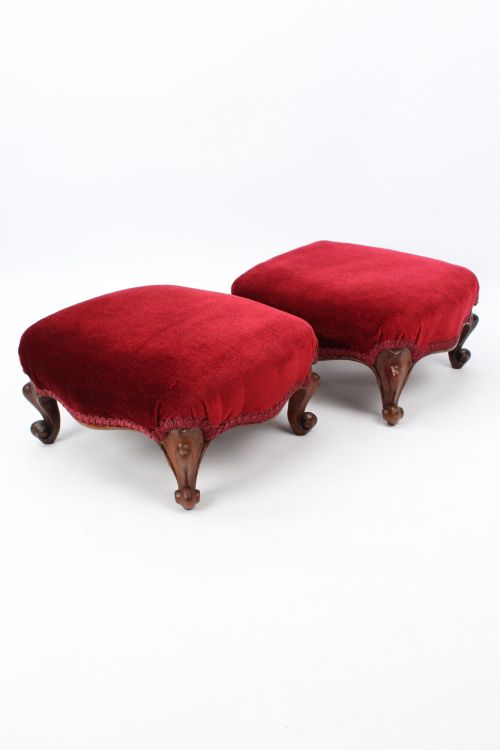
Upholstery methods relied on traditional stuffing finished with textiles such as needlepoint, tapestry, velvet, wool, damask, or hand-dyed leather. Frames were built to endure heavy daily use as footstools, window seats, and storage ottomans.
Victorian Walnut Ottoman Retail Price Guide 2026
Typical asking prices for victorian walnut ottoman among the pieces listed under this phrase on Sellingantiques today, from the lower quarter to the upper quarter. They describe what is for sale here now, not the wider market.
Listings feature walnut, textile, fabric, brass, velvet, tapestry, leather, and wool across Victorian, Regency, and early nineteenth-century periods.
What varies in quality
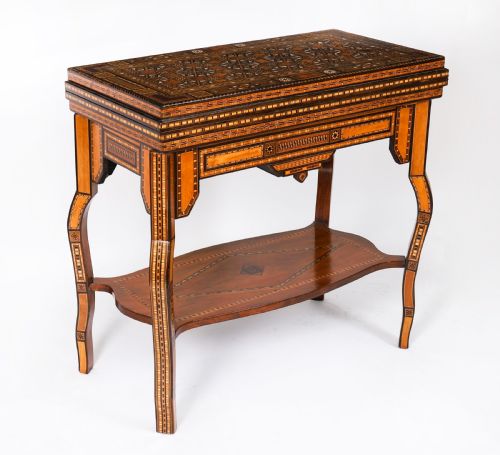
The refinement of the carved walnut woodwork separates standard examples from exceptional ones, with crisp detailing on cabriole legs and frames showing superior craftsmanship. Burr walnut veneers and intricate inlay work, such as Syrian mother-of-pearl or Damascan patterns, indicate higher ambition in the workshop.
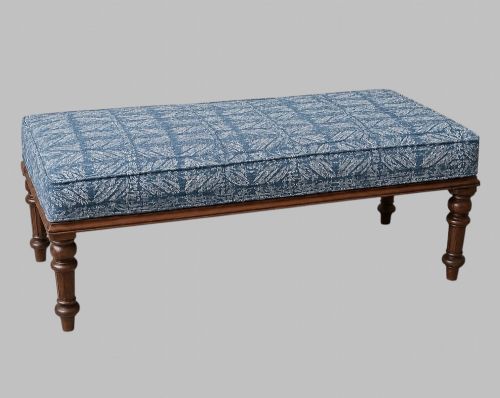
The standard and appropriateness of the upholstery also dictate the character of the piece, whether retained with original fabric, needlepoint, and tapestry or professionally recovered in quality textiles like linen and leather.
The Victorian Walnut Ottoman Glossary
- Cabriole leg
- A furniture leg that curves outward and then tapers inward, mimicking an animal's leg. This form appears frequently on mid-nineteenth-century walnut stools.
- Burr walnut
- Wood taken from a walnut tree growth containing distorted grain patterns, creating highly figured decorative surfaces. Makers utilised this veneer on prominent panels and ottoman lids.
- Fender stool
- A long, low stool designed to sit beside a fireplace hearth. These pieces are often narrow and span a considerable width.
- Needlepoint
- A type of canvas work embroidery used historically to cover seat tops and footstools. It provides a textured, decorative surface in wool or silk.
- Ottoman
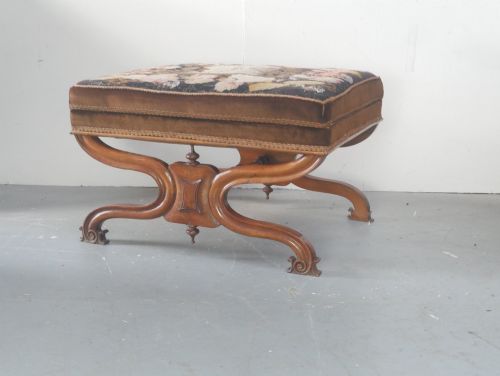
- An upholstered seat or stool without arms or a back, occasionally constructed with a hinged lid for storage. Victorian variants range from small footstools to large box forms.
Victorian Walnut Ottoman: Frequently Asked Questions
What is the difference between an ottoman and a footstool?
An ottoman typically offers a larger upholstered surface and frequently incorporates a hinged box or trunk for storage beneath the seat. Footstools are generally smaller, lower to the ground, and designed purely for resting the feet.
Both forms utilise nineteenth-century walnut frames and similar textile coverings, but their internal construction and intended uses diverge.
How are these pieces dated?
Datings rely on stylistic indicators such as cabriole leg shapes, revival movements like Queen Anne or Scottish Baronial, and construction methods. Mid-nineteenth-century pieces often display characteristic Victorian carving.
Archival comparisons and material combinations, including burr walnut veneers and specific upholstery textiles, further clarify the period.
Can these ottomans be used as coffee tables?
Many sturdy Victorian walnut stools and ottomans function well as coffee tables, particularly those upholstered in durable leather or firm textiles. Their low profile suits modern living spaces.
Larger rectangular examples and buttoned leather variations provide a stable surface while retaining their antique character.
What styles of decoration appear on these frames?
Frames exhibit various revival styles including Queen Anne, William and Mary, and Scottish Baronial, alongside Syrian and Moorish influences. Carvings range from simple fluted legs to elaborate Rococo curves.
Inlay techniques, including mother-of-pearl and contrasting ebonised woods, also distinguish specific regional workshops.