

Victorian Wooden Chairs
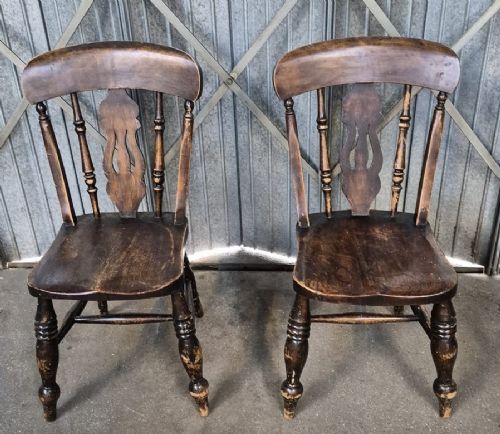
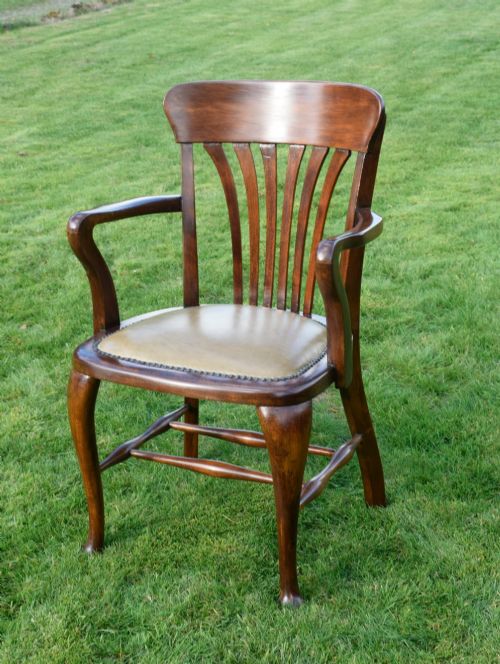
Victorian wooden chairs are robust nineteenth-century seating pieces built in mahogany, oak, walnut, elm, and ash for dining rooms and hallways.
Victorian Wooden Chairs
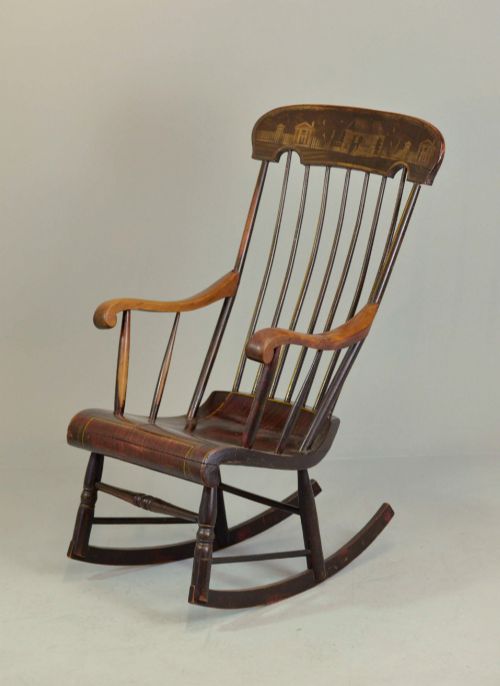
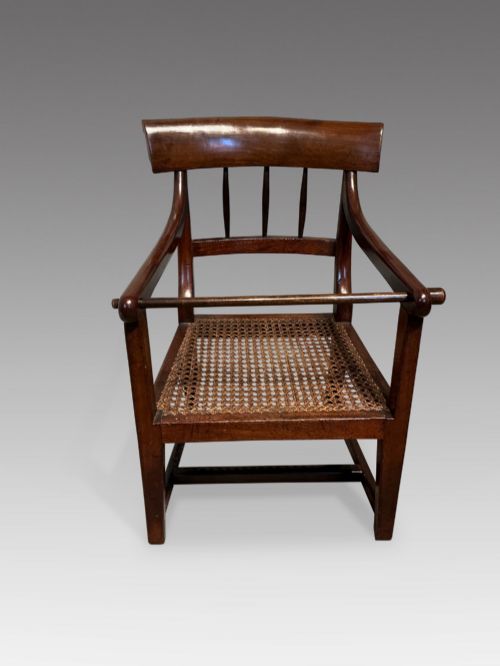
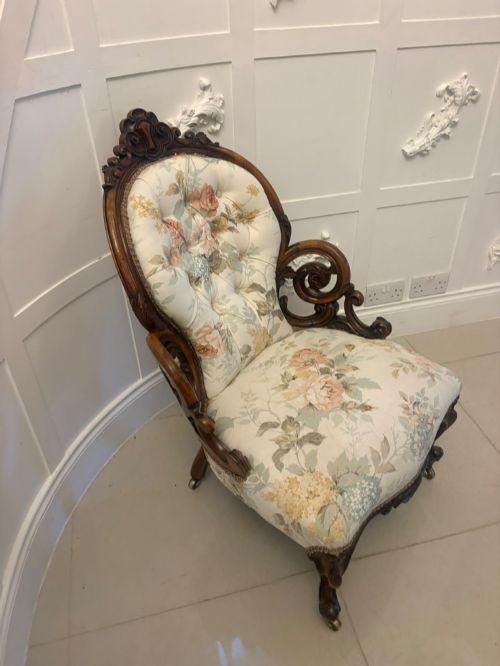
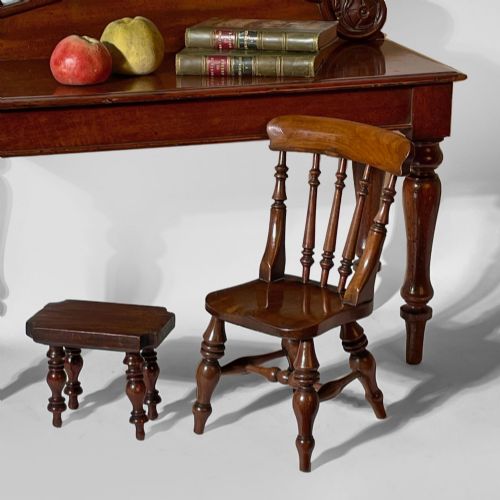
Victorian wooden chairs encompass functional seating solutions produced during the nineteenth century, with specific examples appearing from around eighteen eighty and the broader Victorian era. Buyers searching this phrase encounter sturdy furniture designed for specific domestic roles rather than general lounging.
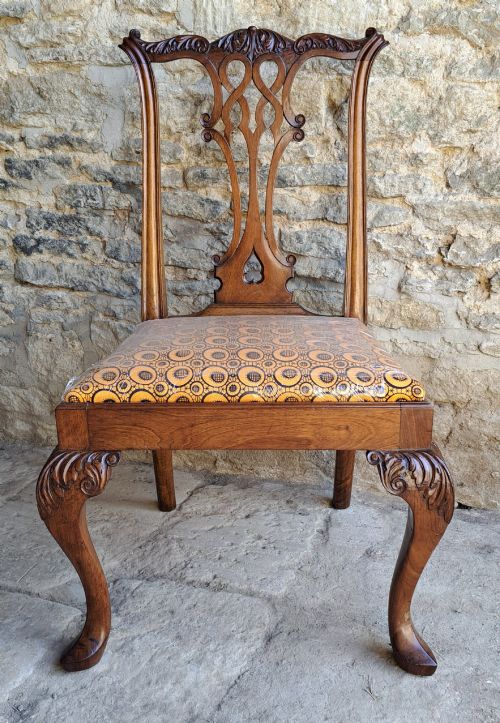
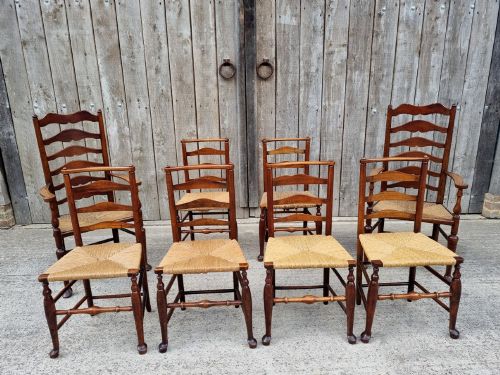
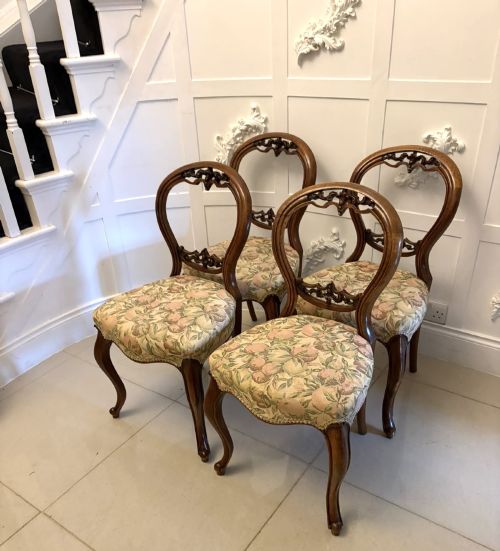
The current selection divides into two primary forms: dining chairs and hall chairs. Dining chairs emerge in sets of four or six, constructed from timbers such as walnut, mahogany, elm, and ash.
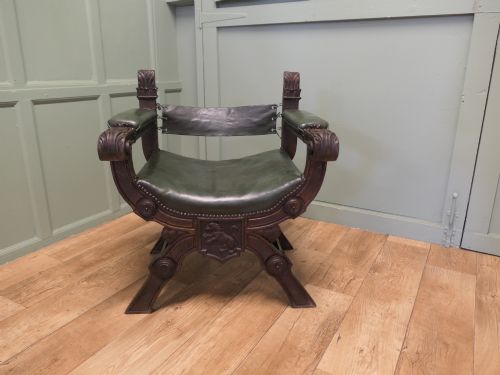
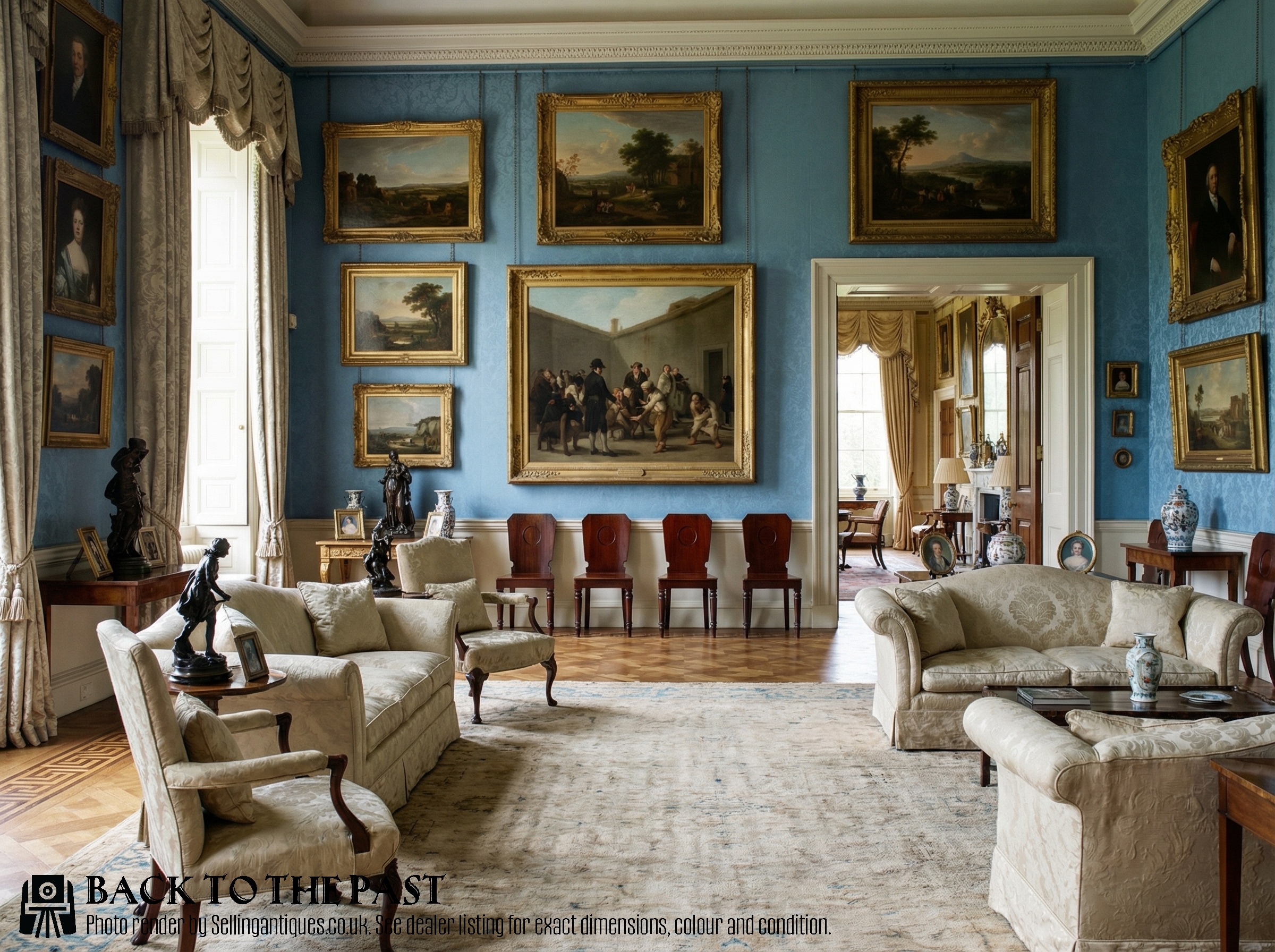
Hall chairs appear as pairs or larger sets featuring carved shield backs or heraldic motifs in mahogany and oak. These pieces reflect the varied domestic requirements of nineteenth-century households, ranging from formal dining spaces to utilitarian entrance halls.
Materials and construction
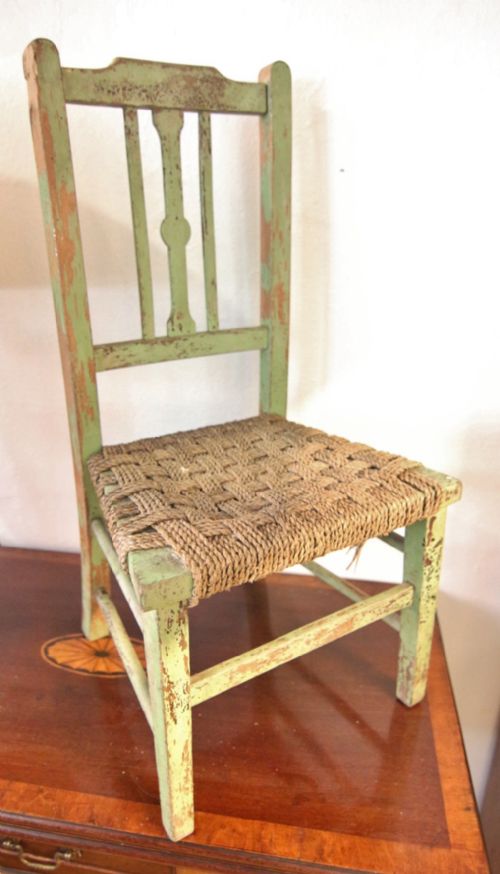
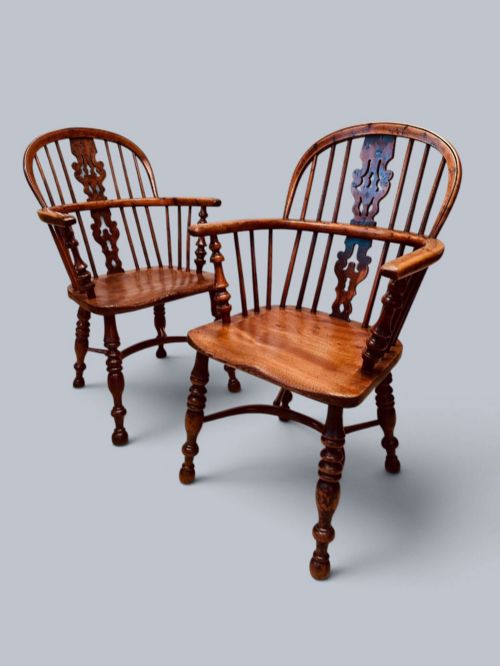
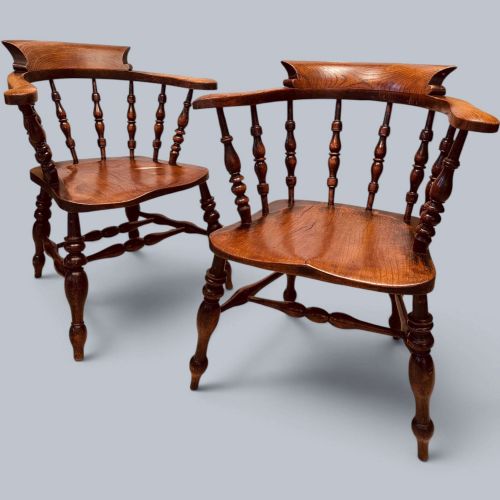
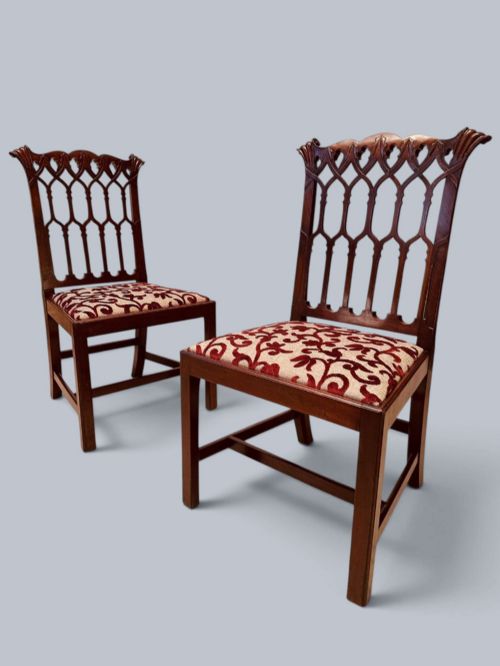
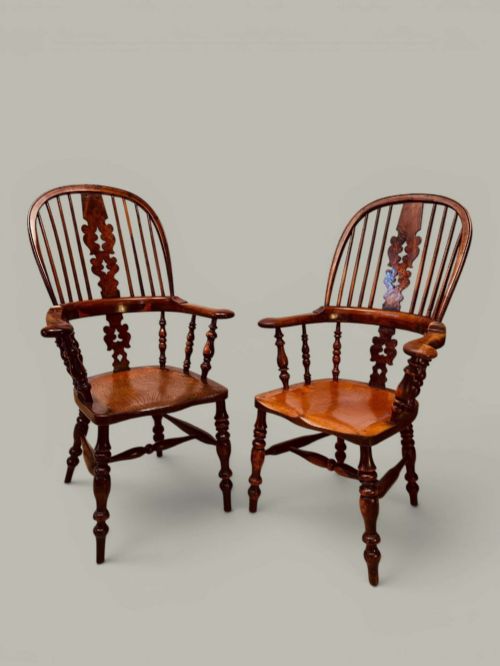
Cabinet makers utilised a variety of native and imported hardwoods to build these items. Mahogany, walnut, and oak dominate the formal dining and hall seating, whilst elm and ash appear in regional kitchen chairs.
Joinery methods involved traditional framing and turning techniques suited to the specific timber properties. Seat pads occasionally incorporate fabric upholstery alongside solid wood surfaces.
Victorian Wooden Chairs Retail Price Guide 2026
Typical asking prices for victorian wooden chairs among the pieces listed under this phrase on Sellingantiques today, from the lower quarter to the upper quarter. They describe what is for sale here now, not the wider market.
Available forms on this page include pairs, sets of three, sets of four, and harlequin sets of six.
Distinguishing quality
Quality in these items rests upon the choice of timber and the ambition of the carved or turned design. Finer examples display figured mahogany or walnut veneers, or well-executed heraldic carvings on hall chair backs.
Makers such as Holland & Sons demonstrate superior workshop output through precise execution and substantial proportions. Conversely, simpler country kitchen chairs rely on the honest pairing of elm and ash without elaborate ornamentation.
Holland & Sons
The Victorian Wooden Chairs Glossary
- Hall Chair
- A rigid wooden seat placed in an entrance hall, typically featuring a solid wooden back decorated with carved shields or heraldic emblems rather than upholstered comfort.
- Harlequin Set
- A collection of chairs that match in general style and period but vary slightly in minor details, often assembled together from similar nineteenth-century workshops.
- Shield Back
- A chair back shaped like a heraldic shield, commonly found on nineteenth-century hall and side chairs carved from mahogany or oak.
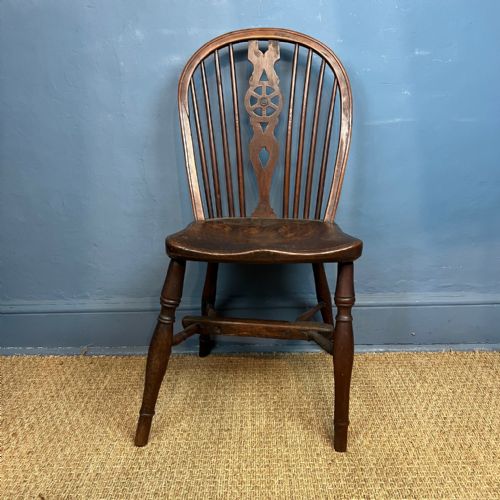
- Windsor
- A traditional wooden chair style featuring a solid sculpted seat into which the legs and spindles of the back are directly socketed.
Victorian Wooden Chairs: Frequently Asked Questions
What is a harlequin set?
A harlequin set consists of chairs that share a common period and style but differ in minor individual details. These collections were often gathered together over time.
They offer a practical solution for buyers seeking larger seating groups without requiring identical factory-made uniformity.
How are hall chairs used?
Hall chairs were traditionally positioned in entrance halls or corridors for temporary seating. Their rigid wooden construction and upright posture suited formal reception spaces.
Today, they function well as decorative accent pieces against walls or in smaller spaces.
Which woods were used?
Nineteenth-century makers utilised both dense hardwoods and flexible regional timbers. Mahogany and walnut appear in formal dining and hall settings, whilst elm and ash support country kitchen designs.
Oak also provides robust framing for shield back seating.
How do I care for them?
Maintain nineteenth-century timber by avoiding direct sunlight and excessive temperature changes. Regular dusting keeps the polished surfaces preserved.
Treat fabric upholstery according to the specific textile requirements.