



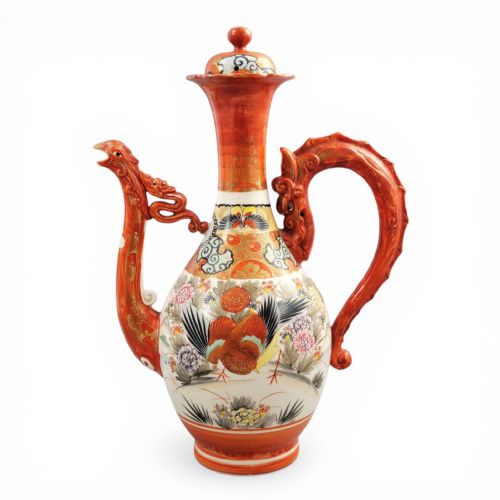


Victorian Wine Pitcher
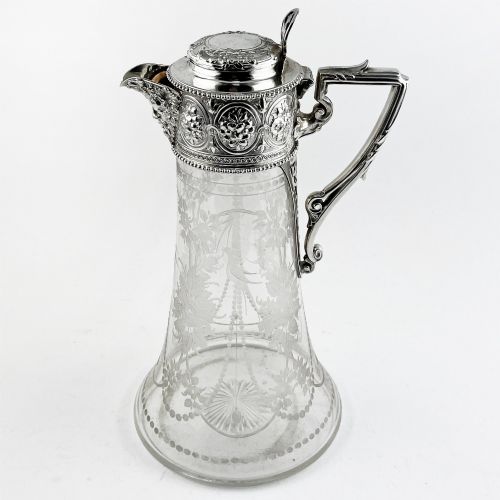
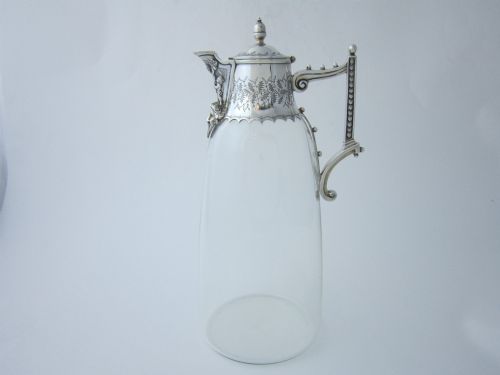
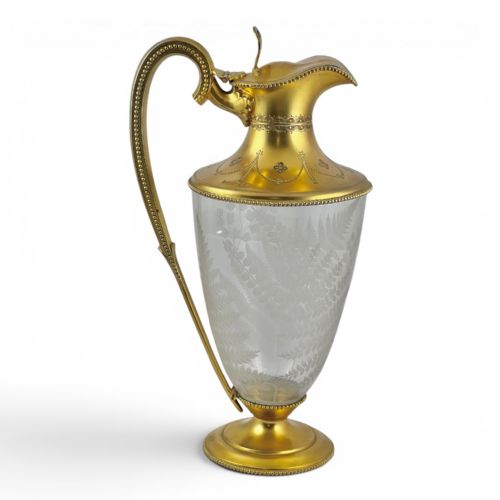
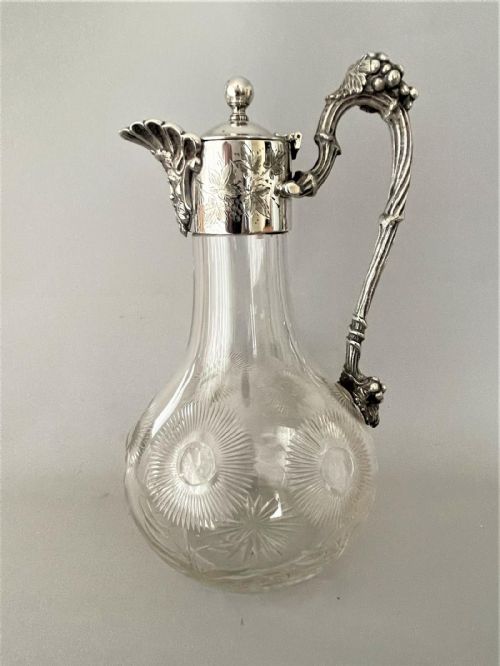
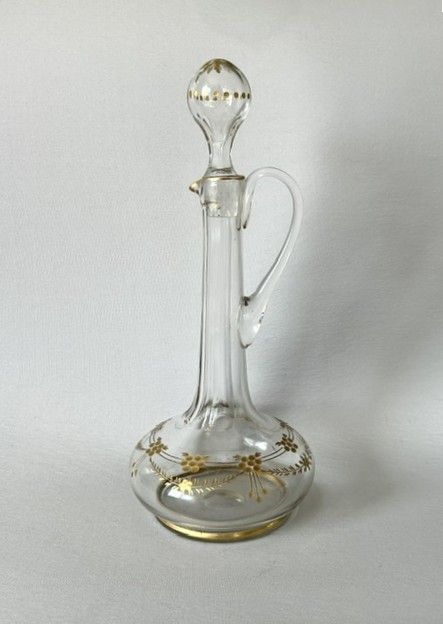
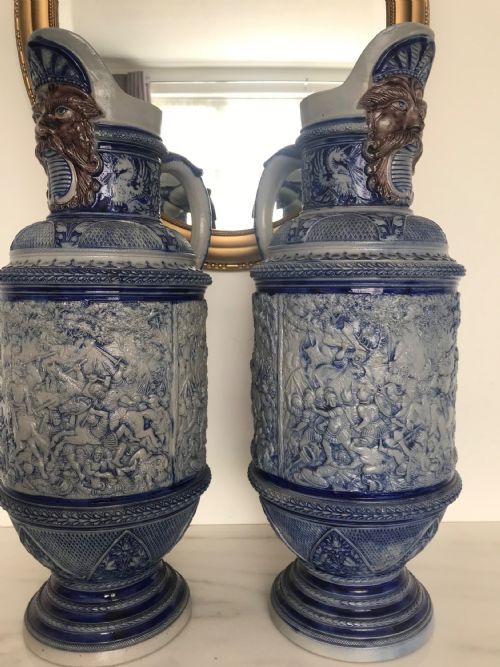
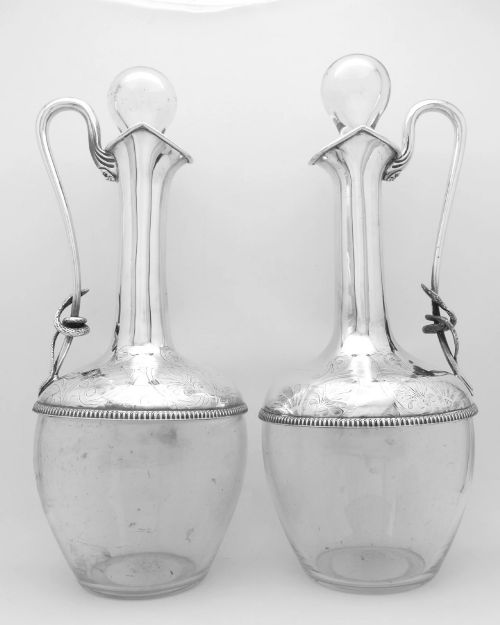
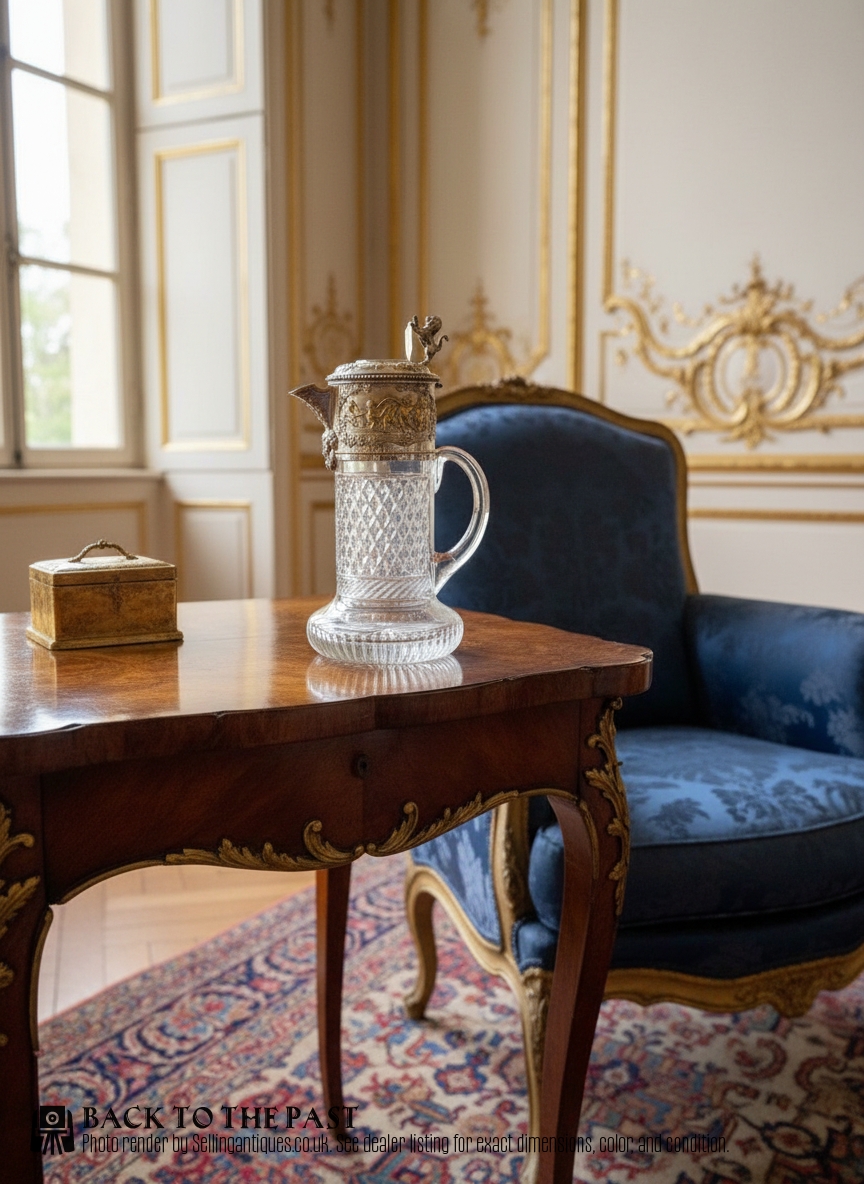
These Victorian wine pitcher examples combine cut glass and precious metal mounts to grace any dining table.
Understanding the Victorian wine pitcher
A Victorian wine pitcher brings nineteenth-century elegance to the table, taking the form of claret jugs and wine decanters mounted in silver plate, electrotype metal, or sterling silver. Buyers seeking a Victorian wine pitcher will find vessels designed for serving wine, spanning periods from eighteen-sixty through to the Edwardian era.
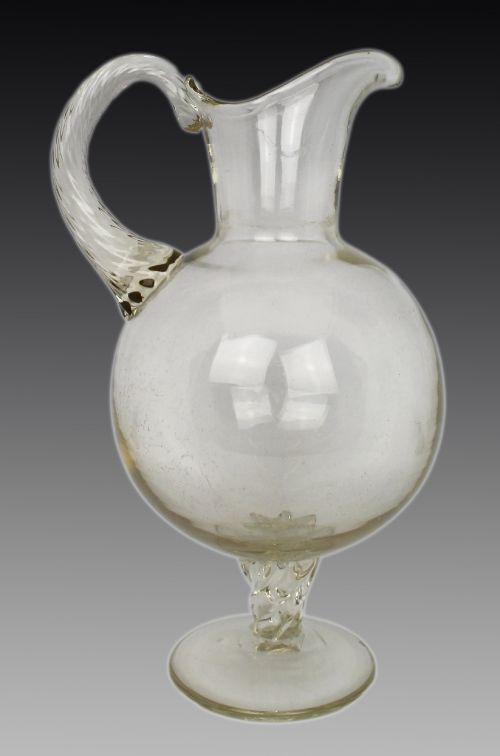
The objects listed range from silver-mounted cut crystal glass to cranberry glass wine decanters and electrotype jugs with matching beakers. These forms reflect the dining habits of the late nineteenth and early twentieth centuries, utilising clear, cut, and coloured glass alongside robust metal mounts.
Materials and construction
Maker's workshops combined heavy cut crystal glass and cranberry glass with sterling silver and silver plate, employing floral engraving and electrotype metal techniques. The metal mounts were secured around glass bodies designed to catch the light during formal dining.
Craftsmen shaped the glass through blowing and cutting, then fitted cast or electrotyped metal handles, collars, and hinged lids. This union of glass and metal required precise engineering to ensure the vessels remained balanced and functional.
Retail Price Guide 2026
Typical UK retail prices for victorian wine pitcher, calculated from the Sellingantiques database of over a million retail prices indexed since 2003. This retail price guide relies exclusively on Sellingantiques data; no external sources or auction records are used, so the figures do not describe the wider market.
Henry Bourne's electrotype jug comes with a matching beaker, ensuring nobody misses out on the claret.
Judging quality in these vessels
Quality rests in the crispness of the glass cutting and the weight of the silver or silver-plate mounts. Finer examples display deeply engraved floral motifs and substantial metalwork that feels balanced in the hand.
The distinction between standard production and superior work lies in the clarity of the glass and the detail present in electrotype or cast metal components. Maker attribution, such as work by Henry Bourne, elevates an example above unmarked pieces.
Henry Bourne
The Victorian Wine Pitcher Glossary
- Claret jug
- A specialised vessel designed for serving red wine, typically featuring a pourer and a hinged lid. These pieces form a large part of the available selection.
- Electrotype metal
- A metal object formed through an electrolytic deposition process onto a mould. This technique allowed intricate sculptural detail on nineteenth-century vessels.
- Cranberry glass
- A rich red-pink transparent glass coloured with gold chloride. It appears on Edwardian wine decanters in this selection.
- Sterling silver
- A silver alloy containing ninety-two point five percent pure silver by mass. It provides the high-status mounts found on mid-nineteenth-century jugs.
Frequently Asked Questions
What is a Victorian wine pitcher?
A Victorian wine pitcher is a serving vessel, often referred to as a claret jug or decanter, made from glass and mounted in silver or silver plate. They were used to serve wine at the dining table during the nineteenth and early twentieth centuries.
These pieces combine decorative glass bodies with metal handles and hinged lids. They reflect the formal dining practices of the period.
How do I date a silver mounted claret jug?
Dating relies on hallmarks stamped on the silver mounts, stylistic clues in the glass cutting, and documented maker marks. Victorian examples date from eighteen-sixty onwards.
Comparing the floral engraving styles and mount designs helps distinguish mid-Victorian pieces from later Edwardian items.
What is cranberry glass?
Cranberry glass is a distinctive red-pink transparent material created by adding gold to the molten glass batch. It was popular for decorative glassware and decanters.
Its rich colour makes these Edwardian decanters stand out among clear glass vessels.
Can I use these pitchers for serving wine today?
Many buyers choose to use these antique jugs for serving wine, much as their original owners did. The glass and metal construction remains robust for modern dining.
Careful hand washing preserves the silver plate and engraved glass surfaces.