
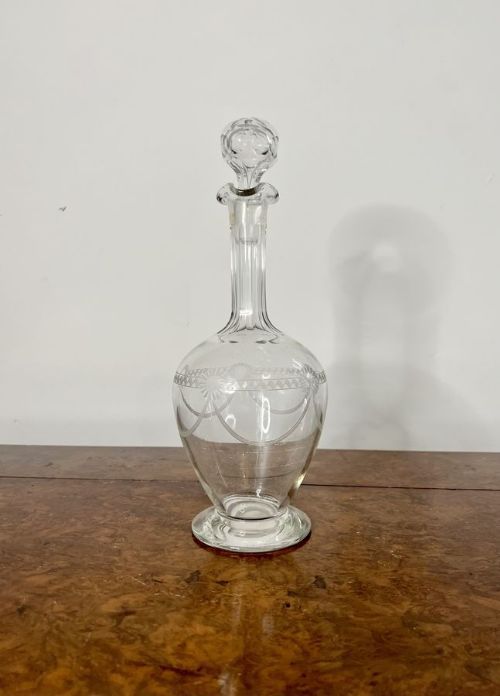


Victorian Wine Flagon
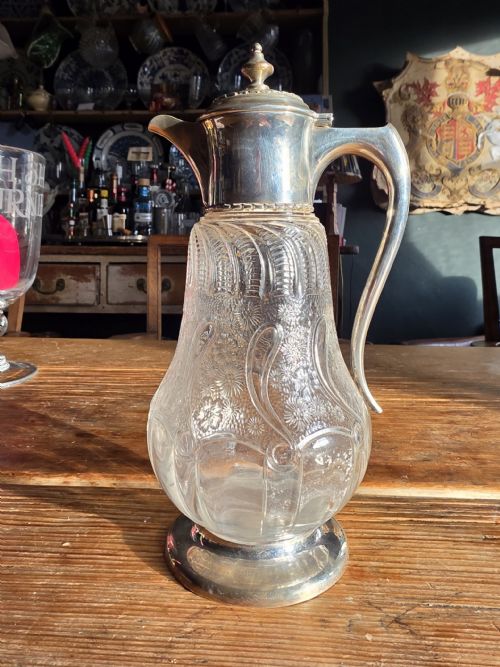
These robust victorian wine flagon examples combine heavy glass with silver and silver plate for formal dining and entertaining.
Victorian Wine Flagon
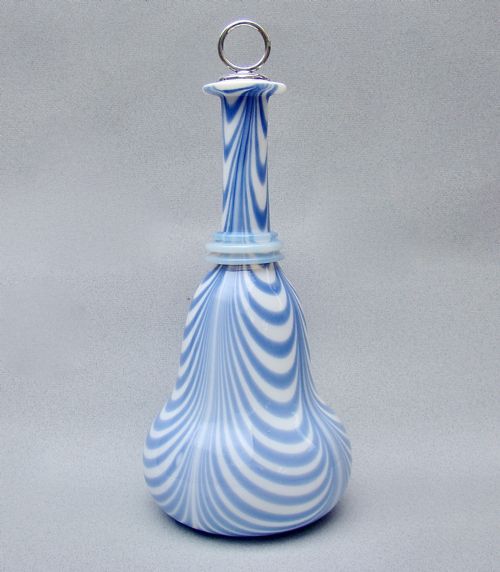
When you search for a victorian wine flagon, you encounter vessels designed for serving wine at the dining table during the nineteenth and early twentieth centuries. These pieces appear in forms such as claret jugs, decanters, ewers, and carafes, spanning styles from Neoclassical and Rococo Revival to plain utility.
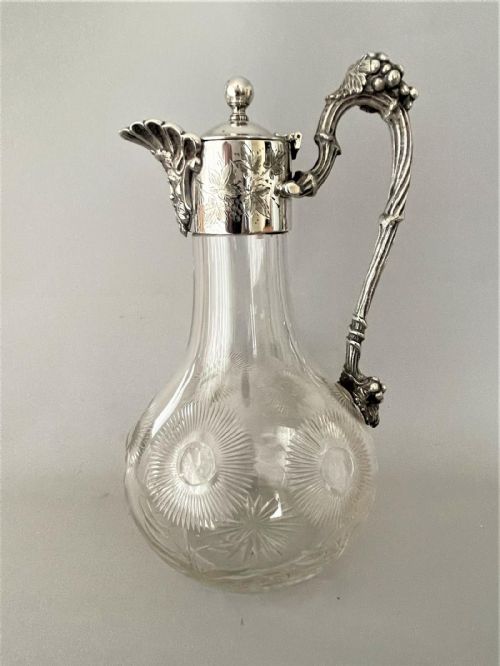
The version you are most likely to meet on this page is a silver-mounted cut glass or crystal jug from the Victorian or Edwardian eras. Makers utilised clear, coloured, and overlay glass bodies paired with hinged silver or silver-plated mounts, often featuring detailed handles and spouts.
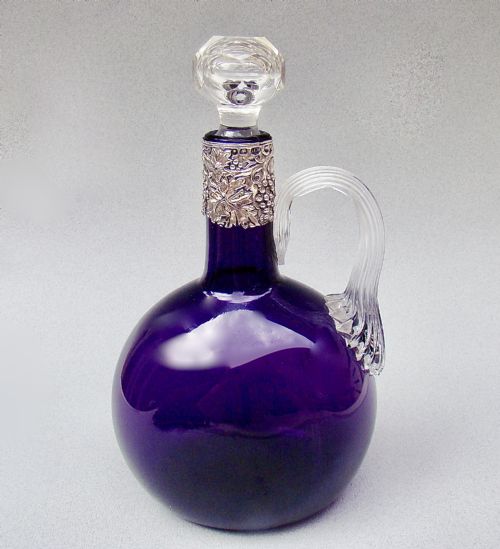
Examples range from simple nineteenth-century glass bottles with silver necks to large ecclesiastical and commemorative vessels engraved with crests or motifs. They bridge the gap between practical tableware and decorative Victorian silverwork.
Materials and construction
Makers formed the bodies of these vessels from lead crystal, cut glass, and coloured glass such as cranberry, ruby overlay, and amethyst. Glassblowers utilised mold-blown and free-blown techniques before cutters applied deep geometric facets, flutes, and wheel-engraved decoration.
Silversmiths and platers encased the glass necks and formed the handles, hinged lids, and finials in sterling silver or Old Sheffield plate. Mounts frequently incorporate cast details like lion and shield finials or unusual face spouts, secured firmly to the glass body with collars.
Materials recorded on this page include lead crystal, cranberry glass, sterling silver, and Old Sheffield plate.
Judging the standard of execution
Quality rests upon the crispness of the glass cutting and the weight of the metal mounts. Superior pieces display deep, sharp facets that refract light cleanly, alongside substantial silver or silver-plated mounts that fit the glass contour precisely without movement.
Artistic ambition distinguishes finer examples from everyday service items. Vessels bearing registered maker marks, elaborate chased decoration, or specialised glass colouring demand closer attention than standard moulded decanters.
William Comyns·Henry Matthews·Max Greger
The Victorian Wine Flagon Glossary
- Claret jug
- A pouring vessel specifically intended for serving claret or red wine at table. They typically feature a handle, hinged lid, and a lip or spout.
- Ewer
- A large jug with a wide-spouted mouth and a prominent handle, often decorative in form. In this context, they serve alongside decanters as wine flagons.
- Silver plate
- A base metal, such as copper or Britannia metal, coated with a thin layer of silver. Old Sheffield plate involves fusing silver to a copper core.
- Overlay
- A glassmaking technique where a layer of coloured glass is cased over clear glass. Cutters then grind through the outer layer to reveal the contrasting colour underneath.
- Finial
- The decorative knob or figure attached to the top of a hinged lid. They frequently take the form of animals, shields, or cast foliage.
Victorian Wine Flagon: Frequently Asked Questions
What is a wine flagon?
A wine flagon is a pouring vessel designed to hold and serve wine at the dining table. These pieces typically incorporate a handle and a secure lid.
In nineteenth-century contexts, the term encompasses claret jugs, ewers, and decorative decanters used during formal meals.
How do you date these pieces?
Dating relies upon hallmarks stamped on the silver mounts, which indicate the assay office and year of production. Stylistic clues such as cut glass patterns and maker marks also help narrow the timeframe.
Unmarked silver-plated items require comparison with known registered designs and prevailing nineteenth-century decorative styles.
Were they used for water?
While primarily manufactured for wine, particularly claret and dessert wines, similar flagons also served ecclesiastical purposes or water at the dining table.
Ecclesiastical examples appear in church settings as communion jugs, sharing the same manufacturing techniques as secular table vessels.
How do I clean a glass flagon?
Cleaning requires gentle warm water and mild detergent, avoiding harsh abrasives that might scratch the crystal or damage silver-plated surfaces.
Silver mounts should be polished with a suitable cloth while taking care not to expose the glass body to sudden temperature changes.