


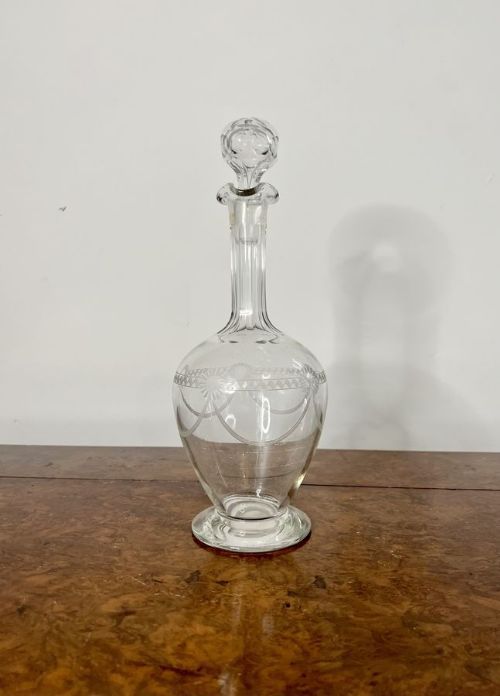

Victorian Wine Carafe
These nineteenth-century table vessels combine blown glass with silver mounts to hold your wine.
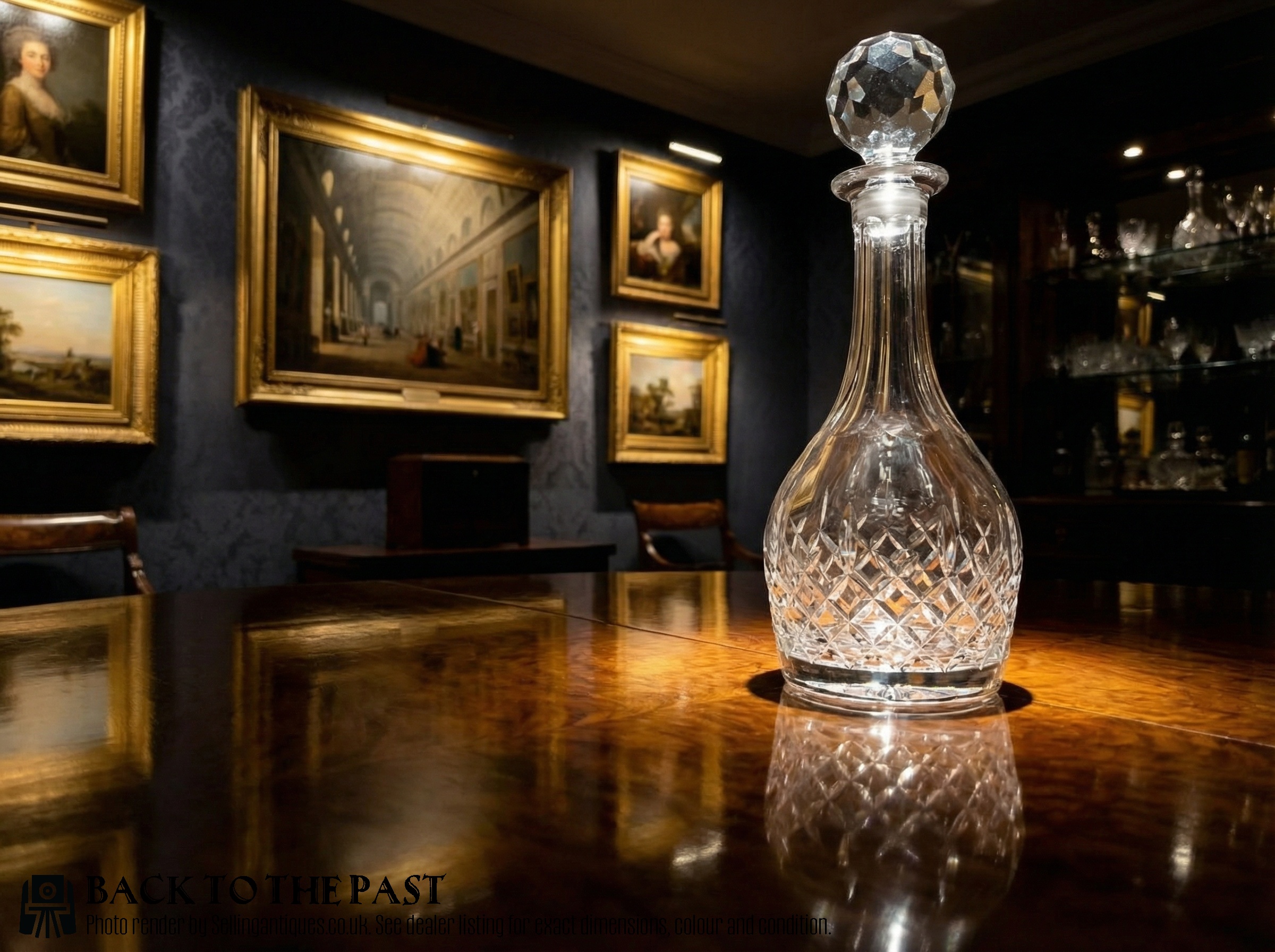
Victorian Wine Carafe
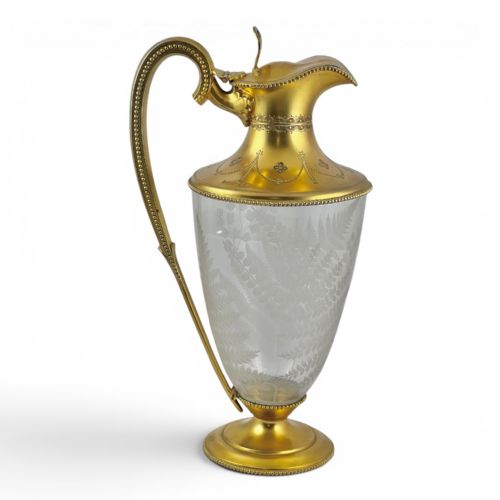
A Victorian wine carafe sits on the dining table to hold and serve wine during meals. When you browse this selection, you encounter vessels produced primarily during the nineteenth century, including pieces styled as claret jugs, serving bottles, and spirit decanters.
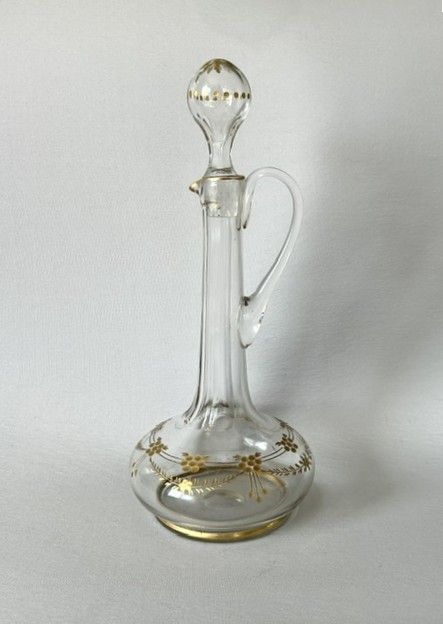
The objects take various forms, from simple clear glass cylinders to faceted, engraved, or coloured vessels fitted with silver and silver-plated mounts. The records show items spanning the Victorian era alongside related nineteenth-century examples and Edwardian adaptations.
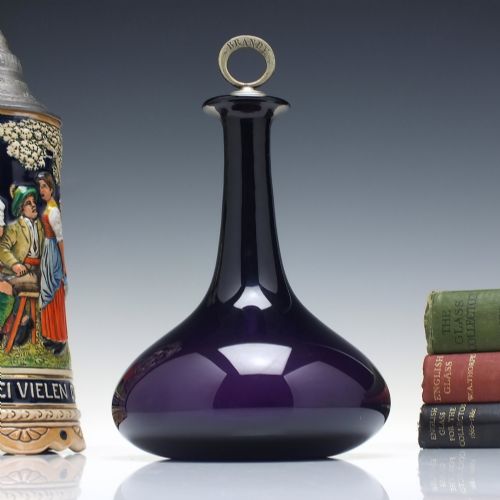
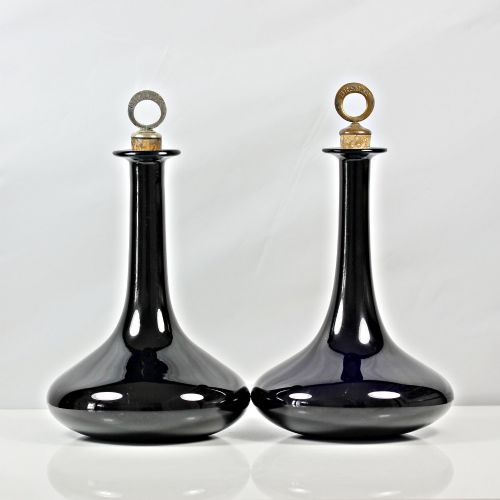
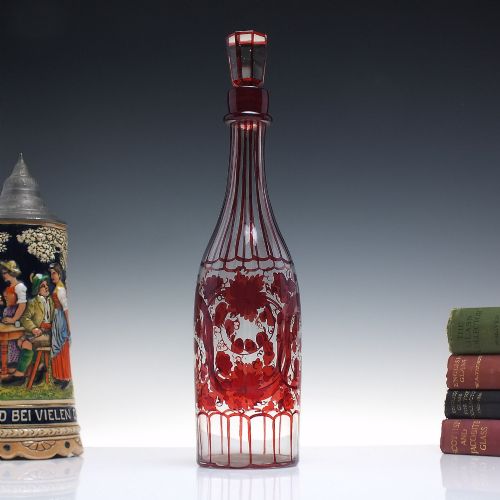
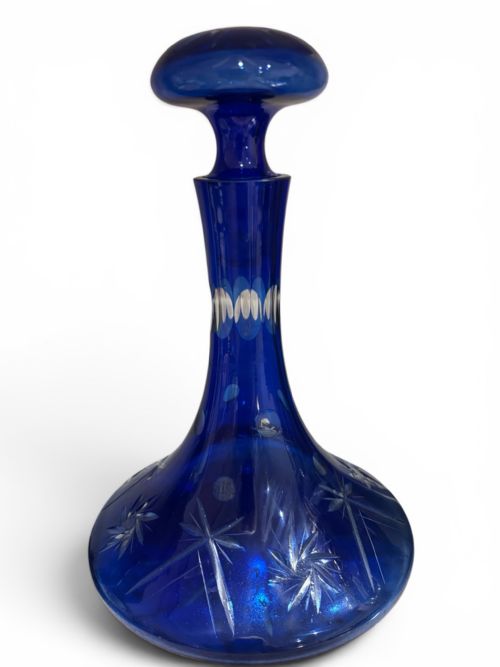
Makers and workshops across England and Bohemia produced these containers, utilising deep hues like cranberry, cobalt, and amethyst alongside clear lead crystal. Collectors find pairs as well as single pieces designed for everyday dining or formal entertaining.
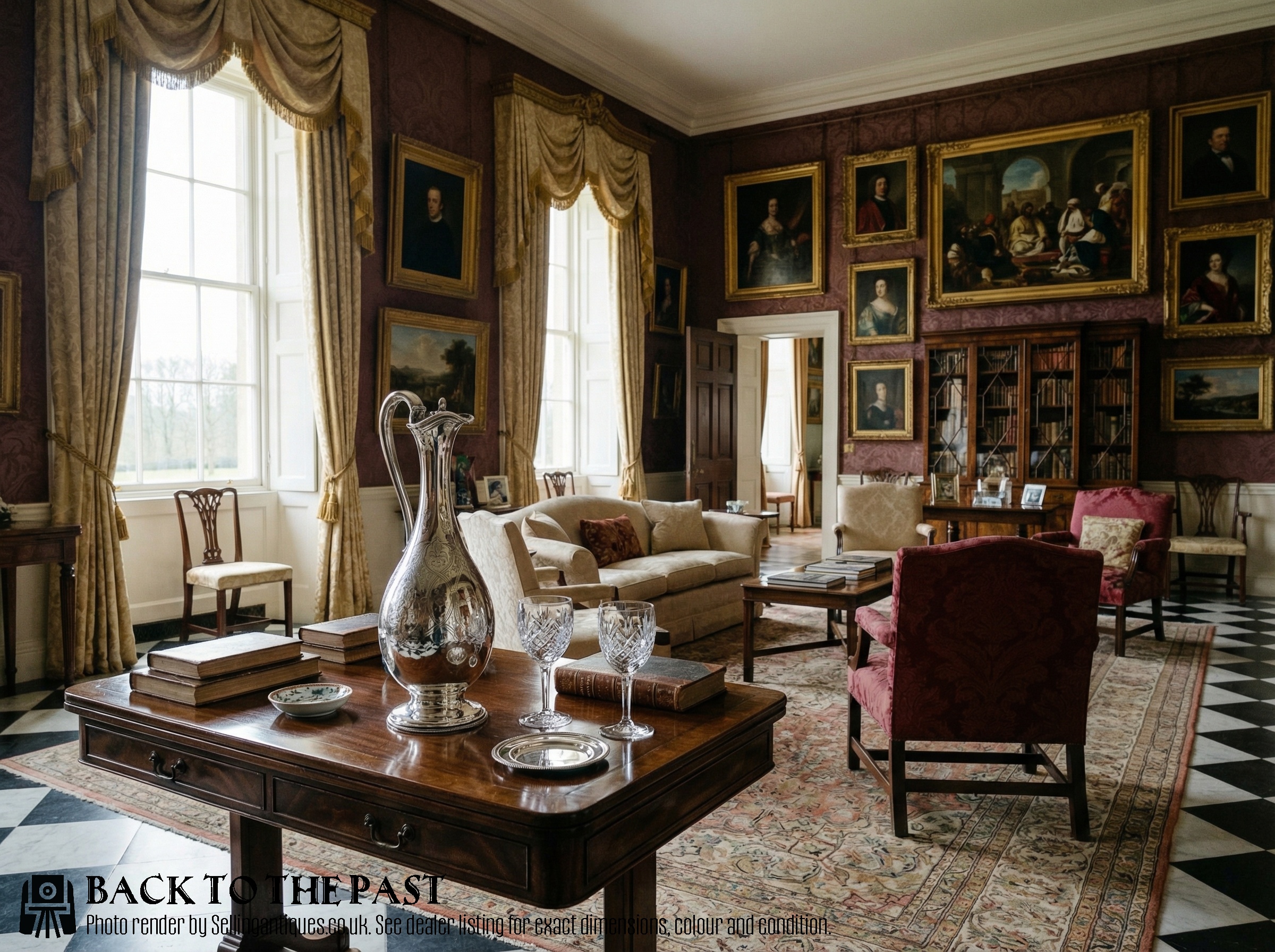
How they were made
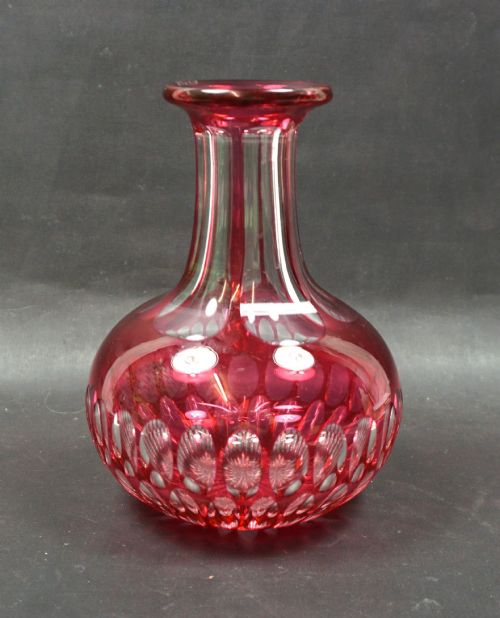
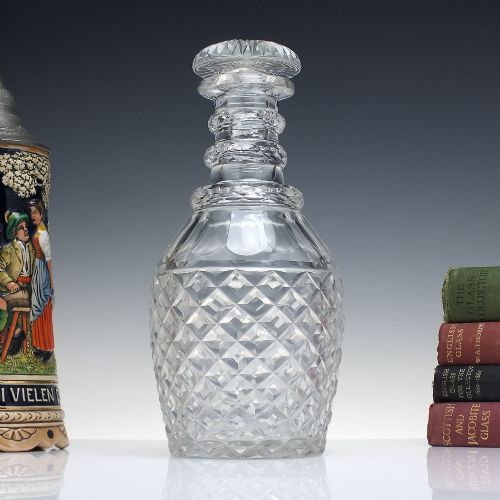
Glassmakers shaped vessels through free-blowing, optical blowing, or moulding, often applying rich colours like cranberry or green over a clear crystal base. Artisans then decorated the surfaces through wheel-cutting, diamond moulding, enamel painting, and delicate floral engraving.
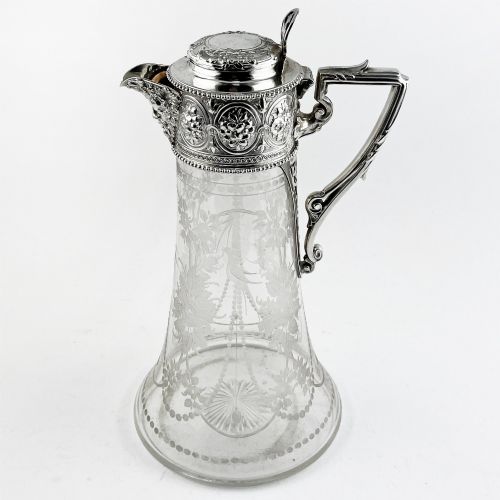
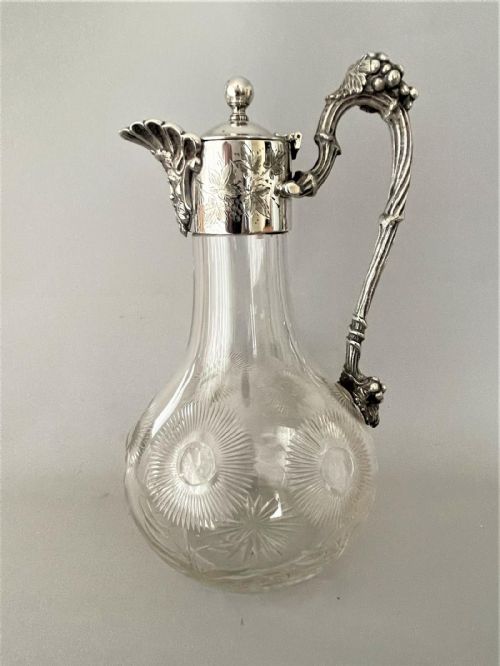
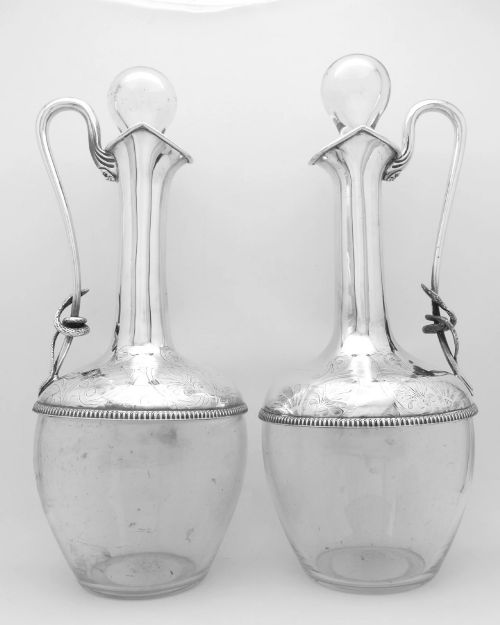
Metalworkers added sterling silver, silver gilt, and old Sheffield plate mounts, casting handles and spouts in shapes such as serpent coils or Bacchus masks. Craftsmen secured these mounts firmly around the necks and lips of the glass bodies.
Victorian Wine Carafe Retail Price Guide 2026
Typical asking prices for victorian wine carafe among the pieces listed under this phrase on Sellingantiques today, from the lower quarter to the upper quarter. They describe what is for sale here now, not the wider market.
The listings on this page include Victorian, Edwardian, and William IV periods, featuring materials such as cranberry glass, cut crystal, and sterling silver.
What varies in quality
Quality rests on the depth of the glass cutting and the clarity of the material used by the workshop. Heavy lead crystal and precise facet cuts reflect light cleanly, whereas simpler moulded glass offers a more subdued appearance.
The artistry of the metalwork further distinguishes the pieces, particularly where silversmiths cast detailed mounts and figural handles. Hand-painted enamel work and fine floral engraving indicate higher levels of craftsmanship.
Asprey and Co. Ltd·James Powell·Richardson
The Victorian Wine Carafe Glossary
- Claret jug
- A specialised pouring vessel featuring a handle and spout, typically fitted with a silver or plated mount for serving red wine. These containers often combine cut glass bodies with hinged lids.
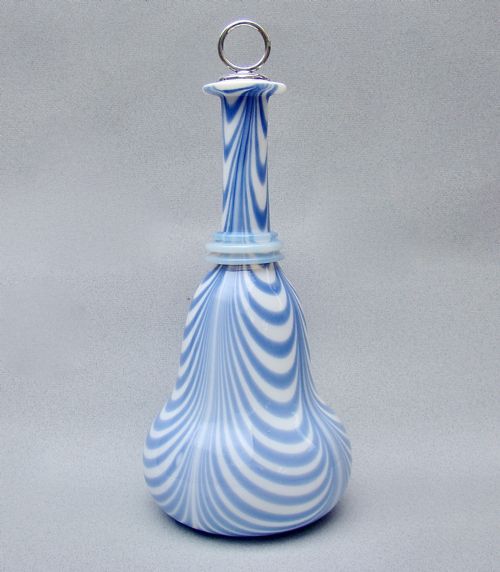
- Nailsea glass
- Glassware characterised by looped or trailed opaque white threads applied to a coloured glass body. The style originated at the Nailsea glassworks near Bristol during the nineteenth century.
- Silver gilt
- Sterling silver that has been coated with a thin layer of gold on its surface. This technique provides a warm, rich tone to the interior or exterior of bottle mounts.
- Lead crystal
- A type of glass containing lead oxide, which increases the weight, brilliance, and refractive index of the material. This composition allows for deep, sharp wheel-cuttings.
- Shaft and globe
- A traditional bottle silhouette featuring a long narrow neck above a rounded globular body. Victorian makers frequently utilised this profile for table decanters and serving vessels.
Victorian Wine Carafe: Frequently Asked Questions
What is a Victorian wine carafe?
These pieces are nineteenth-century glass vessels created to hold and pour wine at the dining table. They appear in clear crystal, coloured glass, and mounted silver.
Craftsmen produced them in various forms, including claret jugs, ewers, and simple serving bottles, spanning the Victorian and Edwardian periods.
How were they used?
Hosts utilised these vessels to serve wine from larger storage containers directly to guests at the dining table. The attached handles and spouts allowed for controlled pouring.
Many examples feature stoppers or hinged metal lids designed to preserve the contents during meals.
How do I live with them?
You can display these vessels on sideboards or utilise them on the dining table for serving wine and water. Their coloured glass and cut crystal reflect light near windows or dining lighting.
Hand washing preserves the historic glass and the silver-plated or sterling mounts over years of daily use.
How do I tell periods apart?
Stylistic shifts help distinguish the eras, with mid-century pieces often showing deep wheel-cuttings and rich cranberry or blue hues. Later Victorian and Edwardian items sometimes incorporate lighter forms and Arts and Crafts influences.
Maker marks, hallmarks on silver mounts, and specific glass techniques like Nailsea trailing point toward precise decades of production.