



Victorian Windsor Rocker
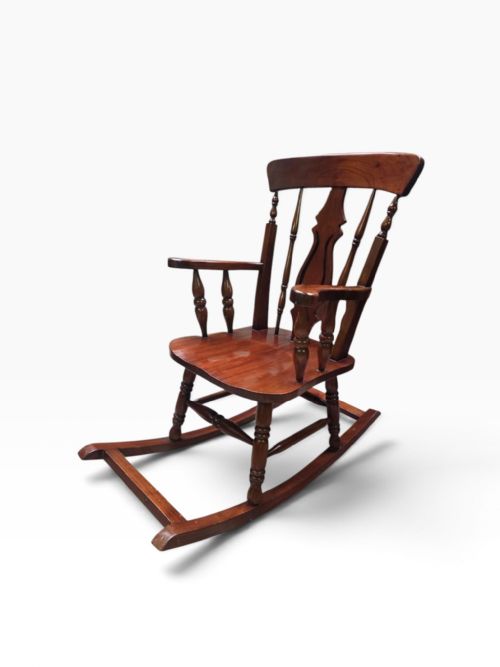
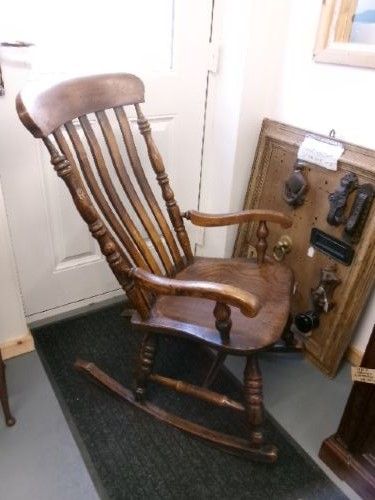
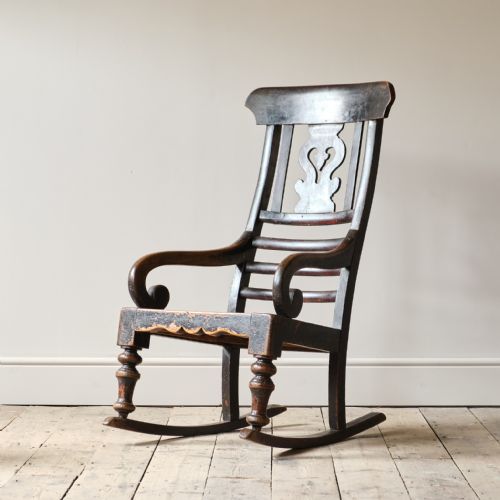
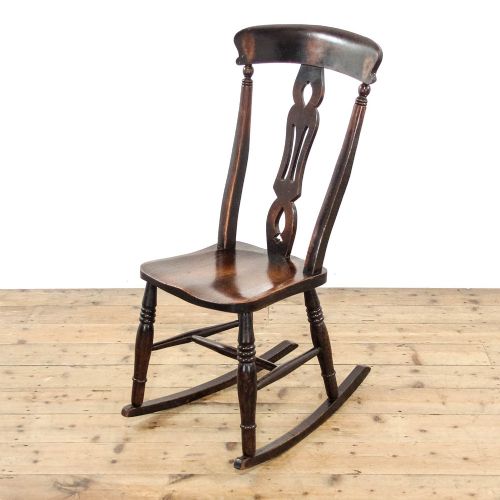
These Victorian Windsor rockers are sturdy country seating fitted with curved runners for the fireside.
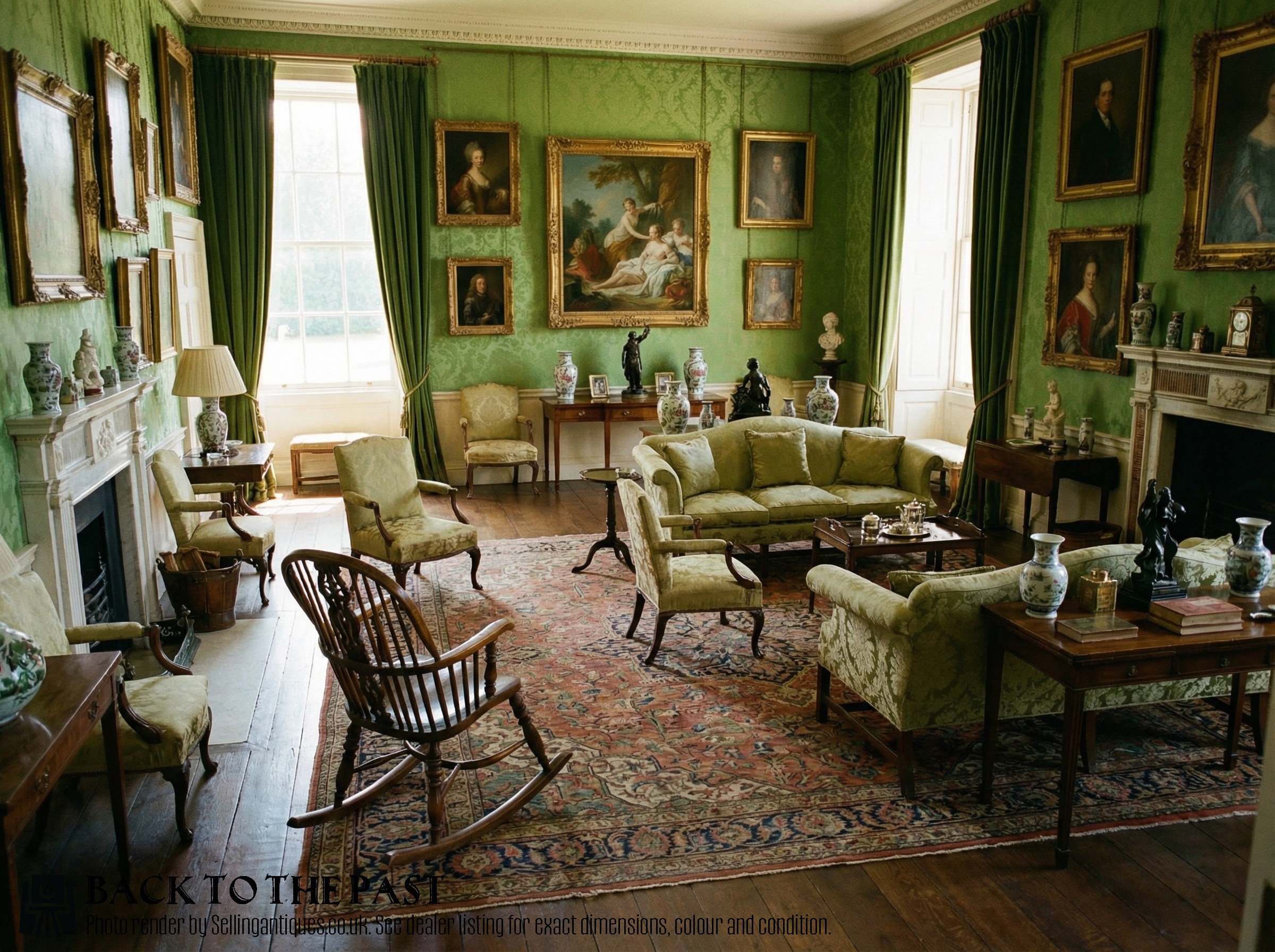
Victorian Windsor Rocker
A Victorian Windsor rocker combines the traditional pegged spindle construction of the English country chair with curved wooden runners beneath the feet. These pieces are designed for the fireside or the nursery, offering a deep seat and a supportive back for relaxing. The version most commonly met on this page is the nineteenth-century English country rocking chair made for everyday domestic use.
Makers shaped these chairs using a combination of turned spindles and solid plank seats. Examples range from standard adult armchairs down to small childs rocking windsor chairs intended for early nurseries. Regional variations such as the Yorkshire farmhouse rocking chair appear alongside pieces bearing specific local attributions like Caistor.
How they were made
Joiners and chair bodgers built these rocking chairs using a mix of native timbers chosen for their specific strengths. Elm provided a tough, split-resistant seat plank, while ash or beech formed the steam-bent hoops and slender spindles. Mahogany and stained hardwood also appear among the selections for later or more polished examples.
The framework relies on traditional wedged mortise and tenon joints to secure the uprights directly into the solid wooden seat. Makers attached curved wooden rockers to the base of the legs to allow smooth movement across uneven cottage floors. Cane seating occasionally supplements the solid timber construction on specialised nursing rocking chair forms.
Some tiny Victorian nurseries required miniature Windsor rockers sized specifically for early childhood seating.
What varies in quality
The timber selection dictates much of the character and structural integrity in these rocking chairs. Elm seats with dense, visible grain patterns and well-turned ash spindles represent the more accomplished end of country craftsmanship. Lesser examples rely on plain stained hardwoods and simpler turned components with less attention to proportion.
Proportion and retention of original construction details separate standard utility chairs from finer regional pieces. The grace of the spindle back and the balance of the rocking arc determine how successfully the chair merges comfort with traditional rural design.
John Shadford Caistor
The Victorian Windsor Rocker Glossary
- Windsor
- A traditional wooden chair construction where the legs and back spindles are tenoned directly into a solid carved seat slab. This method creates a sturdy, rigid frame without relying on a bulky central frame.
- Spindle back
- A chair back filled with numerous slender, turned vertical wooden rods rather than a solid wooden splat. These thin uprights provide flexible support.
- Elm
- A dense, tough native British timber frequently selected by chairmakers for seats because its interlocking grain resists splitting under pressure. It forms the heavy base of many country chairs.
- Rocking chair
- A seating form mounted on curved wooden bases that allow the sitter to move backward and forward. They were standard additions to nineteenth-century firesides and nurseries.
Victorian Windsor Rocker: Frequently Asked Questions
What is a Victorian Windsor rocker?
A Victorian Windsor rocker is a traditional wooden country chair mounted on curved runners for gentle movement. These seats combine turned spindles with a solid elm or hardwood seat.
They were built in English workshops during the nineteenth century for domestic comfort. The design emphasises sturdy pegged construction over upholstered luxury.
Where were these rocking chairs used?
These rocking chairs sat primarily by the fireside in farmhouses and rural cottages. They also served in nurseries for rocking children to sleep.
Their robust timber construction suited daily life in busy nineteenth-century households. The curved runners allowed smooth motion on flagstone or wooden floors.
How do I tell different periods apart?
Earlier examples often feature simpler lines and deep elm seat carvings reflecting eighteenth-century country traditions. Later nineteenth-century versions incorporate varied turnings and sometimes stained hardwoods.
Examining the wear patterns on the rockers and the method of joining the spindles helps establish the age of the piece.
What timbers were used?
Makers relied on native British hardwoods suited to specific parts of the chair. Elm provided a strong, crack-resistant seat plank.
Ash and beech supplied flexible strength for the steam-bent back hoops and slender turned spindles. Mahogany and cane also appear on specific variations.