

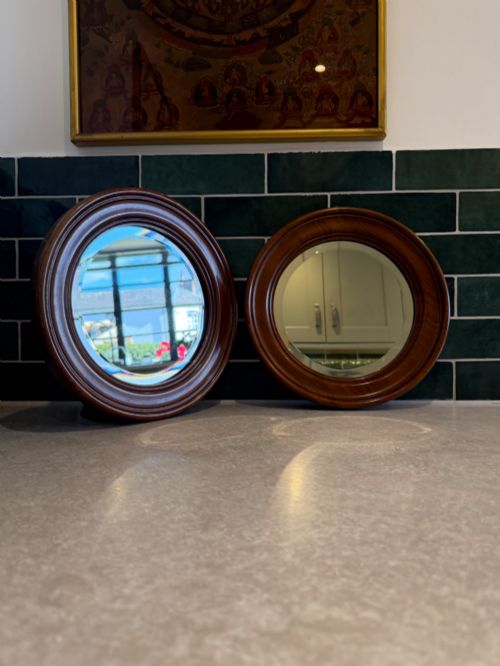
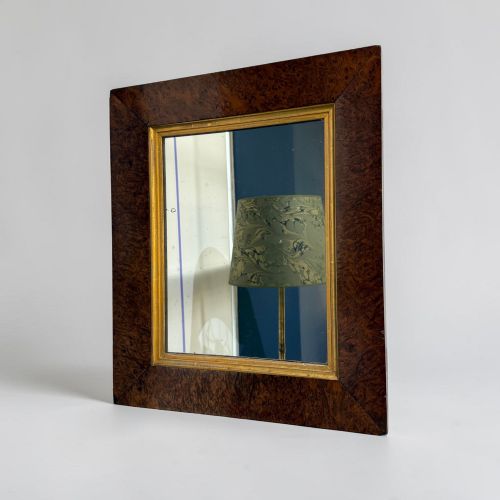
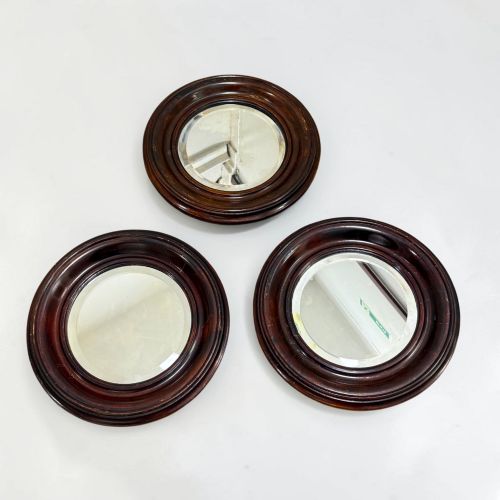
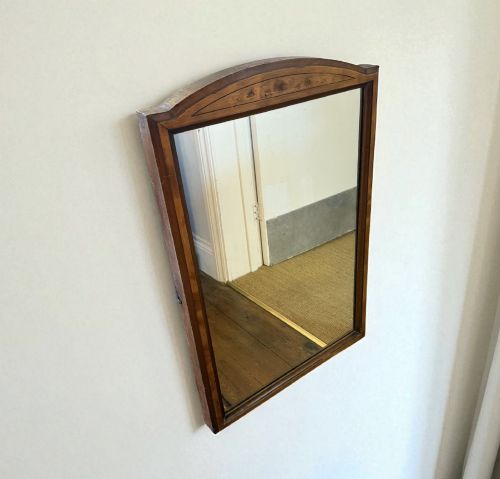

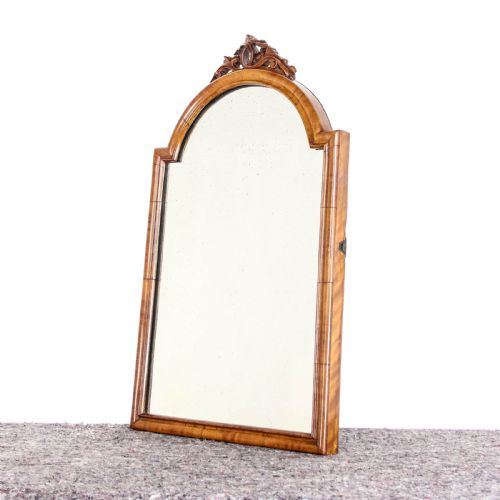
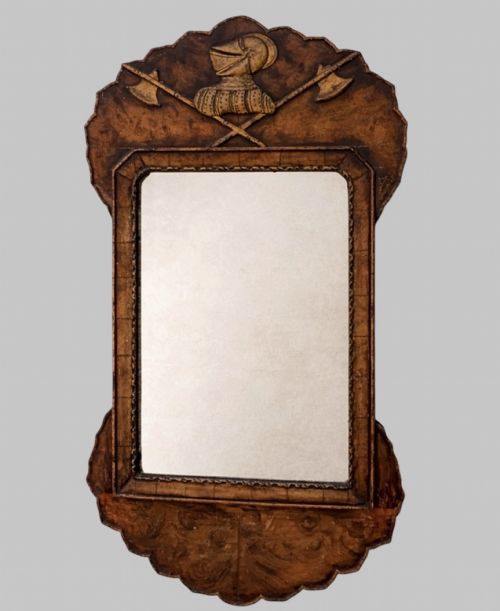


Victorian Walnut Wall Mirror
When you search for a victorian walnut wall mirror, you are looking at nineteenth-century timber frames designed to hold glass and catch the light.
Victorian Walnut Wall Mirror
A victorian walnut wall mirror generally appears as a framed looking glass intended for domestic interiors, frequently taking the form of an overmantel, a pier mirror, or a hanging wall glass. These pieces date from the nineteenth century, spanning periods from mid-Victorian decades through to later revival styles.
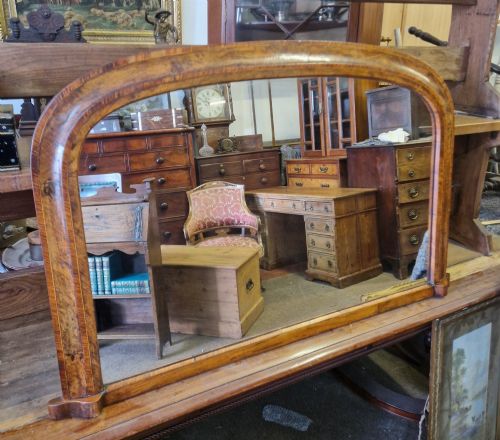
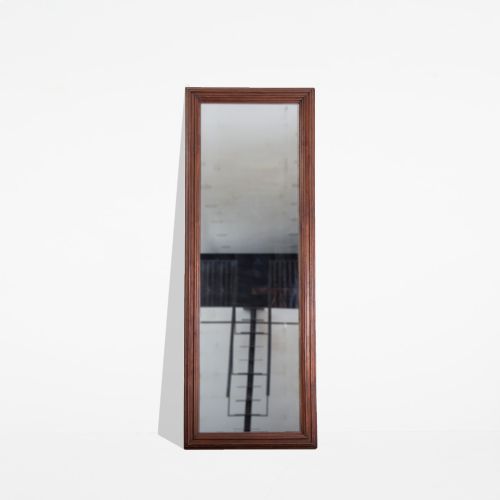
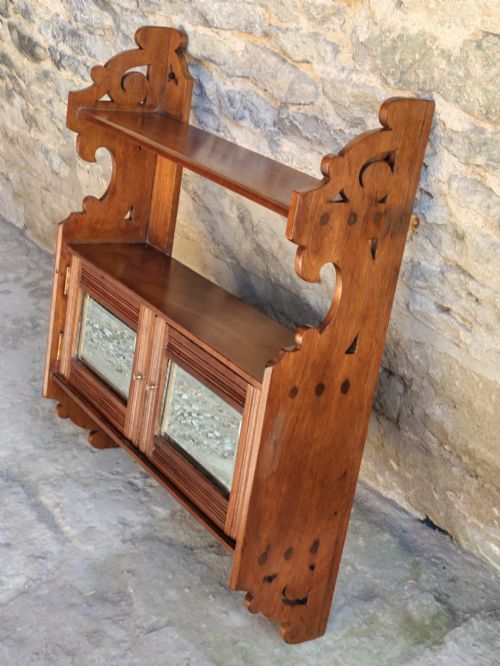
The overmantel variation dominates the selection, shaped wide to sit above a fireplace, while taller pier mirrors and narrow hanging cabinets also emerge. Walnut provides the primary frame material, often enhanced with burr figures or giltwood highlights.
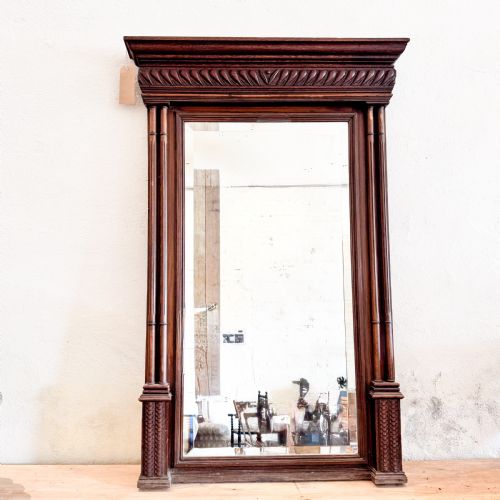
Originating largely from British and continental workshops, these mirrors incorporate carved crests, fretwork, and inlay work. Buyers encounter both simple moulded frames and heavily ornamented examples featuring architectural details or heraldic shields.
Materials and Construction
Makers utilised solid walnut and figured burr veneers applied to secondary timbers, building up robust frames that frequently incorporated carved ornamentation or applied mouldings. Giltwood, brass detailing, and ebonised highlights were added to provide contrast and catch candlelight or daylight.
Glass plates were silvered and fitted into rebated frames, sometimes secured with wooden backs and original fixings. Inlaid decoration utilised contrasting woods, while specialist techniques like Tunbridge ware appeared on specific regional pieces.
Certain Victorian walnut mirrors take the heraldic shape of a carved shield or incorporate fierce birds of prey.
Distinctions in Quality
The standard of carving and timber selection marks the difference between basic utility items and ambitious parlour pieces. Fine examples display deeply sculpted crests, symmetrical burr walnut grain, and crisp gilt highlights rather than shallow machine-cut decoration.
Originality of the glass plate and backing boards strongly influences the integrity of a piece. Retaining the original mercury or silvered mirror glass, alongside untouched surface patination on the walnut frame, elevates the standing of the object.
The Victorian Walnut Wall Mirror Glossary
- Overmantel mirror
- A wide mirror specifically designed to hang on the wall directly above a fireplace mantelpiece. These pieces often feature arched tops and decorative crests.
- Pier mirror
- A tall, narrow mirror traditionally hung on the pier of wall space between two windows. They frequently match console tables placed below them.
- Burr walnut
- Timber taken from a walnut tree growth or burl, yielding swirling, highly figured grain patterns. Cabinet makers prized this veneer for high-status furniture and frames.
- Giltwood
- Wood that has been coated with gold leaf or metallic paint to give a gilded appearance. It appears alongside walnut to provide decorative contrast.
- Fretwork
- Openwork ornamentation created by cutting patterns through thin boards of wood. This technique appears on decorative Victorian mirror frames.
- Aesthetic Movement
- A late nineteenth-century design style that emphasised visual beauty over narrative or moral function. It introduced ebonised finishes and Anglo-Japanese motifs to mirror frames.
Victorian Walnut Wall Mirror: Frequently Asked Questions
Where should I hang an overmantel mirror?
These wide mirrors sit best centered directly above a fireplace mantelpiece, where they historically anchored the principal reception room.
Alternatively, they function effectively on large blank walls in hallways or dining rooms to reflect light and create a sense of scale.
How do I identify burr walnut?
Burr walnut displays distinctive, swirling grain patterns filled with small knot clusters rather than straight timber lines. This figured veneer comes from unusual growths on the tree.
It is typically applied to the primary display surfaces of the frame to draw the eye.
Are these mirrors heavy to hang?
Nineteenth-century mirrors constructed from solid walnut and thick glass carry substantial weight. They require secure fixings attached directly into wall studs or masonry.
Using appropriate brackets ensures the wall structure safely supports the load of the frame.
What is an ebonised finish?
Ebonising is a treatment that stains timber to resemble dense, black ebony. Makers utilised this technique during the late Victorian period, particularly within Aesthetic Movement designs.
It provides a dark, matte contrast against gilt details or walnut mouldings.