





Edwardian Walnut Overmantel
These edwardian walnut overmantel mirrors frame a hearth with warm timber tones and polished glass, bringing depth and period character to a room.
Edwardian Walnut Overmantel
An edwardian walnut overmantel sits above a fireplace, anchoring the chimney breast and reflecting light back into the interior. These pieces range from substantial carved frames to simpler designs incorporating inlaid decoration.
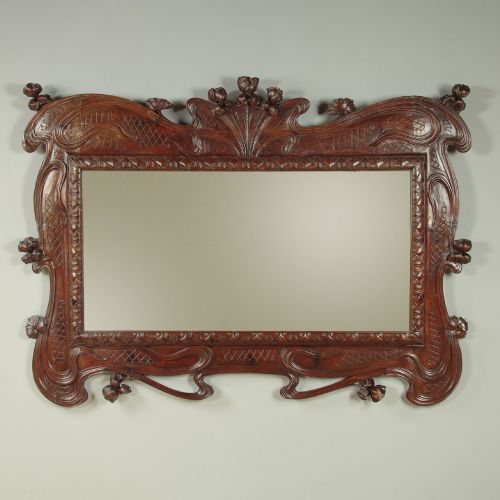
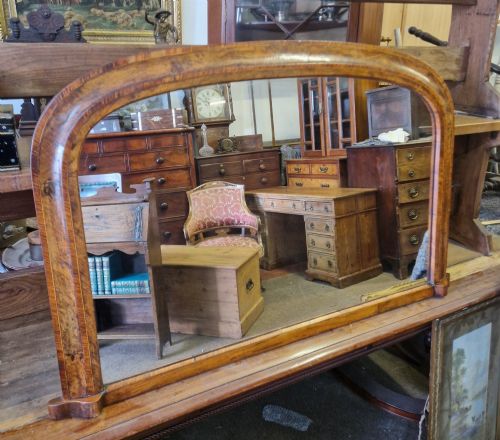
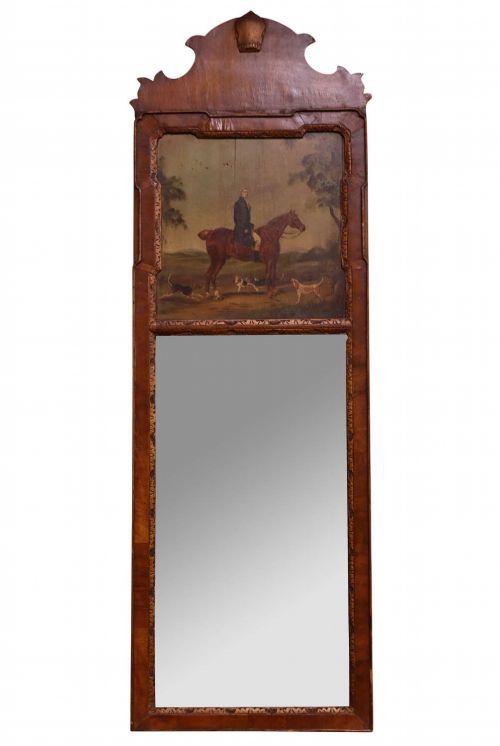
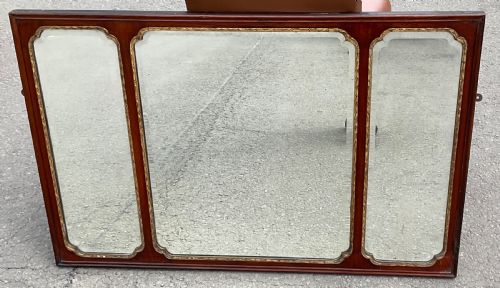
The selections available here span from the turn of the century into the early decades, alongside related Victorian and later examples that share similar proportions and uses. Buyers encounter diverse forms, including arched mirrors, triple plates, and pieces paired with oil paintings.
Makers utilised rich timbers and reflective glass to create focal points for principal reception rooms. The forms vary from architectural rectangular shapes to flowing Art Nouveau outlines and revival styles.
Materials and construction
Makers constructed these frames using solid walnut, burr walnut, and walnut veneer applied over secondary timbers, often enriched with carved wood details and gilt wood highlights. The grain patterns of the walnut provide the primary visual interest across the frame surface.
Mirror glass forms the central element of each piece, supported by wooden backboards and integrated frames. Some variations incorporate oil on canvas panels or specialised marquetry such as Tunbridge ware alongside the glass plates.
Judging quality in these mirrors
Quality rests in the selection of the timber veneers and the depth of the carving. Finely figured burr walnut and crisply executed carved wood details distinguish the better examples from plainer alternatives.
The clarity and condition of the mirror glass contribute significantly to the character of the piece. Superior construction involves careful joinery within the frame and well-preserved surface finishes that retain their natural warmth.
The Edwardian Walnut Overmantel Glossary
- Overmantel mirror
- A large mirror specifically designed to hang or stand upon the mantelpiece above a fireplace. These pieces reflect light and anchor the decorative scheme of a room.
- Burr walnut
- A prized wood veneer showing knotted growths that create intricate, swirling patterns. Makers used it on prominent surfaces to draw the eye.
- Pier glass
- A tall mirror designed to hang on the wall between windows, though the term also applies to certain vertical wall mirrors. They maximise natural light in an interior space.
- Tunbridge ware
- A form of decorative woodwork featuring small mosaic tesserae made from different coloured woods to form geometric or pictorial designs. It appears on specific inlaid frames.
- Gilt wood
- Wood coated with a thin layer of gold leaf or metallic paint to add brilliance. It frequently highlights carved details on the frame.
Edwardian Walnut Overmantel: Frequently Asked Questions
Where should an overmantel be hung?
These mirrors traditionally hang centrally on the chimney breast directly above the mantelpiece. This placement anchors the hearth and reflects light across the room.
Ensure the wall fixings match the substantial weight of the timber frame and mirror glass.
How do I clean walnut frames?
Dust the timber gently with a soft, dry cloth to remove everyday particles. Avoid using modern aerosol polishes that can build up a residue over time.
Apply a traditional beeswax sparingly if the wood appears dry, buffing it gently to a soft sheen.
Can these mirrors stand on the mantel?
Many overmantels are designed to rest their weight directly on the mantelpiece while being secured to the wall for safety. Check the base of the frame to see if it sits flat.
Wall brackets remain essential to prevent the heavy mirror from tipping forward.
What styles match these mirrors?
They suit period interiors, particularly Edwardian and Victorian rooms, where the timber tones complement traditional fireplaces. They also add contrast in eclectic modern spaces.
The key is balancing the scale of the mirror with the proportions of the fireplace surround.