



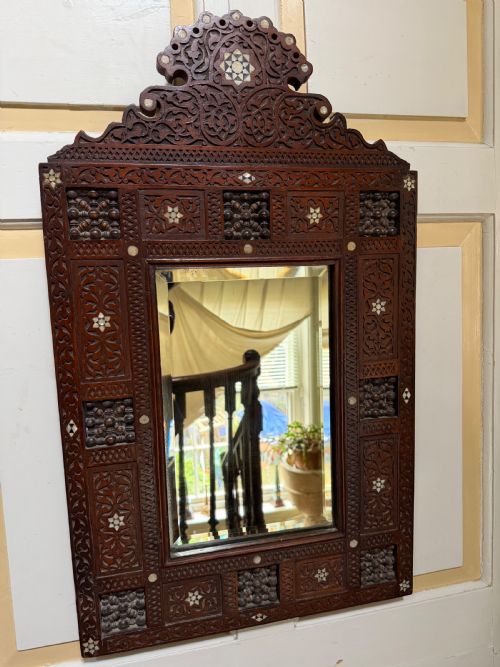


Carved Walnut Arched Mirror
These carved walnut arched mirror pieces bring warmth and presence to a room, offering the rich grain and curved crests that define classic domestic interiors.
Carved Walnut Arched Mirror
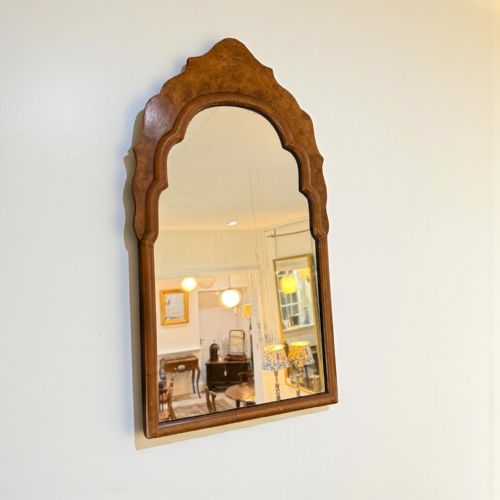
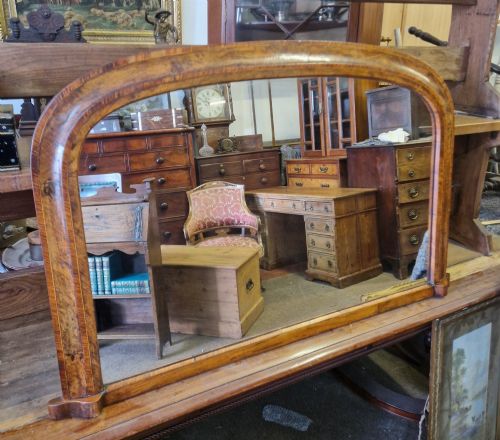
A carved walnut arched mirror brings together rich timber and sweeping upper curves, forming a focal point for a room. Buyers searching for a carved walnut arched mirror encounter wall-hung examples alongside substantial overmantel pieces designed to sit above a fireplace. These furnishings emerge from periods spanning the nineteenth century through the early twentieth century, showing influences from Victorian designs to French taste.
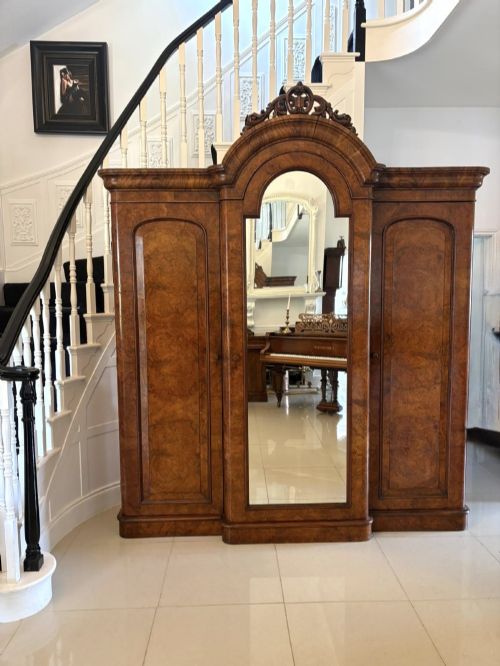
The evidence shows forms ranging from simple wall mirrors to grand overmantel mirrors and large wardrobes with mirrored doors. Walnut and burr walnut dominate the construction, often paired with mirror glass and occasional brass details. Pieces appear from various decades, including the 1850s, 1860s, 1900s, and 1920s, demonstrating the enduring appeal of the arched wooden frame.
How they were made
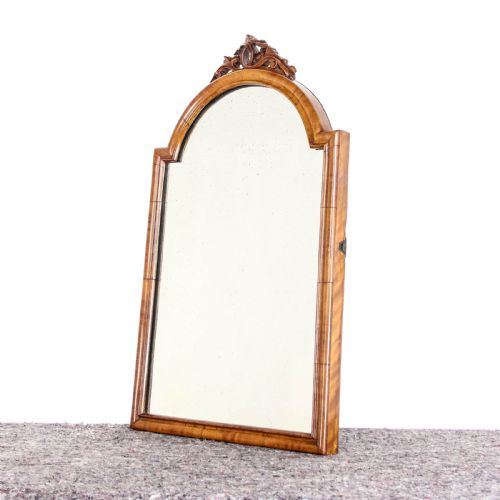
Cabinet makers utilised solid walnut and burr walnut veneer over secondary timbers such as oak, applying carved details by hand to shape the distinctive arched crests. Skilled hands selected figured veneers to create symmetrical patterns across the wooden frames, highlighting the natural grain of the timber.
Makers integrated mirror glass into the timber structures, sometimes adding giltwood or painted accents to enhance the carved decoration. Brass fittings appear on related items like wardrobes, while wall and overmantel mirrors rely on robust wooden frames to support heavy glass plates.
One early walnut frame managed to include an arched carved gilt top, proving that even timber purists enjoyed a flash of gold.
What varies in quality
The ambition of the carving and the selection of the timber dictate the standing of a piece within its period. Figured burr walnut veneer displays greater depth and movement than plain timber, elevating the visual weight of the frame.
The harmony between the arched timber frame and the decorative elements separates standard production from finer examples. Heavier overmantel mirrors demand precise joinery to support large expanses of glass without distortion.
The Carved Walnut Arched Mirror Glossary
- Burr walnut
- A veneer taken from the warted growths on walnut trees, showing swirling, knotted grain patterns. It provides a highly decorative surface on Victorian wardrobes and mirror frames.
- Overmantel mirror
- A large looking glass designed to hang on the wall directly above a fireplace mantelpiece. These pieces often feature arched tops to draw the eye upward in a reception room.
- Giltwood
- Timber that has been coated with a thin layer of gold leaf or gilt paint. It frequently highlights the carved details on nineteenth-century mirror frames.
- Pier glass
- A tall mirror designed to hang on the narrow pier of wall between two windows. Such pieces reflect light back into the centre of a Victorian room.
Carved Walnut Arched Mirror: Frequently Asked Questions
Where should I hang a large overmantel mirror?
These mirrors suit placement directly above a fireplace mantelpiece, where their arched tops draw the eye toward the ceiling. They also function well on plain walls in reception rooms to reflect natural light.
Ensure the wall construction and fixings can support the substantial weight of timber and glass before mounting.
How do I identify Victorian walnut furniture?
Victorian walnut pieces display deep, rich brown tones and often utilise figured burr walnut veneers across large surfaces. Construction methods from this era include solid timber framing combined with hand-carved decorative motifs.
Look for period characteristics such as nineteenth-century construction techniques and traditional cabinet making details.
What is the difference between a wall mirror and an overmantel mirror?
Wall mirrors are typically lighter and proportioned for hanging on any domestic wall space. Overmantel mirrors are generally larger and heavier, specifically scaled to sit above a fireplace.
Both forms utilise carved walnut frames and arched tops across the available evidence.
How do I care for antique walnut frames?
Keep walnut frames away from direct sunlight and radiators to prevent the timber and veneer from drying out. Dust regularly with a soft, dry cloth to protect the polished surface.
Avoid using modern chemical sprays, which can damage the traditional wax or polish finishes on older wood.