
Dark Wood Overmantel Mirror
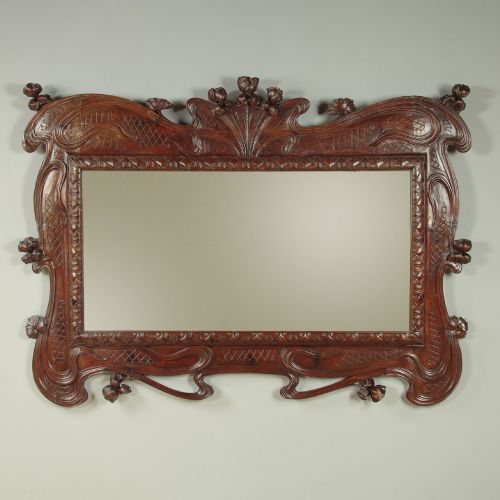
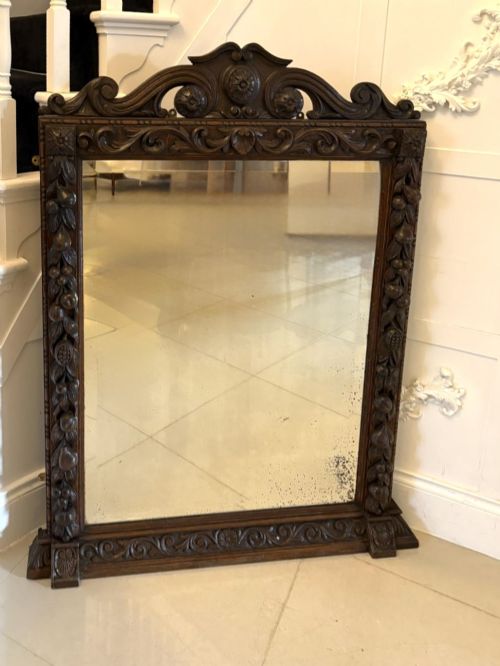
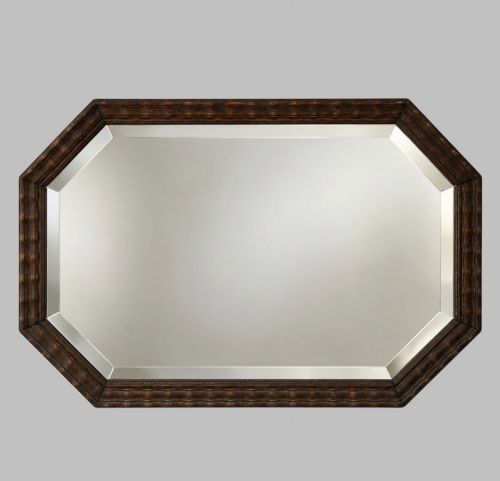
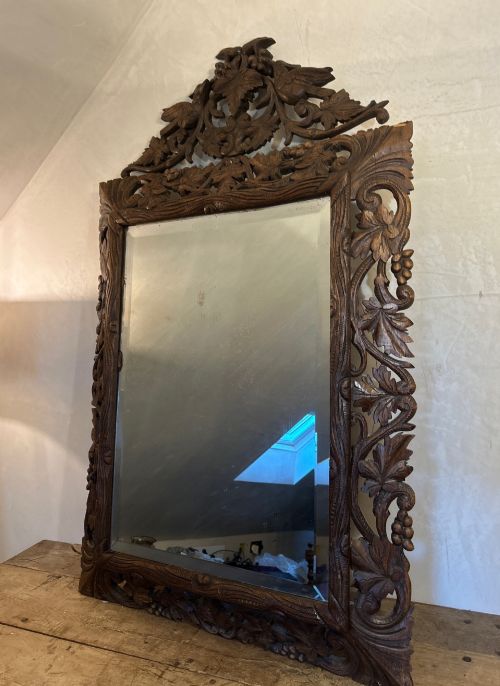
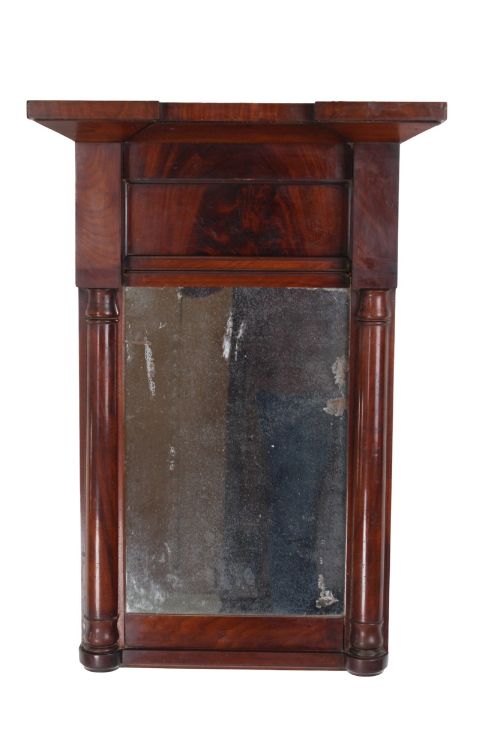
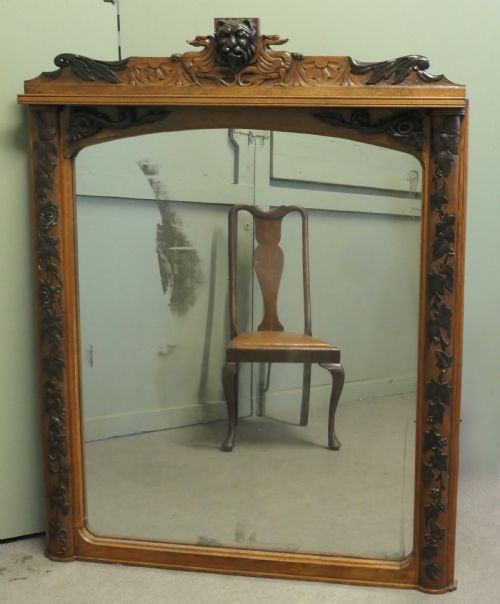
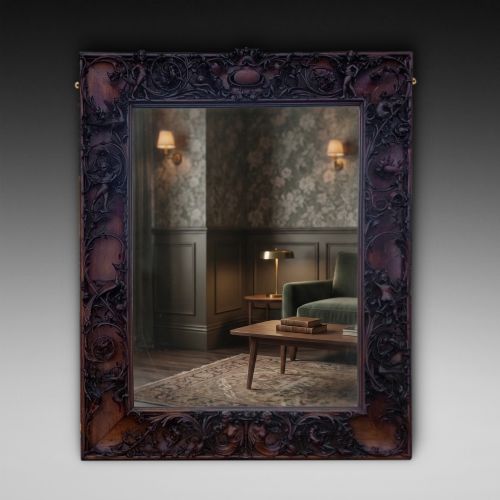
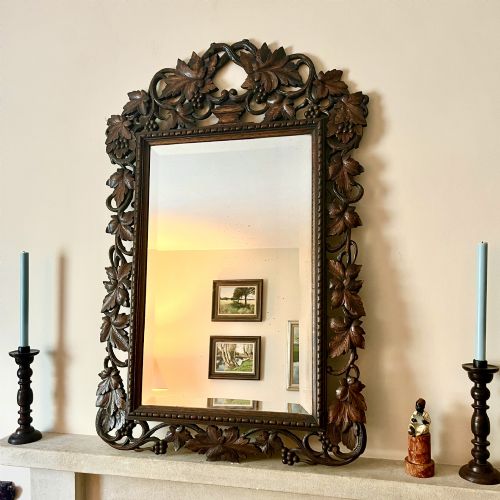
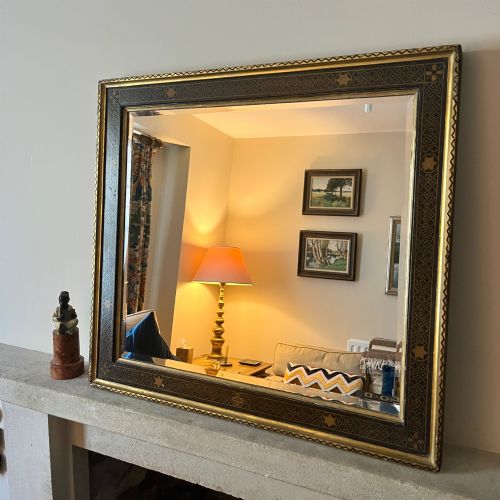
A dark wood overmantel mirror anchors a chimney breast with substance, reflecting light through deep oak, walnut, or mahogany grain above the fireplace.
Dark Wood Overmantel Mirror
A dark wood overmantel mirror sits horizontally or vertically above a fireplace, designed specifically to span the width of the mantelpiece below. When searching for this form, buyers encounter substantial wall furniture meant to draw the eye upward and brighten the hearth with reflected daylight.
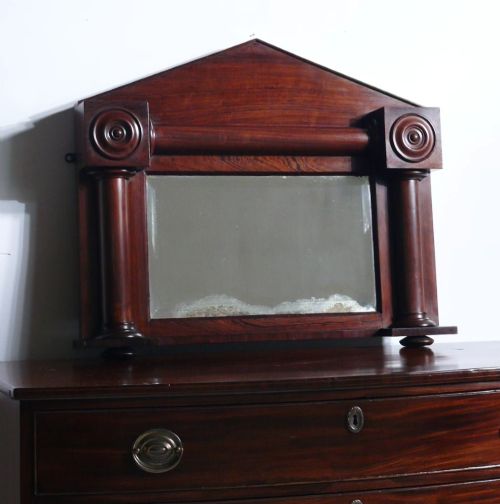
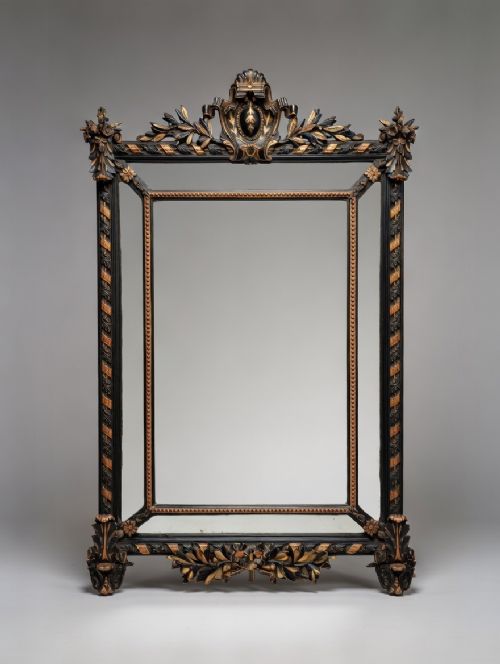
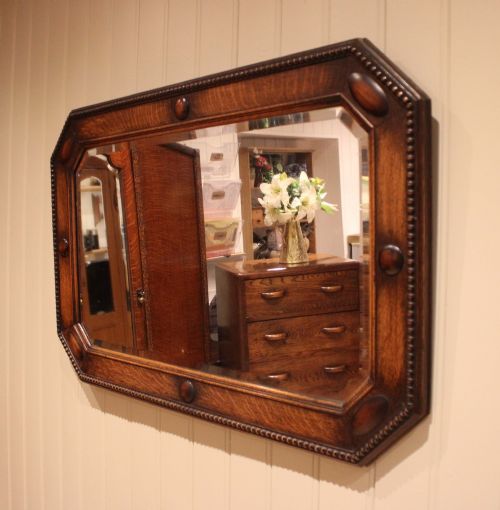
The selections recorded here lean heavily toward nineteenth-century Victorian and Edwardian examples, alongside earlier Regency pieces and later twentieth-century interpretations. Oak and mahogany dominate the timber choices, frequently embellished with carved details or gilt highlights.
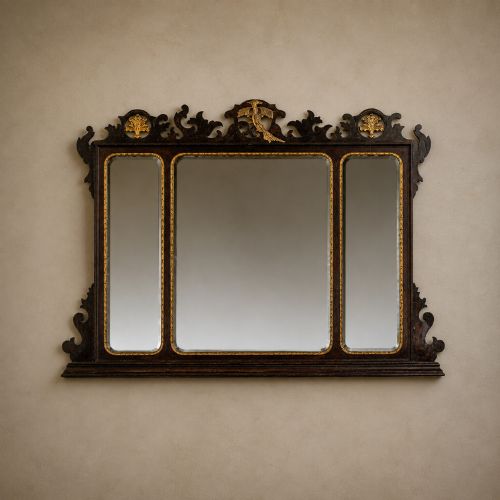
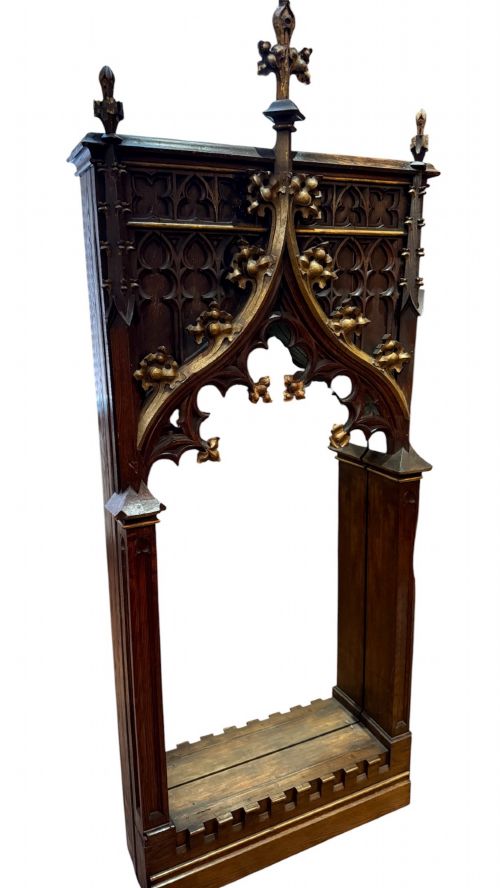
Beyond standard domestic rooms, these pieces appear in revivalist guises ranging from French Renaissance and Chippendale to Gothic and Jacobean styles. Their proportions vary from compact pier glass formats to expansive sectional frames meant for grand country house drawing rooms.
Materials and construction
Cabinetmakers constructed these frames using solid hardwoods like oak, mahogany, walnut, and rosewood, often applying rich veneers over secondary timbers. Selected pieces incorporate parcel-gilt highlights, ebonised finishes, or delicate marquetry inlay to contrast against the dark wood background.
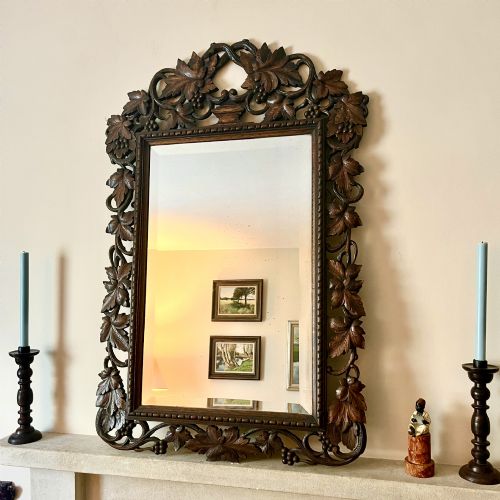
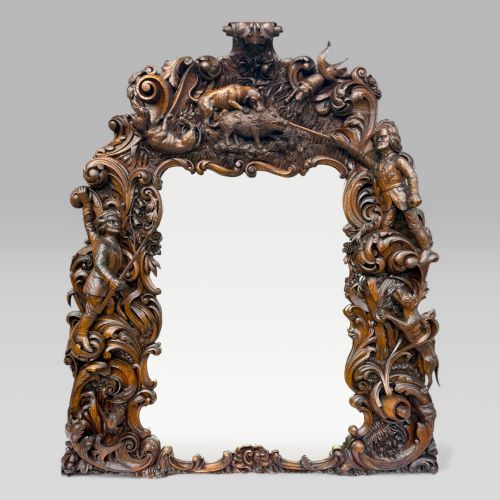
Glass plates were bevelled by hand to catch the light at oblique angles, then secured behind heavy wooden rebates with protective backing boards. Carving was executed directly into the solid timber frames, producing deep relief motifs such as foliage, scrolls, and cresting.
Listings feature periods spanning from the eighteenth century through the Victorian and Edwardian eras, executed in oak, mahogany, walnut, and rosewood.
Distinctions in execution
The distinction between standard utility mirrors and exceptional examples rests upon the depth and crispness of the hand-carved ornamentation. Superior frames display intricate detailing such as applied cresting, side columns, or figural elements rather than simple moulded edges.
The quality of the mirror plate itself establishes the visual standard, with older silvering showing authentic age-related oxidation or hand-bevelled edges that diffuse reflections softly. Timber selection also divides the range, moving from plain utilitarian pine carcasses with thin veneers to dense, figured solid mahogany or quarter-sawn oak.
Waring & Gillow
The Dark Wood Overmantel Mirror Glossary
- Overmantel mirror
- A looking glass specifically proportioned to hang on the wall directly above a fireplace mantel. These frames are typically wider than they are tall to match the horizontal span of the hearth.
- Pier mirror
- A tall, narrow looking glass traditionally hung on the narrow pier of wall between two windows. They often share similar revivalist frames and dark wood construction with overmantel pieces.
- Parcel-gilt
- Partially gilded woodwork where gold leaf highlights specific carved details, mouldings, or cresting against a dark wood or ebonised background. This technique adds luminance to the otherwise sombre timber.
- Bevelled glass
- A mirror plate whose outer edges are ground and polished at an acute angle to create a decorative framing effect. This traditional technique refracts light and marks the work of skilled glass cutters.
- Cresting
- The decorative architectural or carved ornament surmounting the top of a mirror frame. Elaborate examples feature motifs like birds, cartouches, or foliate scrolls.
Dark Wood Overmantel Mirror: Frequently Asked Questions
How do I hang a heavy overmantel mirror?
Secure the frame directly into structural wall studs using heavy-duty mirror plates or steel brackets rated for substantial weight. Because these timber frames incorporate thick glass, proper wall anchoring is essential for safety.
Distribute the load evenly across multiple fixing points rather than relying on a single picture wire. Professional installation ensures the mirror rests securely against the plaster above the fireplace.
Were these mirrors always meant for fireplaces?
While specifically proportioned to sit above mantelpieces, many large examples served equally well as principal wall mirrors in grand hallways and reception rooms. Their horizontal layout naturally expanded the visual width of any interior wall.
Placement depended largely on room proportions and the availability of matching furniture like console tables or sideboards positioned directly beneath them.
How do I care for antique dark wood frames?
Dust the carved woodwork regularly with a soft, dry lint-free cloth to prevent particulate buildup in deep crevices. Avoid modern silicone sprays, opting instead for traditional beeswax applied sparingly to nourish the grain.
Keep the mirrors away from direct, harsh sunlight and damp environments to protect both the wooden carcass and the original silvered glass plate from deterioration.
What defines a Chippendale revival mirror?
Chippendale revival pieces adopt the mid-eighteenth-century aesthetic characterised by elaborate asymmetry, scrolling foliage, and naturalistic motifs like birds. Nineteenth-century cabinetmakers reinterpreted these classical designs using dense mahogany or walnut.
They often feature rich fretwork carving and gilt accents that set them apart from simpler geometric or cushion-frame mirrors of the same era.