



Victorian Vegetable Tureen
A victorian vegetable tureen brings nineteenth-century dining tables to life with practical elegance and robust earthenware or shining silver plate.
Victorian Vegetable Tureen
A victorian vegetable tureen is a covered vessel designed to keep side dishes warm at the table, appearing across the nineteenth century in forms ranging from earthenware and ironstone to silver plate.
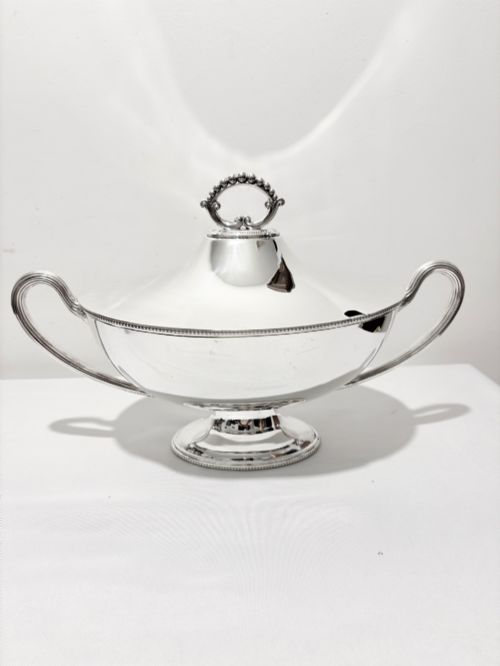
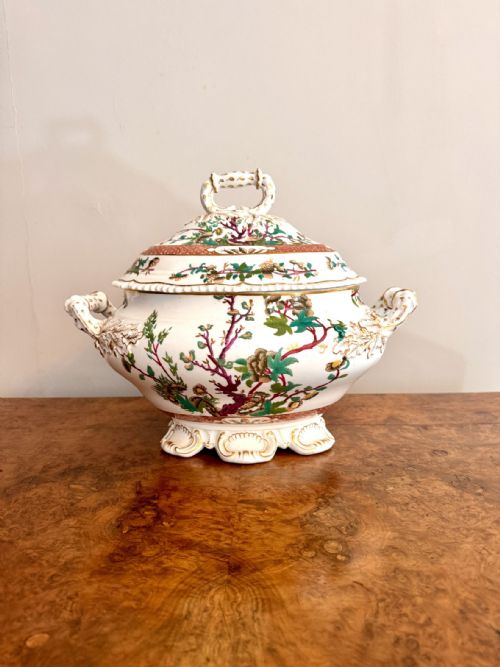
The pieces on this page span the period from the mid-nineteenth century through to the Edwardian era, taking the shape of vegetable tureens, soup tureens, entree dishes, and sauce tureens.
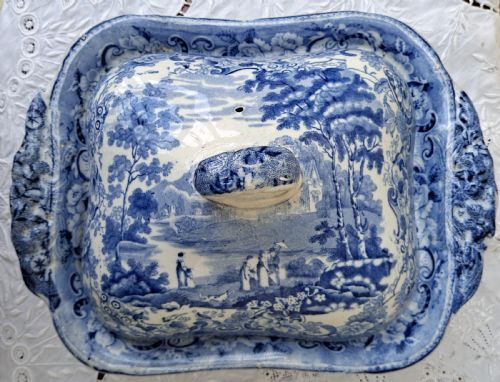
Makers utilised ceramic bodies with blue and white transfer prints, Imari palettes, and chinoiserie designs, alongside heavy metal plating over base metals for formal service.
Materials and Construction
Potters shaped ironstone and earthenware bodies, applying transfer printed patterns such as rural scenery or bamboo motifs beneath protective glaze layers.
Metal smiths constructed entree and serving dishes from silver plate, frequently adding gold leaf, gilt highlights, or cast handles to elevate the finished piece.
Victorian Vegetable Tureen Retail Price Guide 2026
Typical asking prices for victorian vegetable tureen among the pieces listed under this phrase on Sellingantiques today, from the lower quarter to the upper quarter. They describe what is for sale here now, not the wider market.
Listings feature nineteenth-century materials including ironstone, earthenware, and silver plate, alongside specific pottery patterns like blue and white transfer print.
Assessing Quality and Manufacture
The distinction between standard service items and the finest pieces lies in the crispness of the transfer print, the depth of the ironstone body, and the weight of the metal.
Subtle details such as hand-applied gilding, balanced proportions, and clear maker marks separate mass-produced wares from exceptional workshop output.
James Wallace & Co·Hamilton & Inches·Doulton Burslem·Edward & John Barnard·Walker and Hall·Elkington·William Hutton & Sons·Copeland & Garrett·Ridgways
The Victorian Vegetable Tureen Glossary
- Ironstone
- A dense, durable type of ceramic patented in the nineteenth century to imitate Chinese porcelain while offering greater strength for daily dining.
- Transfer Print
- A decoration method where an engraved copper plate transfers a design onto tissue paper, which is then pressed onto the ceramic body before glazing.
- Silver Plate
- A manufacturing technique where a thin layer of silver is fused or electroplated onto a base metal such as copper or nickel brass.
- Entree Dish
- A shallow lidded container used for serving individual courses or side dishes during formal nineteenth-century meals.
Victorian Vegetable Tureen: Frequently Asked Questions
How were these tureens used?
These covered vessels sat upon dining tables to hold hot vegetables, sauces, or meats, keeping steam and heat trapped beneath the lid until service.
Servants would uncover the dishes at the table, allowing guests to help themselves during multi-course Victorian meals.
Are silver plated tureens heavy?
Metal serving dishes from this period generally possess a solid, reassuring weight due to the thick base metal beneath the silver plating.
Larger entree dishes and soup containers require two hands to lift safely when filled.
Can I use ironstone tureens daily?
Ironstone ceramics are exceptionally tough and handle regular use well, though hand washing remains advisable to protect historical glazes and gold leaf.
Sudden temperature changes should be avoided to prevent thermal shock to nineteenth-century pottery.
How do I identify the date?
Makers often stamped registration marks, initials, or factory names directly into the ceramic base or engraved them onto the metal underside.
Stylistic cues such as transfer print patterns and Victorian or Edwardian registry numbers help narrow down the production decade.