



Chinoiserie Soup Tureen
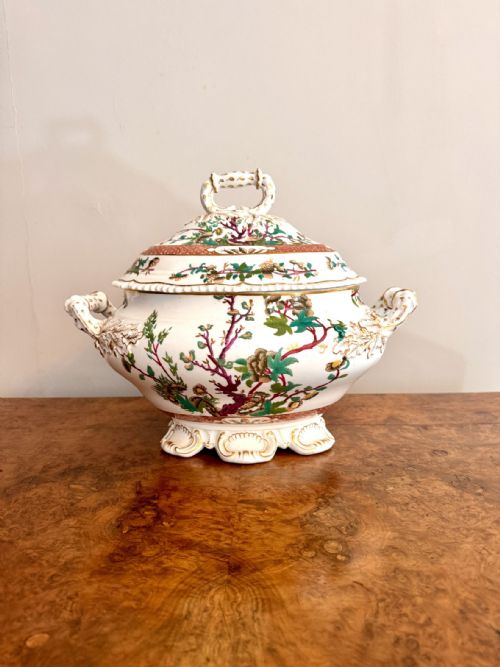
These chinoiserie soup tureen pieces bring decorated porcelain and ironstone to the table, offering a decorative surface that elevates any dining arrangement.
Chinoiserie Soup Tureen
When you search for a chinoiserie soup tureen, you encounter serving vessels shaped from ceramic, earthenware, porcelain, and ironstone, often accompanied by matching covers or ladles.
The pieces on this page span the Georgian, Regency, and Victorian periods, alongside specific years such as eighteen-sixty and eighteen-eighty.
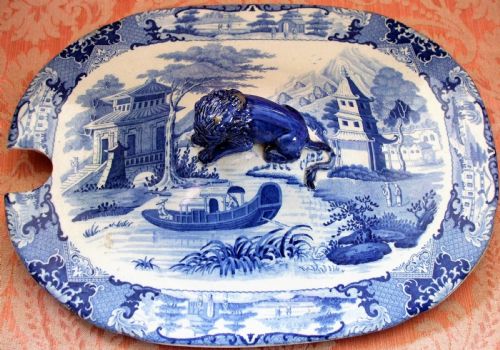
You are most likely to meet English Staffordshire blue and white earthenware or vibrant Mandarin pattern ironstone pieces, reflecting the stylistic tastes of the nineteenth century.
How they were made
Potters shaped these vessels from heavy ironstone or fine porcelain, applying detailed glaze and enamel decoration by hand or through early transfer printing techniques.
Details such as gold leaf and gilt highlights were frequently added over the fired glaze to accentuate handles, rims, and covers.
Chinoiserie Soup Tureen Retail Price Guide 2026
Typical asking prices for chinoiserie soup tureen among the pieces listed under this phrase on Sellingantiques today, from the lower quarter to the upper quarter. They describe what is for sale here now, not the wider market.
Some tureens feature unexpected bird claw details hidden on the reverse of the ceramic soup ladle.
What varies in quality
The distinction between standard utility vessels and superior examples lies in the crispness of the transfer print or the precision of the hand-painted enamel and gilt work.
Thick, heavy ironstone bodies maintain structural integrity better than fragile earthenware, while completeness - such as retaining the original cover and ladle - dictates the desirability of the set.
Robert Hamilton·Copeland and Garrett
The Chinoiserie Soup Tureen Glossary
- Ironstone
- A dense, durable type of semi-porcelain patented in the nineteenth century. It resists chipping far better than traditional earthenware.
- Chinoiserie
- European artistic style reflecting Chinese motifs and landscapes. Artisans painted imaginative pavilions, birds, and figures onto ceramic surfaces.
- Transfer printing
- Mechanical method of applying detailed designs to pottery using engraved copper plates and tissue paper. This technique allowed intricate scenes like Canton River views to be reproduced consistently.
- Gilt
- Application of gold leaf or gold paint to ceramic surfaces. It provides a metallic finish that catches the light around handles and borders.
Chinoiserie Soup Tureen: Frequently Asked Questions
How were they used?
These tureens served hot soup and broth at formal dining tables, keeping the contents warm beneath a fitted lid.
The matching ladle allowed hosts to portion food directly into bowls for guests during large dinners.
How do I date them?
Dating relies on identifying maker marks stamped into the ironstone or observing the weight and colour of the ceramic body.
Transfer-printed patterns and stylistic shifts from Georgian neoclassicism to Victorian revivalism also help narrow the decade of production.
Are they safe for food?
Most antique pieces feature nineteenth-century glazes that may contain minor impurities from historic firing methods.
Collectors generally treat these tureens as decorative display items rather than functional tableware for daily dining.
How do I clean them?
Dusting with a dry, soft cloth is sufficient for routine maintenance on display shelves.
Avoid soaking pieces with gilt or enamel decoration in water to protect the historic surface finishes from fading.