


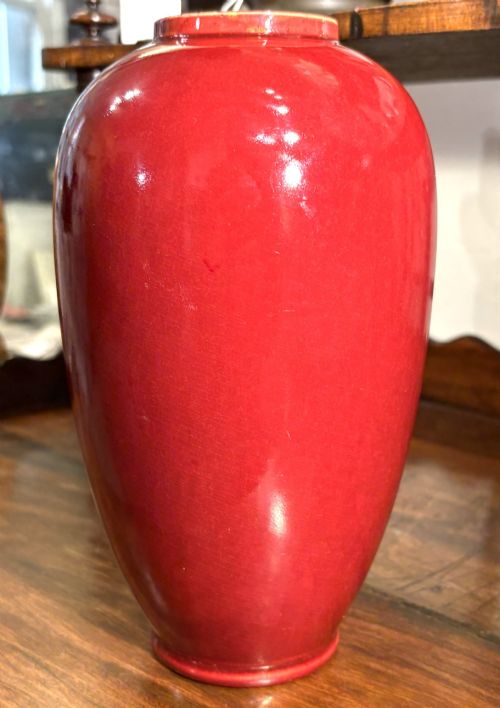
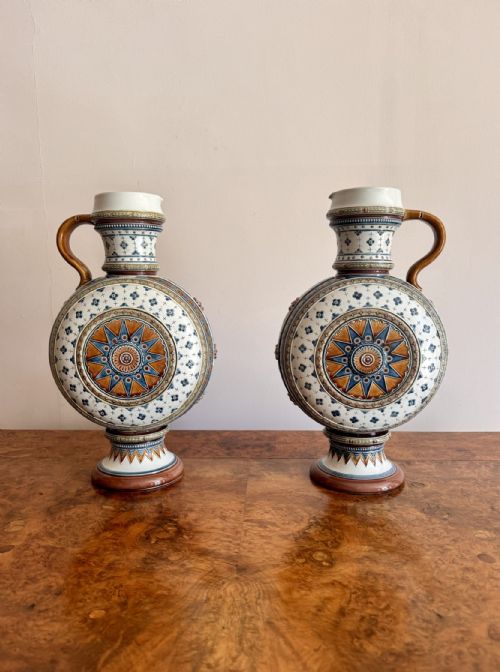
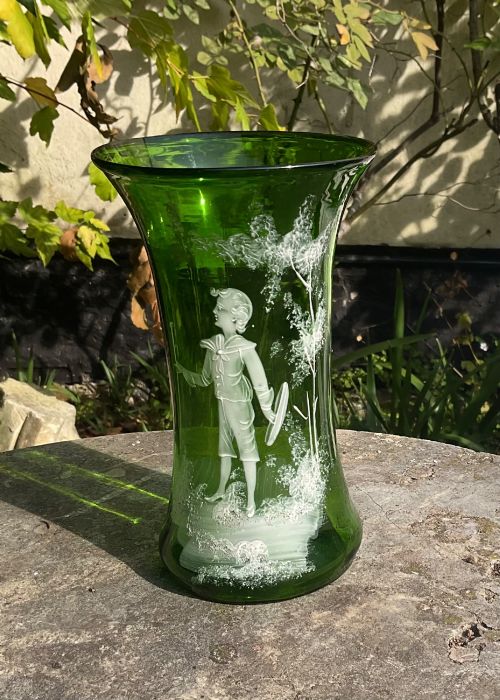
Victorian Vase
These pieces of victorian vase combine dense nineteenth-century ornamentation with utilitarian display, serving as tactile markers of domestic interior taste.
Victorian Vase
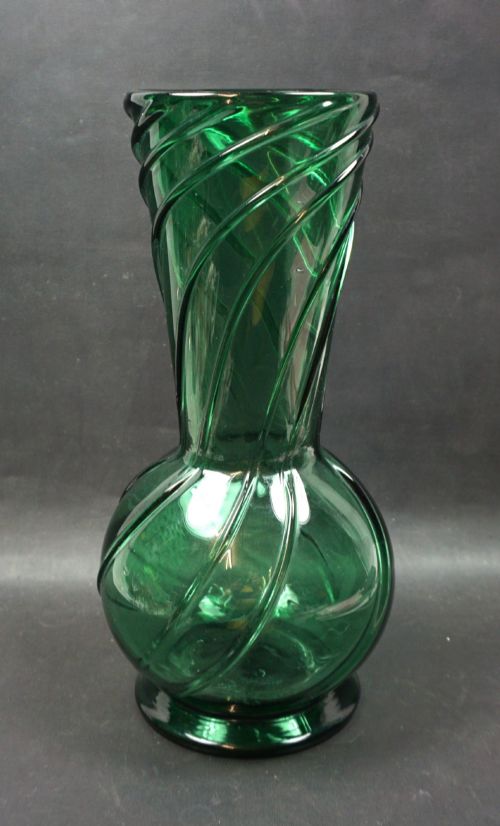
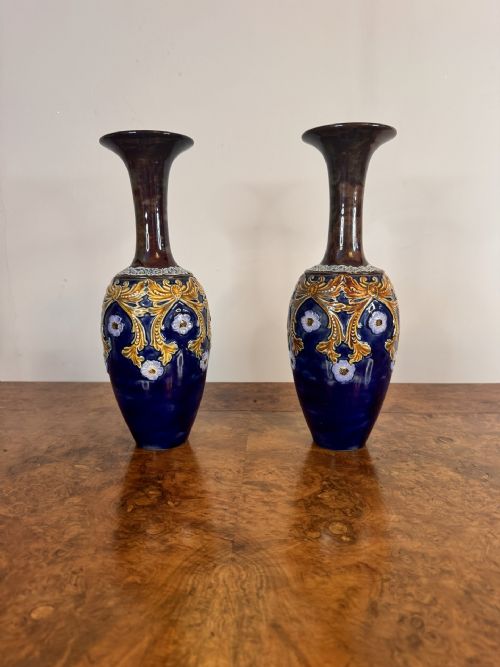
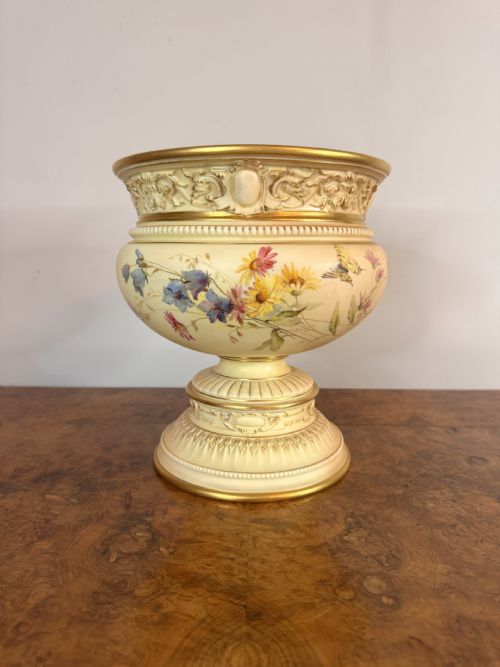
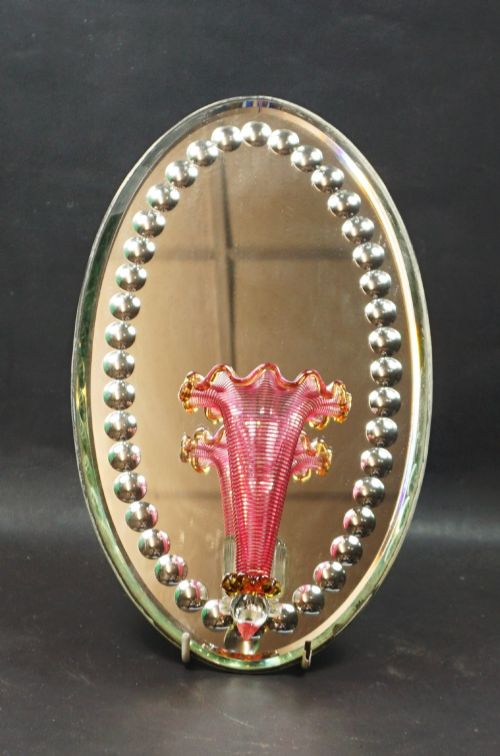
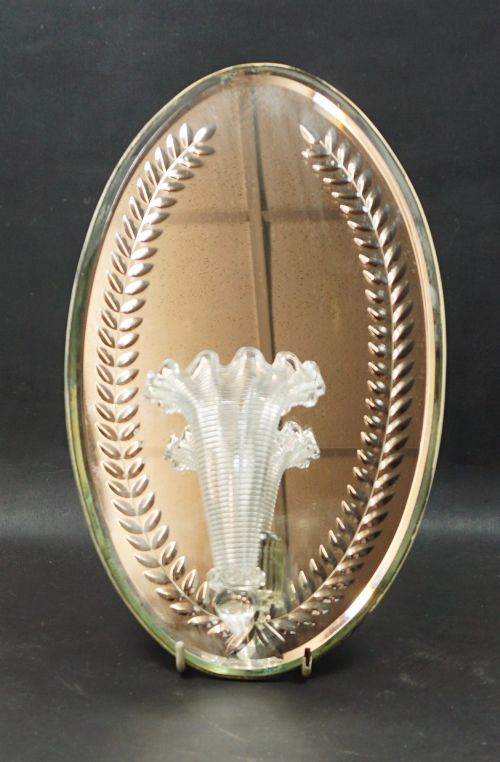
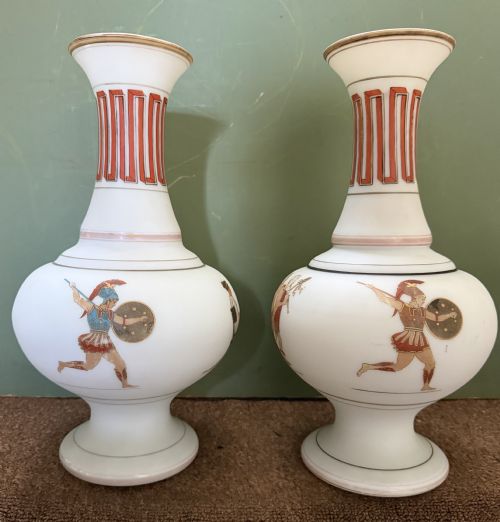
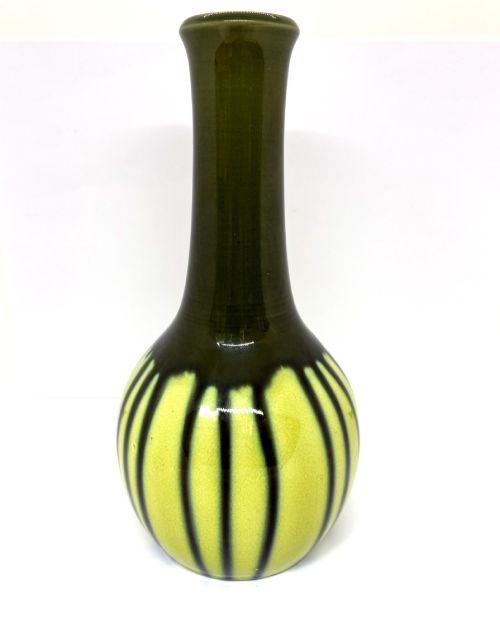
A victorian vase covers diverse nineteenth-century forms, ranging from earthenware spill vessels to elaborately gilded porcelain and glass table centrepieces. Buyers examining this category encounter production spanning from early mid-century earthenware to late aesthetic movement ceramics and glass.
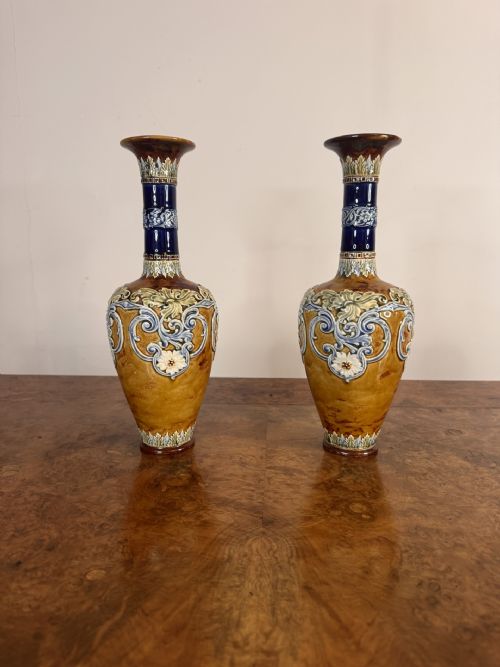
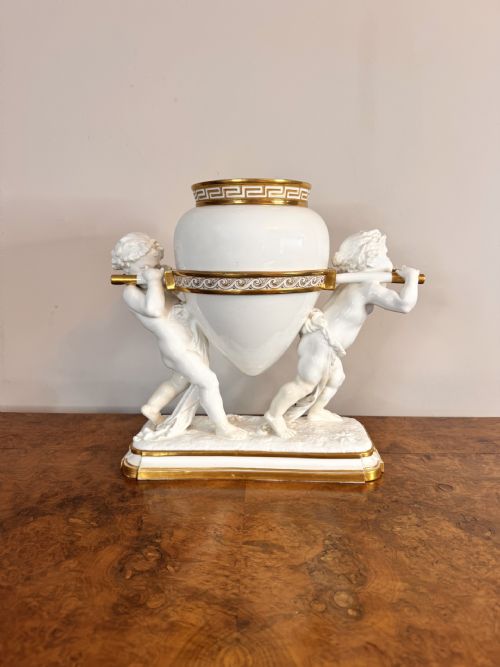
The objects served primarily as interior ornamentation, holding cut flowers or standing alone on mantelpieces and cabinets to signal domestic refinement. Common variants include twin-handled porcelain vessels, Staffordshire animal spill pieces, and decorative glass epergnes.
Origins stretch across British potteries, continental porcelain factories, and Japanese export wares popular during the period. The selection reflects both industrial factory output and specialised studio ceramics from the nineteenth century.
Materials and Techniques
Manufacturing methods rely heavily on moulded and slip-cast ceramic bodies, finished with hand-painted polychrome decoration, transfer printing, or applied enamel and gold leaf. Earthenware and porcelaneous pastes dominate the ceramic entries, often fired at high temperatures before receiving glaze layers.
Glass production utilises techniques such as press-moulding, etching, and casing, seen in vaseline glass, uranium glass, and flashed white glass bodies. Bronze, cast iron, and gilt metal components frequently mount these glass and ceramic vessels to provide structural stability and ornamental contrast.
Victorian Vase Retail Price Guide 2026
Typical asking prices for victorian vase among the pieces listed under this phrase on Sellingantiques today, from the lower quarter to the upper quarter. They describe what is for sale here now, not the wider market.
A porcelain deer stands eternally alert, waiting for a fire to need lighting.
Assessing Quality and Execution
Quality rests upon the crispness of the moulding, the precision of hand-painted detail, and the integrity of the glaze or gilding. Superior examples display controlled brushwork, secure metal mounts, and well-balanced proportions without distortion from the kiln.
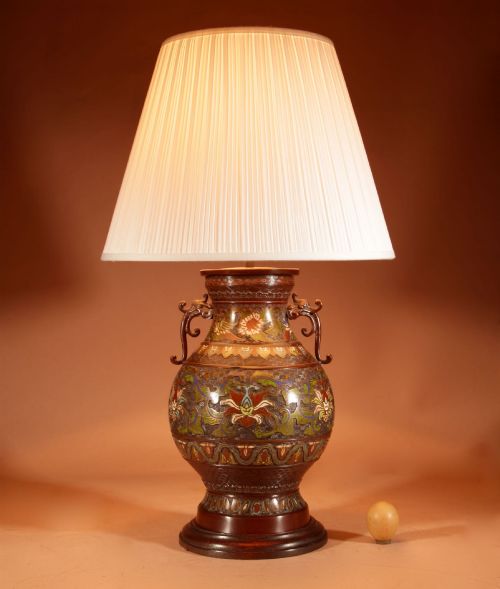
Factory pedigree and artistic execution elevate certain pieces above standard commercial output, distinguishing mass-produced wares from exhibition-grade studio productions. The depth of the decorative program, whether champlevé bronze work or intricate moriage slip application, dictates the standing of the piece.
Burmantofts Pottery·Villeroy and Boch·Thomas Parr factory·Bretby Vases·Royal Crown Derby·Royal Worcester·Sitzendorf·Jacob Petit
The Victorian Vase Glossary
- Spill vase
- A small cylindrical container designed to hold wooden spills used for lighting candles and fires. These typically feature earthenware or porcelain construction.
- Epergne
- A large table centrepiece featuring a central bowl with multiple branching arms and hanging baskets. They are commonly formed from coloured glass and silvered or bronze metalwork.
- Moriage
- A Japanese ceramic decorating technique using piped clay slip to build up raised floral or decorative patterns. This method appears on Satsuma wares from the late nineteenth century.
- Maiolica
- Tin-glazed earthenware produced in Italy and later imitated across Europe. The technique yields a white opaque background suitable for painted decoration.
- Vaseline glass
- Glass containing uranium oxide that exhibits a distinct yellow-green fluorescence under ultraviolet light. It gained popularity during the nineteenth century for decorative tableware.
Victorian Vase: Frequently Asked Questions
What is a spill vase?
A spill vase is a small upright vessel designed to hold rolled paper or thin wooden sticks known as spills. These spills were lit from the hearth fire and carried to candles or lamps.
They sit flat on mantelpieces and usually feature ceramic or earthenware construction decorated with painted figures or animals.
How do I date a nineteenth-century vase?
Dating relies on factory marks, glaze types, and stylistic indicators such as neo-classical revival motifs or aesthetic movement asymmetry. Ceramic bodies and base markings often provide clues to the decade of manufacture.
Comparing the decorative technique against known factory production windows helps narrow the age of unmarked pieces.
Where should I display glass epergnes?
Glass epergnes require stable surfaces with adequate clearance, such as dining tables or large sideboards, due to their branching arms. Natural light enhances the coloured glass and metallic mountings.
Placing them away from high-traffic walkways prevents accidental damage to the delicate hanging baskets and glass flutes.
What is Satsuma moriage?
Satsuma moriage is a style of Japanese ceramic featuring earthenware bodies decorated with raised slip patterns. Artisans piped liquid clay onto the surface to create textured designs before adding polychrome paints and gilding.
These pieces arrived in Europe in large numbers following trade openings in the nineteenth century.