
Victorian Vanity Stand
A Victorian vanity stand brings together the functional grooming apparatus and wash furniture of the nineteenth century, offering both surface utility and period character.

Victorian Vanity Stand
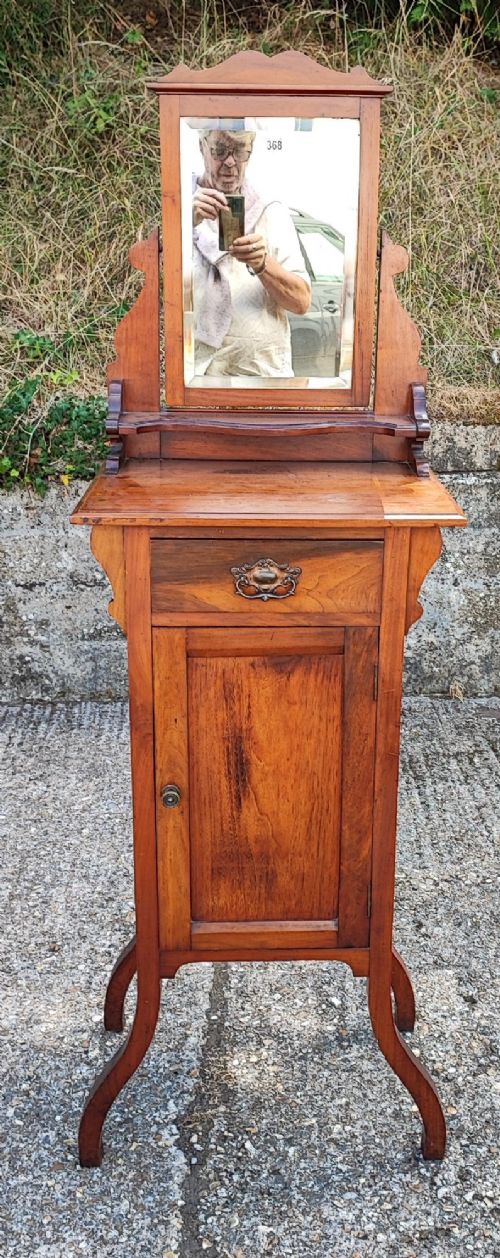
When searching for a victorian vanity stand, buyers encounter a diverse group of nineteenth-century furniture encompassing washstands, shaving stands, and adjustable dressing table mirrors. These items span periods from the early nineteenth century through to the Edwardian era, reflecting changing domestic habits in personal hygiene and grooming.
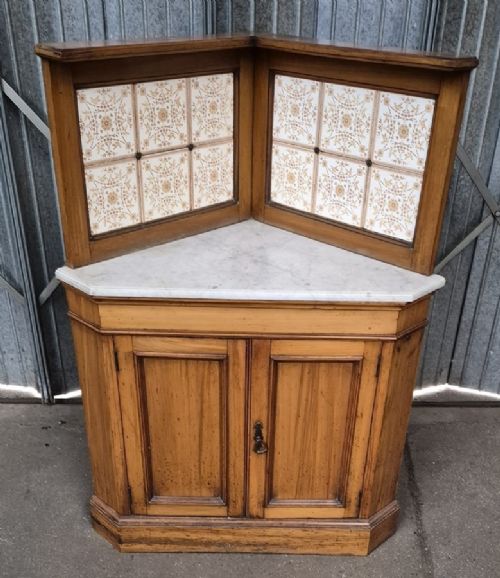
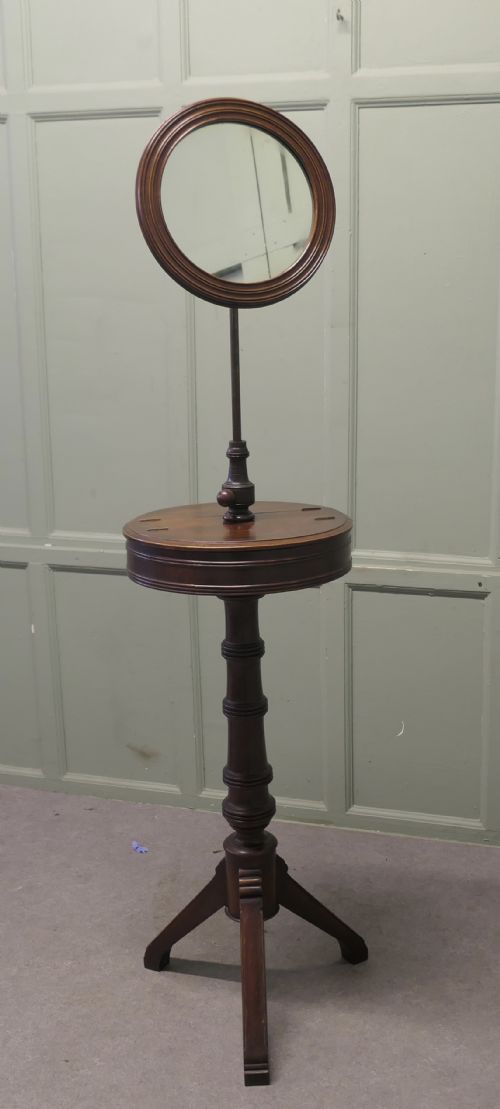
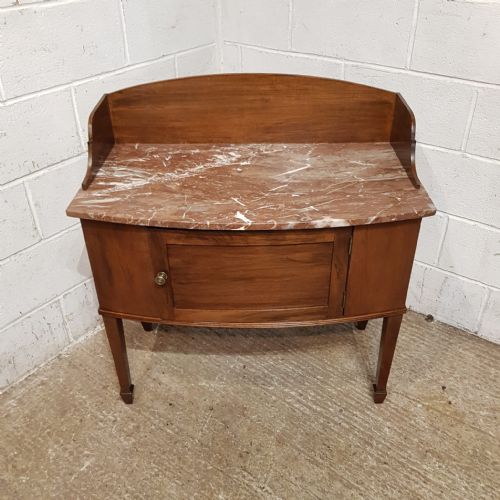
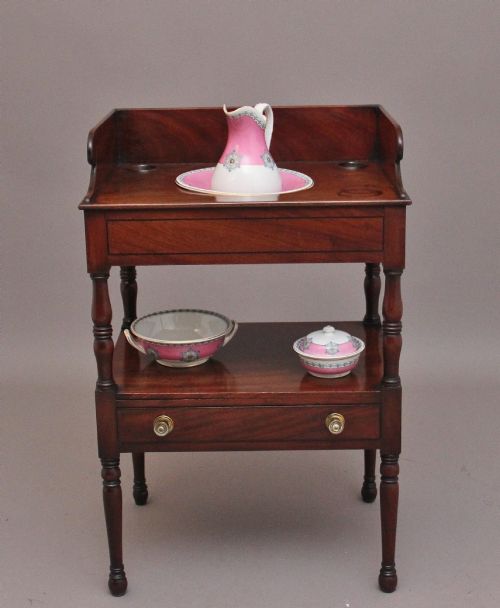
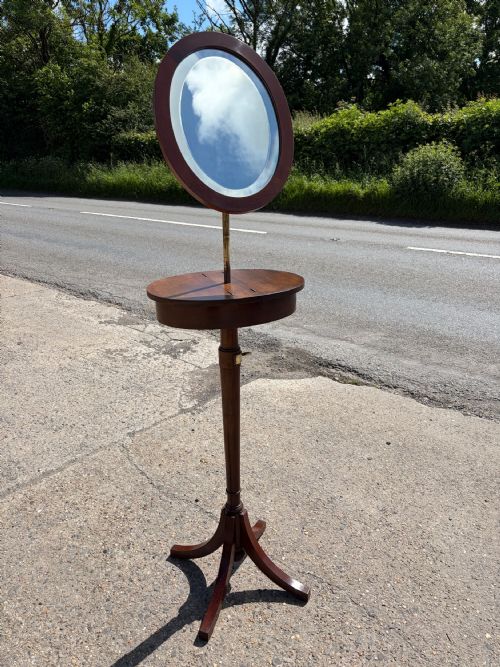
The most common forms on this page include mahogany, walnut, and pine washstands alongside telescopic shaving mirrors on tripod or weighted bases. Many feature integrated marble tops, tiled backs, ceramic basins, and pivoting or swing plates designed for precise angle adjustment during daily routines.
How they were made
Cabinet makers utilised dense hardwoods such as mahogany, walnut, and satinwood alongside pine for carcases, employing traditional joinery and turned supports. Metal elements such as brass, gilt bronze, champleve enamel, and ormolu were incorporated into mirrors, brackets, and wash furniture hardware.
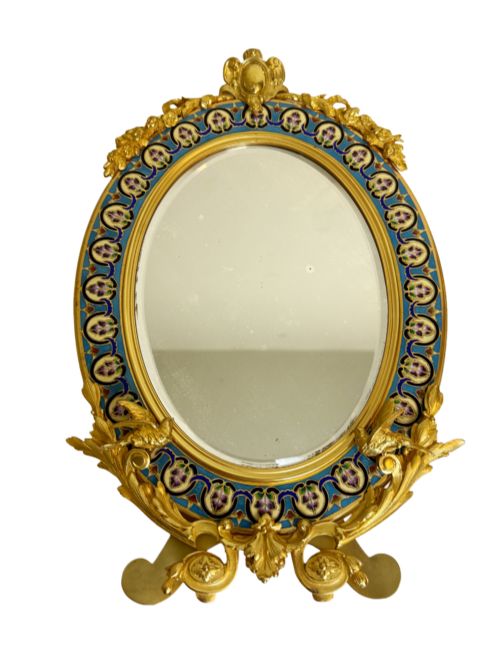
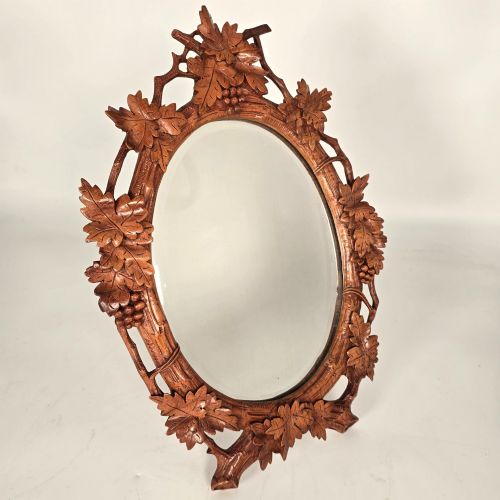
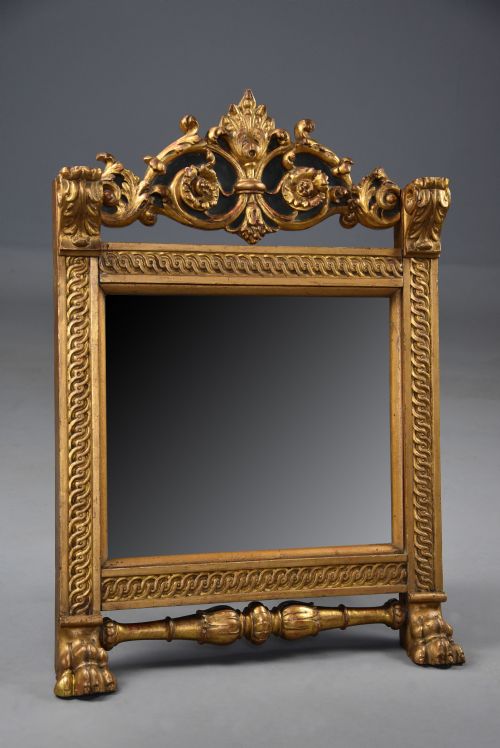
Surfaces frequently combined carved lime wood or giltwood frames with bevelled glass plates, whilst stone work involved fitted marble tops on wash stands. Decorative techniques included champleve enamel work, ebonised chinoiserie finishes, and Renaissance or Rococo revival carving.
Listings feature materials spanning brass, mahogany, marble, walnut, ceramic, and champleve enamel across Victorian and Edwardian periods.
What varies in quality
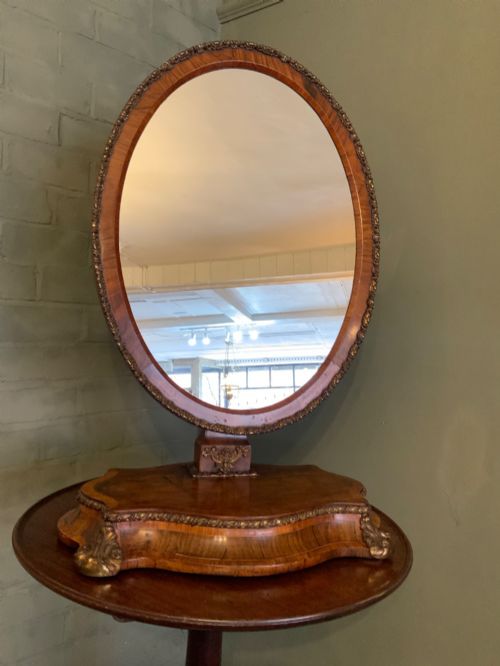
The distinction between standard domestic items and superior examples lies in the selection of timber veneers, such as burr walnut or figured mahogany, and the depth of hand-carving on frames and supports. Superior shaving stands and mirrors feature robust telescopic mechanisms that hold position securely.
Makers known for retail supply and fine cabinet work invested greater attention in matching marbles, original ceramic wash sets, and detailed brass or bronze mounts. Pieces bearing maker stamps or retail attributions demonstrate higher workshop standards than unbranded provincial items.
Walker & Sons·Heal & Sons·Thomas Rubergall·Maple & Co
The Victorian Vanity Stand Glossary
- Cheval mirror
- A full-length dressing mirror suspended on a vertical frame with side pivots, allowing the glass to tilt. These freestanding items typically rest on four scrolled or splayed feet.
- Shaving stand
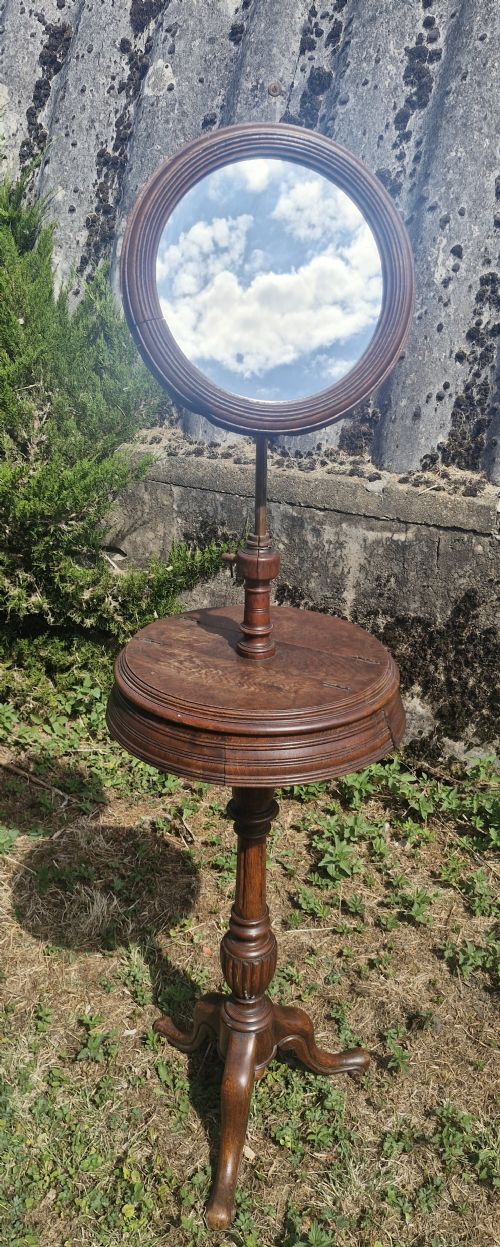
- A specialist grooming stand incorporating an adjustable mirror mounted above a small table, often featuring storage drawers or holders for basins and shaving tackle.
- Washstand
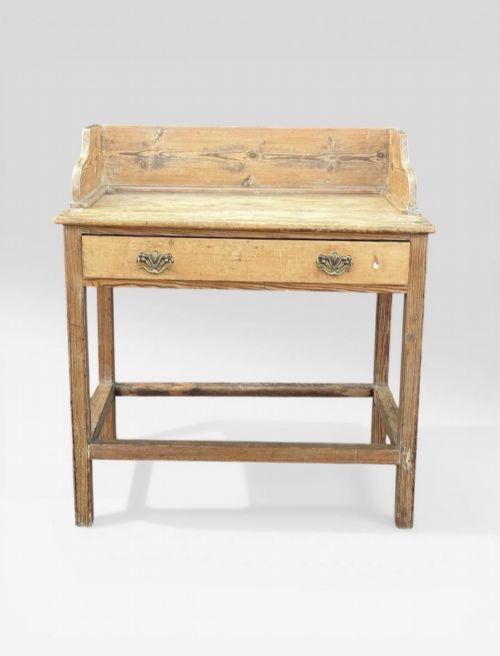
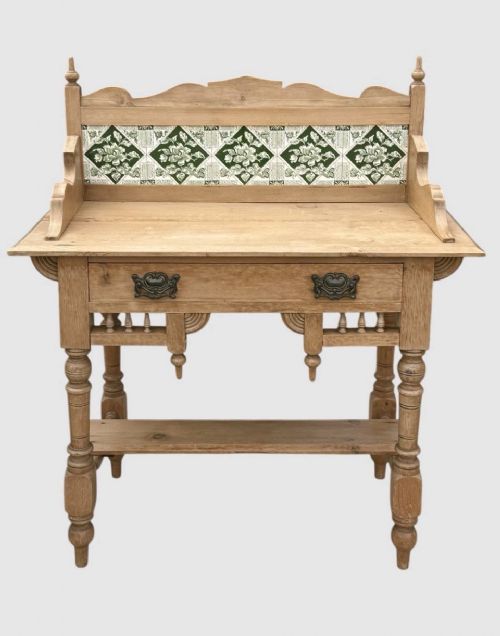
- A piece of bedroom furniture designed to hold a ceramic wash jug and bowl, frequently topped with marble and fitted with tiled splashbacks and towel rails.
- Champleve
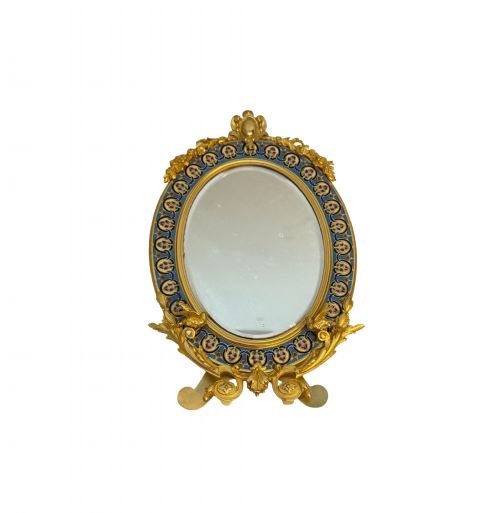
- An enamelling technique where depressions are carved into a metal surface and filled with vitreous enamel before firing. It appears frequently on late nineteenth-century French table mirror frames.
- Swing mirror
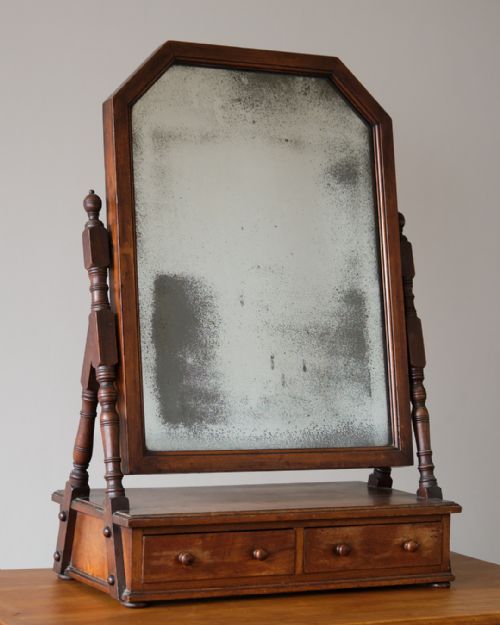
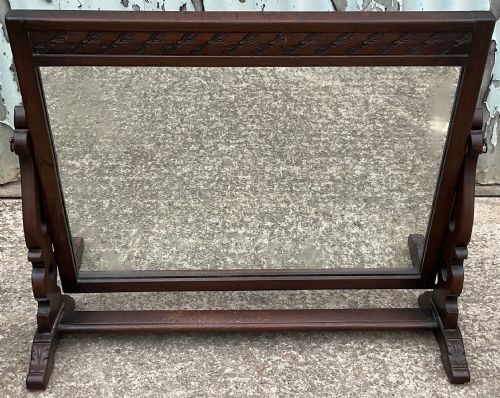
- A mirror plate mounted on vertical uprights with screw pivots, allowing the glass to swing back and forth. These sit atop dressing tables, chests, or dedicated stands.
Victorian Vanity Stand: Frequently Asked Questions
What is a Victorian vanity stand?
A Victorian vanity stand refers to nineteenth-century furniture pieces designed for personal grooming and washing, including washstands, shaving mirrors, and dressing table units.
These items range from functional pine wash tables with marble tops to polished mahogany shaving stands with adjustable glass plates.
How were shaving stands used?
Shaving stands were utilised by gentlemen for morning grooming routines, providing a stable surface and an adjustable mirror for shaving.
The telescopic mechanisms allowed users to alter the height and angle of the glass according to their needs.
Are washstands practical today?
Washstands adapt well to modern interiors, serving as side tables, bathroom basin units, or nursery changing tables.
The marble tops and lower shelves offer durable surfaces for contemporary storage and display purposes.
How to date a vanity stand?
Dating relies on timber choices, construction methods, and stylistic indicators such as Art Nouveau motifs, Rococo revival carving, or Edwardian simplicity.
Evidence of specific periods often appears through hardware styles, brass mounts, and accompanying ceramic wash sets.