




Victorian Adjustable Mirror
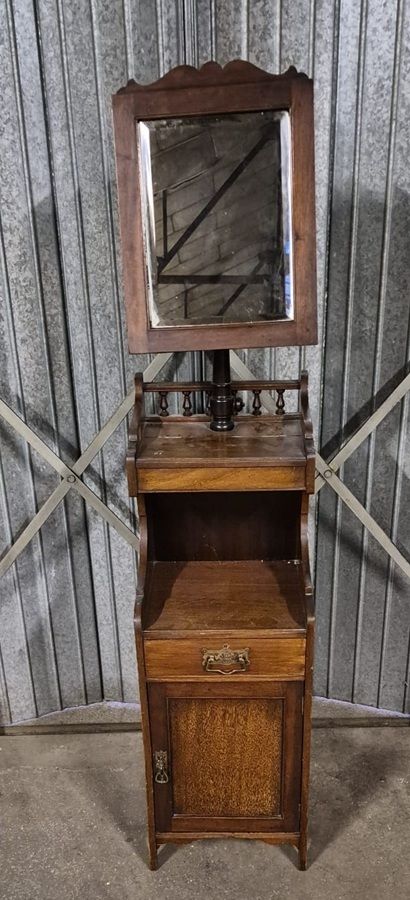
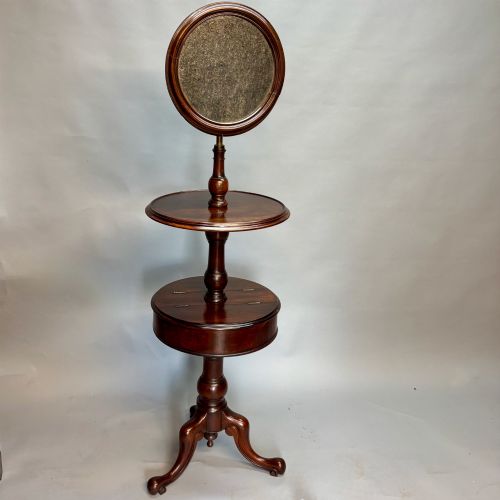
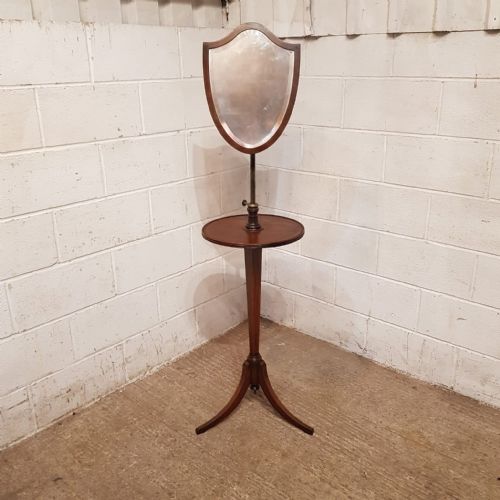
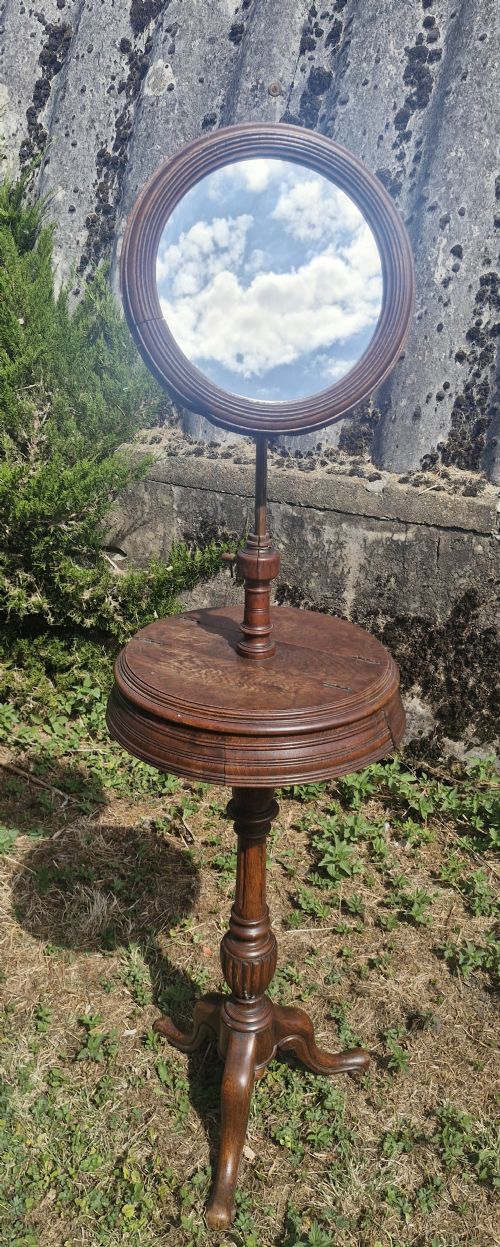
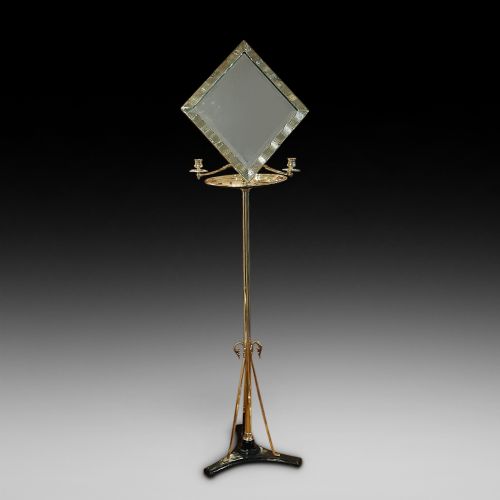
These pieces for a victorian adjustable mirror are practical shaving and dressing glasses designed to tilt or raise.

Victorian Adjustable Mirror
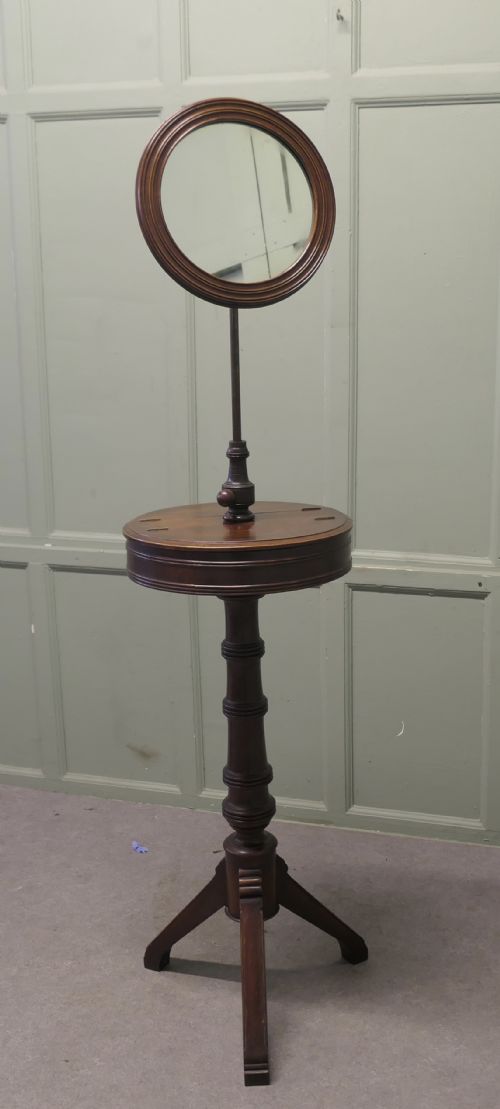
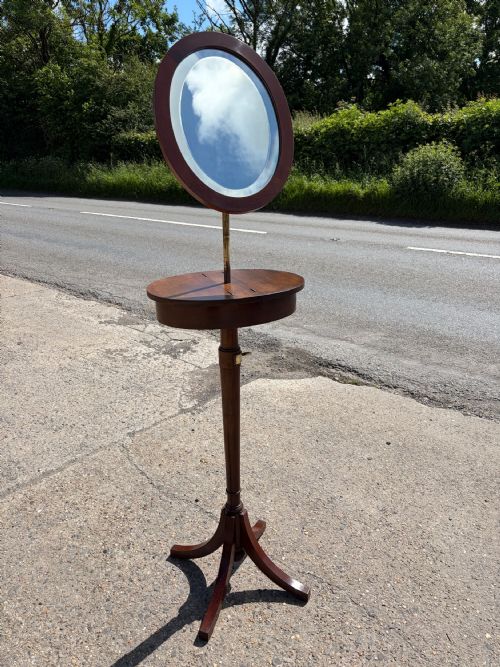
When you search for a victorian adjustable mirror, you are looking at mirrors designed for grooming, dressing and shaving that alter their height or angle. The most common forms on this page are freestanding shaving stands, tripod mirrors and table-top dressing glasses originating in the nineteenth century.
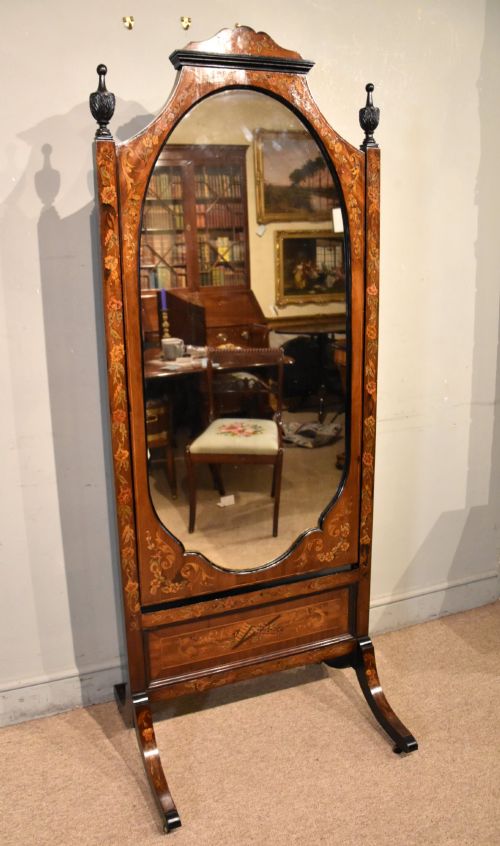
The evidence shows these pieces appear in periods spanning from the Regency era through to Edwardian times, with the majority falling squarely into the Victorian period. They take the form of shaving stands, cheval mirrors and toilet glasses built to stand on tables or floors.
How they were made
Cabinet makers constructed these mirrors primarily in timber frames of mahogany, walnut, oak and ash, often incorporating brass mechanisms for the telescopic action. Marquetry inlay, turned columns and painted finishes appear on selected examples.
The glass itself is held in swinging frames or mounted on brass uprights and tripod bases allowing height adjustment and tilting movement. Joinery methods rely on traditional cabinet-making techniques appropriate to each period style.
Victorian Adjustable Mirror Retail Price Guide 2026
Typical asking prices for victorian adjustable mirror among the pieces listed under this phrase on Sellingantiques today, from the lower quarter to the upper quarter. They describe what is for sale here now, not the wider market.
Several examples are specifically designated as boot maker's mirrors, proving that footwear required inspection from every conceivable angle.
What varies in quality
Quality rests upon the weight of the timber, the precision of the brass moving parts and the stability of the base. A heavier tripod or a solid mahogany frame holds its position more securely than a lighter structure.
Finer examples show crisp carving, well-fitted drawers and original mirror glass with clean bevels. The integrity of the telescopic mechanism dictates how smoothly the mirror operates.
J. Shoolbred
The Victorian Adjustable Mirror Glossary
- Cheval mirror
- A full-length mirror hung in a freestanding frame that tilts on vertical pivots. It allows the user to view their entire outfit.
- Telescopic
- A descriptor for a stand featuring an inner shaft that slides up and down within an outer column. This mechanism adjusts the height of the shaving mirror.
- Toilet mirror
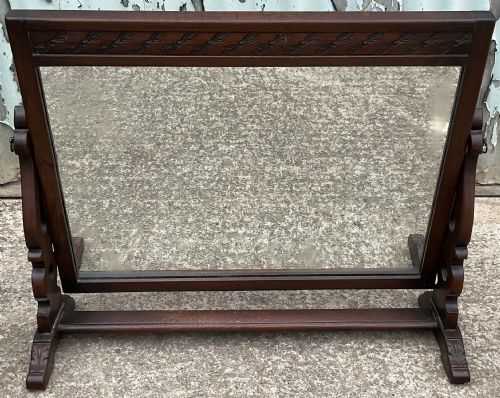
- A smaller mirror designed to sit upon a dressing table or chest of drawers. These often incorporate small trinket drawers in the base.
- Swing mirror
- A glass plate hung on side screws within a frame, allowing the angle of reflection to tilt forward or backward. It is a defining feature of dressing and shaving glasses.
- Tripod base
- A three-legged support structure commonly found on shaving stands. It provides stability on uneven floors.
Victorian Adjustable Mirror: Frequently Asked Questions
How do you adjust the height?
Many examples use a brass telescopic rod or collar screw that locks the inner stem at the desired level. Loosening the fitting allows the mirror to slide up or down before tightening again.
Other styles rely on pivoted frames that tilt back and forth rather than altering in overall height.
Where were these used?
These mirrors stood in bedrooms, dressing rooms and gentlemen's quarters for morning routines and grooming. Shaving stands were often placed near washstands or windows for optimal light.
Table-top toilet mirrors sat atop dressing tables to assist with hairstyling and makeup application.
How do you clean the brass?
Gentle wiping with a soft, dry cloth preserves the aged surface of original brass fittings without removing the patina. Avoid harsh chemical polishes that can damage surrounding wood.
Keep moisture away from the timber components when maintaining the metal parts.
Are the mirror plates original?
Some pieces retain their original glass, which can display light foxing or small blemishes acquired over time. Replacement mirror plates also occur where older glass has deteriorated.
Checking the silvering behind the glass reveals whether the plate dates from the period of the frame.