




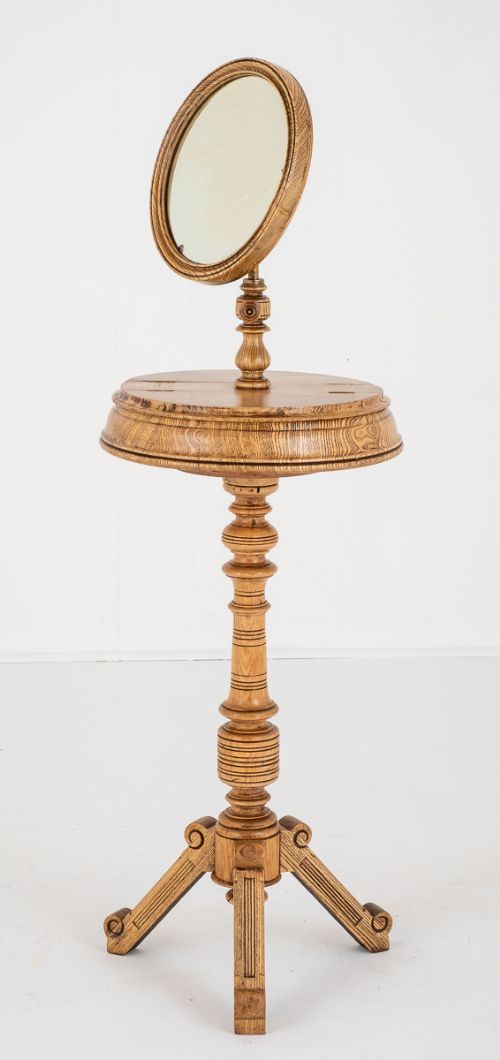


Victorian Ash Furniture
Victorian ash furniture combines robust native timber with honest craftsmanship to create utilitarian pieces that suit modern rooms.
Victorian Ash Furniture
Victorian ash furniture encompasses practical domestic items built throughout the nineteenth century, ranging from sturdy seating to spacious chests of drawers. When searching for Victorian ash furniture, buyers encounter robust country chairs, bedroom suites, and writing desks shaped by vernacular traditions.
The pieces often bridge the gap between formal revival styles and utilitarian country workshop output. Many examples display simple turned spindles and solid timber construction intended for heavy daily use.
Materials and Construction
Makers utilised solid ash frequently paired with elm for seat boards or secondary timbers to ensure structural longevity. Turning lathes shaped spindles and legs, while simpler boards formed chests and cabinets.
Surface treatments varied from waxed natural grain to later painted finishes, allowing the dense hardwood to withstand generations of domestic service without losing its inherent strength.
Victorian Ash Furniture Retail Price Guide 2026
Typical asking prices for victorian ash furniture among the pieces listed under this phrase on Sellingantiques today, from the lower quarter to the upper quarter. They describe what is for sale here now, not the wider market.
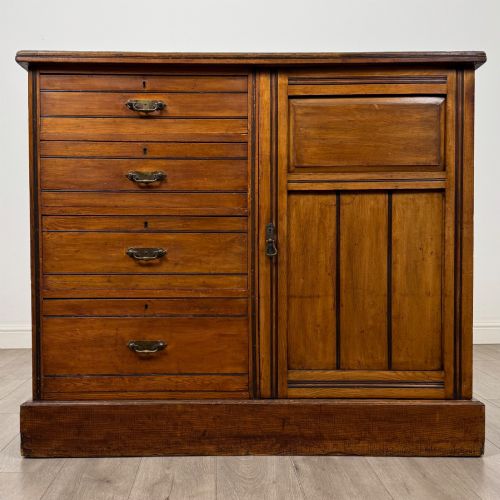
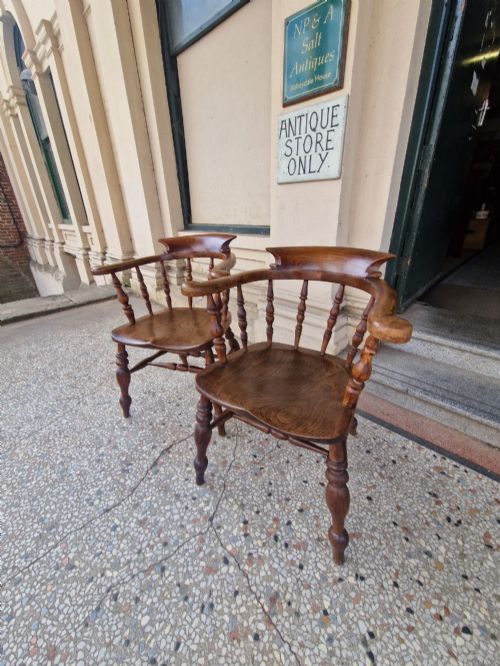
Current listings demonstrate that Victorian ash furniture frequently incorporates elm and brass hardware across forms such as Windsor chairs and Wellington chests.
Assessing Quality and Execution
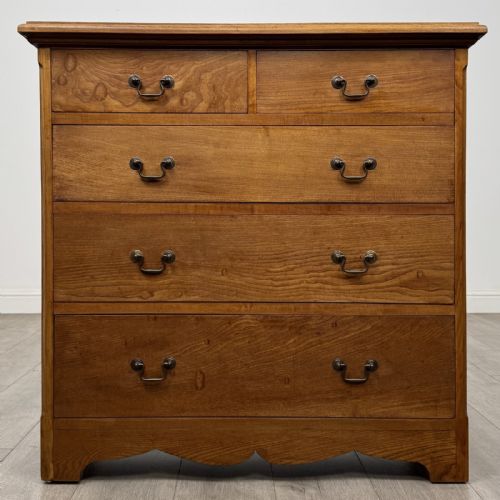
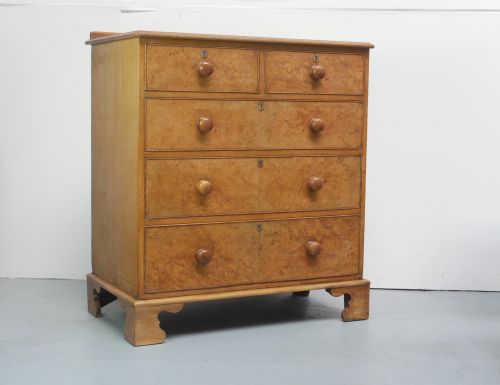
Quality rests upon the selection of timber, particularly where figured burr ash veneer or choice grain highlights a drawer front. Superior examples maintain original structural integrity without excessive replacement timber.
The refinement of turned components and the crispness of joinery separate standard vernacular items from ambitious pieces produced by notable workshops and cabinetmakers.
Harris Lebus
The Victorian Ash Furniture Glossary
- Ash
- A tough, resilient British hardwood with a pale colour and pronounced grain pattern. It provided makers with a flexible material ideal for steam-bending and spindle turning.
- Elm
- A durable timber frequently utilised for chair seats due to its interlocking grain that resists splitting under stress. It pairs naturally with ash in vernacular seating.
- Burr ash
- A highly decorative wood growth showing swirling patterns, selected for prominent drawer fronts and cabinet surfaces. It offers a striking visual contrast to straight-grained ash.
- Windsor chair
- A traditional seating form featuring a solid saddle-shaped wooden seat into which the legs and back spindles are wedged directly. These chairs often combine ash, elm, and beech.
- Wellington chest
- A tall, narrow set of drawers secured by a locking side flap that fastens over the drawer edges. This form maximises vertical storage in smaller Victorian bedrooms.
Victorian Ash Furniture: Frequently Asked Questions
What is Victorian ash furniture?
Victorian ash furniture consists of nineteenth-century domestic items built primarily from native ash timber. These pieces range from Windsor chairs and child's high chairs to multi-drawer chests and dressing tables.
Makers valued the wood for its elasticity and strength, making it suitable for both country workshops and urban cabinet-making establishments.
How do I identify ash from other woods?
Ash is characterised by a pale, creamy hue and an open, pronounced grain that resembles oak but lacks the distinctive medullary rays. It often feels heavy and dense in the hand.
When polished or waxed, the grain retains a tactile quality that distinguishes it from smoother fruitwoods or mahogany.
Were these pieces painted originally?
Most Victorian ash furniture was finished to display the natural grain with clear wax or polish. However, some pieces received decorative paint finishes later in the period or in subsequent revivals.
Surface treatments reflect both regional workshop traditions and changing domestic tastes across the nineteenth century.
How should I care for ash furniture?
Maintain solid ash pieces by applying a traditional beeswax polish sparingly to nourish the dry timber. Keep them away from direct heat sources and strong sunlight to prevent splitting.
Gentle dusting with a soft cloth preserves the historic surface sheen without damaging the wood fibres.