
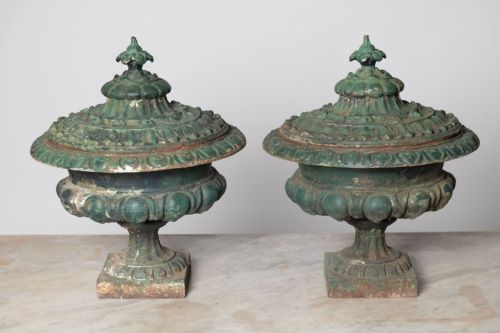


Victorian Urn with Lid
A victorian urn with lid is a decorative vessel combining nineteenth-century form and utility, prized by collectors for bringing classical dignity into interior or garden spaces.
Victorian Urn with Lid
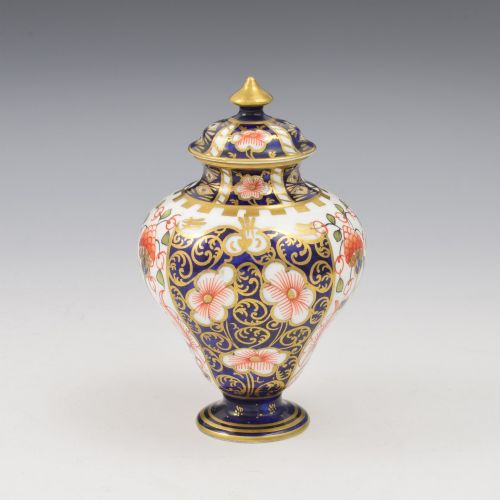
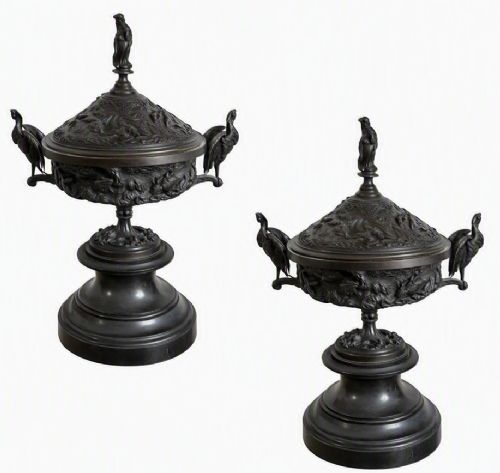
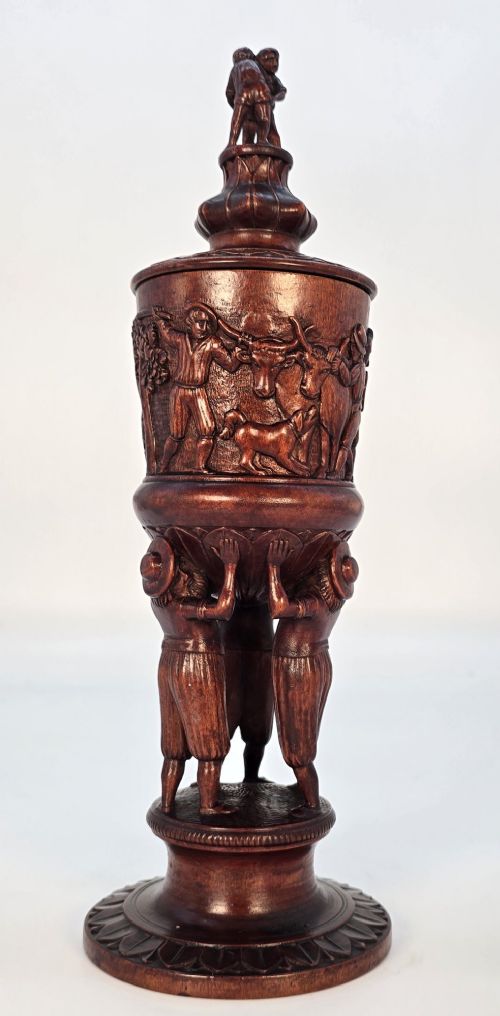
A victorian urn with lid encompasses a diverse group of ornamental vessels designed during the nineteenth century, ranging from domestic porcelain display pieces to robust metal garden ornaments. You will encounter forms styled in various revivals, including French Neoclassical, Renaissance, and Rococo movements, often fitted with their original matching covers.
Materials and construction methods
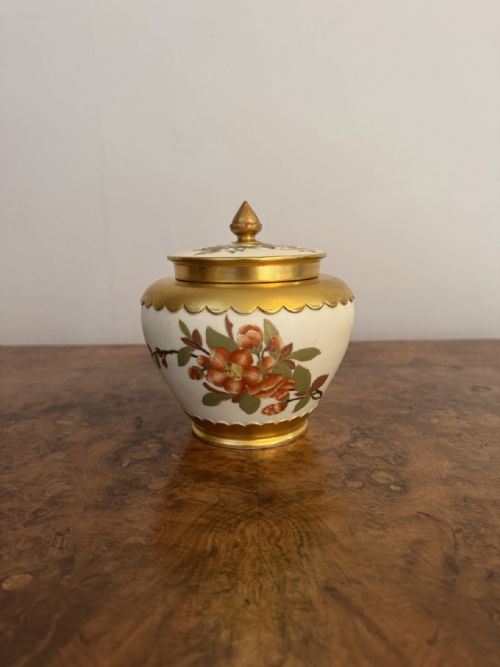
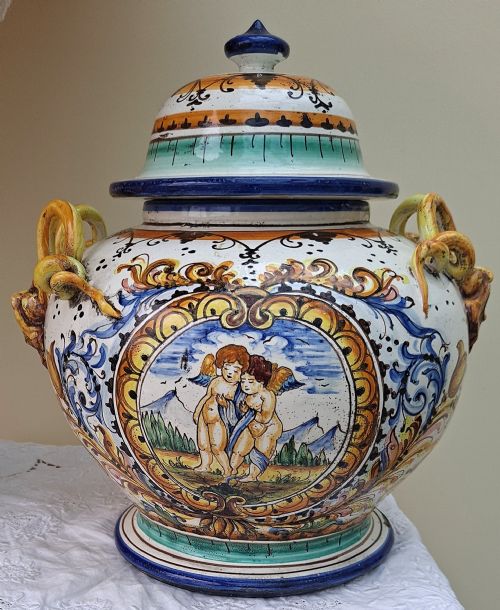
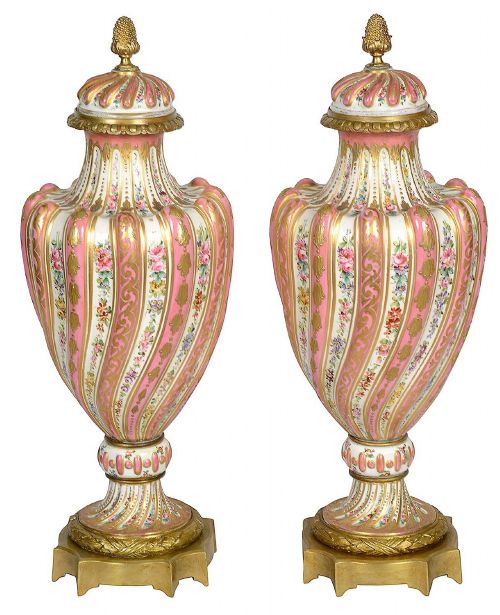
Ceramic examples rely on traditional shaping of porcelain, earthenware, or terracotta, often finished with detailed enamel painting, intricate gilding, and applied decorative elements. These pieces undergo high-temperature firing to set the glazes, such as the soft blush ivory finishes or vibrant majolica tin-glazes characteristic of the period.
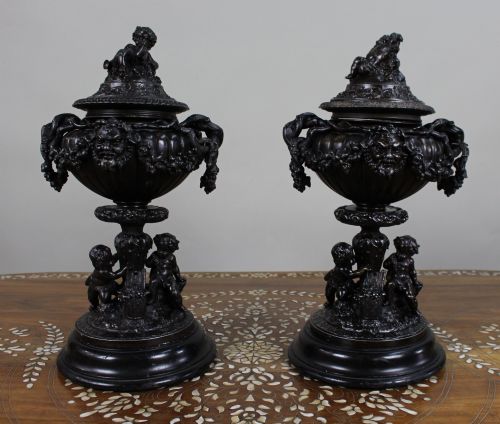
Metal and glass pieces utilise casting and cutting techniques appropriate to their medium, yielding heavy cast iron and lead garden ornaments alongside brilliant cut glass and lead crystal jars. Artisans combined these durable materials with patinated bronze finishes or brass construction to achieve specific decorative effects.
Listings feature ceramics from British potteries alongside continental majolica and French spelter decorative works.
Distinguishing quality and execution
The distinction between standard production and superior craftsmanship lies in the crispness of the moulding, the depth of the metal casting, and the refinement of the hand-painted details. Finer porcelain and majolica pieces exhibit precise brushwork in scenes and floral motifs, while lesser examples rely on simpler transfer-printed decoration.
The presence of the original lid that matches the body in material, wear, and decoration significantly elevates a piece. Furthermore, the handling of gilding and the weight and clarity of cut glass or cast metals indicate the skill of the original workshop.
Helena Wolfsohn Dresden·Hadley's Worcester·KPM·Royal Crown Derby·Royal Worcester
The Victorian Urn with Lid Glossary
- Majolica
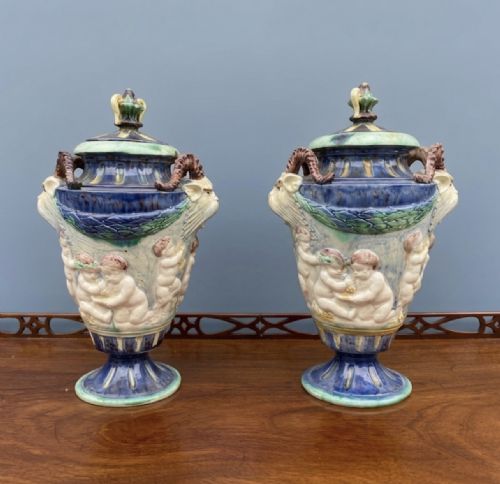
- A type of earthenware coated with an opaque tin glaze and painted with metallic oxide colours. It was widely used during the nineteenth century for brightly coloured, decorative urns and vases.
- Blush ivory
- A matte cream-coloured porcelain body developed by factories like Royal Worcester, typically decorated with soft floral designs and subtle gilding. It became immensely popular during the late nineteenth century.
- Spelter
- An alloy of zinc and lead, often cast and given a bronze-like finish to imitate more expensive metal sculptures. It provides the visual weight of bronze at a lower manufacturing cost.
- Sweetmeat jar
- A covered glass or ceramic jar traditionally used to serve small sweet confections, preserves, or dried fruits. They often feature cut glass patterns and matching lids.
- Putti
- Depictions of chubby male toddlers, often winged, used as decorative motifs in Renaissance and Neoclassical revival designs. They frequently appear clambering around the handles or base of nineteenth-century urns.
Victorian Urn with Lid: Frequently Asked Questions
How can I date a ceramic urn?
Dating relies on examining the factory marks stamped or painted on the base, stylistic clues from the revival periods, and the specific glazing techniques used. Nineteenth-century manufacturers often registered their designs, leaving impressed numbers or symbols that correspond to specific production years.
Additionally, the softening of hand-painted details and the specific colour palettes, such as the blush ivory tones introduced late in the era, help narrow down the decade of manufacture.
Are cast iron urns suitable for gardens?
Cast iron and lead urns from the nineteenth century were engineered specifically to withstand outdoor conditions, developing a stable protective patina over decades. They make robust focal points for contemporary courtyards and lawns.
When placing them outside, ensure the base rests on a stable, level surface to distribute the substantial weight evenly and prevent moisture trapping.
How do I care for antique porcelain?
Care involves gentle dusting with a soft, dry brush to prevent abrasive particles from scratching the delicate enamel and gilding. Avoid using chemical cleaners or submerging pieces in water, particularly if they feature hand-painted overglaze decoration that can lift over time.
Display them away from direct sunlight and areas prone to sudden temperature fluctuations to protect the ceramic body and prevent crazing in the glaze.