
Victorian Timber Chair
A victorian timber chair brings solid nineteenth-century character into a room, offering robust construction and distinct period styling.
Victorian Timber Chair
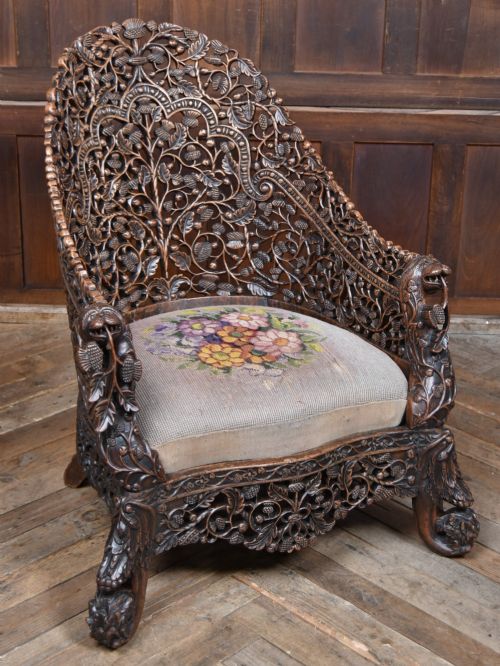
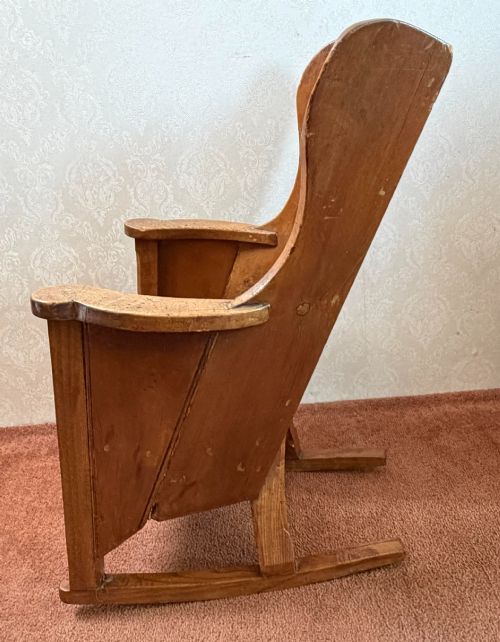
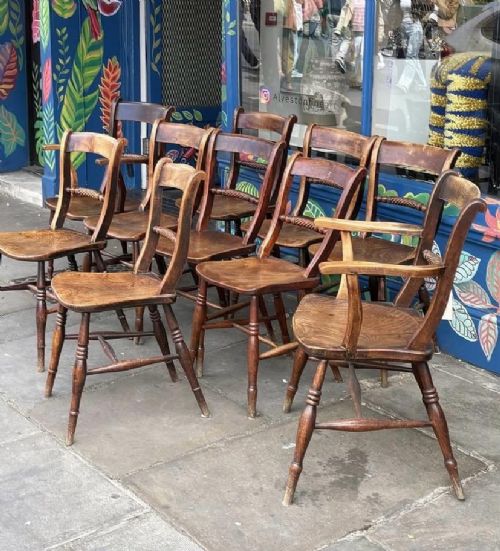
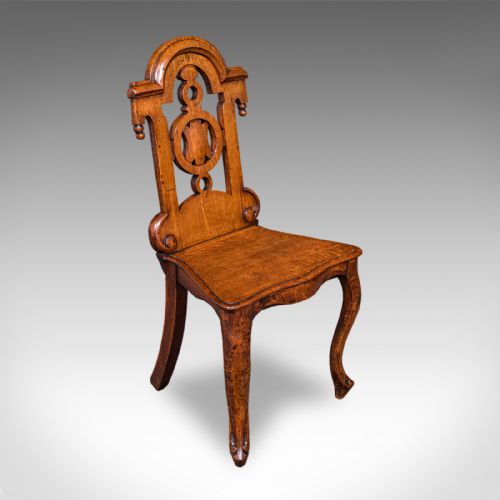
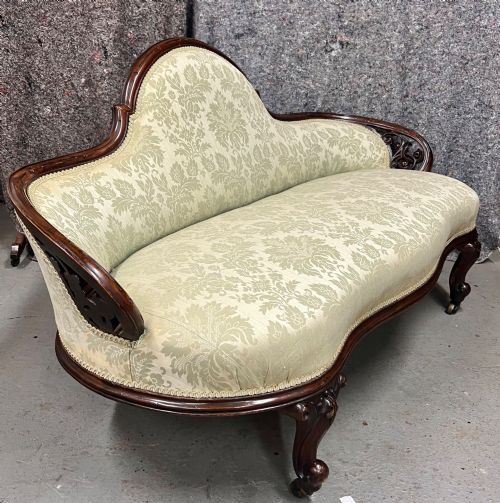
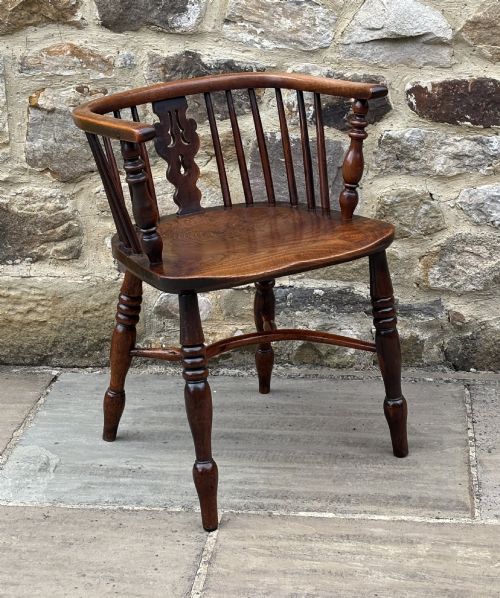
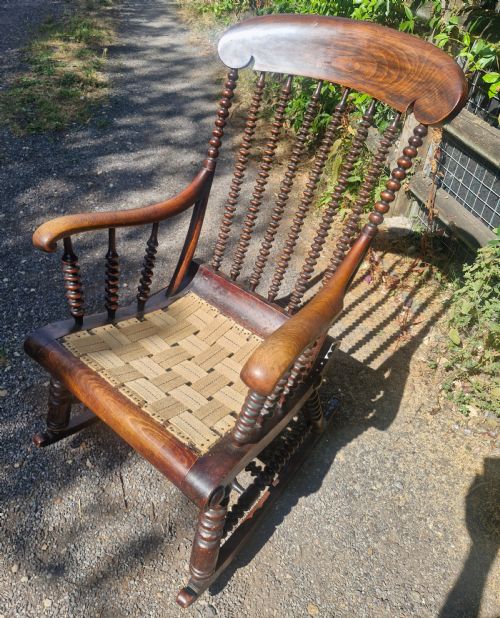
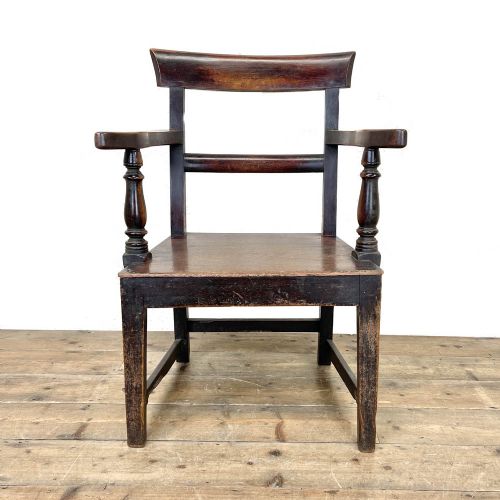
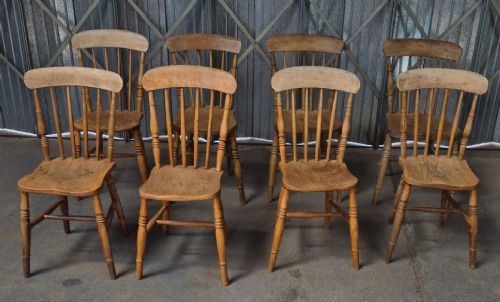
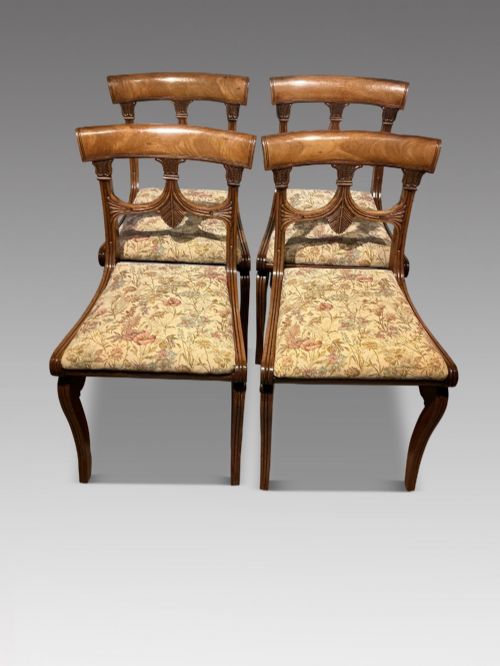
A victorian timber chair encompasses diverse forms ranging from formal dining seats and hall chairs to Windsor kitchen chairs and rocking chairs.
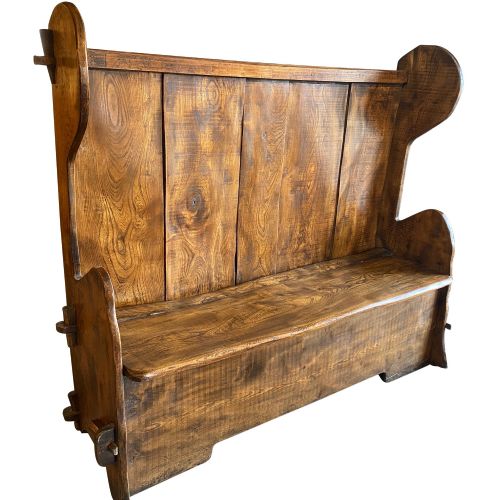
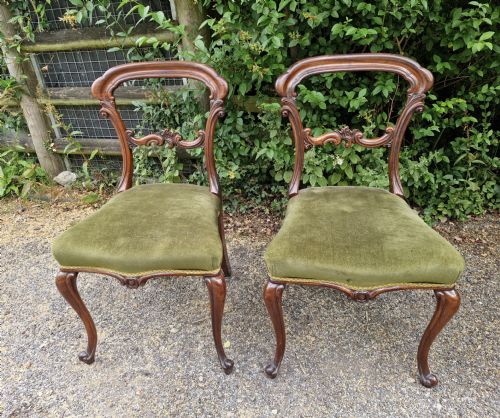
The pieces appearing on this page showcase domestic and formal seating shaped across the nineteenth century.
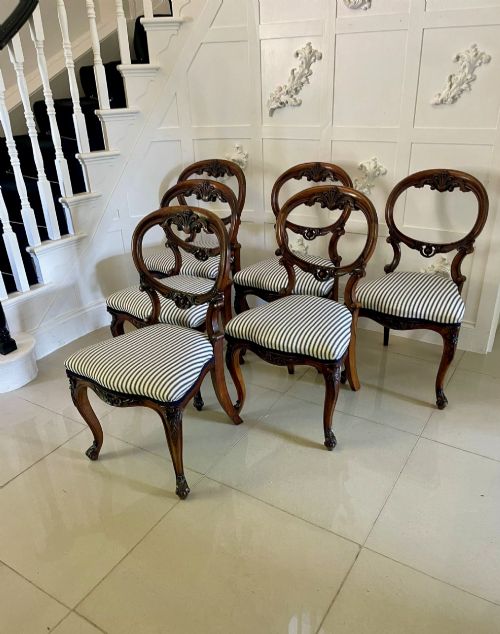
Buyers encounter utilitarian country styles alongside ornate carved walnut and mahogany parlor designs.
Materials and Construction
Cabinetmakers utilised hardwoods such as mahogany, oak, walnut, and ash alongside tougher timbers like elm and beech for seating platforms.
Joinery combined traditional turning, steam-bending for Windsor bows, and detailed hand-carving on shield backs and splats.
Listings feature woods like mahogany, elm, oak, beech, ash, and walnut across nineteenth-century seating forms.
Judging Quality and Execution
Superior examples display crisp carving depth, well-figured timber grain, and structurally integrated frames that withstand heavy daily use.
Lower tiers often reveal plain secondary timbers, softer execution in decorative motifs, and looser joinery from utilitarian workshops.
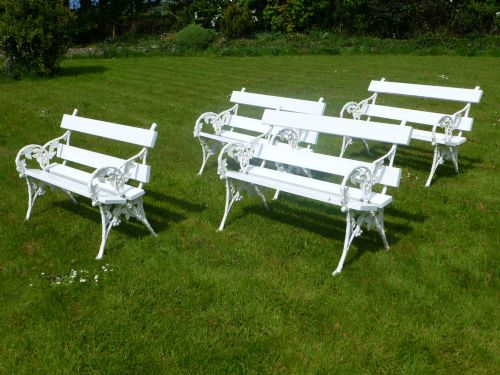
Falkirk Foundry·Howard And Sons
The Victorian Timber Chair Glossary
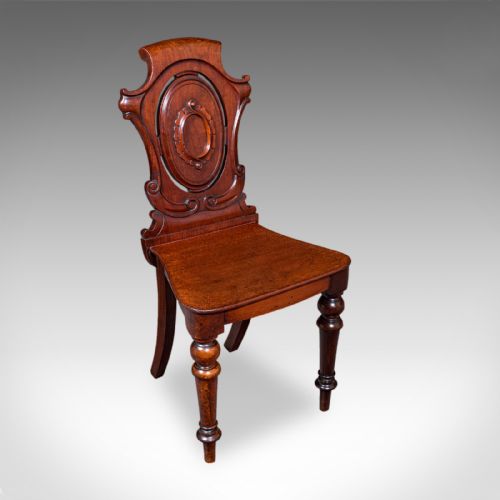
- Hall Chair
- A rigid wooden seat designed for an entrance hall, usually featuring a solid carved timber back and no upholstery. These pieces often bear heraldic crests or shield designs.
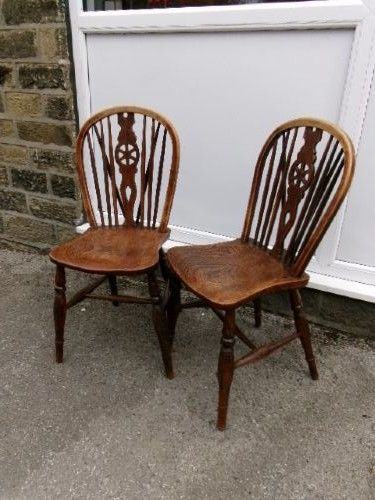
- Windsor Chair
- A traditional seating form constructed with a solid wooden saddle-shaped seat into which turned legs and spindle backs are wedged. Elm and ash feature prominently in their build.
- Splat
- The vertical strip of wood down the centre of a chair back, connecting the seat to the top rail. Carved or pierced splats define much of the decorative work on Victorian dining seats.
- Stick Back
- A chair back composed of simple turned wooden rods rather than a shaped solid splat. These function as robust country seating.
Victorian Timber Chair: Frequently Asked Questions
How do I distinguish dining chairs from hall chairs?
Dining chairs are built for comfort during prolonged sitting, often featuring upholstered pads or generous proportions. Hall chairs are rigid and upright, intended for brief use in an entryway.
Their backs are entirely wood, frequently carved with crests or shields rather than padded for support.
Where were Windsor kitchen chairs used?
Windsor chairs served utilitarian domestic roles in kitchens, pantries, and farmhouses. Their sturdy elm seats and steam-bent bows withstood heavy, everyday labour.
Over time, these practical seats migrated into living spaces for casual fireside sitting.
How do I care for nineteenth-century timber furniture?
Protect antique timber by keeping chairs away from direct heat sources and sudden temperature shifts. Natural waxes help nourish dry wood surfaces over time.
Regular dusting with a soft, dry cloth prevents particulate build-up on carved details.