


Hallway Accent Chair
A hallway accent chair offers a striking initial impression, combining timber frames with carved details for entrance spaces.
Hallway Accent Chair
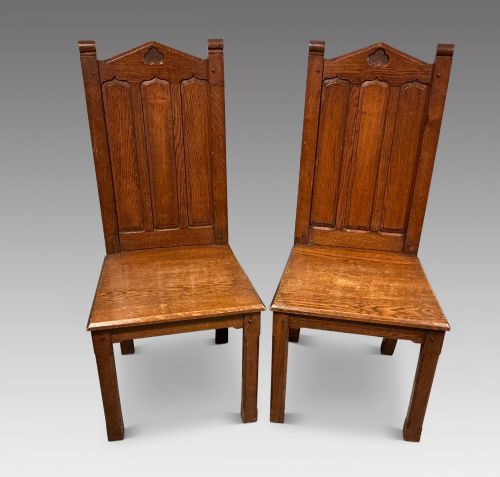
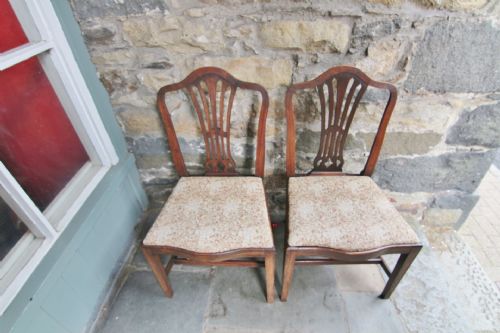
When you search for a hallway accent chair, you encounter sturdy timber seating designed primarily for entrance spaces and reception rooms rather than prolonged lounging. These pieces commonly take the form of hall chairs and side chairs featuring upright wooden backs and solid seats.
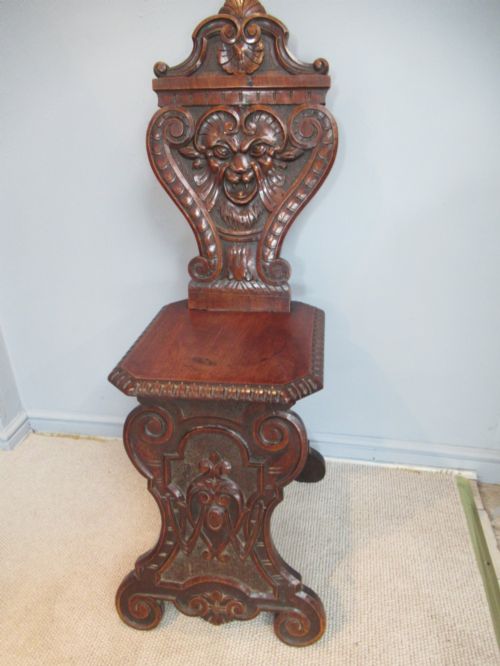
The versions most frequently met on this page span the Victorian and 19th Century periods, constructed largely from mahogany and oak. Many examples arrive from English workshops, alongside Scottish and Italian variants that display local timber preferences.
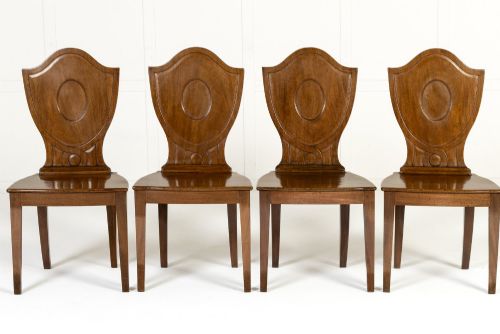
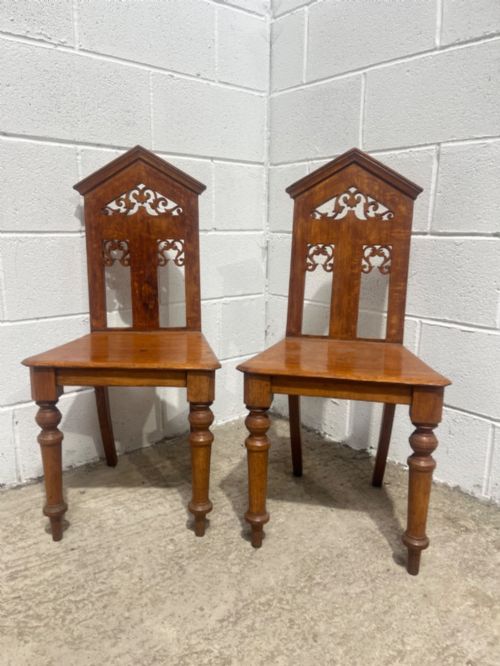
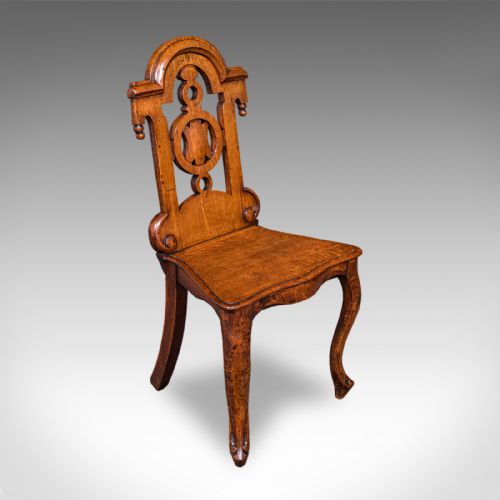
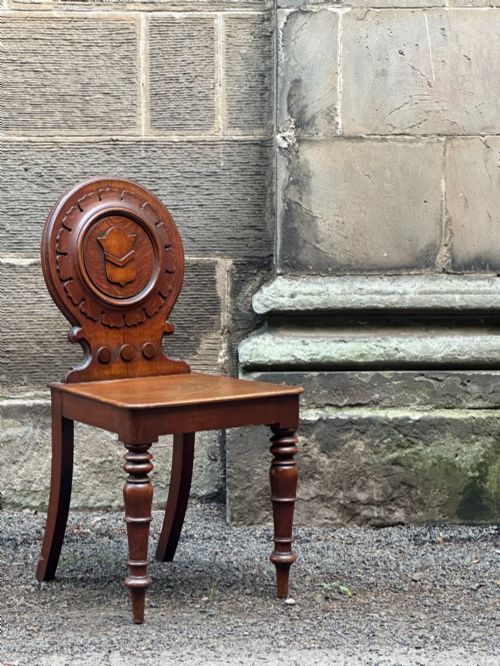
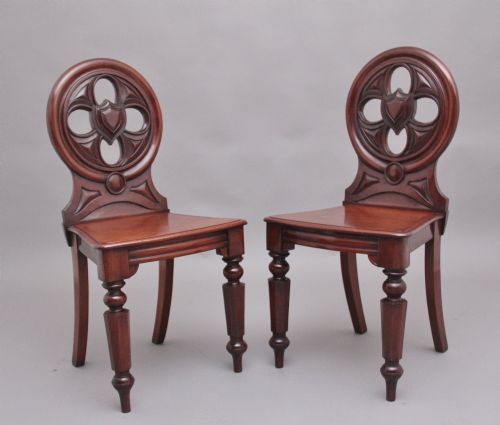
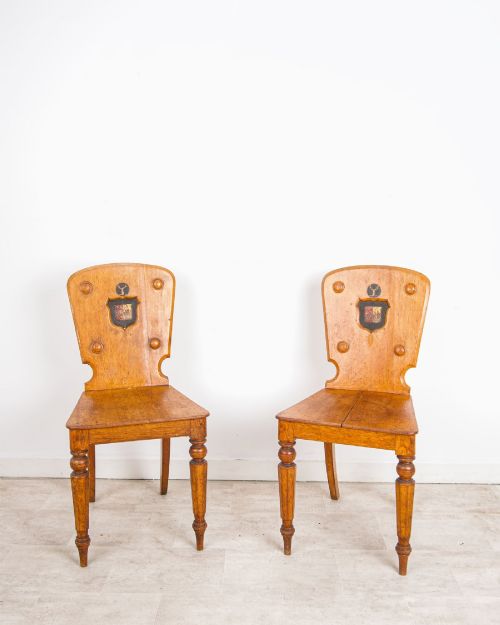
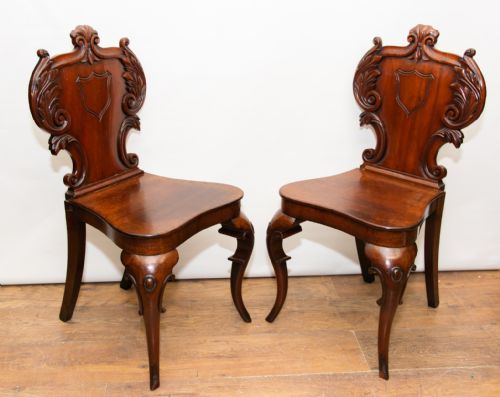
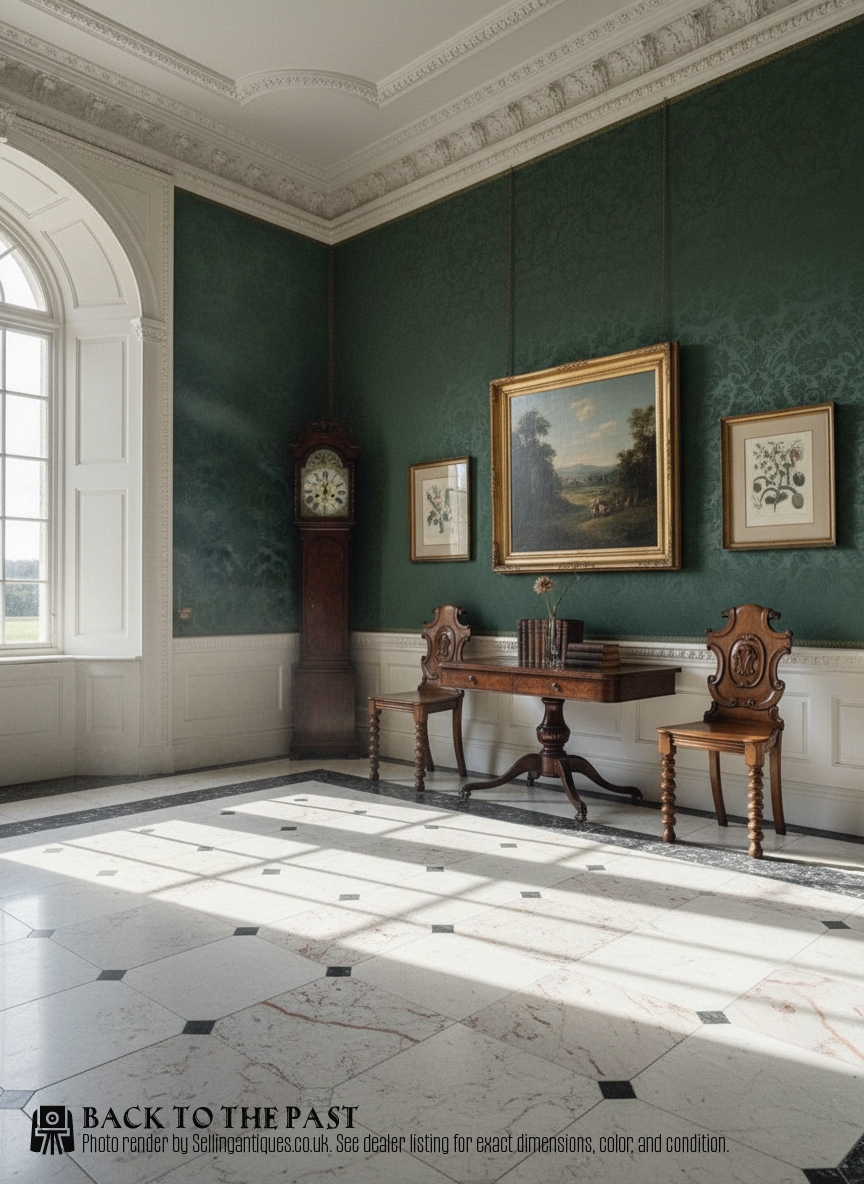
Makers often drew upon historical design movements, producing pieces in Regency, Gothic Revival, and Aesthetic Movement styles. The resulting items range from plain wooden seats to elaborately carved items featuring heraldic shield backs and shell motifs.
Materials and construction techniques
Cabinetmakers relied heavily on dense hardwoods like mahogany and oak, selecting them for their structural stability and capacity to hold crisp, deep carvings. Solid timber formed the rigid frames and contoured seats of these hallway accent chair examples.
Joinery methods such as mortise and tenon secured the upright backs to wooden seats, ensuring durability under daily use in busy entrance halls. Selected items incorporated brass hardware or fabric upholstery to add subtle contrast to the dark wood.
Carvers utilised hand chisels to shape intricate details directly into the solid timber backs, creating relief panels, heraldic shields, and shell motifs. Surface finishes were polished to highlight the natural grain and deep colour of the walnut and mahogany.
Heraldic shield backs allowed Victorian homeowners to subtly hint at noble lineages they did not possess.
Distinctions in craftsmanship and design
The highest quality examples of a hallway accent chair display exceptional depth and crispness in their hand-carved wooden details, particularly across shield backs and shell motifs. Lesser pieces rely on shallow stamping or plain timber surfaces with minimal ornamentation.
Superior construction is evident in the selection of finely figured mahogany and dense quarter-sawn oak, which provide both visual richness and structural integrity. Poorer quality items may show signs of hasty assembly or heavy timber replacement that disrupts the original proportions.
Holland & Sons·Gillows
The Hallway Accent Chair Glossary
- Hall Chair
- A wooden seat with a high back, usually placed in an entrance hallway rather than used for sitting during long meals. These items frequently feature carved family crests or plain timber panels.
- Gothic Revival
- A design style drawing inspiration from medieval architecture, marked by pointed arches and heavy timber detailing. This aesthetic appears frequently on 19th-century oak seating.
- Shell Back
- A wooden chair back carved in the shape of a scalloped shell, popular during the Regency and Victorian eras. This motif provides a focal point on formal reception seating.
- Aesthetic Movement
- A late 19th-century design philosophy prioritising visual beauty over narrative or moral purpose in decorative arts. Pieces from this movement often exhibit refined lines and subtle ornamentation.
Hallway Accent Chair: Frequently Asked Questions
Where should I place a hallway accent chair?
These chairs suit entrance halls, narrow corridors, and reception landings where floor space is limited. Their upright timber profiles allow them to sit flush against walls without obstructing passageways.
Because they feature solid wooden seats rather than deep cushioning, they serve well as occasional perches for putting on shoes rather than lounging.
How do I care for antique wood furniture?
Maintain the timber by keeping pieces away from direct heat sources and fluctuating humidity levels. Regular dusting with a soft, dry cloth preserves the polished surface without building up residue.
Apply a quality wax sparingly when the wood appears dry to nourish the grain. Avoid chemical sprays that can strip historic finishes over time.
Are these chairs comfortable for daily use?
Historic hall seating prioritises architectural presence and upright posture over relaxed lounging. The solid timber seats and straight backs encourage formal sitting rather than sinking in.
Adding a removable fabric cushion can increase comfort for everyday use while preserving the original wooden surface underneath.
How do I identify a Victorian hall chair?
Victorian examples frequently utilise dark mahogany or oak, often displaying Gothic Revival or Aesthetic Movement influences. Look for characteristic details like carved shield backs and heavy turned legs.
Construction traits such as hand-cut joinery and period timber patination help separate 19th-century production from later reproduction items.