



Scottish Oak Seating
Scottish oak seating brings robust vernacular character and historic regional craft directly into modern interiors.
Scottish Oak Seating
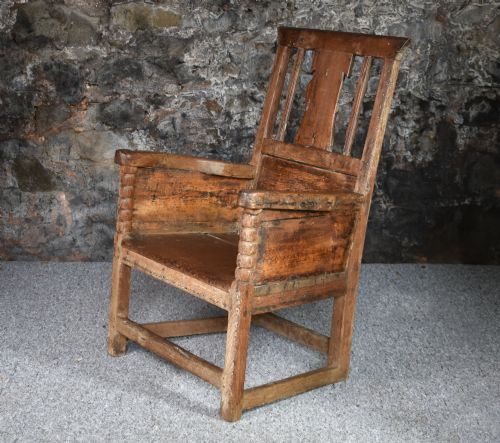
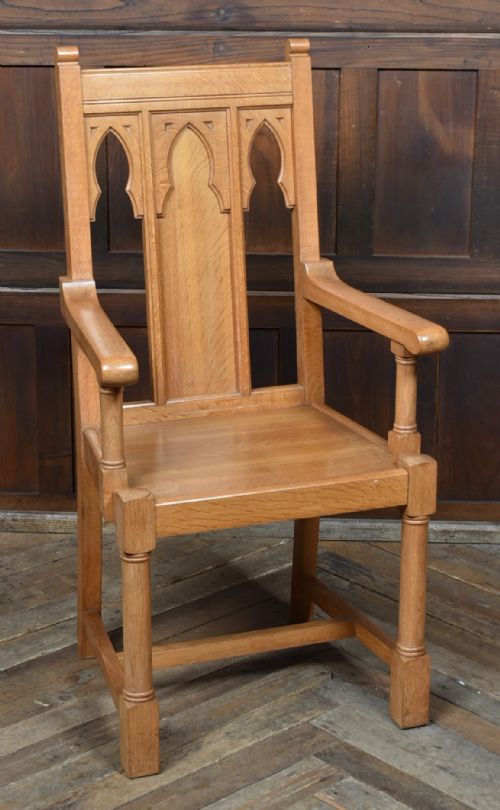
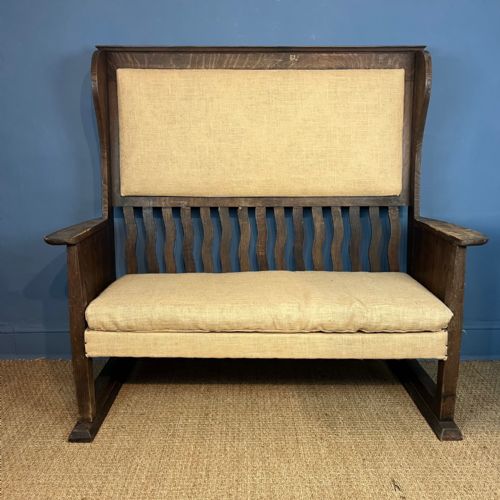
When you search for scottish oak seating, you encounter a robust mix of vernacular forms, formal dining chairs, and architectural settles created across several centuries. The selection ranges from early wainscot armchairs and crofter seats to elaborate Gothic revival hall chairs and Arts and Crafts settles.
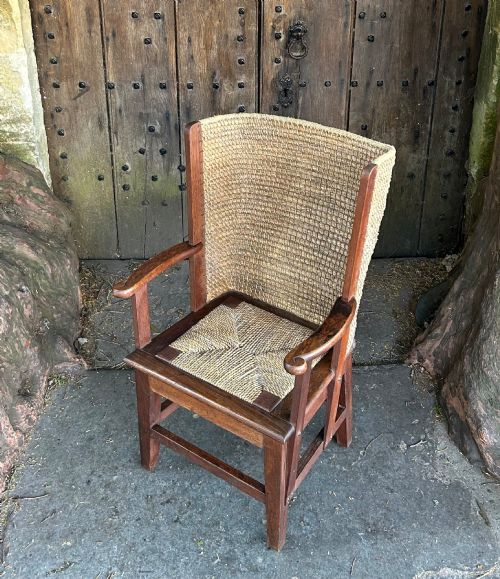
You are most likely to meet Victorian and early twentieth-century examples, including Glasgow school pieces and Orkney chairs framed in oak with strawwork backs. These pieces reflect distinct regional traditions, from island straw-working to urban Edinburgh cabinet-making.
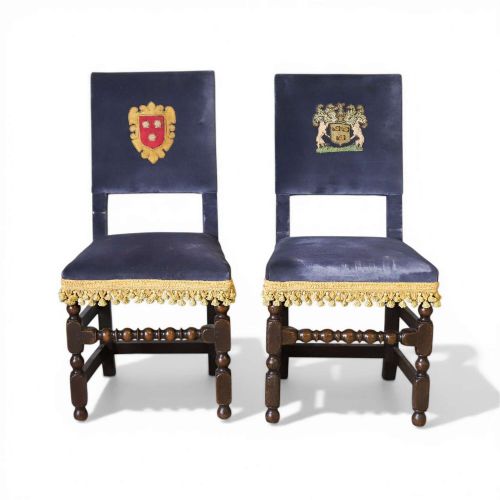
The objects serve varied functions across domestic spaces, appearing as chapel thrones, fireside elbow chairs, gossip chairs, and armorial clan chairs with heraldic crests. Each form demonstrates how local makers adapted solid oak to meet practical demands for seating in halls, reception rooms, and crofts.
Distinctions in quality
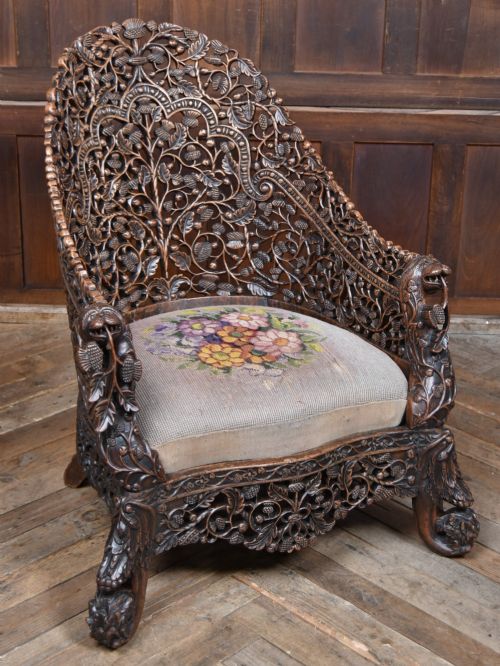
Integrity of materials and survival of original upholstery elements, such as period velvet or heraldic embroidery, elevate specific chairs and settles. The depth of carving, particularly on Gothic revival and armorial clan pieces, determines the visual weight and sophistication of the finished work.
Listings feature oak combined with rush, straw, leather, fabric, and velvet across periods spanning from the seventeenth century to the twentieth century.
Wylie Lockhead Manufacturers·John Taylor and Son·Wheelers of Arncroach
The Scottish Oak Seating Glossary
- Wainscot chair
- A heavy wooden armchair of sixteenth and seventeenth-century origin, constructed with framed panel backrests and solid oak seats. These early forms represent some of the rarest survival periods in regional seating.
- Orkney chair
- A traditional seat featuring a low wooden frame with a high, rounded back woven from oat straw. These items originate from the Scottish islands and utilise local materials for insulation against draughts.
- Settle
- A wooden bench with a high back, solid arms, and often a storage box beneath the seat. They were traditionally placed near firesides to block cold air.
- Pokerwork
- A decorative technique using heated metal tools to burn designs into wood surfaces. This method creates dark, textured patterns on stools and chairs.
- Vernacular furniture
- Domestic pieces made by local craftsmen using regional materials and traditional styles rather than adhering to high-fashion metropolitan designs. These items prioritise utility and local character.
Scottish Oak Seating: Frequently Asked Questions
How do I identify seventeenth-century pieces?
Seventeenth-century pieces, such as wainscot armchairs, rely on heavy joined oak construction with pegged joints and panelled backs. They display austere structural lines and deep patination accumulated over centuries of use.
Decoration on these early items is usually limited to geometric carving or simple crest rails rather than the elaborate upholstery or revival styling seen in later Victorian periods.
Where were settle benches placed?
Settle benches were traditionally positioned near the hearth in large halls and reception rooms to provide sheltered seating. The high back and solid wooden sides acted as a windbreak against draughts.
Many examples include enclosed bases that doubled as storage boxes for household blankets or fuel.
What is a gossip chair?
A gossip chair is an early twentieth-century seating form designed with an unconventional configuration for intimate conversation. These pieces often feature compact proportions suited to morning rooms or firesides.
Makers such as rural workshops adapted traditional oak framing techniques to create these lighter, domestic occasional seats.
How do Gothic revival chairs differ?
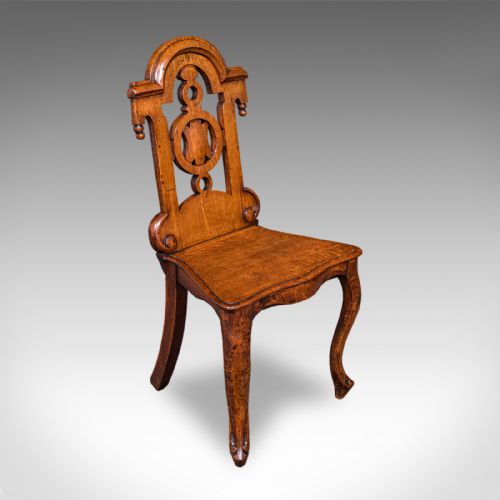
Gothic revival chairs incorporate architectural motifs inspired by medieval ecclesiastical design, such as pointed arches, tracery, and carved foliage. These Victorian interpretations use solid oak to create an imposing visual presence.
Unlike earlier vernacular seating, these reception and hall chairs were styled to project historical authority and dramatic academic lineage within nineteenth-century interiors.