
Edwardian Carved Oak Chair
An edwardian carved oak chair delivers sturdy craftsmanship and distinct historic character to a hallway or dining room.
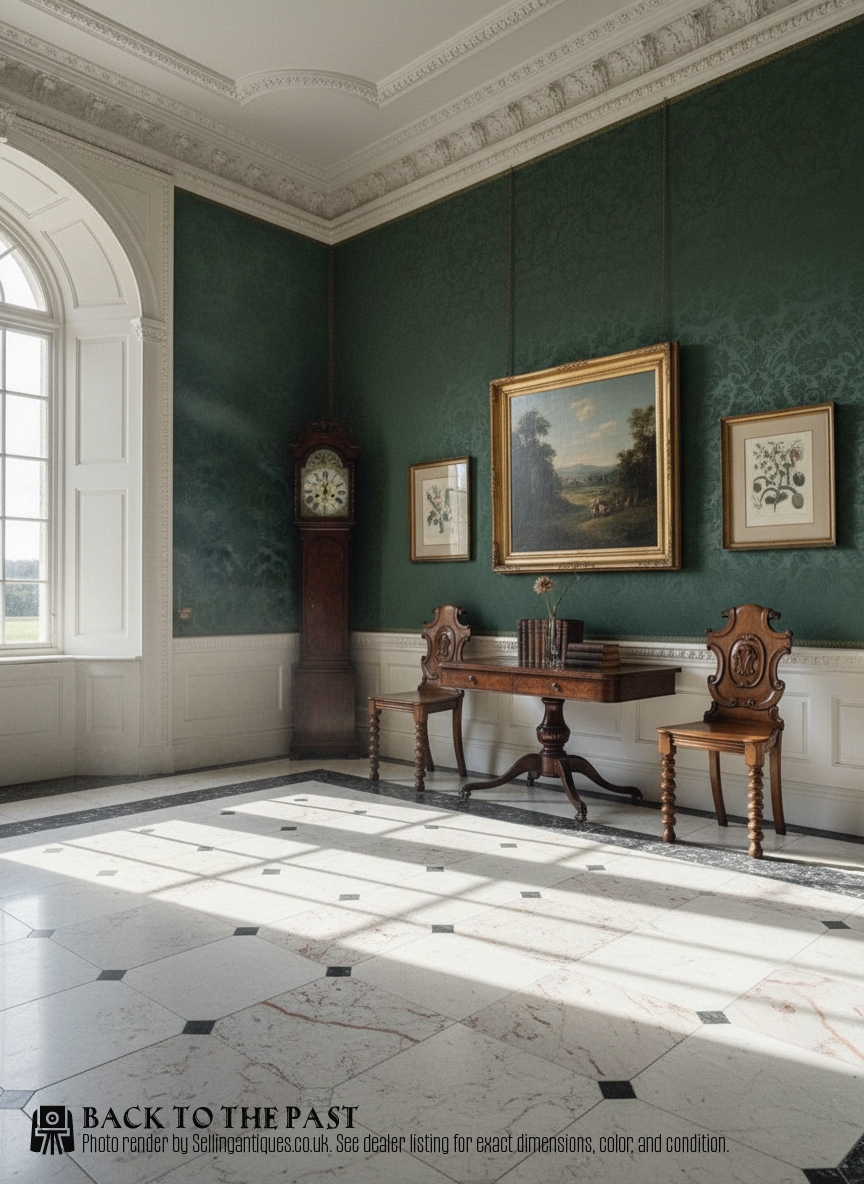
What these pieces are
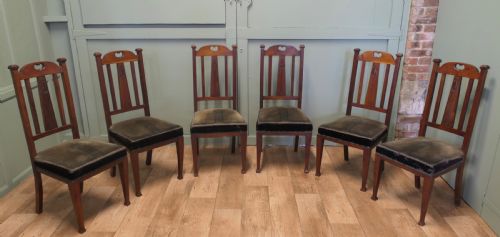
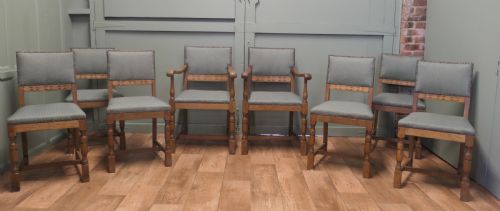
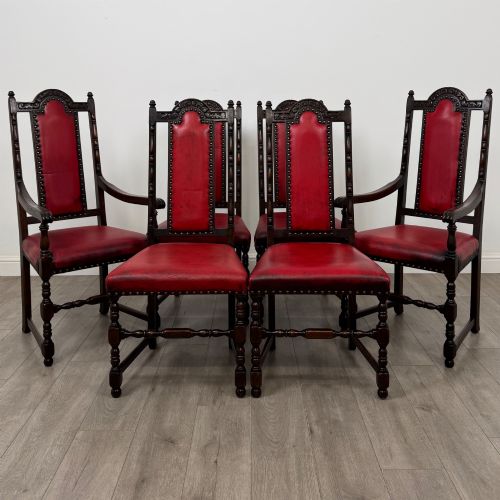
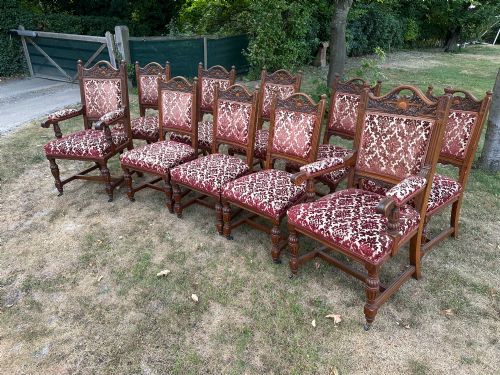
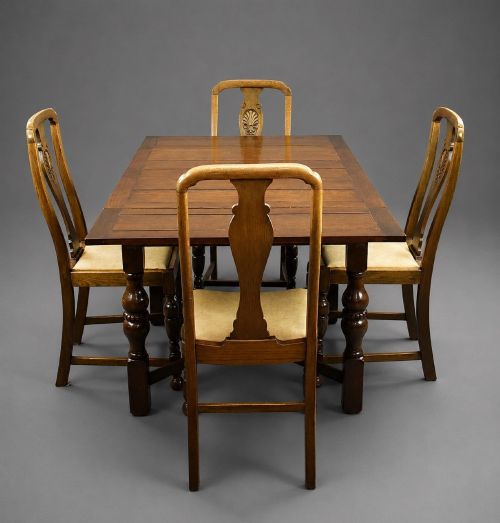
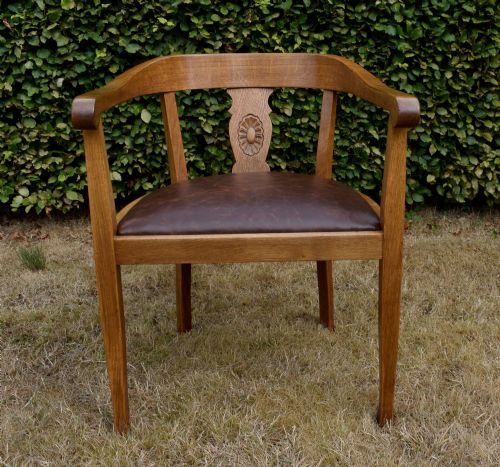
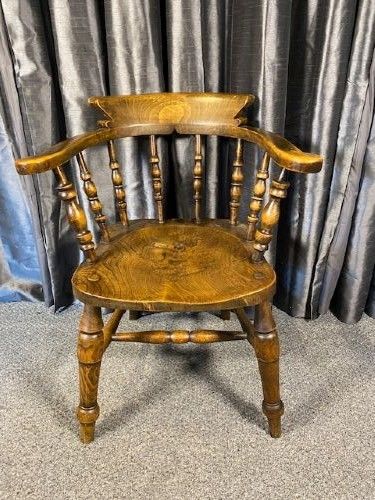
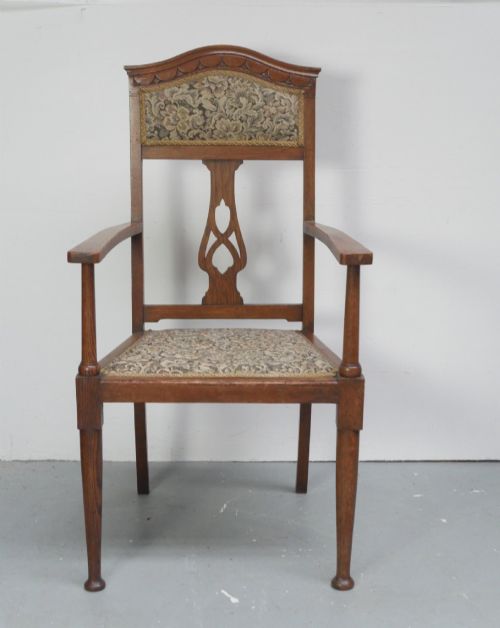
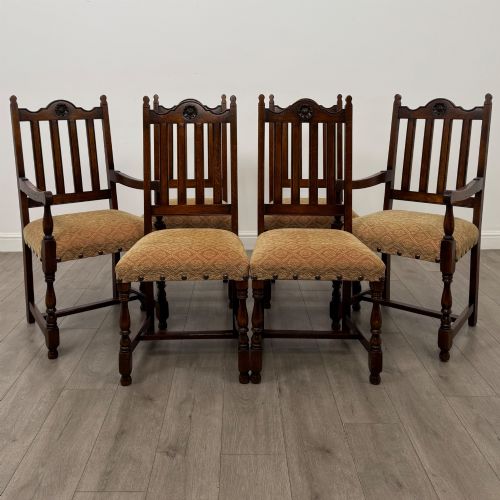
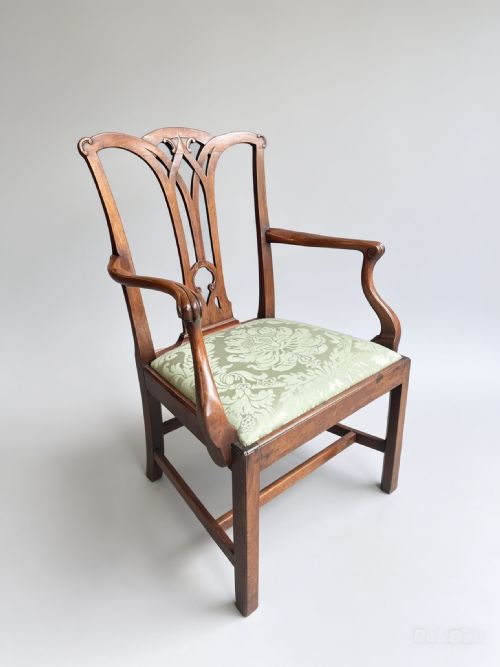
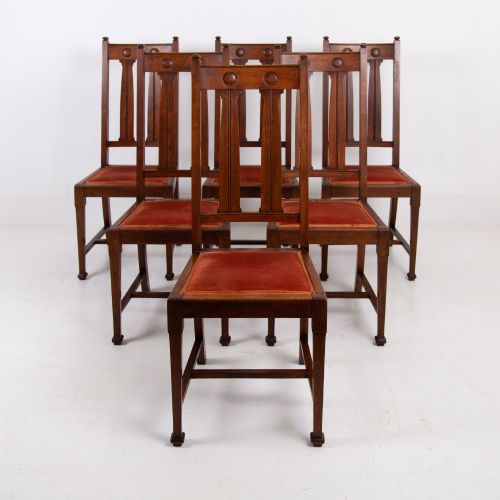
An edwardian carved oak chair encompasses a variety of forms including hall chairs, side chairs, armchairs, carvers, and dining chairs. These sturdy items frequently turn up in Edwardian and Victorian iterations, drawing upon Jacobean Revival and Arts and Crafts styles.
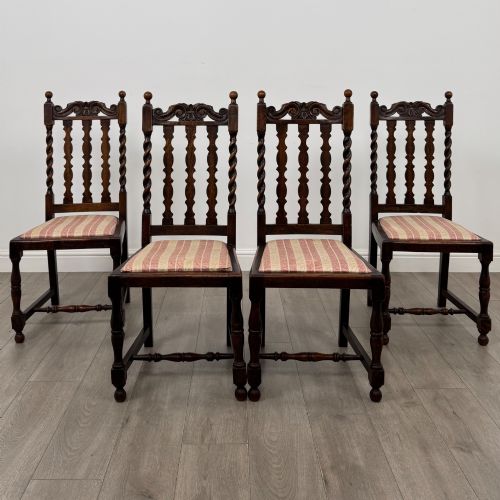
Buyers encounter distinct seating designs tailored for specific domestic spaces, from tall-backed hall seating to low spinning chairs and robust dining sets. Pairs and sets appear alongside single items, offering options for diverse interior arrangements.
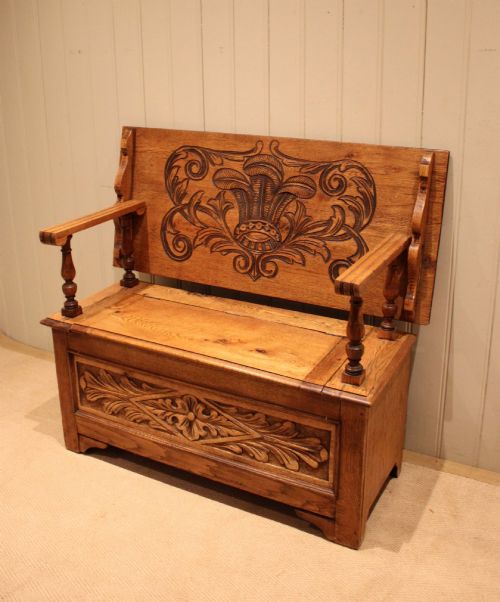
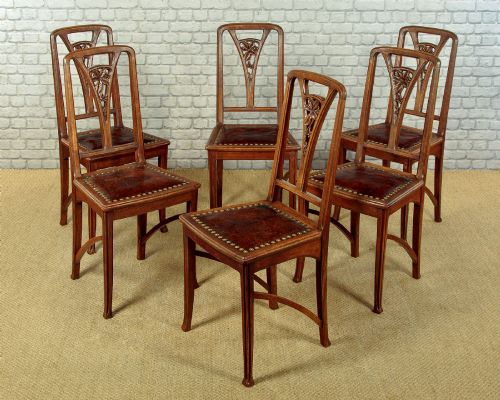
The aesthetic leans heavily into carved ornamentation, utilising floral rosettes, shield backs, dolphins, and timber frames that echo earlier centuries while serving early twentieth-century households.
How they were made
Makers utilised solid oak alongside timber, brass, iron, and fabric to construct these durable frames. Structural integrity often relied on traditional joinery techniques paired with hand-carved decorative motifs.
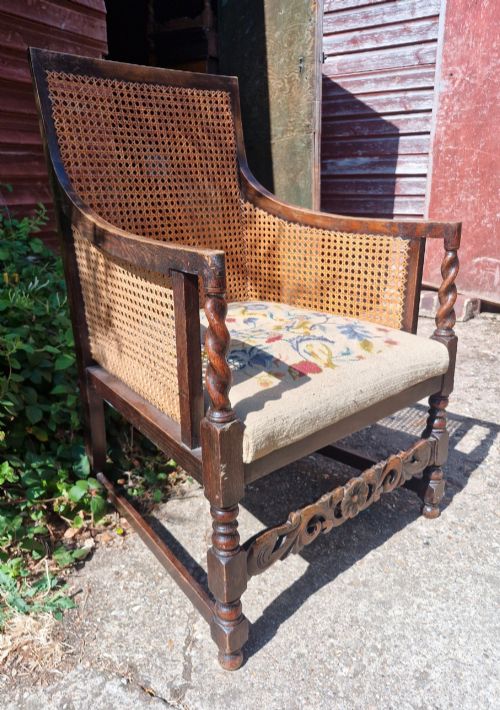
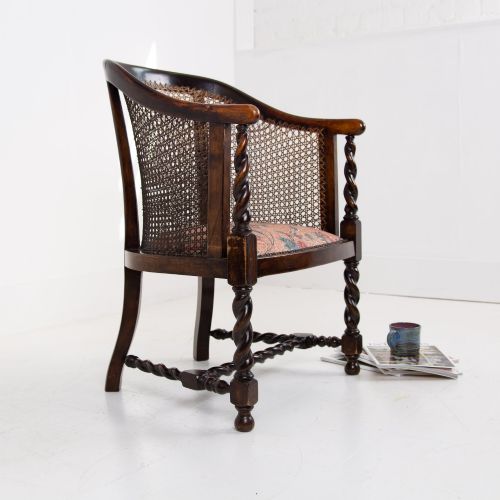
Surfaces received intricate manual chisel work to produce relief patterns, shields, and floral details. Certain iterations incorporated caning, upholstery, or enamel advertising elements fixed to the wooden framework.
Retail Price Guide 2026
Typical UK retail prices for edwardian carved oak chair, calculated from the Sellingantiques database of over a million retail prices indexed since 2003. This retail price guide relies exclusively on Sellingantiques data; no external sources or auction records are used, so the figures do not describe the wider market.
Listings feature items spanning the Victorian, Edwardian, and 1900 periods, constructed predominantly from oak with occasional brass, iron, and fabric elements.
What varies in quality
The depth and crispness of the hand carving separate standard commercial output from superior workshop pieces. Sharp, detailed chisel work on motifs like rosettes and dolphins indicates a higher tier of craftsmanship.
The integrity of the timber and the weight of the oak frame dictate durability. Pieces retaining original caning, solid joinery, and intact fabric demonstrate better preservation through the decades.
The Edwardian Carved Oak Chair Glossary
- Hall Chair
- A tall, wooden seat traditionally placed in an entrance hall, rarely upholstered and featuring a carved back panel. These items were designed for brief seating rather than long-term comfort.
- Carver Armchair
- A sturdy wooden armchair, often placed at the head of a dining table or used as a prominent hallway seat. The arms are integrated into the main frame structure.
- Caning
- A woven lattice pattern made from rattan or bamboo strips, used to form seats and chair backs. Double caning provides extra strength and a refined visual texture.
Frequently Asked Questions
Where should I place an edwardian carved oak chair?
These chairs suit entrance halls, landings, or dining tables where their solid timber presence stands out. Hall chairs and carvers add architectural interest to otherwise plain transitional spaces.
Ensure the piece avoids direct heat sources or strong sunlight to protect the oak and any historic surface finishes.
How do I care for antique oak furniture?
Dust the carved surfaces regularly with a dry, soft cloth to prevent grime settling into the crevices of the woodwork. Avoid harsh chemical polishes that can degrade the original finish over time.
Maintaining stable indoor humidity levels prevents the oak from drying out, splitting, or loosening at the joints.
Can I use these chairs for daily dining?
Many sturdy dining and side chairs remain structurally sound for everyday seating at a table. Sets of six or single carvers offer practical utility alongside historic charm.
Check the joints and frame stability periodically, especially on pieces intended for frequent, heavy household use.
How do I distinguish Edwardian from Victorian oak chairs?
Edwardian examples often display lighter timber tones and cleaner Arts and Crafts influences compared to heavier Victorian Jacobean Revival pieces. Dating clues occasionally appear in carved dates or specific advertising motifs.
Stylistic shifts moved from ornate, dark Victorian revivalism toward brighter, simpler forms by the turn of the twentieth century.