


Carved Timber Accent Chair
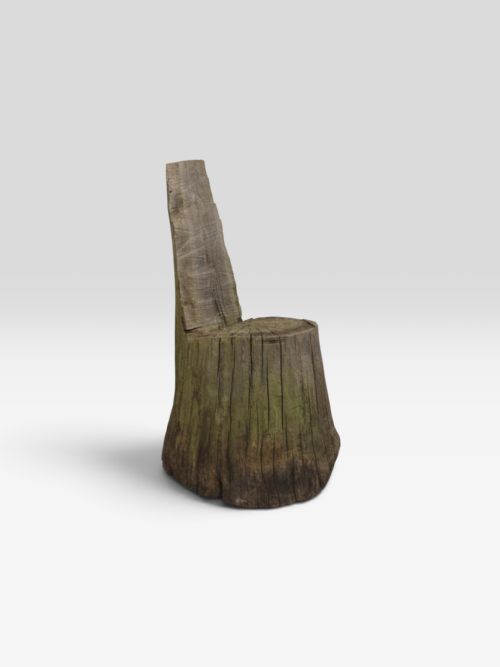
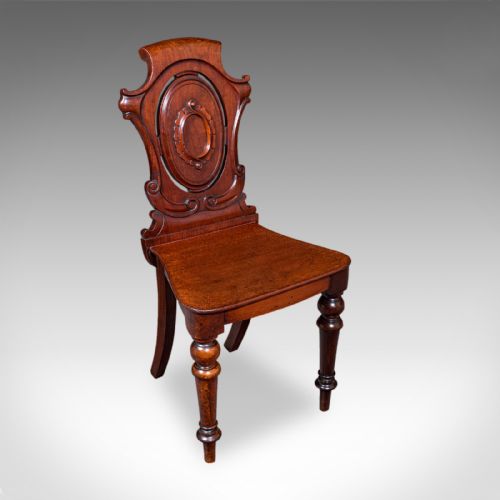
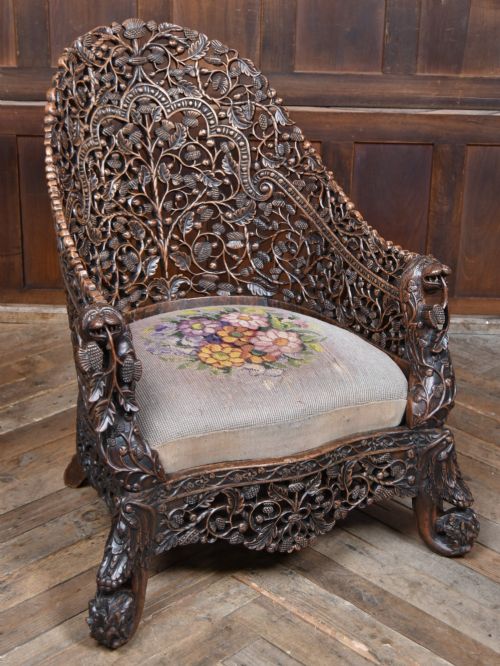
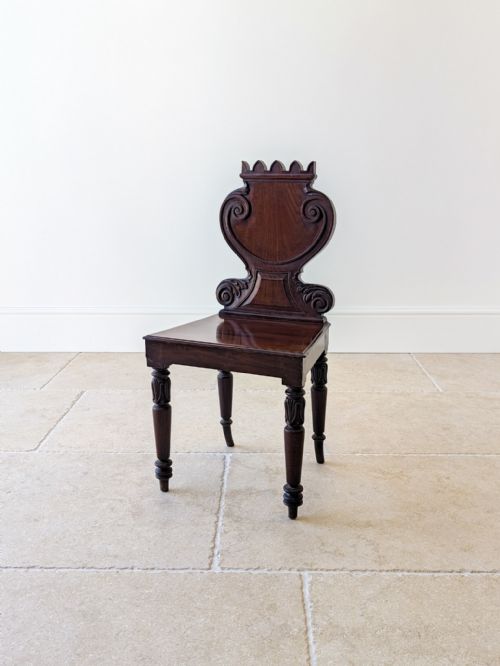
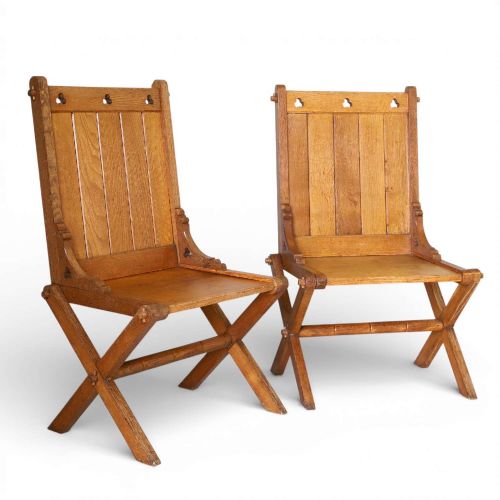
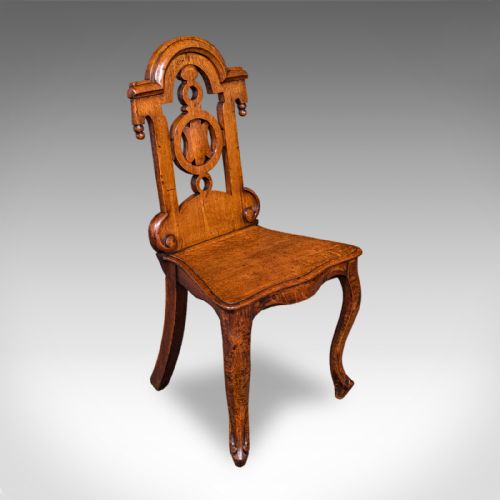
These carved timber accent chairs span centuries of woodworking, offering solid timbers like mahogany and oak shaped into distinct occasional seating.
Carved Timber Accent Chair
A carved timber accent chair encompasses a varied selection of occasional seating designed for reception spaces, parlours and halls rather than everyday lounging. The selection here leans heavily towards nineteenth century examples, with Victorian and Regency pieces appearing most frequently alongside earlier seventeenth and eighteenth century formats.
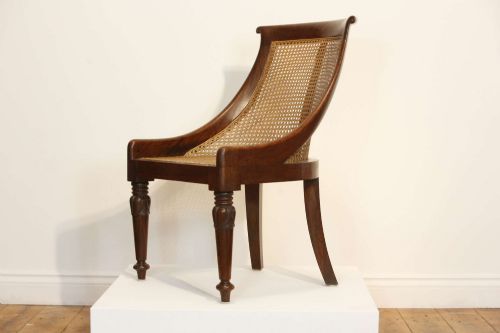
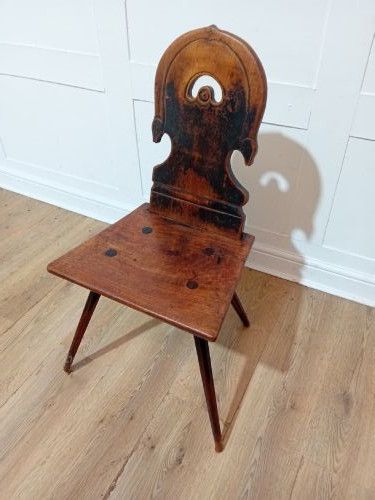
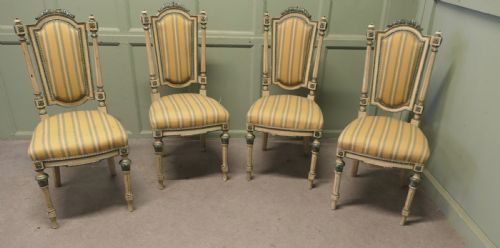
The assortment spans formal hall chairs with solid timber seats alongside upholstered armchairs, salon chairs, rocking chairs and side chairs. Regional and international influences emerge across the selection, featuring English, French, Scottish, Italian, Indian, Burmese and Chinese origins.
Timbers and construction methods
Makers utilised dense hardwoods including mahogany, oak, walnut and rosewood to provide the structural integrity required for detailed hand carving. These traditional timbers were selected for their grain and weight, supporting intricate relief work on backs, legs and rails.
Surface finish relies on natural timber grains, polish, paint and applied textiles or tapestries for upholstery where specified. Structural joining relies on traditional carpentry techniques appropriate to periods ranging from the seventeenth to the twentieth century.
Carved Timber Accent Chair Retail Price Guide 2026
Typical asking prices for carved timber accent chair among the pieces listed under this phrase on Sellingantiques today, from the lower quarter to the upper quarter. They describe what is for sale here now, not the wider market.
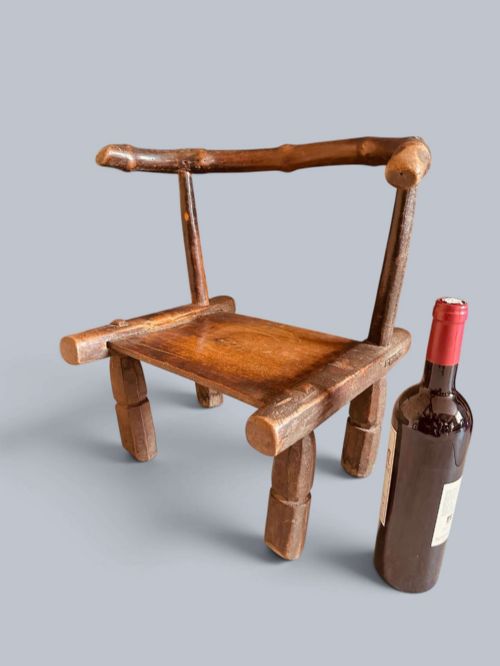
One miniature apprentice piece sits quietly among full-sized hall chairs, proving that even tiny furniture required master-level joinery.
Evaluating craftsmanship and detail
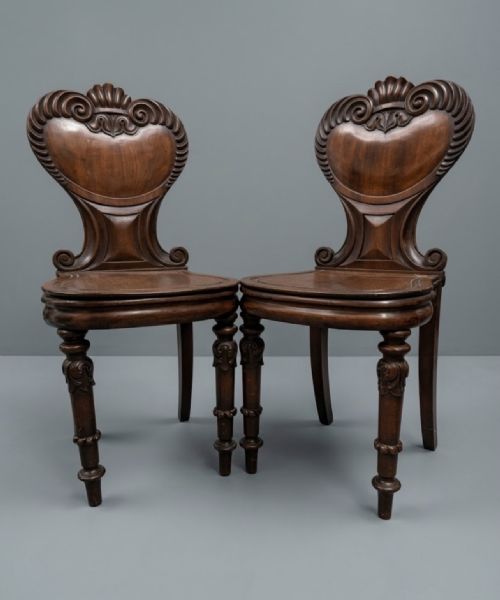
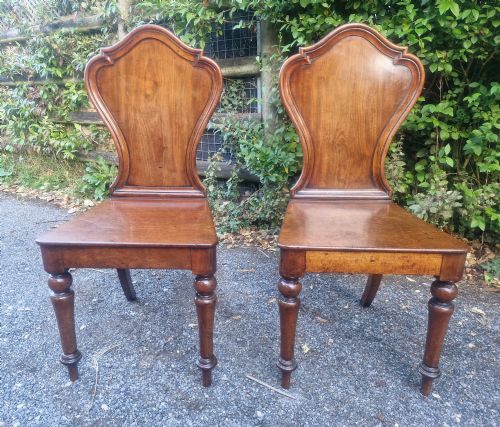
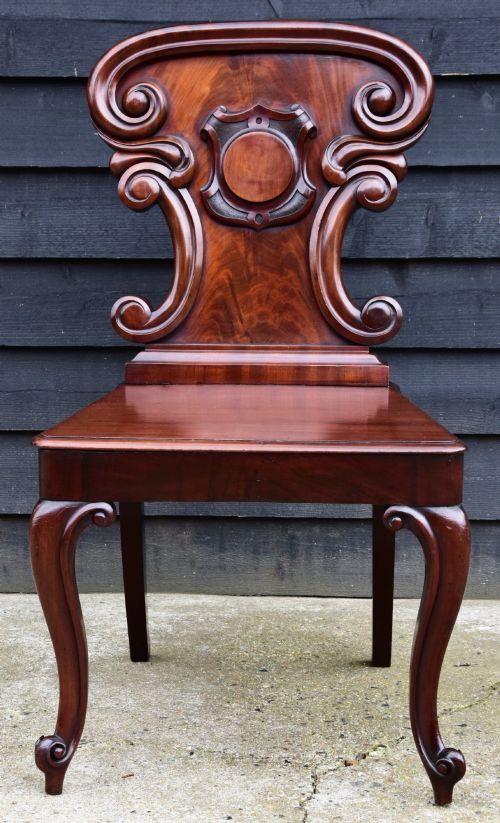
The standard of a carved timber accent chair rests on the depth, crispness and symmetry of the carved ornamentation across the timber frame. Superior examples demonstrate confident hand tool work on shield backs, crests and legs, whereas lesser items show shallower or more repetitive machine finishing.
Integrity of the timber and the rigidity of the joints distinguish fine survivals from compromised pieces. Original surface patination and honest timber ageing hold greater appeal than heavy modern restoration or replaced structural elements.
Gillows·White, Allom and Co
The Carved Timber Accent Chair Glossary
- Hall chair
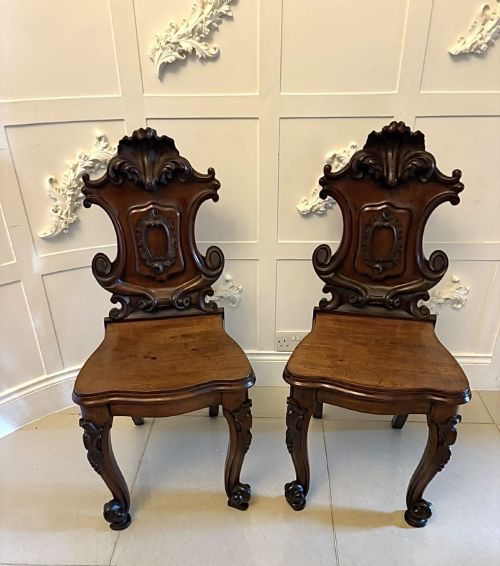
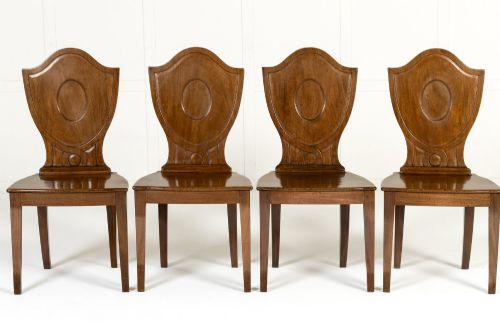
- A rigid wooden seat intended for entrance halls, typically featuring a solid timber seat and a carved or shield-shaped back bearing heraldic motifs. These pieces prioritised architectural presence over cushioned comfort.
- Shield back
- A chair back shaped in the outline of a heraldic shield, often carved centrally with crests, shells or armorial bearings. This design was particularly popular during the Regency and Victorian periods.
- Gothic Revival
- A nineteenth century style drawing inspiration from medieval ecclesiastical architecture, incorporating pointed arches, trefoil details and heavy timber mouldings. Pieces in this idiom reflect an intentional return to medieval craftsmanship.
- Jacobean Revival
- A late nineteenth century aesthetic reviving seventeenth century English furniture forms, characterised by dark oak, geometric paneling and bold turned supports. Such seating carries substantial visual weight and deep relief carving.
- Padouk
- A heavy, dense tropical timber with a reddish hue, utilised in nineteenth century Asian workshop production for intricate carved furniture. Its stability allows for exceptionally fine detail work without splintering.
Carved Timber Accent Chair: Frequently Asked Questions
What is a carved timber accent chair used for?
These chairs function primarily as occasional seating in halls, reception rooms and bedrooms rather than as main seating for desks or dining tables. Their decorative backs and carved wooden frames allow them to act as visual focal points in interior spaces.
Historically, hall chairs served visitors waiting briefly in entranceways, while salon and armchairs provided decorative seating for guests. Today, buyers place them in corners or hallways where their period character enhances the room.
How do I identify a Victorian piece?
Victorian examples often feature dark hardwoods like mahogany or oak, substantial proportions and robust carved details such as heraldic shields or scrollwork. Stylistic revivals including Gothic and Jacobean influences frequently appear within this period.
Examining the underside, joint construction and fastener types helps confirm nineteenth century manufacture. Tool marks left by hand chisels on the reverse of carved elements also point to Victorian workshop practices.
Are these chairs comfortable for daily use?
Many historical hall and side chairs feature solid wood seats with no upholstery, designed for upright posture and brief periods of sitting. Upholstered salon chairs and armchairs offer more comfort but still reflect nineteenth century ergonomic standards.
Buyers intending regular daily use often select upholstered armchairs or rocking chairs from the selection rather than rigid wooden hall chairs. Cushioning can be added carefully to upholstered variants without altering the antique frame.
How should I care for antique timber?
Maintain antique timber by keeping chairs away from direct heat sources, radiators and strong sunlight that can dry out and split the wood. Consistent indoor humidity prevents shrinkage in joints and warping of carved panels.
Clean surfaces with a soft, dry cloth and apply occasional high-quality beeswax polish suited to antique furniture. Avoid modern silicone sprays or heavy liquid polishes that can penetrate old finishes and attract dust.