

Solid Oak Chairs
Solid oak chairs bring centuries of grounded British craftsmanship into domestic spaces, ranging from vernacular country windsors to formal wainscot armchairs.
Solid Oak Chairs
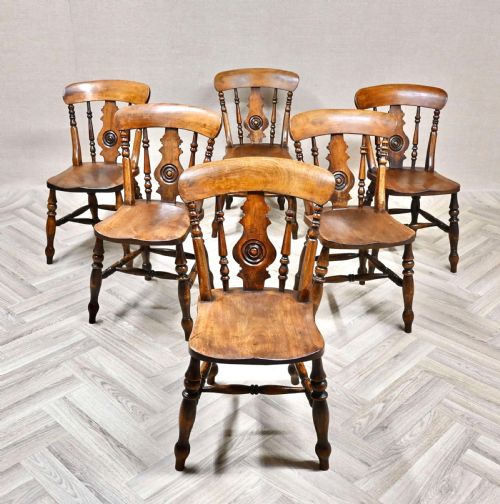
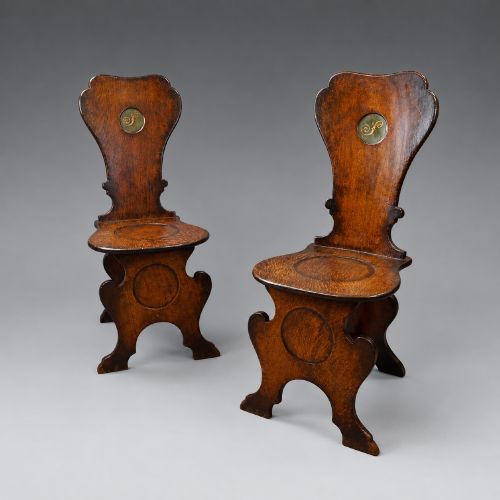
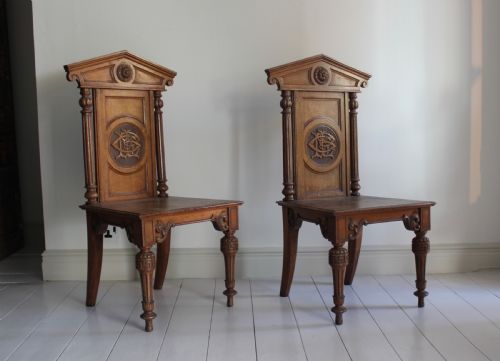
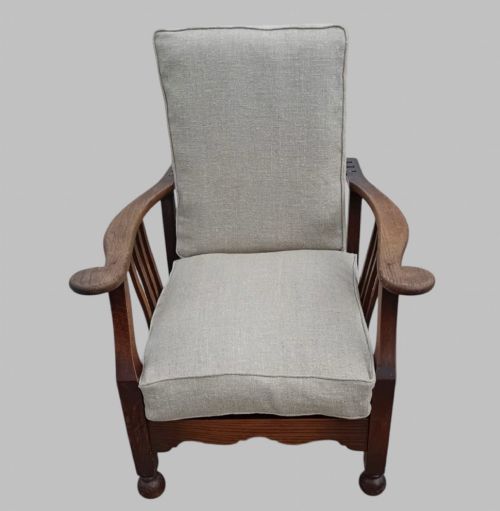
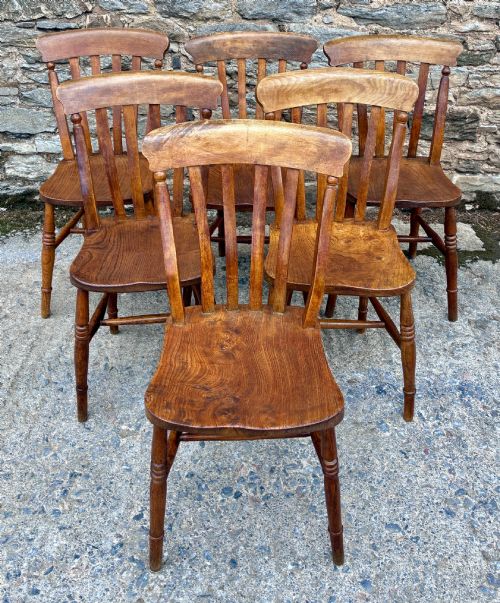
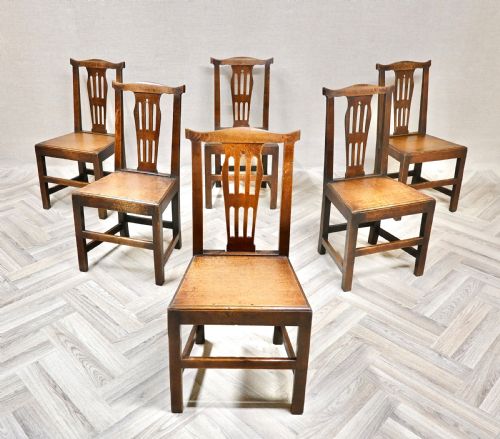
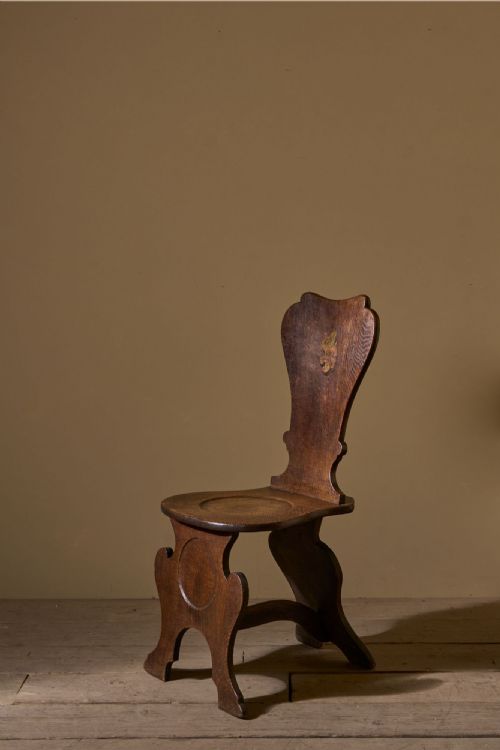
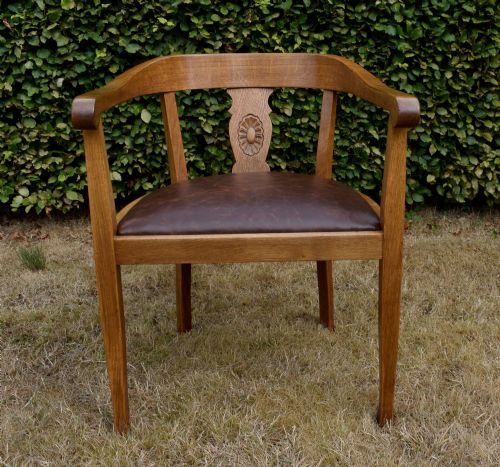
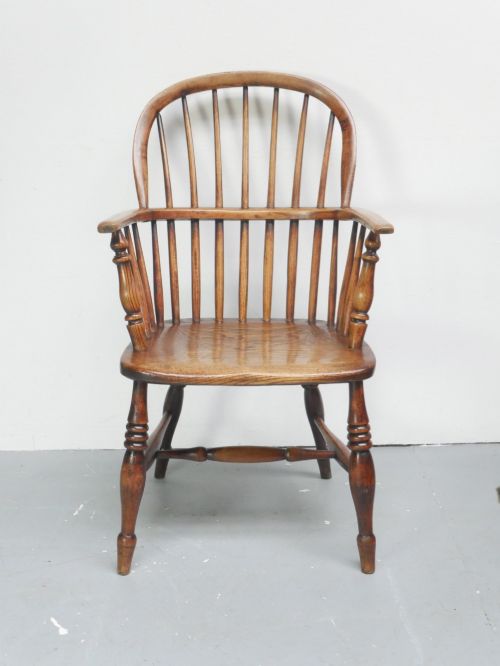
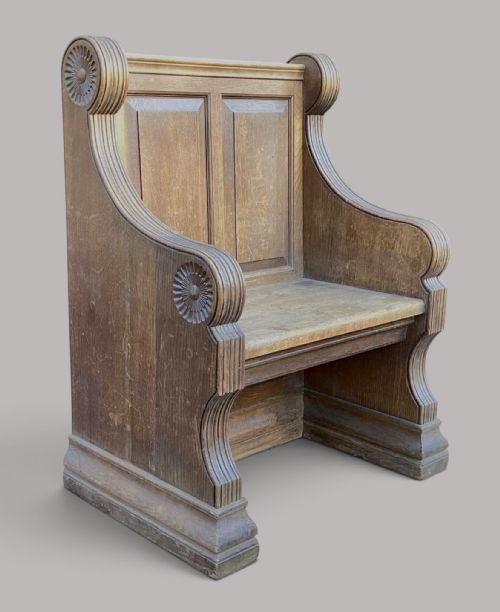
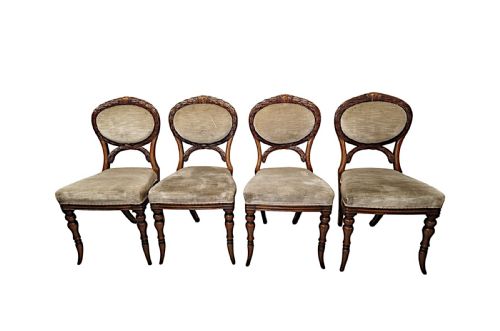
When browsing for solid oak chairs, buyers encounter a diverse spectrum of domestic and formal seating spanning multiple centuries. The selection encompasses sturdy kitchen dining sets, upright hall chairs with carved shield backs, and deep-seated provincial armchairs.
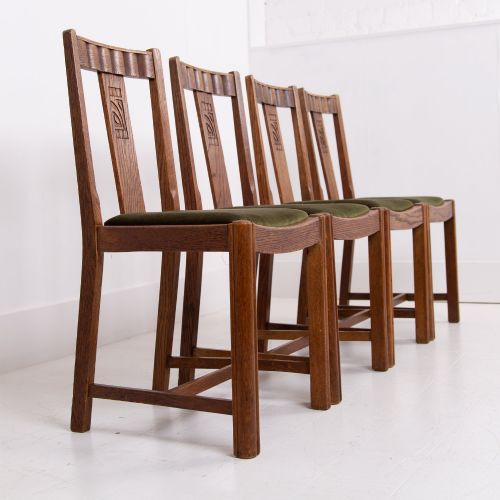
Provincial forms like the Windsor, smoker's bow, and lathe-back chair appear frequently alongside heavily carved Jacobean revival dining sets and Arts and Crafts library seating. Regional variations highlight the distinct joinery traditions of Welsh, Scottish, and English country makers.
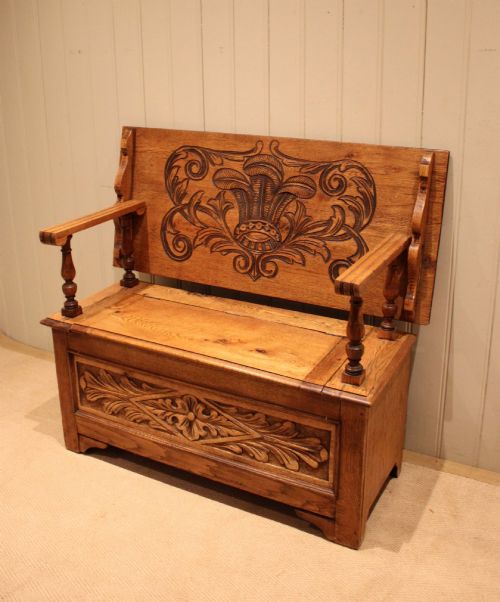
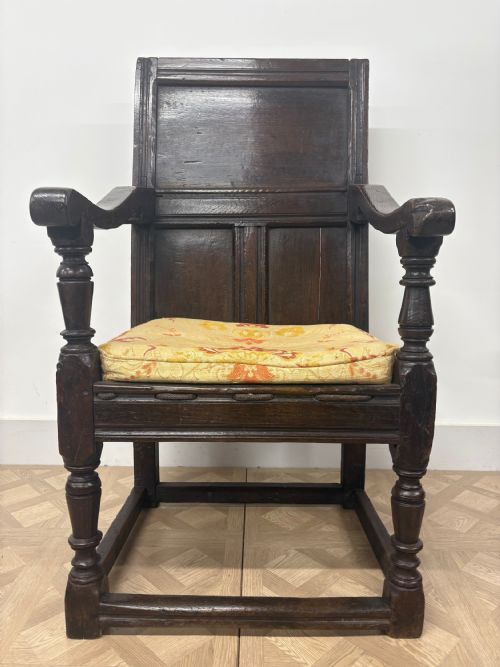
Dining chairs often survive in matched sets of four, six, or more, while armchairs, settles, and hall benches generally present as individual statement pieces. Early examples from the seventeenth century, such as wainscot chairs, offer substantial panel construction and turned supports.
Materials and Construction
Makers relied primarily on native hardwoods, combining solid oak for frames, panels, and legs with secondary timbers like elm, beech, and ash for seats and spindles. This mixed-timber approach utilised the specific tensile and bending strengths of each wood.
Traditional construction depended on mortise and tenon joints secured with wooden pegs, supplemented by turned spindles, bobbin supports, and steam-bent rails. Seat pads frequently incorporated rush seating, solid carved timber depressions, or leather and velvet upholstery fixed with brass studs.
The listings span multiple centuries, incorporating 17th-century wainscot forms, 18th-century shield backs, and Arts and Crafts oak designs.
Judging Quality and Character
Superior examples reveal themselves through deep, untreated surface patination and tight, original joinery that requires no modern bracing. Carved detailing on panel backs and crest rails demonstrates crisp hand-chiselling rather than shallow mechanical reproduction.
The integrity of a piece depends on the retention of its original timber components, matching grain patterns across sets, and minimal timber replacement during historical repairs. Proportion, stance, and the comfort of the timber seat contour separate utilitarian output from master-carved provincial work.
Strahan·Titchmarsh and Goodwin·T Oliver Torquay·Edwards and Roberts
The Solid Oak Chairs Glossary
- Wainscot chair
- A heavy, panel-backed wooden armchair from the seventeenth century. These early forms feature elaborate carved crests and sturdy turned legs.
- Windsor chair
- A vernacular seating form featuring a solid carved wooden seat into which independent legs and a bowed back are wedged.
- Smoker's bow
- A low-backed Windsor-style armchair with a continuous curved arm rail. It originated in country houses and public rooms during the nineteenth century.
- Sgabello
- A Renaissance-style hall chair with a high back and solid board legs instead of traditional vertical posts. They were designed primarily for brief seating in grand entryways.
- Harlequin set
- A collection of dining chairs that match in style and period but were gathered from different sources. They share common design elements like ladder backs or turned supports.
- Refectory chair
- A robust dining seat designed to accompany large communal tables. They often feature high straight backs and stretcher-reinforced legs.
Solid Oak Chairs: Frequently Asked Questions
How do I care for solid oak furniture?
Maintain timber moisture levels by keeping chairs away from direct heat sources and sudden temperature shifts. Apply natural beeswax periodically to nourish the grain and preserve the surface finish.
Avoid using modern silicone-based polishes, which build up over time and dull the historical patination. Gentle dusting with a dry, soft cloth remains the best daily maintenance.
Were these chairs used for dining?
Many oak chairs served dual purposes in kitchens, halls, and parlours before being designated strictly for dining rooms. Sets of four to twelve chairs were produced primarily for large households and farmhouse refectories.
Single armchairs, such as captains' chairs and wainscot variants, were positioned at the head of tables or beside hearths for senior household members.
How do I distinguish 17th-century oak from later revivals?
Early pieces exhibit hand-split timber boards, irregular peg placements, and distinct tool marks from pit saws and adzes. The framing relies on heavier scantlings and time-softened joinery.
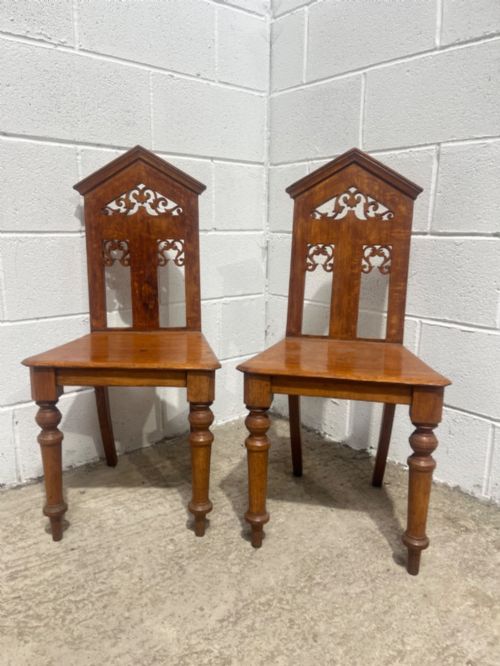
Nineteenth-century Gothic and Jacobean revivals display more uniform machine-sawn components, crisper mechanical carving, and tighter, more standardised dimensions throughout the frame.
Can I mix different oak chair styles?
Harlequin sets demonstrate that mixing chairs of the same era creates a layered, historically authentic dining arrangement. Country houses often accumulated seating gradually rather than purchasing uniform suites.
Ensure the seat heights and general proportions align reasonably well so diners sit at a comfortable level relative to the table surface.