

Victorian Tier Shelf
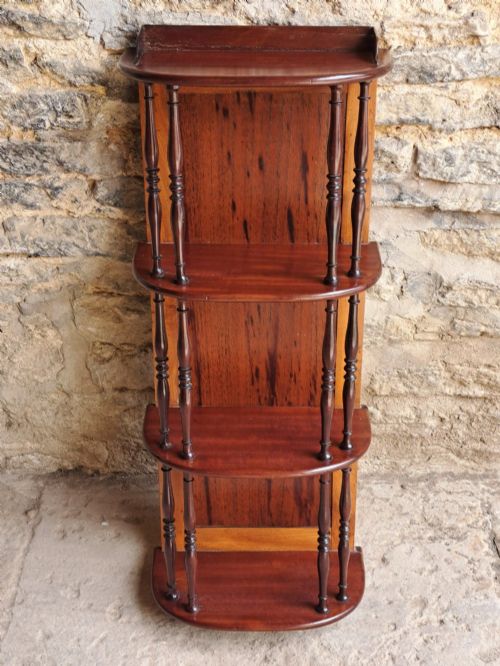
These Victorian tier shelf designs bring architectural display space and rich timbers directly to a room, offering multiple levels for books and ornaments.
Victorian Tier Shelf
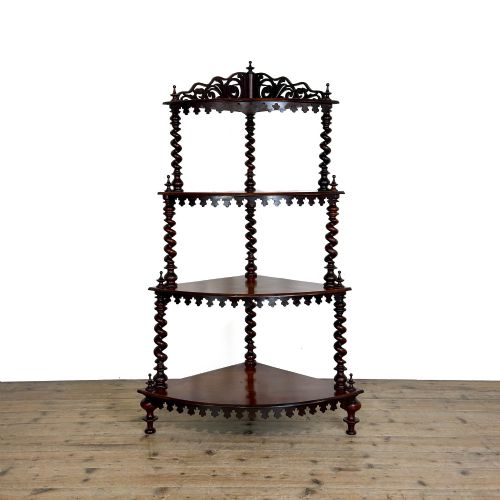
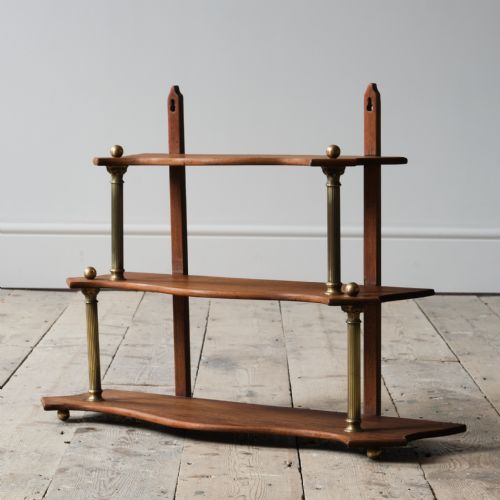
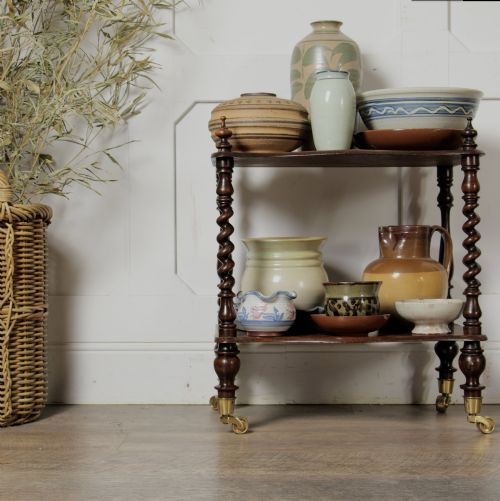
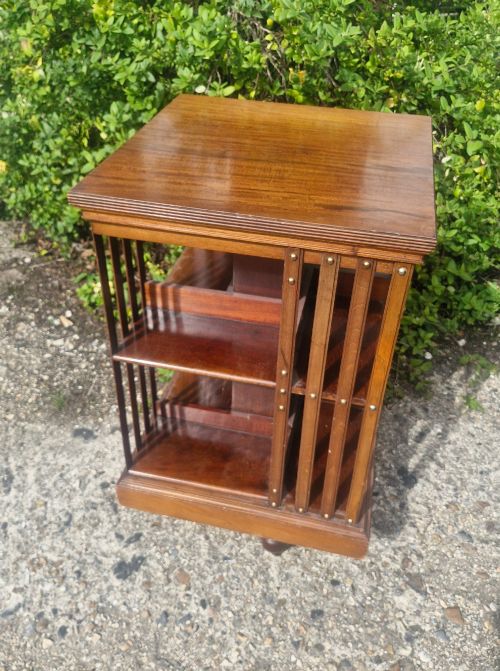
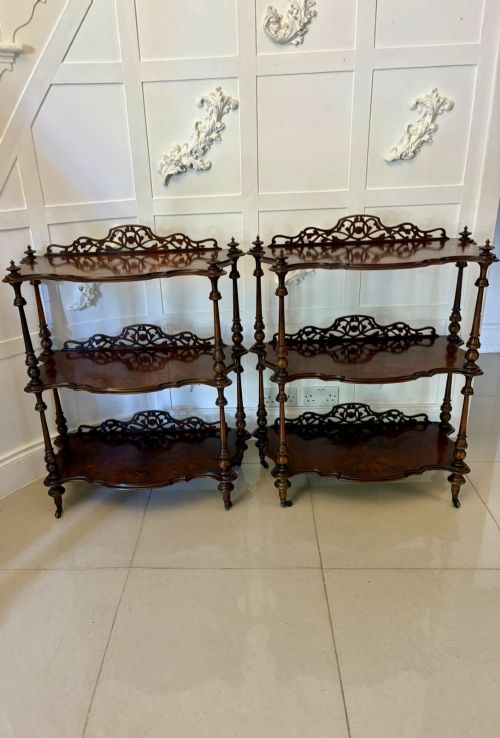
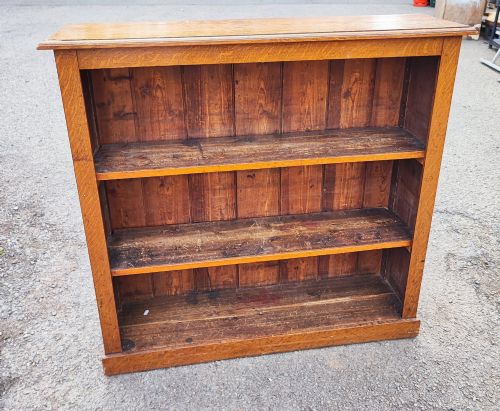
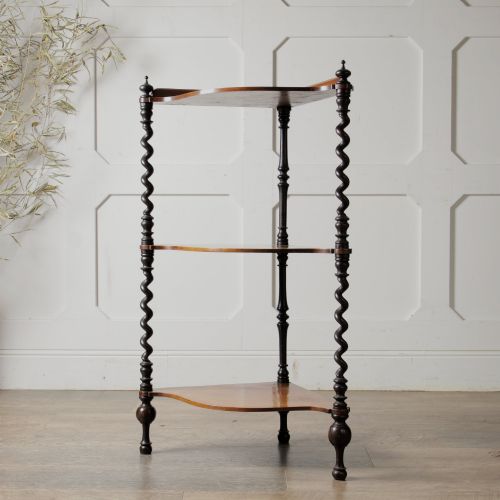
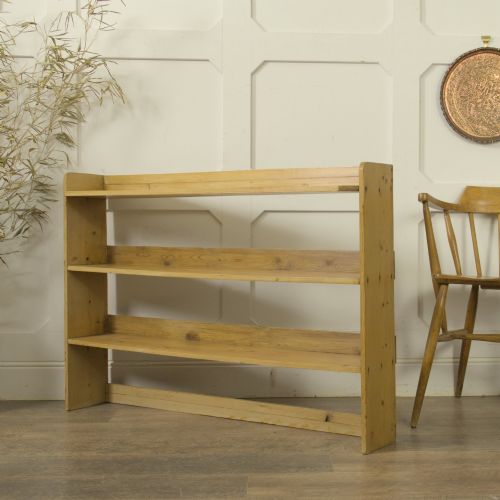
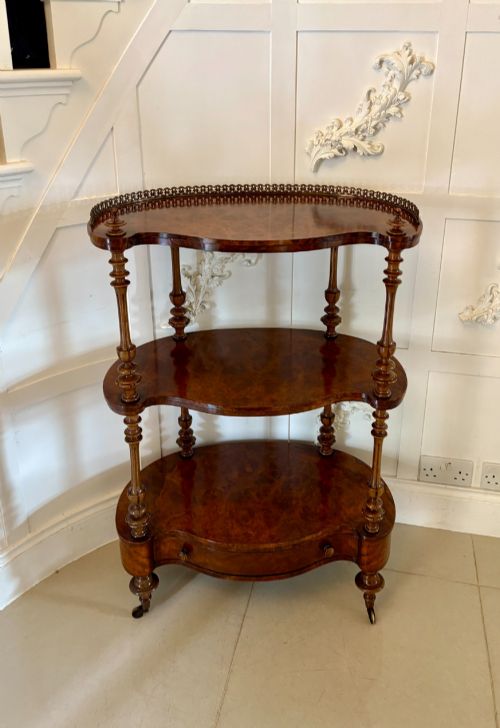
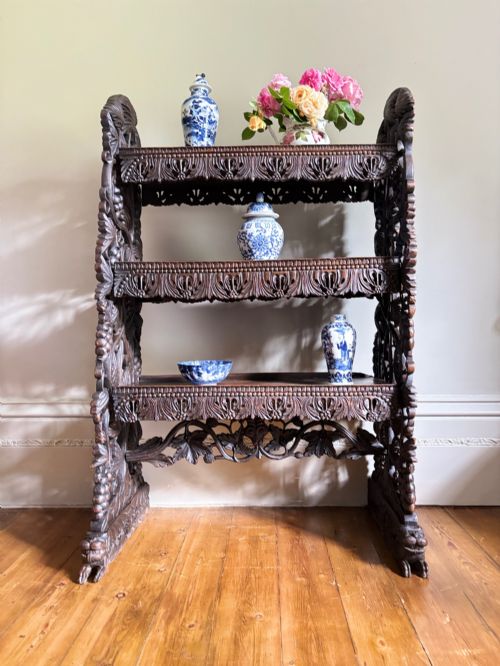
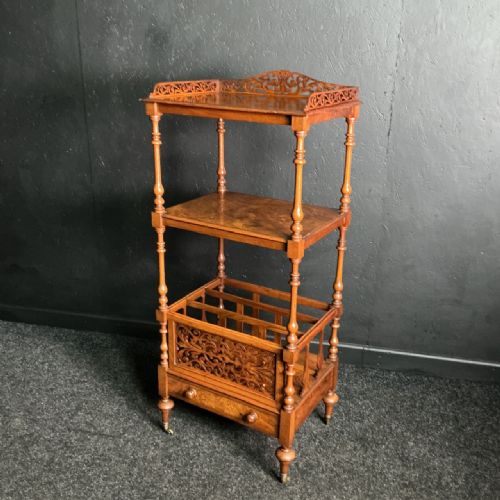
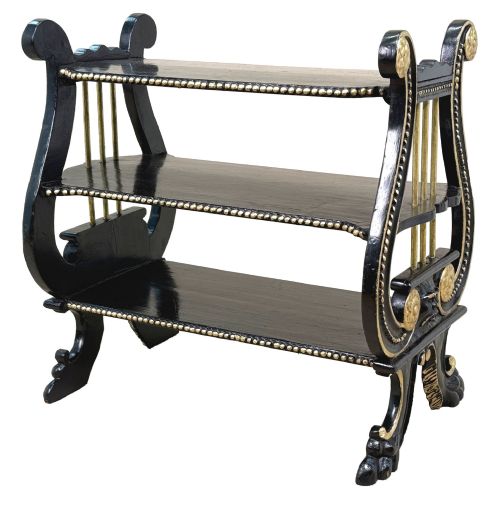
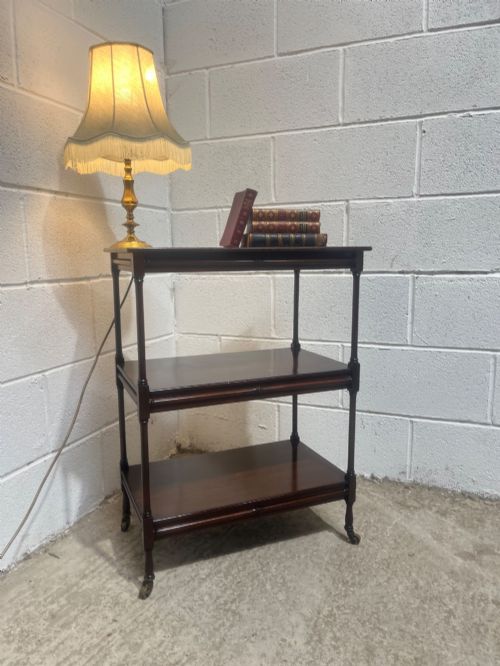
A Victorian tier shelf takes several forms across the record, appearing chiefly as floor-standing whatnots, corner shelves, wall shelves, and buffets or dumb waiters. These pieces provide stacked tiers supported by columns, barley twists, or uprights, designed to hold display items in nineteenth-century interiors.
The pieces listed on this page span from the early Victorian era through the 1880s, showcasing varying heights from three to four tiers. Buyers frequently encounter mahogany and walnut constructions, alongside rosewood and marquetry inlaid variations that highlight the decorative ambitions of the period.
Floor-standing etageres and whatnots dominate the available formats, though hanging corner shelves and adjustable buffets also feature. Each variant utilises the vertical dimension to maximise surface display without occupying excessive floor area.
How They Were Made
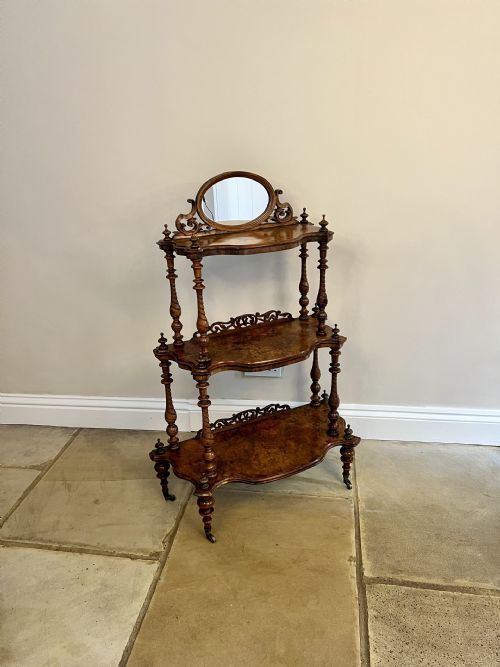
Cabinet makers constructed these tier shelves using solid and veneered timbers including mahogany, walnut, burr walnut, and rosewood. Decorative elements incorporated marquetry inlay and turned components such as barley twist supports, alongside brass fittings and occasional ceramic details.
Structural assembly relied on traditional joinery methods to support multiple horizontal platforms, sometimes incorporating lower drawers or adjustable mechanisms. Selected pieces integrated glass elements or fine surface marquetry to elevate the visual detail of the tiered levels.
Retail Price Guide 2026
Typical UK retail prices for victorian tier shelf, calculated from the Sellingantiques database of over a million retail prices indexed since 2003. This retail price guide relies exclusively on Sellingantiques data; no external sources or auction records are used, so the figures do not describe the wider market.
Listings feature mahogany, walnut, rosewood, and burr walnut, alongside brass, ceramic, and glass elements across Victorian tier shelf examples.
What Varies in Quality
The distinction between standard examples and the finest pieces rests upon timber selection and decorative execution. Elaborate marquetry inlay, burr walnut veneers, and sophisticated turned supports like barley twists elevate a piece above simpler utilitarian versions.
Proportion and structural complexity further separate items, where adjustable shelving mechanisms or integrated drawers demonstrate higher ambition from the maker. The crispness of the timber grain and the preservation of inlaid details determine the overall refinement of the construction.
Samson & Son London
The Victorian Tier Shelf Glossary
- Whatnot
- A piece of furniture consisting of a set of open shelves for displaying small objects or books. This term appears frequently across nineteenth-century tier shelf descriptions.
- Etagere
- A piece of furniture with a set of open shelves for displaying ornaments. These tiered stands function similarly to whatnots in domestic settings.
- Marquetry
- Decorative veneer applied to furniture in patterns using different woods and other materials. This technique defines the detailed surfaces seen on select walnut examples.
- Barley Twist
- A turned wooden column resembling the spiral shape of a barley stalk. This decorative upright supports the tiers on specific nineteenth-century display shelves.
- Dumb Waiter
- A tiered piece of furniture used for serving food or holding tableware. Victorian iterations share the multi-level shelving format found in standard whatnots.
Frequently Asked Questions
What is a Victorian tier shelf?
A Victorian tier shelf is a multi-level open shelving unit designed during the nineteenth century for displaying ornaments, books, and decorative objects. These pieces typically feature three or four horizontal platforms supported by wooden uprights or turned columns.
They appear in various formats including floor-standing whatnots, corner units, and wall-hanging shelves. The design prioritises vertical display space, making them practical for rooms with limited floor area.
How were these shelves used?
In nineteenth-century interiors, these tiered shelves served primarily to display porcelain, small sculptures, and bound volumes. Their open construction allowed owners to showcase decorative possessions from multiple angles in reception rooms and parlours.
Certain variations functioned as buffets or dumb waiters to hold dining accessories and serving ware. Today, they continue to serve as display furniture for collections and household objects.
What timbers were used?
Cabinet makers utilised a range of hardwoods, with mahogany and walnut appearing most frequently across the record. Rosewood and burr walnut were also employed for finer, more decorative commissions.
Additional materials included brass for fixings, ceramic accents, and contrasting woods for marquetry inlay work. The choice of timber often reflected the prevailing style of the specific Victorian decade.
How do I identify an early Victorian piece?
Early Victorian examples generally date from the mid-nineteenth century, around the 1850s, and frequently utilise solid mahogany or rosewood construction. They often feature simpler architectural lines or early forms of adjustable tiers before the revival of elaborate marquetry later in the period.
Examining the construction methods, joinery, and timber ageing helps differentiate these earlier items from pieces produced in the 1880s. Surviving documentation or maker stamps, where present, provide further chronological context.