




Victorian Tea Canister Box
A victorian tea canister box is a neat domestic receptacle designed to keep dry leaves fresh, and finding one brings period character to any tabletop.
Victorian Tea Canister Box
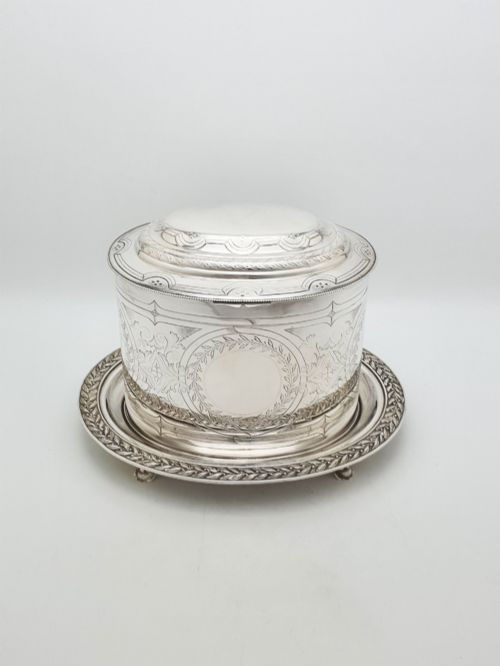
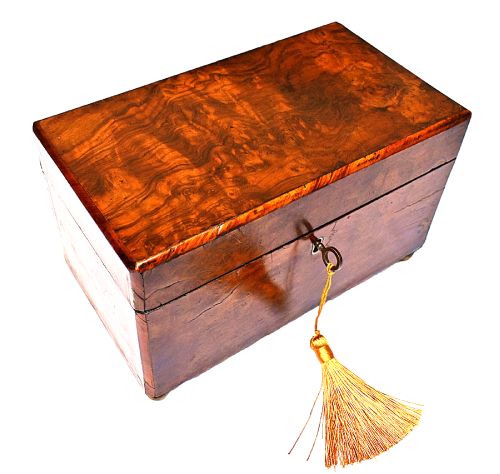
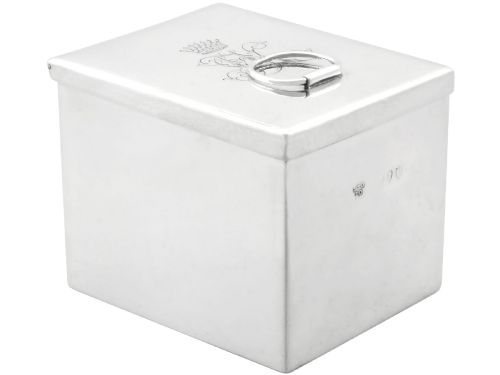
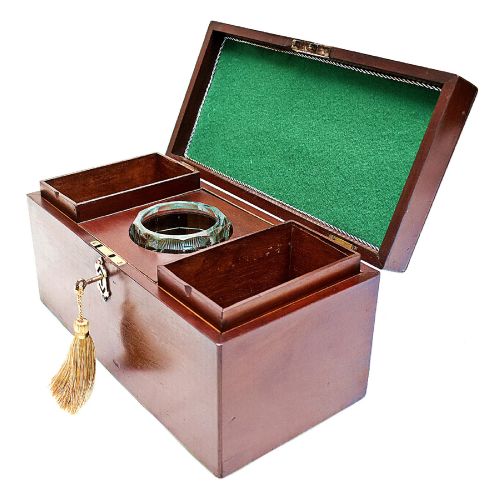
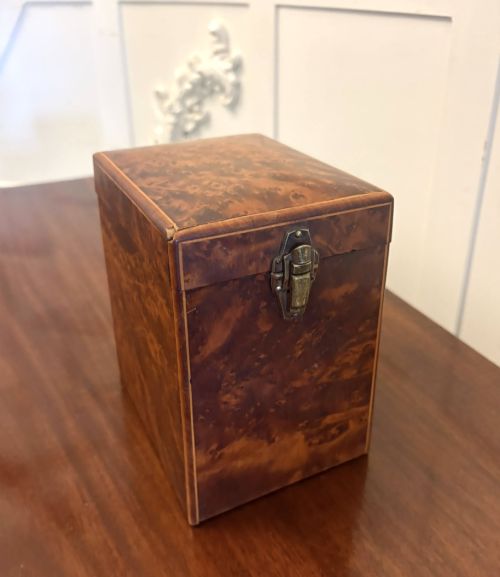
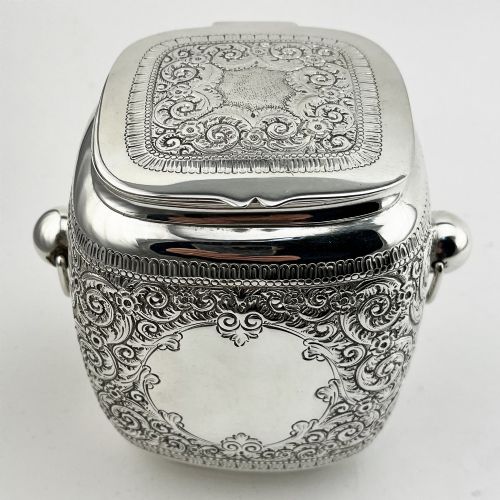
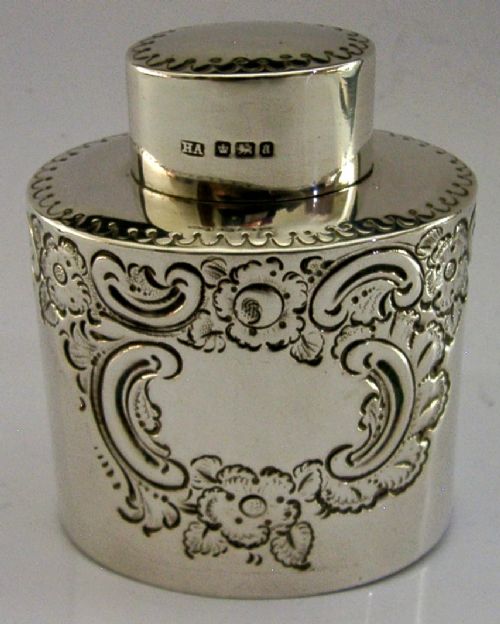
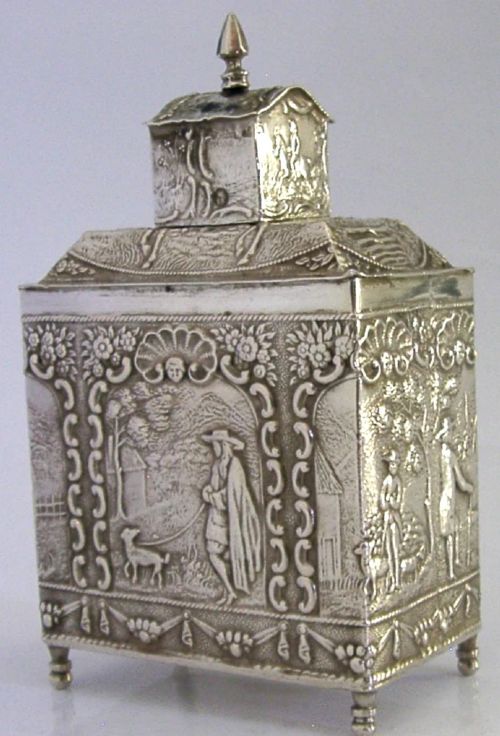
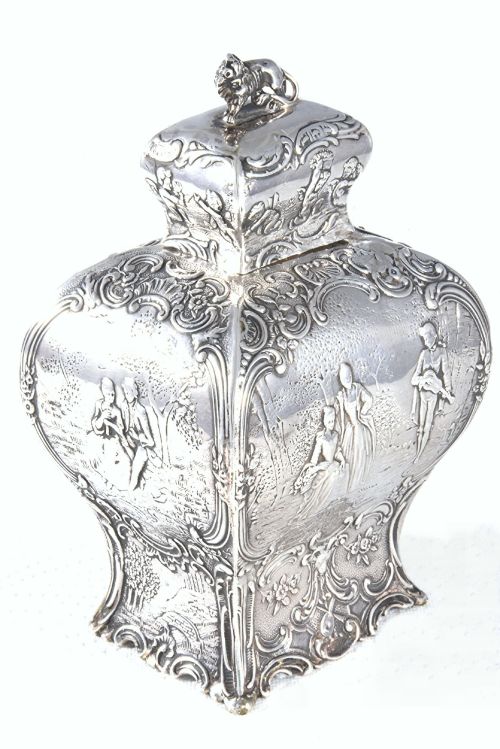
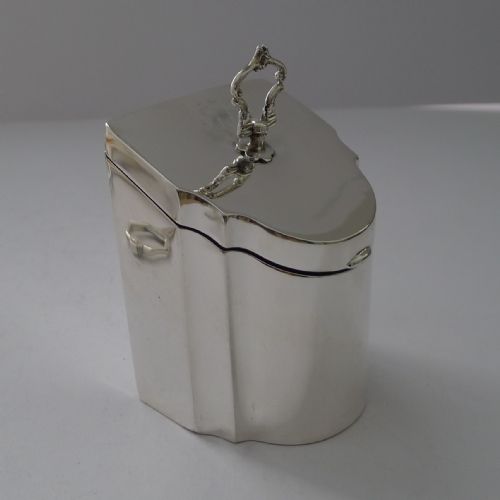
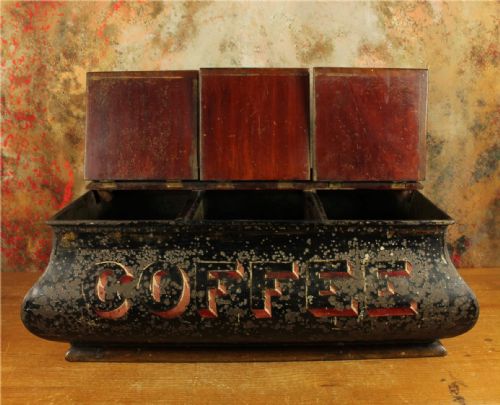
A victorian tea canister box encompasses a range of domestic containers designed for storing dry leaves, predominantly appearing as wooden caddies or metal boxes from the nineteenth century. These pieces reflect the high value once placed on tea, housing leaves securely behind lockable lids often accompanied by internal compartments or mixing bowls. Buyers encounter various forms on this page, from rectangular timber boxes to sterling silver vessels and decorative metal tins.
The materials span from rich hardwoods like rosewood, mahogany, burr walnut and coromandel to gleaming sterling silver, silver plate and painted toleware. Many examples date from the Victorian era proper, alongside related pieces stretching from the Georgian period through the Edwardian years. Interiors frequently retain traces of past use, sometimes including foil linings or dual compartments intended to keep black and green teas separate.
Factors That Separate Examples
Quality rests upon the choice of timber and the precision of the joinery, with burr veneers and tight dovetail joints marking out superior boxes. The presence of original working locks with matching keys adds considerable merit to wooden caddies.
In silver examples, the thickness of the metal gauge, the crispness of chased or embossed decoration and clear hallmarks indicate better manufacture. Intricate decorative techniques such as specialised Tunbridge Ware mosaic work require exceptional skill that elevates certain pieces above plain containers.
Victorian Tea Canister Box Retail Price Guide 2026
Typical asking prices for victorian tea canister box among the pieces listed under this phrase on Sellingantiques today, from the lower quarter to the upper quarter. They describe what is for sale here now, not the wider market.
Listings feature woods such as rosewood, mahogany, burr walnut, amboyna and coromandel, alongside sterling silver and painted toleware.
Martin Hall & Co·Henry Hollamby·William Hutton
The Victorian Tea Canister Box Glossary
- Tea Caddy
- A box or jar specifically made for storing tea leaves. The term evolved from catty, the Chinese pound weight.
- Toleware
- Painted or lacquered metalware popular during the nineteenth century. It frequently appears on decorative storage boxes and canisters.
- Tunbridge Ware
- A form of wooden mosaic woodwork produced in Kent, featuring tiny blocks of natural coloured timbers to form pictorial or geometric designs.
- Bombe
- A swollen or bulging convex shape used in the body of silver or wooden boxes. This curved profile requires skilled forming techniques.
- Old Sheffield Plate
- A composite material made by fusing a thin sheet of silver to a thicker copper base. It was widely used before electroplating was invented.
Victorian Tea Canister Box: Frequently Asked Questions
How do I spot a genuine Victorian piece?
Examine the construction methods, materials, and any hallmarks present on the metal components. Nineteenth-century boxes often display hand-cut dovetail joints in the wood and aged patination that modern reproductions struggle to replicate.
Silver examples will typically bear British hallmarks indicating the assay office and date of manufacture. Checking these details against known historical periods confirms the age of the container.
What were the interior bowls used for?
The glass bowls found inside many wooden caddies served as mixing vessels for blending different varieties of tea leaves. Wealthy households purchased black and green teas separately and combined them to personal taste.
These bowls also held sugar or acted as a spoon rinse during tea preparation. Finding a matching original glass bowl inside a box remains a notable bonus for collectors.
Can I still store tea inside them?
Most antique containers lack airtight seals by modern standards, meaning loose leaves may lose their aroma over time. Furthermore, old foil linings or residual metal oxidation might affect the flavour of consumable goods.
Living with these pieces is best achieved by using them to store non-perishable trinkets, stationery, or modern tea bags contained within inner packets. This preserves the interior while keeping the box functional in a modern room.