

Victorian Tea Box
A victorian tea box preserves the ritual of leaf storage through timber, metal and papier-mâché crafted for the nineteenth-century parlour.
Victorian Tea Box
A victorian tea box encompasses wooden caddies, metal canisters and ceramic biscuit barrels designed to protect dry goods from moisture and light.
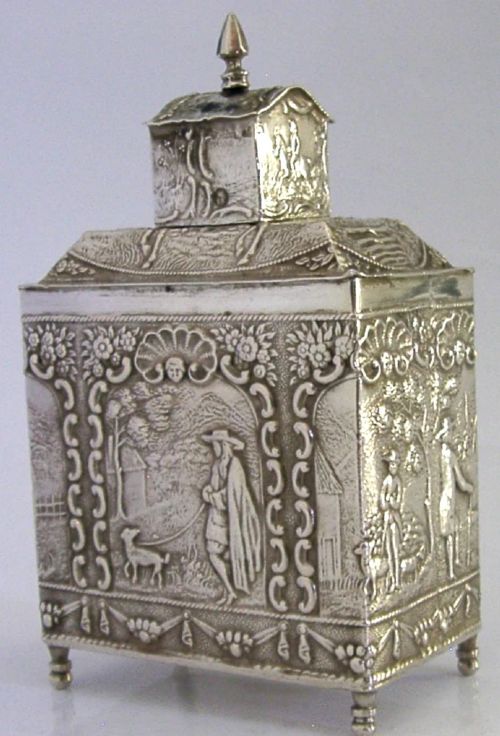
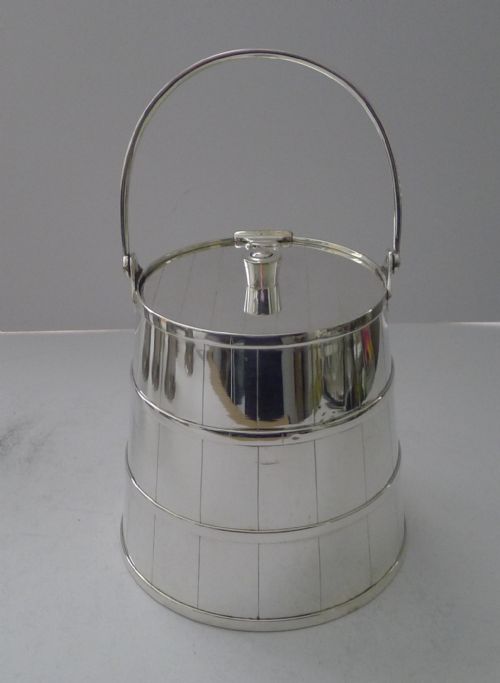
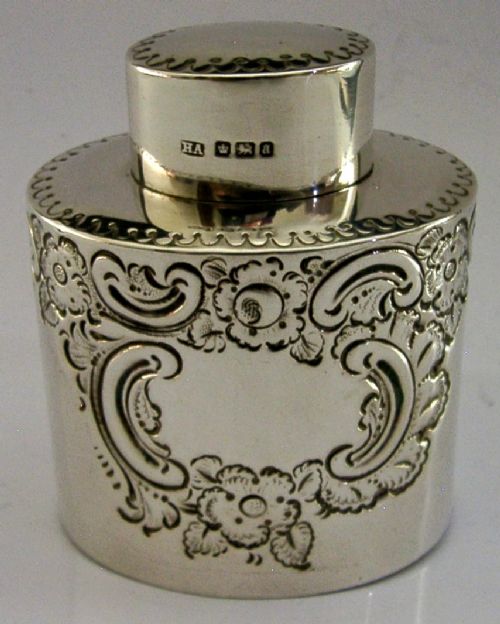
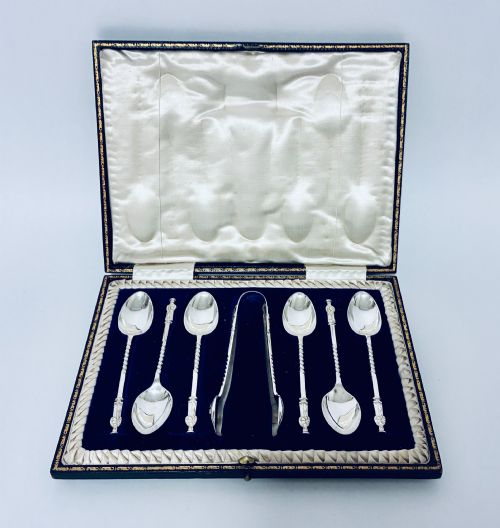
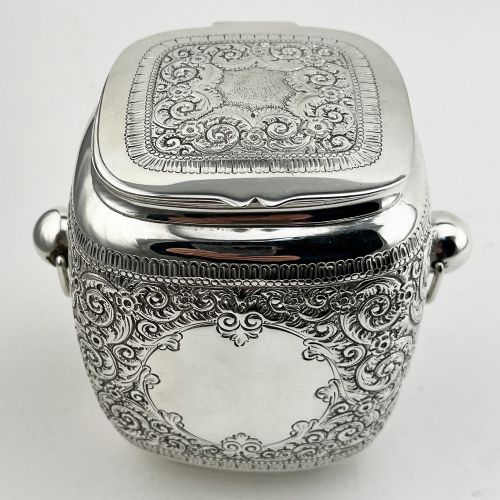
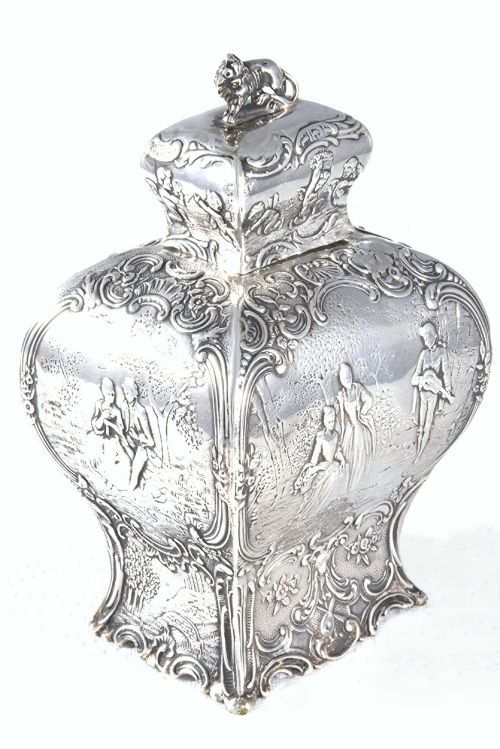
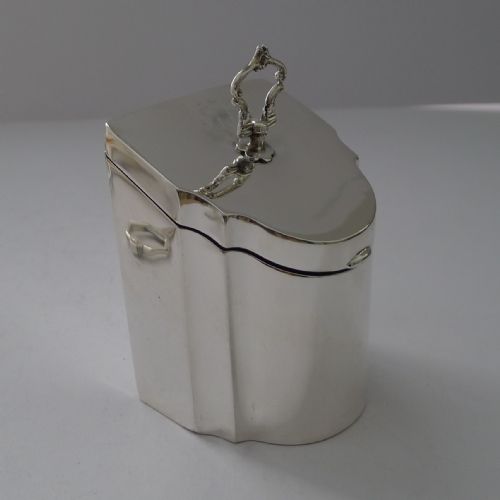
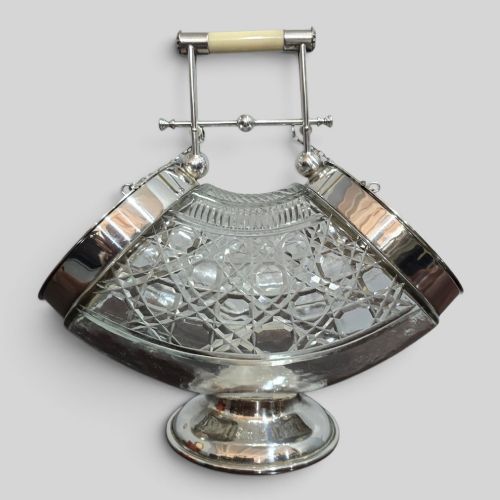
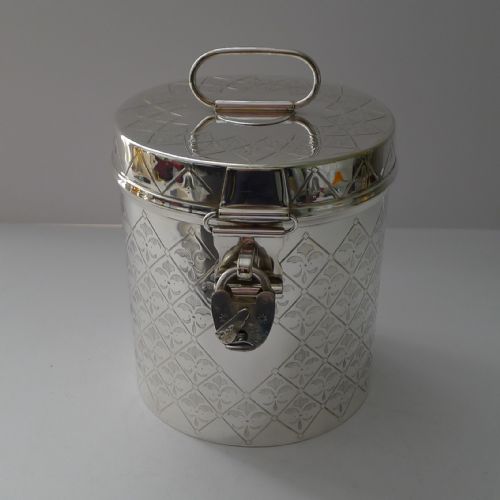
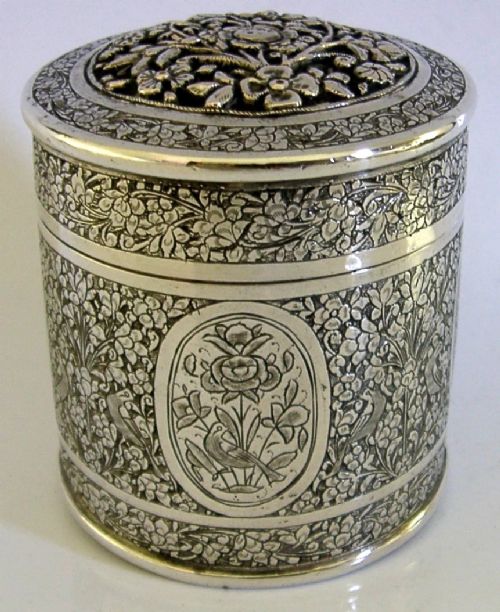
The varieties on this page range from solid sterling silver bombe forms and silver-plated containers to rosewood and walnut boxes featuring internal lidded compartments.
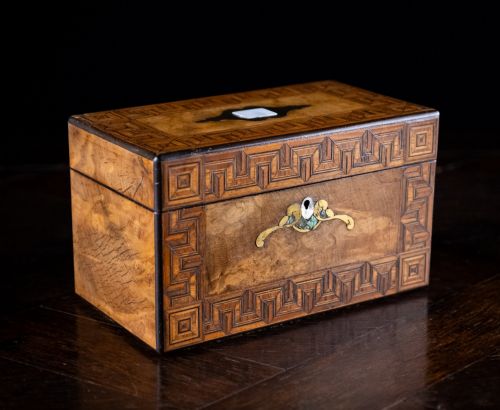
Makers utilised exotic woods, brass mounts and intricate mother-of-pearl or Tunbridge ware inlays to signal status within nineteenth-century households.
How They Were Made
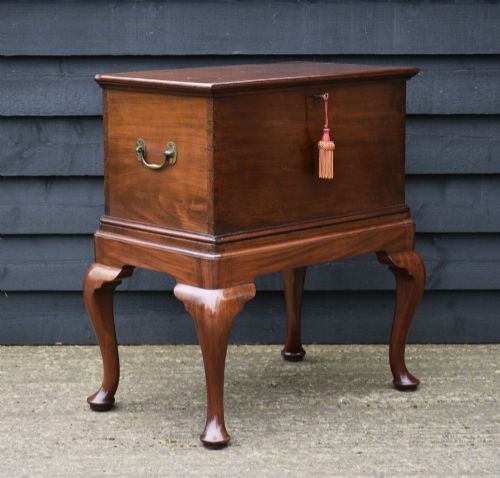
Carpenters constructed structural carcasses from dense hardwoods like mahogany, teak and rosewood, frequently applying burr walnut or satinwood veneers to exterior surfaces.
Silversmiths hammered, cast and chased sterling silver and base metal alloys into bombé profiles, cylindrical jars and novelty shapes, incorporating interior foil linings for leaf preservation.
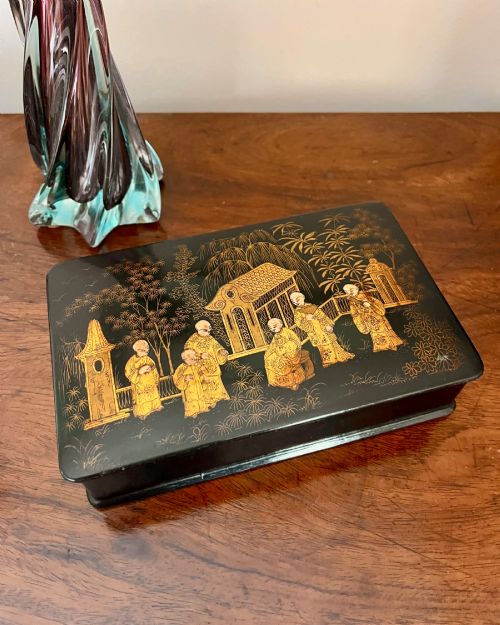
Specialist artisans embedded mosaic wood strips, brass stringing and shell fragments directly into lacquer or wooden lids to create geometric and pictorial motifs.
Victorian Tea Box Retail Price Guide 2026
Typical asking prices for victorian tea box among the pieces listed under this phrase on Sellingantiques today, from the lower quarter to the upper quarter. They describe what is for sale here now, not the wider market.
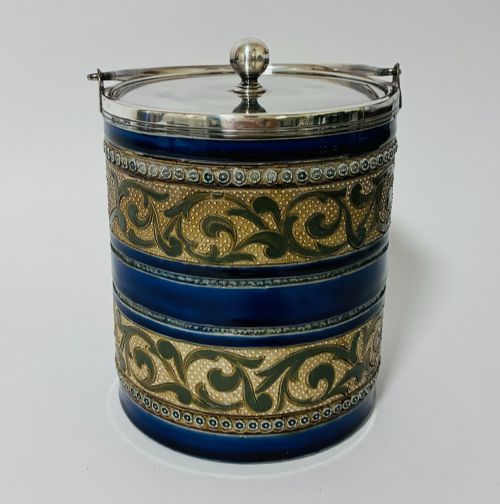
Listings feature containers shaped as coal boxes, barrels and knife boxes alongside traditional rosewood and mahogany caddy forms.
What Varies in Quality
Distinctions in construction rest upon the thickness of applied silver gauges, the precision of dovetail joinery within wooden carcases, and the integrity of internal lining components.
Artisanal execution separates standard production items from masterworks, visible in the complexity of parquetry arrangements, the depth of hand-chased ornamentation on metal bodies, and the survival of original working locks and keys.
Martin Hall & Co·Mappin and Webb·Henry Hollamby·Hukin & Heath·Tahan of Paris
The Victorian Tea Box Glossary
- Tea caddy
- A small container designed to store loose tea leaves securely. Early examples often included internal lidded compartments for blending different grades.
- Tunbridge ware
- A form of woodworking characterised by mosaic patterns assembled from thousands of tiny tinted wood prisms. These mosaics created pictorial views and geometric borders on boxes.
- Sarcophagus
- A box shape featuring a domed or sloping hinged lid resting on a rectangular base, frequently raised on bun feet. This architectural form proved popular for luxury rosewood and mahogany tea chests.
- Bombé
- A swelling, convex furniture profile with outward-curving sides. In silverware and wooden boxes, this contour created reflective surfaces and generous internal capacity.
- Papier-mâché
- A composite material made from paper pulp or layers of paper reinforced with glue and resin, then pressed and dried. Craftsmen painted and inlaid these surfaces with pearl shell for parlor use.
Victorian Tea Box: Frequently Asked Questions
What is a tea poy?
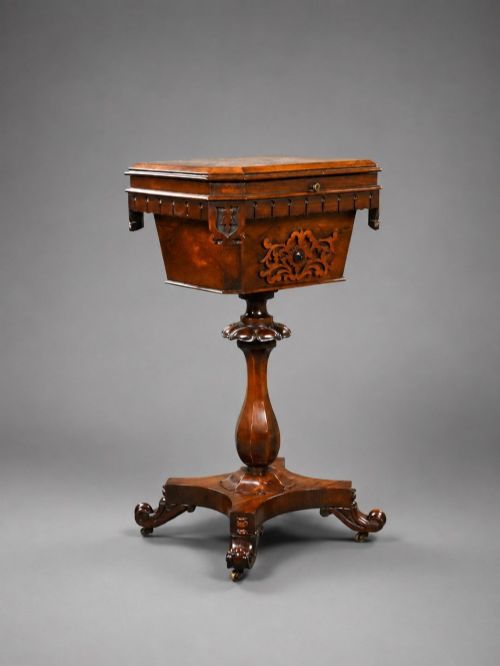
A tea poy is a freestanding table version of a tea container, equipped with interior compartments for leaf storage and supported on a central pillar or legs.
These pieces stood in drawing rooms so hosts could dispense tea blends directly to guests without leaving the seating area.
Why did tea boxes have two compartments?
Dual internal compartments allowed households to store distinct black and green tea varieties separately within the same container.
Wealthy nineteenth-century hosts kept expensive leaves locked away to control household consumption and prevent theft by staff.
How do I care for wooden caddies?
Maintain timber finishes by keeping boxes away from direct sunlight and sudden temperature shifts that cause wood to split or warp.
Apply microcrystalline wax sparingly to nourish rosewood, mahogany and walnut surfaces without damaging delicate mother-of-pearl or parquetry inlays.
Were silver caddies used for tea?
Solid silver and silver-plated containers functioned as tea caddies or sugar boxes, holding dry leaves and refined loaf sugar.
The metal prevented moisture from reaching the contents while displaying the owner's wealth on dining tables and sideboards.