





Victorian Tazza Dish
When you handle a victorian tazza dish, you hold a raised pedestal vessel designed to elevate fruit or sweetmeats on a formal dining table.
Victorian Tazza Dish
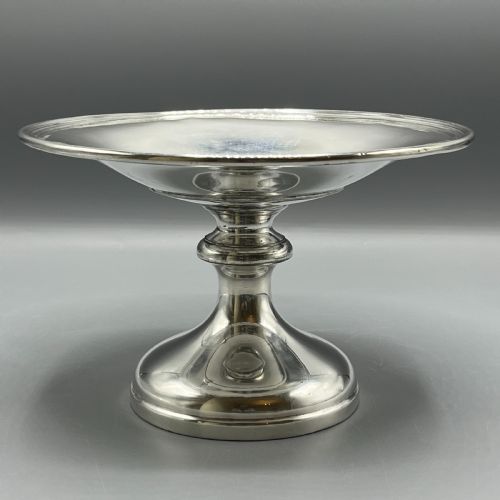
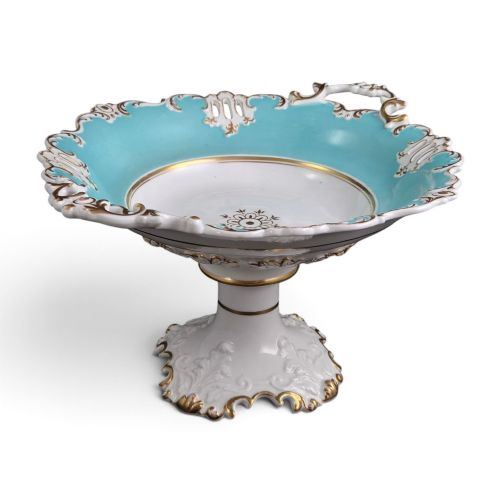
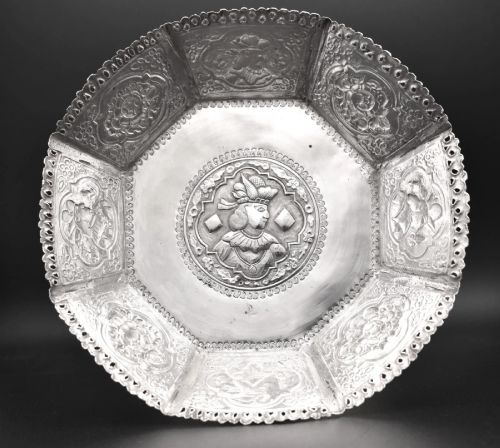
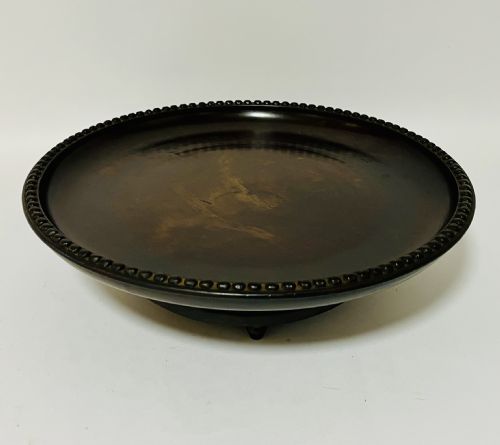
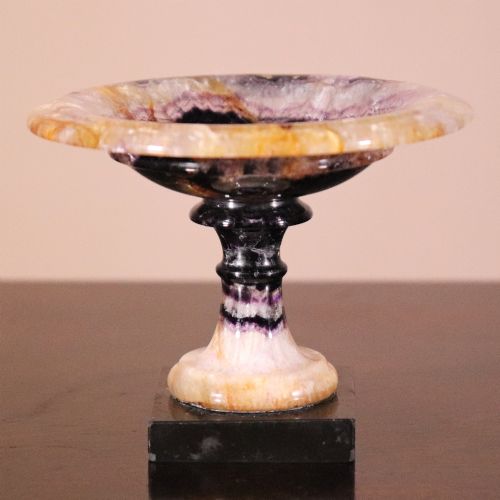
A victorian tazza dish takes the form of a shallow bowl or plateau mounted upon a central foot or pedestal. These elevated serveware pieces functioned primarily as ornamental centrepieces for desserts and fruit during nineteenth century dining.
Origins span English factories, French workshops, and broader European traditions such as the Grand Tour. Forms range from simple glass cake stands to elaborate architectural compositions involving marble and bronze.
Materials and Techniques
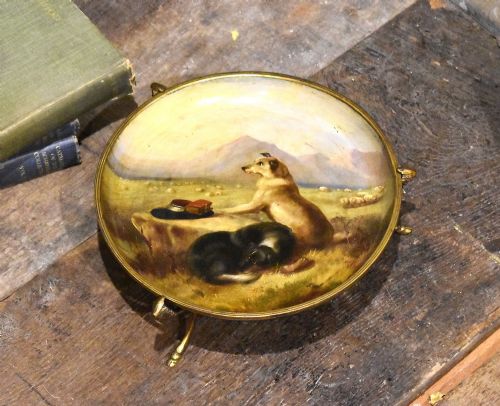
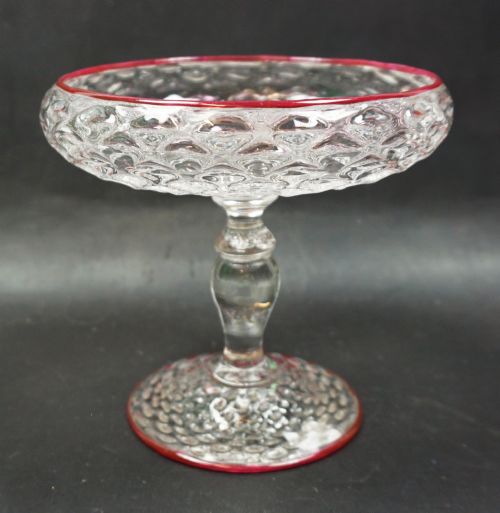
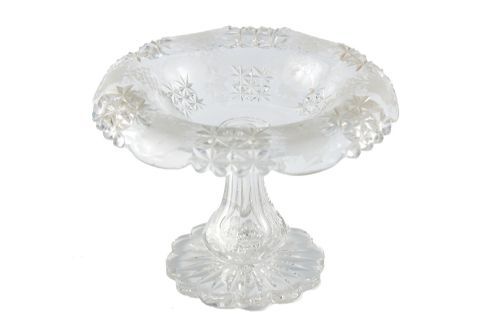
Ceramic examples employ bone china, ironstone, and majolica, frequently decorated with hand painted motifs or elaborate moulding. Glass pieces utilise mould blowing, cutting, and etching techniques to create patterned crystal and coloured vessels.
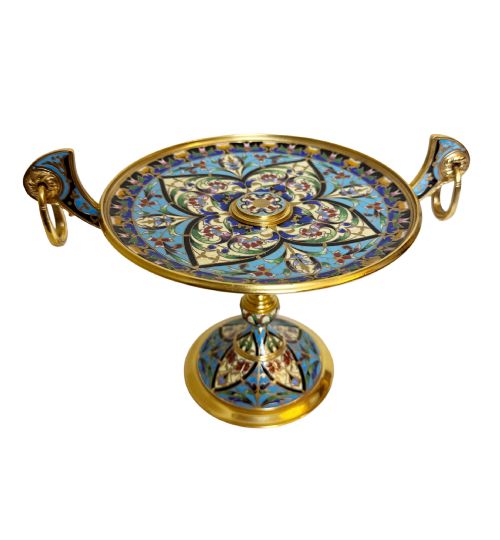
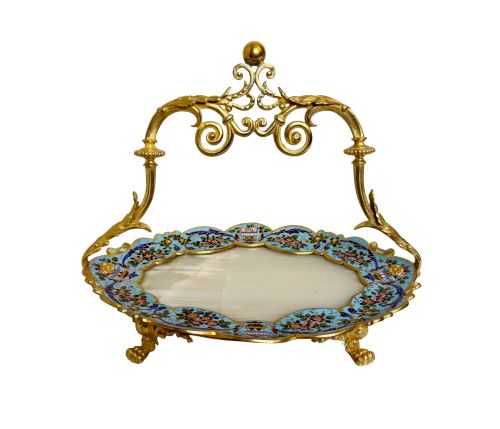
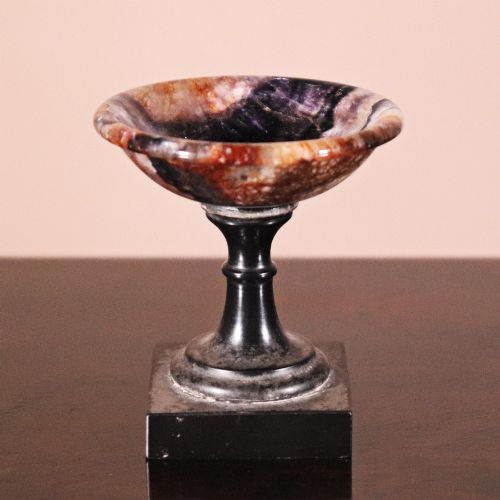
Metal mounts incorporate ormolu, gilt bronze, and silver plating, often combined with champlevé enamel, onyx, or agate cabochons. Stone elements feature carved alabaster, blue john, and pietra dura work set into brass frameworks.
Victorian Tazza Dish Retail Price Guide 2026
Typical asking prices for victorian tazza dish among the pieces listed under this phrase on Sellingantiques today, from the lower quarter to the upper quarter. They describe what is for sale here now, not the wider market.
The inventory records glass production techniques spanning honeycomb moulded crystal, ruby glass, and etched lead crystal.
Evaluating Quality
The refinement of the casting and chasing on metal mounts separates standard production from superior examples. Crisp detail in bronze or ormolu indicates skilled workshop execution.
Ceramic decoration relies on the precision of hand painting and the clarity of glaze application. Crystal quality depends on depth of cut and purity of the glass body.
Coalport·John Ridgway·Thomas Moorcroft·Davidson·Minton
The Victorian Tazza Dish Glossary
- Tazza
- A shallow bowl or plateau mounted on a pedestal foot. This footed form elevates display items above the surface of the table.
- Ormolu
- Gilt bronze used for decorative mounts and structural frames. The technique involves applying a gold amalgam to a bronze base.
- Champlevé
- An enamelling technique where troughs are dug into metal and filled with vitreous paste. Firing fuses the coloured glass paste into the metal channels.
- Comport
- A shallow dish or bowl on a high foot used for serving fruit or sweets. The term frequently overlaps with the definition of a tazza.
- Pietra Dura
- An inlay technique using cut and fitted polished coloured stones to create pictorial designs. Artisans embed hardstones like malachite into marble or brass bases.
Victorian Tazza Dish: Frequently Asked Questions
What is a victorian tazza dish used for?
These elevated vessels served fruit, confectionary, and sweetmeats during formal nineteenth century dining. Placed at the centre of a table, they added height and visual interest to dessert courses.
Today, they function as decorative objects or display pieces for small collections. Their raised profile makes them suitable for holding decorative items on sideboards or mantelpieces.
How do I clean antique glass and metal?
Glass components require gentle washing with lukewarm water and mild soap to preserve etched or gilded surfaces. Avoid submerging metal mounted pieces in water to protect adhesives and organic elements.
Dust ormolu and bronze gently with a soft brush rather than using chemical polishes. Polishing compounds can strip the original gilding from antique metalwork.
Are these pieces safe for food?
Many nineteenth century ceramic and glass surfaces contain lead or other compounds in the glazes and crystal. Modern food safety standards differ from historical manufacturing practices.
It is advisable to use these items for decorative display rather than serving food. Dry items or decorative fruit present fewer concerns if used for occasional display.