

Antique Silver Plates
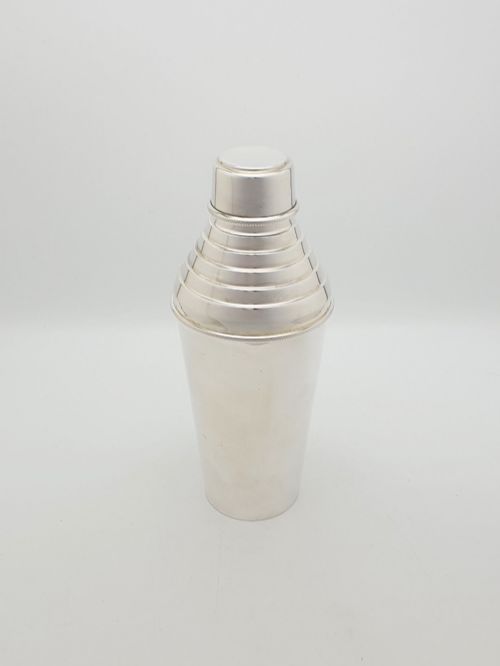
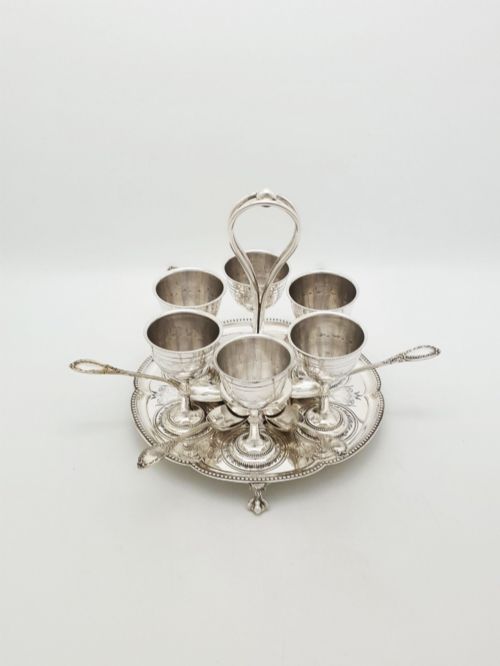
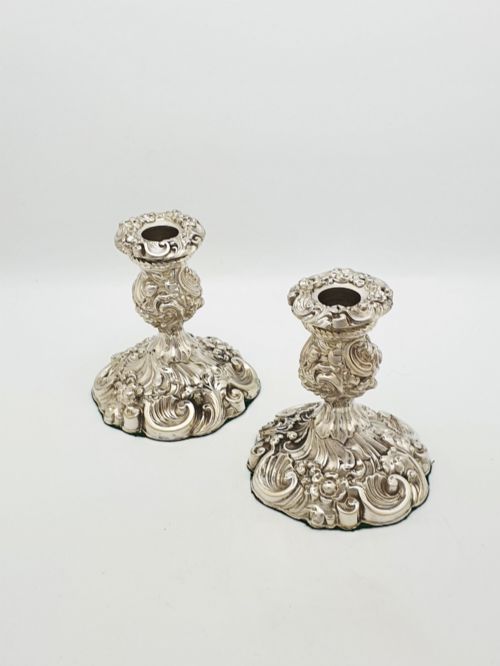
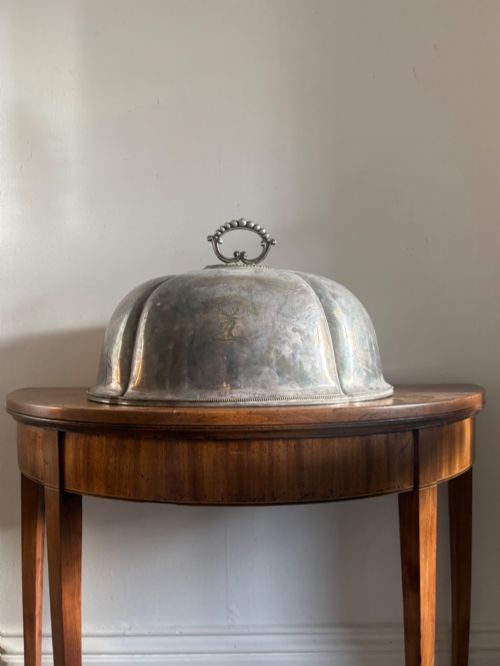
These antique silver plates bring the heft and shine of past dining rooms to the table.
Antique Silver Plates
When you search for antique silver plates, you encounter dining wares and chargers originating from the Georgian and Victorian eras, alongside sets produced by notable makers like Elkington. The selection encompasses sterling silver examples from the eighteenth century as well as durable silver-plated versions manufactured into the nineteenth and twentieth centuries.
The versions you are most likely to meet on this page include nineteenth-century silver-plated dinner services, Victorian salvers, and individual presentation pieces. These items range from plain utilitarian trenchers to heavily engraved display dishes intended for formal dining.
How they were made
Makers utilised traditional manufacturing techniques such as Old Sheffield Plate production, which fused a layer of silver to a thicker copper core by heat and pressure. Later items relied on electroplating, a chemical process that bonded a silver coating onto base metals like nickel silver or copper.
Craftsmen shaped the metal by hand-beating, stamping, or spinning it on a lathe before applying chased or engraved decorative borders. Details such as crests and gadrooned edges were soldered on separately by specialist silversmiths.
Antique Silver Plates Retail Price Guide 2026
Typical asking prices for silver plates among the pieces listed under this phrase on Sellingantiques today, from the lower quarter to the upper quarter. They describe what is for sale here now, not the wider market.
Listings span periods from the 18th century through the mid-20th century, utilising materials like Old Sheffield Plate, copper, and electroplated nickel silver.
What varies in quality
The quality of these pieces depends heavily on the thickness of the original silver coating and the integrity of the underlying base metal. Heavily worn items reveal the coppery base beneath, whereas superior specimens retain a deep, even layer of silver across all high-wear surfaces.
Design execution and maker reputation also dictate standing, with crisp hand-chased borders and clear hallmarks or maker stamps commanding greater attention than mass-produced, lightly stamped alternatives.
Keith Murray For Mappin & Webb·Mappin & Webb·James Deakin·William Hutton & Sons·Elkington
The Antique Silver Plates Glossary
- Old Sheffield Plate
- An early method of fusing silver and copper together before rolling them into sheets. This technique leaves a characteristic thin line of copper visible on cut edges.
- Electroplated Nickel Silver
- A base alloy of copper, nickel, and zinc coated with a layer of silver using an electrical current. This material became the industry standard in the Victorian period.
- Salver
- A tray used for serving food or drinks, or for presenting items. In silver, these often feature footed bases and decorative chased borders.
- Gadroon
- A decorative carved or embossed band consisting of continuous curved ridges or notches. It appears frequently on the rims of fine plates and platters.
- Sterling silver
- An alloy consisting of silver and other metals, usually copper, containing a fixed proportion of pure silver by weight. This standard has been used for centuries to denote solid silver dining wares.
Antique Silver Plates: Frequently Asked Questions
How do I clean antique silver plates?
Use a soft cloth and a specialised silver cream designed to lift tarnish without being abrasive. Avoid harsh chemical dips, which can strip away thin plating and damage the underlying metal.
Wash the pieces in warm soapy water and dry them immediately with a lint-free cloth to prevent water spots. Regular, gentle polishing preserves the remaining silver coating far better than infrequent aggressive cleaning.
Can I use these plates for serving food?
Solid silver and thick silver-plated items from past centuries are generally food-safe, provided the plating remains intact. However, heavily worn pieces that expose the base metal beneath should be reserved for display.
Acidic foods like citrus or vinegar can discolour old silver if left in contact for too long. Wash the plates by hand promptly after use rather than placing them in a modern dishwasher.
How do I distinguish Old Sheffield Plate from electroplate?
Examine the edges and undersides of the piece closely for signs of the underlying copper core. Old Sheffield Plate often reveals a subtle line of red copper where the fused sheets were trimmed.
Electroplated items typically display a uniform white metal base beneath worn areas. Makers' marks and stamps also help date the manufacturing method used.
What does a maker mark tell me?
Maker marks provide a direct link to the silversmith, workshop, or plating firm that produced the item. These stamps often include initials, symbols, or registry numbers that aid in dating.
Researching these marks reveals the historical context of the piece and distinguishes commercial factory work from smaller studio output.