


Vintage Silver Sideboards
These vintage silver sideboards and associated silver-plated serving furniture bring distinct metallic brilliance and historic presence into a room.
Vintage Silver Sideboards
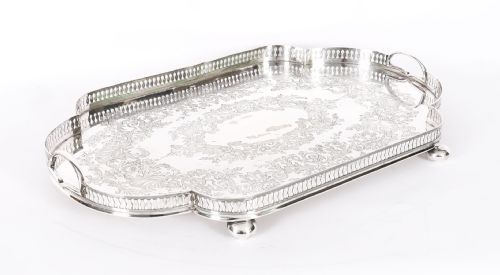
When you search for vintage silver sideboards, you are encountering a varied group of serving furniture, large trays, and cabinets that frequently intersect with silver-plated and sterling table accessories. The items appearing here range from sideboard-scale aluminium aviator furniture and Chippendale style silver cabinets to large gallery trays, chargers, and serving dishes suited for display.
The objects span multiple periods, touching the Victorian era, the Edwardian period, and the 1930s Art Deco movement. Rather than a single strict category of dining room furniture, these pieces reflect how silver, silver plate, and related metals were utilised in domestic hospitality across different decades.
How they were made
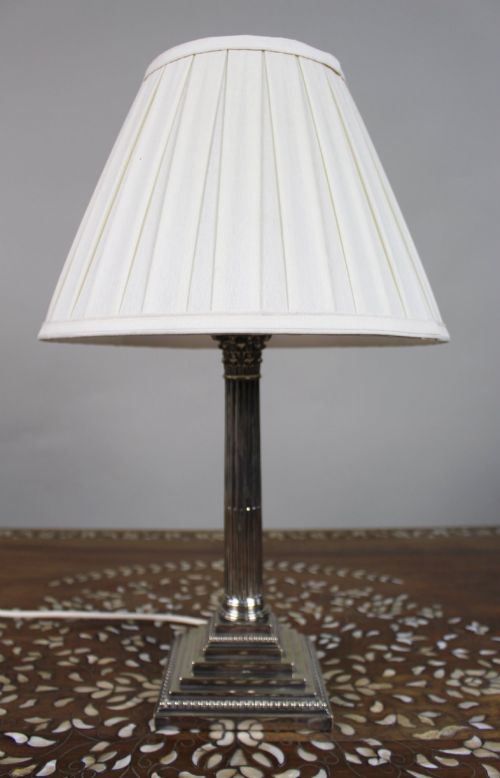
Construction relies heavily on silver plate, EPNS, and Sheffield plate applied over base metals, alongside solid sterling silver and polished aluminium in twentieth-century pieces. Makers utilised traditional plating techniques and column casting to build sturdy lamps, heavy charger plates, and structured serving trays.
Detailing incorporates applied gallery rails, engraved decoration, and cast Corinthian capitals. Materials such as brass, glass, and fabric appear alongside the predominant silver surfaces, creating contrast in lamps and serving accessories.
Listings span the nineteenth century, Victorian, Edwardian, and 1930s periods, utilising silver plate, sterling silver, aluminium, and brass.
What varies in quality
Weight and gauge distinguish heavier chargers and solid column lamps from lighter stamped items. The crispness of cast details on Corinthian capitals and gallery borders dictates the visual authority of a piece.
The integrity of the plated surface over base metals such as nickel silver or copper matters significantly. Maker attribution, visible through specific firm marks, elevates the standing of an item within its period.
James Deakin·Padley Parkin
The Vintage Silver Sideboards Glossary
- Silver Plate
- A layer of silver fused or electroplated onto a base metal such as copper or nickel silver. This technique allowed domestic items to achieve the appearance of solid silver at a lower cost.
- Sheffield Plate
- An early method of fusing a sheet of silver to a copper core by heat and pressure before rolling. It is generally associated with eighteenth and nineteenth-century pieces.
- EPNS
- Electroplated Nickel Silver, a common base metal composition for silver-plated items produced from the mid-nineteenth century onward. It provides a durable foundation for the silver coating.
- Gallery Tray
- A serving tray featuring an openwork metal gallery or pierced railing around its perimeter. These raised edges kept decanters and glasses secure during service.
Vintage Silver Sideboards: Frequently Asked Questions
What periods do these pieces date from?
The inventory spans the nineteenth century through the Victorian and Edwardian eras into the 1920s and 1930s Art Deco period. Pieces reflect the prevailing decorative styles of their respective decades.
Dates are determined by stylistic markers, hallmarking, and documented manufacturing periods associated with specific makers.
How do silver plate and sterling silver differ?
Sterling silver is a solid precious metal alloy of a regulated purity standard throughout the object. Silver plate consists of a thin coating of silver applied over a different base metal.
Both materials were utilised for display and service items, with plate offering the visual weight of silver without the cost of solid metal.
How were gallery trays used?
Gallery trays were designed for serving drinks and displaying glassware or decanters in dining rooms and drawing rooms. The raised pierced gallery prevented items from sliding off during transport.
They also functioned as decorative centrepieces on sideboards when not actively used for serving.
What is Old Sheffield Plate?
Old Sheffield Plate is an early composite material created by fusing silver to a copper ingot prior to rolling it into sheets. This method predates modern electroplating.
Items made this way display distinct physical characteristics where the underlying copper occasionally shows through with age and wear.