



Victorian Tabletop Vanity Mirror
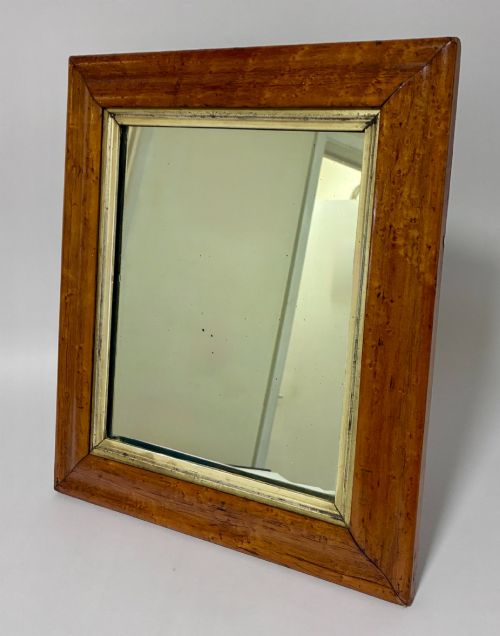
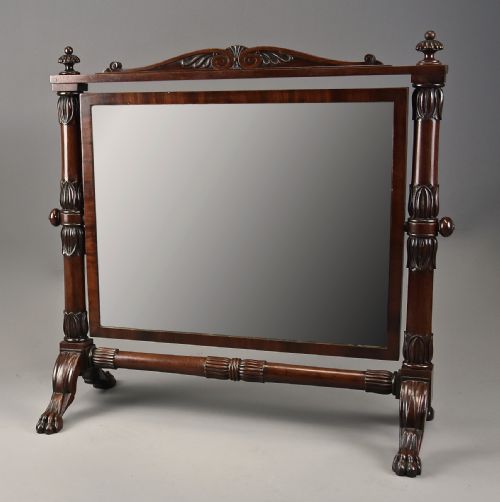
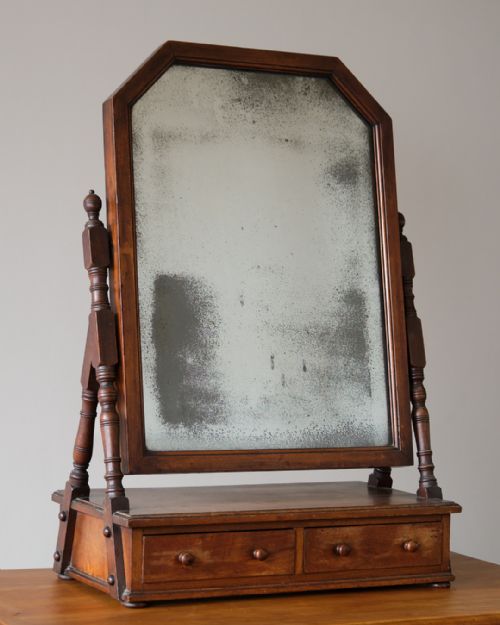
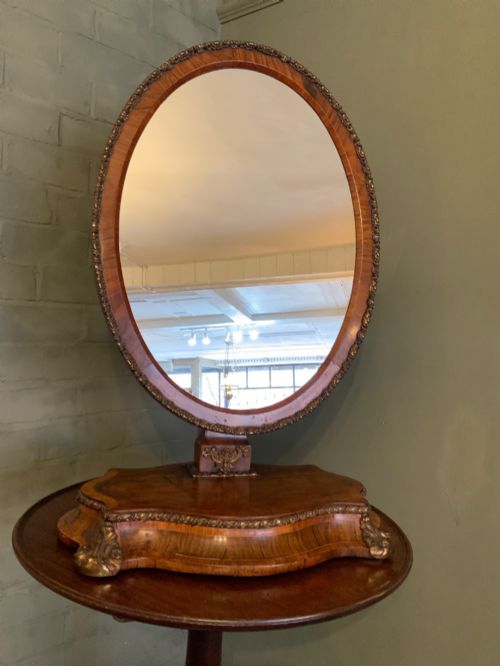
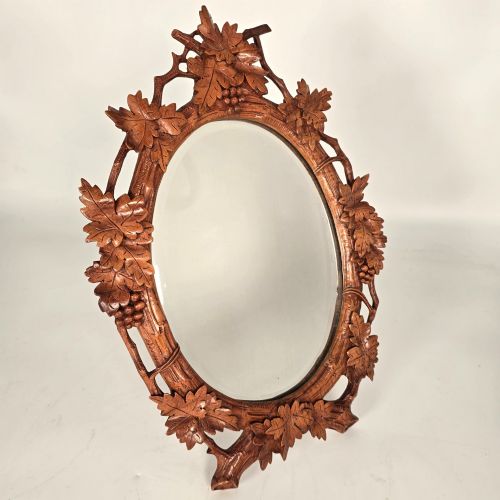
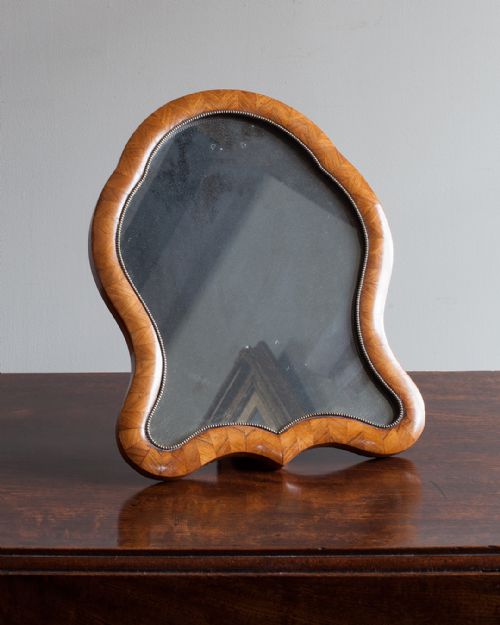
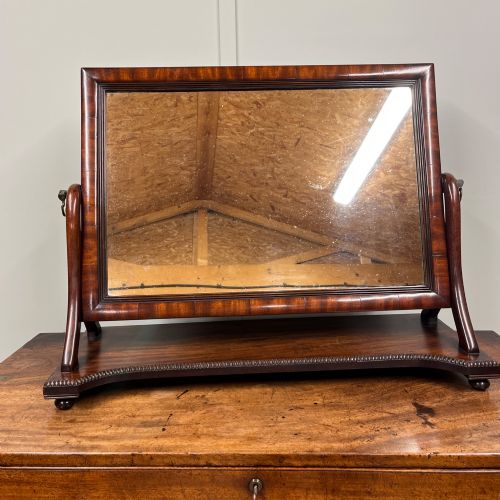
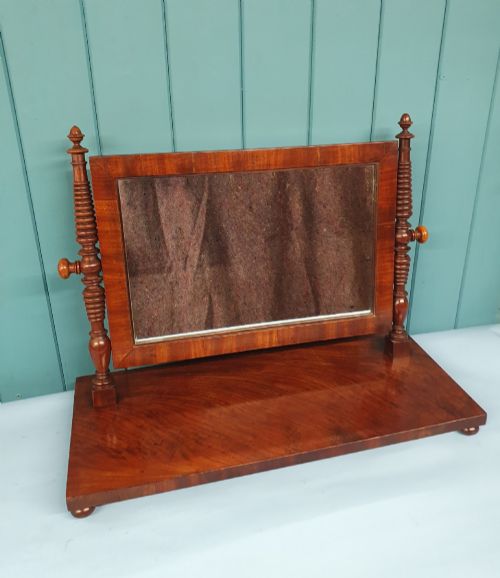
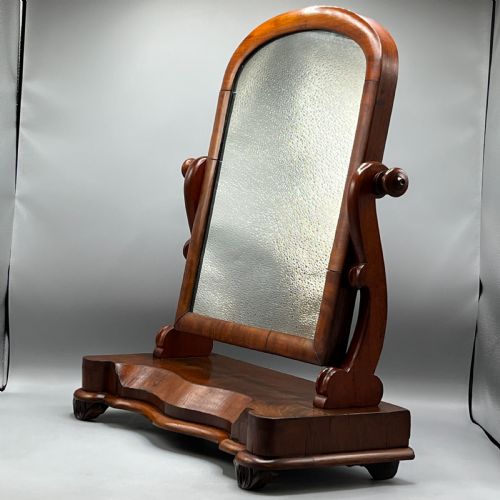
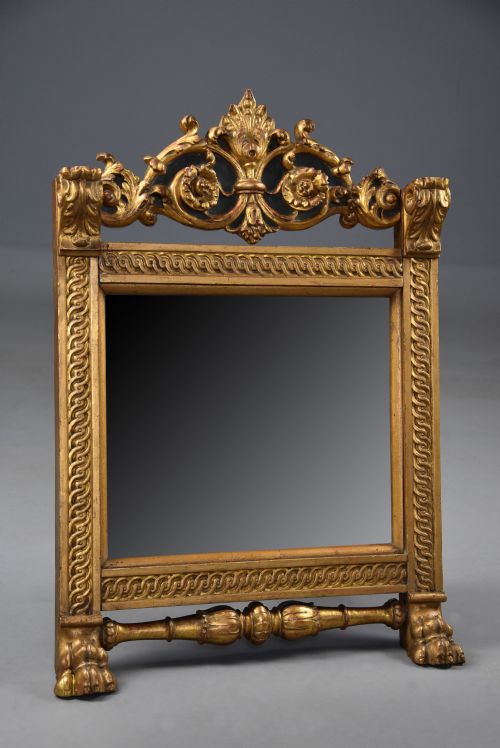
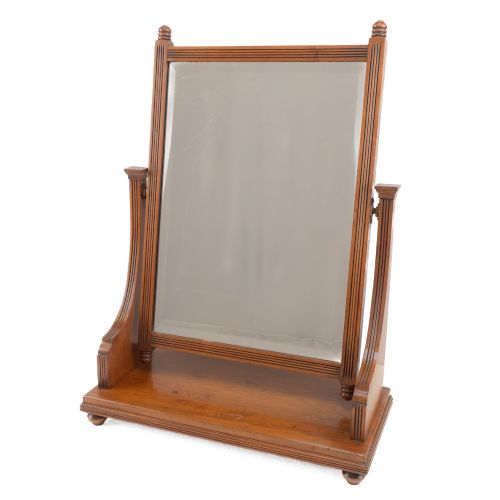
These Victorian tabletop vanity mirror examples sit comfortably on a chest or dressing table, offering a clear reflection alongside period character.
Victorian Tabletop Vanity Mirror
A Victorian tabletop vanity mirror is designed to sit on a chest of drawers or dressing table, providing an adjustable glass surface for daily grooming. The selection brings together dressing mirrors, toilet mirrors and smaller swing glasses from the nineteenth century.
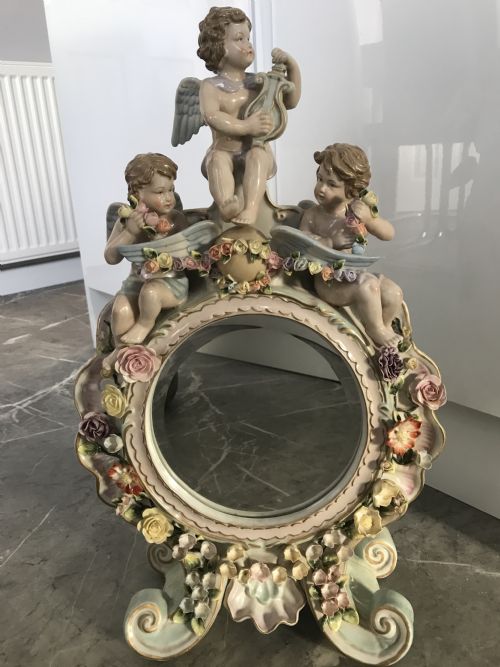
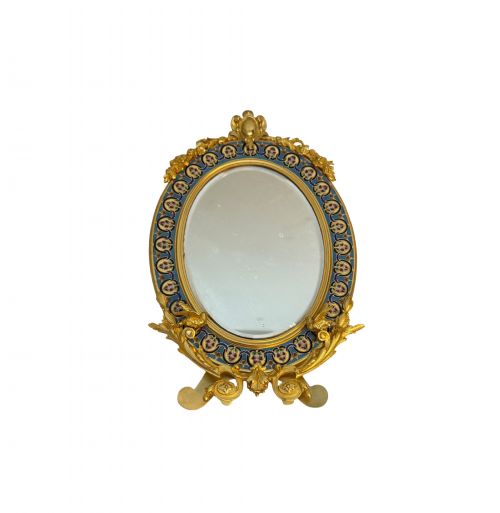
Mahogany frames dominate the available pieces, often featuring serpentine or rectangular swing plates mounted on scroll arms. Alongside timber designs, brass, silver gilt, champleve bronze and porcelain examples appear frequently across the periods.
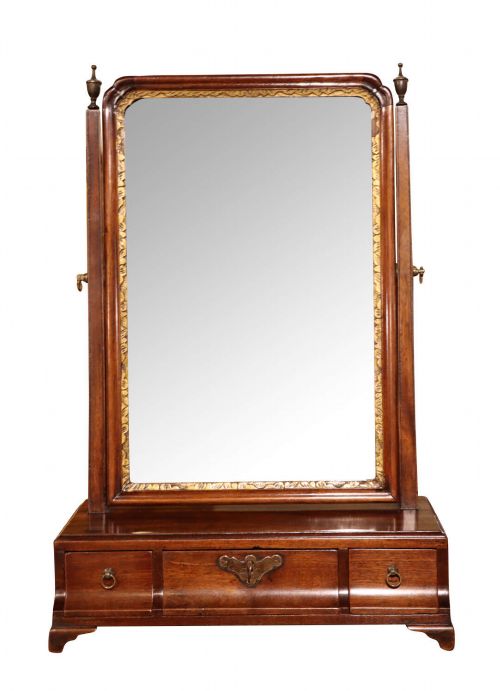
Many variants include useful additions such as small drawer bases, bureau fitments or easel stands for desk placement. Origin spans British workshops alongside continental European centres including French and Swiss makers.
Materials and Construction
Timber frames are typically fashioned from solid mahogany, walnut or kingwood, joined with traditional carpentry and mounted on shaped upright supports. Heavier architectural pieces utilise cast brass, gilt bronze and ormolu mounts to secure the bevelled glass plates.
Surface decoration ranges from hand-carved lime wood and gesso to champleve enamel work and sterling silver mounts. Swing mirrors rely on adjustable brass screw pins or pivots fitted into the side arms to tilt the glass at the required angle.
Victorian Tabletop Vanity Mirror Retail Price Guide 2026
Typical asking prices for victorian tabletop vanity mirror among the pieces listed under this phrase on Sellingantiques today, from the lower quarter to the upper quarter. They describe what is for sale here now, not the wider market.
Portable campaign mirrors fold neatly into compact wooden kits, proving that Victorian gentlemen took their morning shaves very seriously indeed.
Judging Quality
Quality rests upon the weight of the timber, the depth of the carving and the original clarity of the mirror glass itself. Superior examples show crisp detail in cast bronze or hand-carved wood, whilst simpler utility mirrors rely on straightforward joinery.
The sophistication of the base mechanism dictates the calibre of the piece, from basic swing frames to fitted bureau bases with multiple small drawers. Original bevelled glass and intact silvering elevate an item above standard utilitarian versions.
Heal And Sons·Thomas Rubergall·P And MA Nicholson
The Victorian Tabletop Vanity Mirror Glossary
- Swing mirror
- A glass plate suspended on horizontal pivots between two vertical upright posts, allowing the angle to be tilted. This form is standard for nineteenth-century dressing table mirrors.
- Champleve
- An enamelling technique where troughs are dug into a metal surface and filled with vitreous enamel before firing. It appears on decorative bronze and brass frames.
- Cheval mirror
- A full-length dressing glass supported on a freestanding floor frame, though smaller tabletop variants sometimes adopt similar proportions.
- Easel mirror
- A portable mirror supported by a hinged leg at the back, designed to stand upright on a flat surface without dedicated side pillars.
- Bureau fitment
- A small storage compartment or writing drawer incorporated into the lower wooden base of the table mirror.
Victorian Tabletop Vanity Mirror: Frequently Asked Questions
How do I date a Victorian mirror?
Dating relies on combining the timber choice, construction methods and style of the hardware with any visible hallmarks or stamps. Mahogany and simple brass fixtures are typical of earlier decades, while champleve bronze and elaborate cast frames point towards the late nineteenth century.
Examining the backboards and screw types also helps establish the era of manufacture. Hand-cut fixings and secondary pine or oak timbers often suggest earlier nineteenth-century origins.
Can I replace the mirror glass?
Original mirror glass often shows foxing, dark spots and light distortion due to age. Many collectors prefer to retain this authentic surface, but the glass can be replaced if reflection is the primary requirement.
When replacing glass, traditional silvered plates should be sourced to maintain the visual balance of the antique frame. A professional glazier can secure the new plate without damaging old wooden rebates.
Where should I place a tabletop mirror?
These mirrors suit dressing tables, chests of drawers or sideboards where they provide practical function and bounce natural light around a room. Their compact footprints allow them to sit securely on sturdy wooden furniture.
Ensure the supporting surface is level so the swing frame does not drift out of position. Placing the piece near a window maximises the light reflected by the antique glass.
What is the difference between a toilet and dressing mirror?
The terms are often used interchangeably, though historical inventories sometimes distinguished smaller portable items from larger dressing table furniture. Toilet mirrors traditionally refer to smaller portable glasses used for grooming during the eighteenth and nineteenth centuries.
Dressing mirrors frequently include integrated drawer bases or heavier architectural frames designed for permanent placement on a bedroom suite. Both variants served identical personal care functions in period homes.