

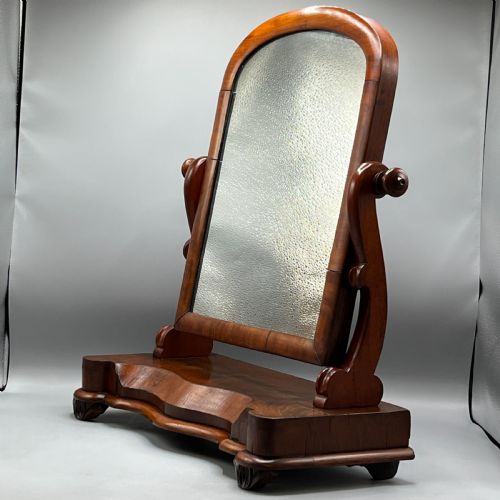


Victorian Swivel Dressing Mirror
A victorian swivel dressing mirror is a tilting glass designed for the dressing table or floor, prized for adjusting reflection angles with ease.
Victorian Swivel Dressing Mirror
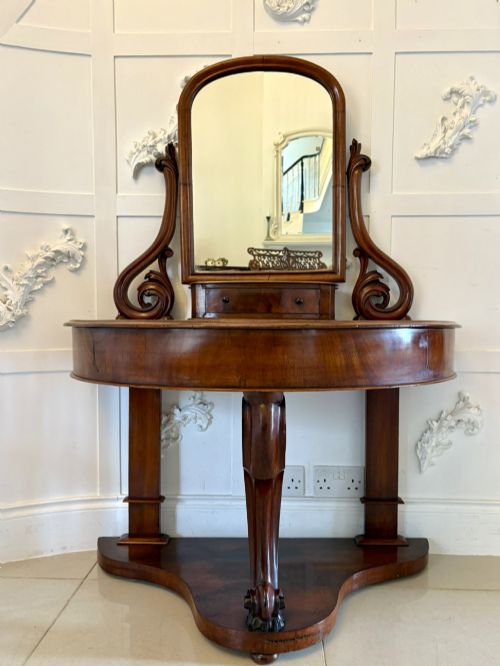
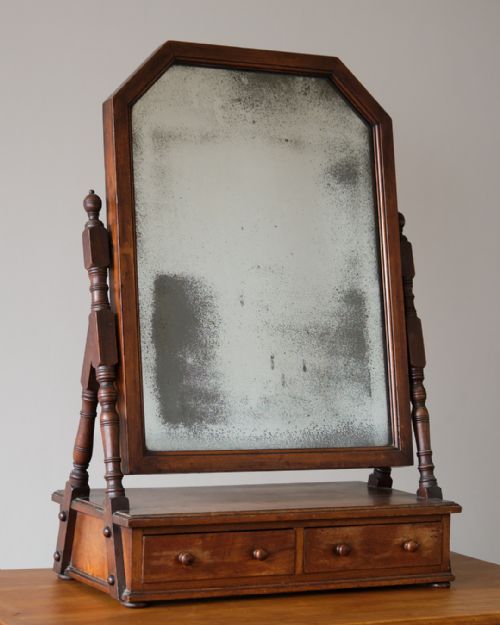
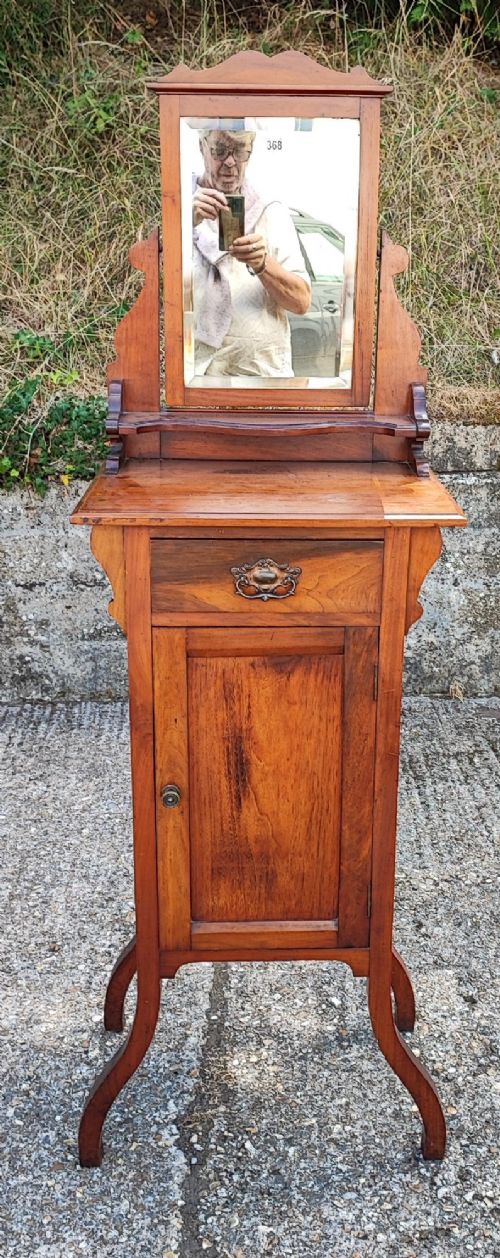
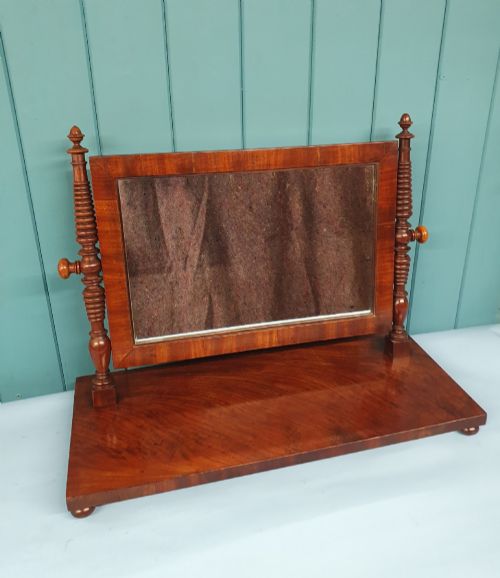
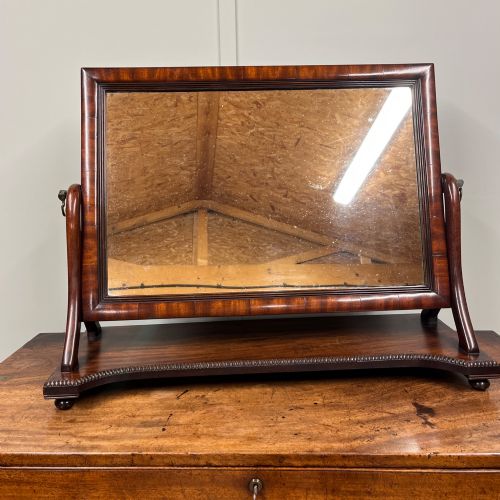
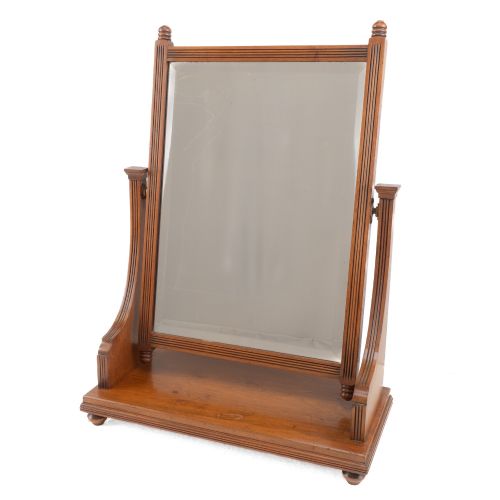
When you search for a victorian swivel dressing mirror, you encounter pieces spanning the nineteenth century alongside related forms from adjacent decades. The most common version met on this page is the mahogany table top dressing mirror or swing mirror, designed to sit upon a chest or table.
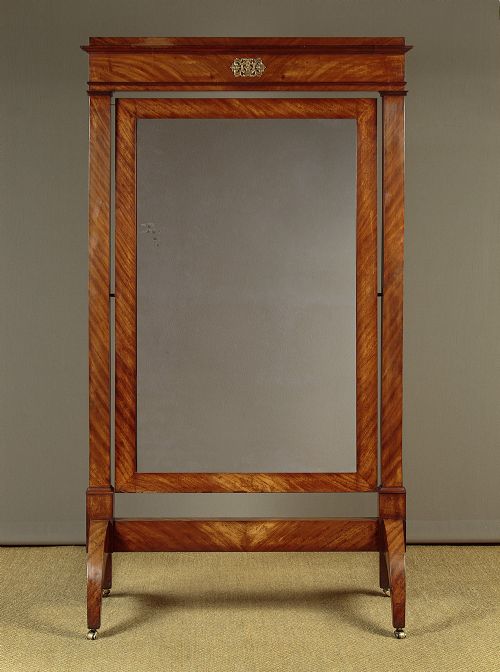
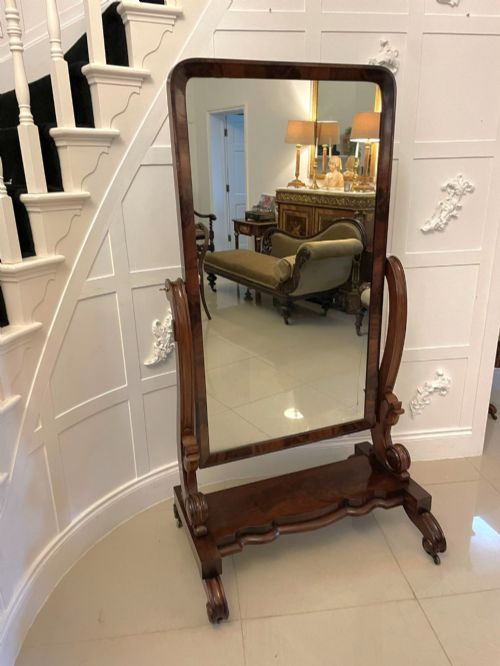
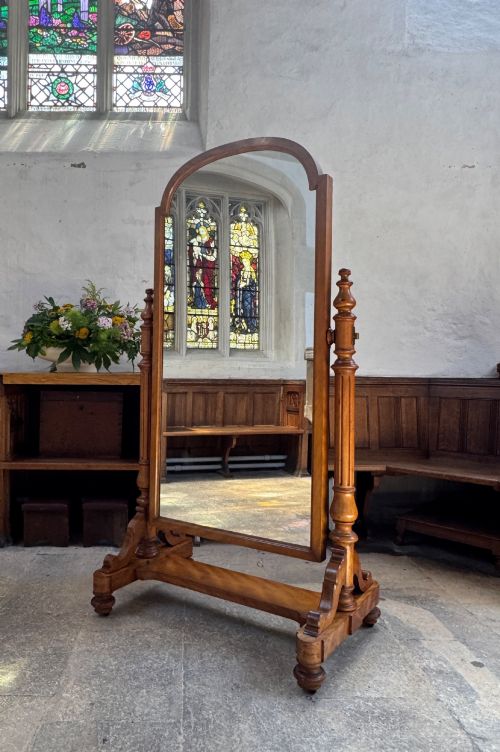
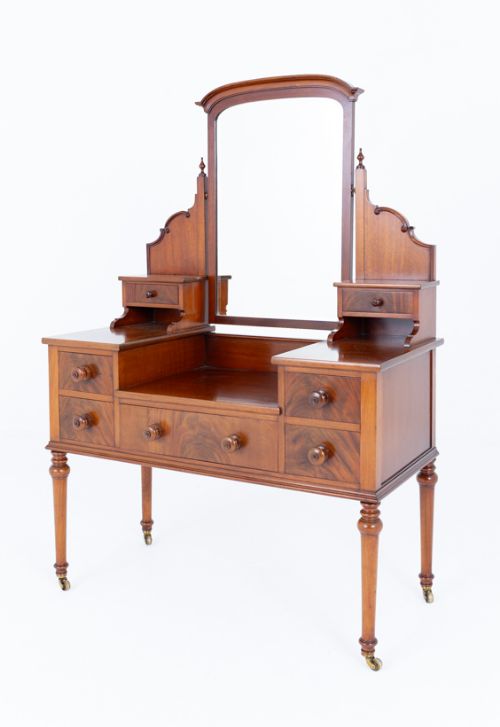
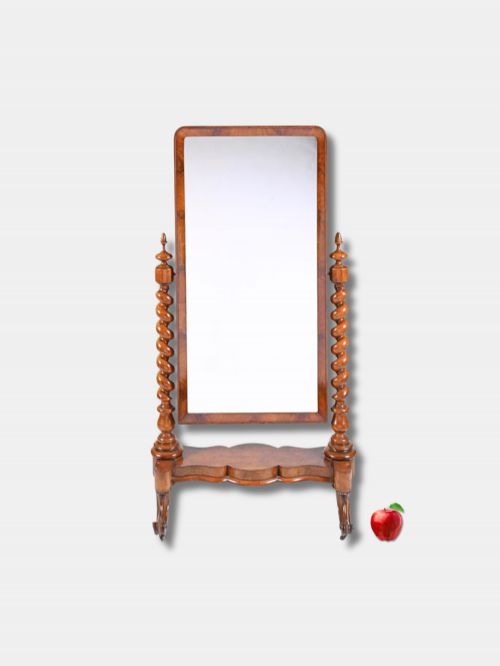
Larger floor-standing examples known as cheval mirrors also appear frequently, often featuring pivoting frames supported by sturdy uprights. Makers produced these mirrors in various formats including toilet mirrors and dressing tables with integrated swivelling glass panels.
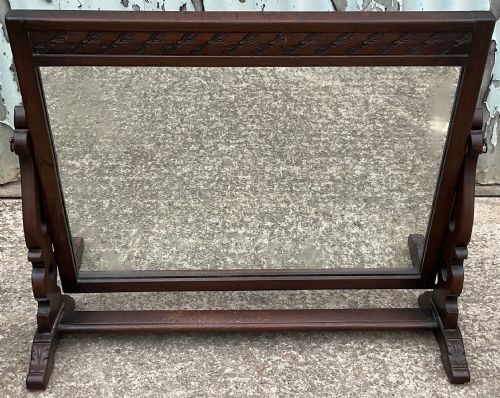
The selection reflects multiple aesthetic movements ranging from plain nineteenth-century designs to revival styles such as Queen Anne, Rococo, and Victorian Gothic. Pieces from the Regency and Edwardian periods occasionally join the Victorian core, alongside Arts and Crafts examples.
Materials and construction
Makers constructed the frames primarily in mahogany, walnut, burr walnut, oak, satin birch, and pine, often selecting timbers for rich grain patterns. Brass hardware frequently secures the pivoting mechanism, allowing the glass to tilt smoothly on its axis.
Mirror glass is mounted within wooden frames supported by upright arms, which in turn rest upon shaped bases or platform feet. Some examples incorporate barley twist supports, carved ornamentation, or cast bronze elements to embellish the wooden structure.
The selection includes table top dressing mirrors, cheval mirrors, and full dressing tables with integrated swivel glass.
Judging the standard
Quality in these mirrors rests upon the selection of timber and the precision of the pivoting mechanism. Finer pieces display carefully chosen mahogany or burr walnut veneers alongside robust construction that maintains stability when the glass tilts.
Carved details and brass fittings reveal the level of craftsmanship invested in the object. Superior examples integrate the mirror frame seamlessly with the supporting standards, ensuring smooth movement without looseness in the joints.
Heal And Sons·Harrods
The Victorian Swivel Dressing Mirror Glossary
- Cheval mirror
- A full-length plate glass mirror supported in a frame that swivels on vertical posts. This freestanding form allows the viewer to see their entire outfit.
- Swing mirror
- An alternative term for any dressing mirror mounted on pivots so the glass tilts back and forth. The movement relies on side screws or pins fitted to the support arms.
- Sabot
- A metal sleeve fitted to the foot of a furniture leg. Brass sabots frequently appear on Regency and nineteenth-century floor-standing supports.
- Barley twist
- A decorative turning resembling a twisted rope. This technique ornaments the upright supports of several nineteenth-century mirrors.
Victorian Swivel Dressing Mirror: Frequently Asked Questions
Where should I place a dressing mirror?
These mirrors suit bedroom placement on top of dressing chests, low tables, or directly on the floor for cheval versions.
Ensure the surface supports the weight and allows enough clearance for the glass to tilt fully.
How do swivel mechanisms work?
Side pins or screws pass through the upright supports into the sides of the mirror frame. Tightening these fittings holds the glass at the desired angle.
Older mechanisms rely on brass hardware that allows smooth manual adjustment.
Can I adjust the mirror tilt?
Yes, the pivoting design is specifically engineered to let you change the angle of reflection. You simply tilt the glass gently to the preferred position.
Checking the side tension screws ensures the plate stays in place once adjusted.
How do I identify a Victorian mirror?
Look for characteristic timbers such as mahogany, walnut, and satin birch combined with period construction methods. Details like hand-turned supports and brass fittings often indicate nineteenth-century origins.
Stylistic cues range from plain classical lines to revival ornament popular during the Victorian era.